REVIEW · NARITA
Naritasan Shinshoji Temple before Your Flight
Book on Viator →Operated by Fulfilling Inc. · Bookable on Viator
Your flight day can feel peaceful. This private pre-airport tour turns Narita waiting time into a calm, traditional temple visit you’ll actually remember, not just another airport errand. I especially liked how the stop is close enough to squeeze in, yet still feels like real Japan once you’re past the gates.
What really worked for me was the personal guide who can shape the walk to your pace and interests, and the free-flow rhythm across temple, garden, and food/shopping street. One thing to consider: the whole plan is about 4 hours, so you’ll need to make sure you still have breathing room to get to the airport and through security afterward.
In This Review
- Key Things to Know Before You Go
- Narita airport timing: why a pre-flight temple visit actually works
- Naritasan Shinshoji Temple: 1000 years of calm (and a ritual not to skip)
- A note on what a guide can add here
- Naritasan Park: a garden reset behind the temple
- Omotesando Street: snack breaks, souvenirs, and the easiest kind of wandering
- Private transport and flexibility: how this tour reduces stress
- What you’ll pay: value of $78.18 when you’re short on time
- Who this tour suits best (and who should rethink it)
- Should you book this Naritasan Shinshoji pre-flight tour?
- FAQ
- What time does the tour start, and how long does it last?
- Is this tour private?
- What’s included in the price?
- Is lunch included?
- Are the temple and park admissions free?
- What’s the cancellation policy?
Key Things to Know Before You Go
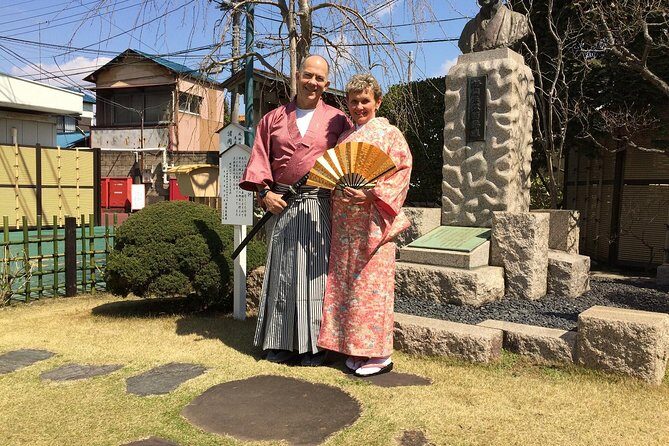
- Naritasan Shinshoji is a 1000+ year temple with multiple buildings recognized as important cultural properties
- Goma Fire Ritual is highlighted as a must-see moment during the temple visit
- Naritasan Park gives you a quiet garden break behind the temple, with seasonal highlights like plum, cherry blossoms, and autumn color
- Omotesando Street is a ~800m walk lined with 150+ places to eat and shop between Narita Station and the temple area
- Private, customizable pacing with a guide (including time to ask questions and follow local leads)
- Free admission is listed for each stop, while your lunch is not included
Narita airport timing: why a pre-flight temple visit actually works
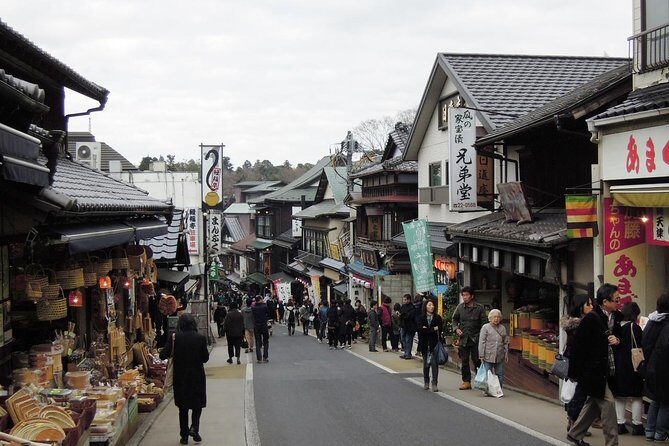
Narita can feel like a stopover you just rush through. This tour gives you a better option: you get out for about half a day, see something culturally meaningful, then head back in time for your flight.
The start time is 10:00 am, and the experience runs about 4 hours (approx.), ending back at the meeting point. That timing is ideal when your flight leaves later in the day and you don’t want to spend your whole day stuck in transit.
Because it’s a private tour, you’re not stuck with rigid group pacing. If you want more photos at the temple or you prefer lingering over snacks on Omotesando Street, your guide can help adjust the flow.
You can also read our reviews of more tours and experiences in Narita.



Naritasan Shinshoji Temple: 1000 years of calm (and a ritual not to skip)
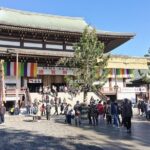
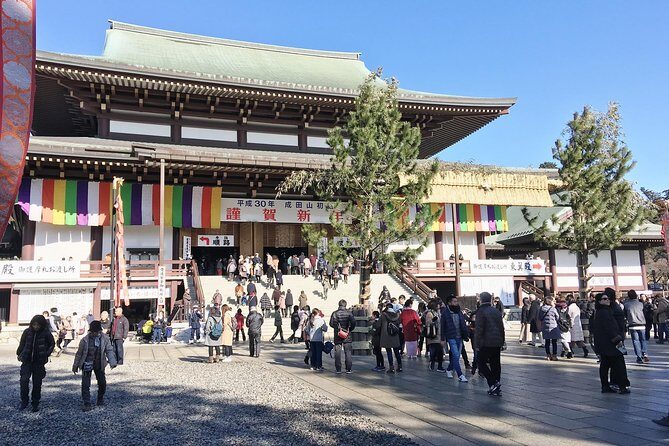
This is the heart of the day: Naritasan Shinshoji Temple, a Buddhist site with a history of over 1000 years. It’s one of those places you can walk into and instantly feel that slower tempo Japan does well—less like sightseeing, more like being part of the atmosphere.
The temple complex includes five buildings designated as important cultural properties. That matters because it’s not just a pretty backdrop. You’re seeing structures that have official cultural value, so it’s worth paying attention to what your guide explains as you move through.
The big “don’t miss” moment is the Goma Fire Ritual. Even if you don’t know much about Buddhism, this type of ritual is usually easier to appreciate when someone explains what you’re seeing. In past visits with guides, having that context turns it from a spectacle into something you understand.
Practical tip: wear shoes you can stand in comfortably. Temples are walk-heavy, and the best moments happen when you pause, look back, and keep moving at a relaxed pace.
A note on what a guide can add here
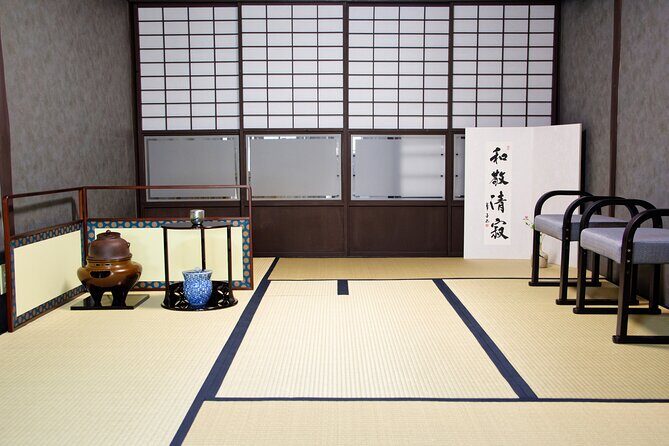
One of the best surprises from guide-led temple days is when the visit intersects with what’s happening on-site. On one trip, extras showed up along the way—things like a tea ceremony and small ceremonial elements that added texture without turning it into a show. You shouldn’t count on those every day, but it’s a good reminder that a guide who’s paying attention can help you catch the “in-between” moments that make a temple visit feel alive.
Naritasan Park: a garden reset behind the temple
Behind Naritasan Shinshoji, you get Naritasan Park, a Japanese garden stop that keeps the day from feeling like one long temple-only experience. You only spend about 30 minutes here, but it’s the kind of time that makes the earlier walk feel meaningful instead of exhausting.
The garden’s seasonal cues are clear: you can catch plum blossoms in February, cherry blossoms in March, and autumn leaves in November. If you’re traveling outside those windows, don’t stress—gardens still work year-round. You’ll just trade peak bloom drama for steadier quiet and good photo light.
This is also where the “peaceful and traditional” part of the tour becomes real. The temple gives you depth and history; the park gives you breath and space to think.
Practical tip: if you’re traveling in spring or autumn, consider bringing a little extra patience for photos. You’ll often want a couple angles, and the light can change quickly in outdoor gardens.
Omotesando Street: snack breaks, souvenirs, and the easiest kind of wandering
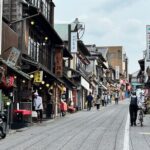
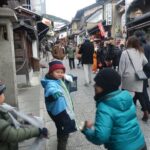
After the temple and garden, the tour shifts to street life on Omotesando Street. This stretch runs about 800m from Narita Station to the temple area and lines up with more than 150 restaurants and souvenir shops.
What I like about this stop is that it doesn’t feel like a rushed market sprint. You get time to stroll, choose your own pace, and grab something you actually want instead of being funneled into one place.
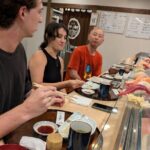
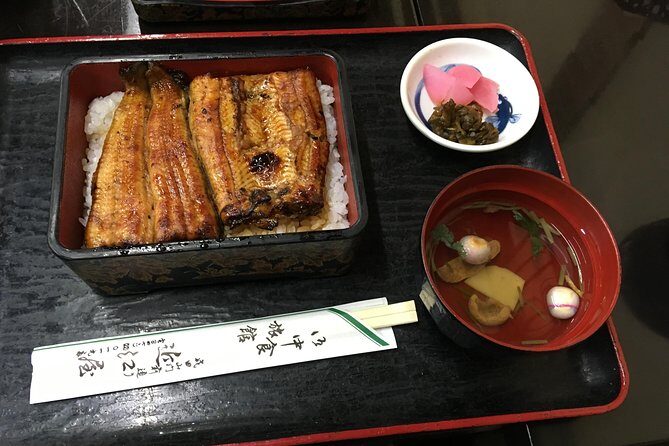
Your guide also helps you connect the dots—what to try, what’s worth buying, and how to enjoy the street without turning it into a chore. On at least one guide-led day, that kind of guidance turned into a fun food moment, like a sushi lunch stop paired with time to ask questions along the way. Your lunch is not included, but the tour’s structure makes it easy to handle food smoothly instead of trying to figure it out while tired.
One more detail that adds charm: you may spot things like wedding photo sessions in the temple area. It’s not staged for tourists, and it gives the place a sense of living tradition rather than museum mode.
Practical tip: bring cash or a payment method you’re comfortable with. With so many shops and eateries, you’ll want flexibility.



Private transport and flexibility: how this tour reduces stress
The tour includes private transport and also covers transportation cost (Train), while your guide’s transportation cost is included too. Translation: you spend less energy planning routes and more energy enjoying the day.
You’re also near public transportation, which helps if plans shift. That said, the real value is the human part: you’re not navigating a tight schedule while carrying a flight-day deadline.
The tour is described as customizable, so you can adjust based on your interests. If you care more about temple details, you’ll likely get a slower, explanation-forward walk. If you want more practical shopping time, you can lean that way on Omotesando Street.
One quick reality check: “private” doesn’t mean “no walking.” Temples, gardens, and street strolls still involve getting around. The experience lists a moderate physical fitness level, so if you’re mobility-limited, factor that into how you pace yourself.
What you’ll pay: value of $78.18 when you’re short on time
The price is $78.18 per person, and it’s typically booked around 64 days in advance. That matters because pre-flight days sell out faster than you’d expect—people want something reliable and timed for departures.
The best value angle here is that you’re not paying for entry fees. Admission is listed as free for each stop. You’re paying for the parts that are harder to DIY on a flight day: a professional guide, private tour structure, and the included train/transportation coordination.
If you’re traveling as a couple or small group, the private format can feel especially reasonable. You’re also more likely to get useful answers instead of guessing: history context at the temple, what seasonal garden features to look for, and practical “what to eat/buy” guidance on Omotesando Street.
Your lunch is not included, so budget for food separately. The upside is that you can choose it based on your tastes and timing instead of being stuck with one set meal.
Overall: for a flight-day window, this is the kind of tour that often feels worth it because it reduces mental load. You get a plan that fits your schedule and still lands on authentic places.
Who this tour suits best (and who should rethink it)
This is a strong fit if you want a meaningful cultural stop before flying, but you’re short on time. It’s also a good choice if you’d rather ask questions face-to-face than read signs and guess.
You’ll likely enjoy it if:
- You like temples, gardens, and traditional street neighborhoods
- You want a structured way to handle time between Narita Airport and your departure
- You appreciate customizable pacing and the chance to ask questions
- You’d like a smooth day that includes transport planning for you
You might want to rethink it if:
- Your schedule is tight enough that you can’t safely spare about 4 hours
- You don’t enjoy walking (there’s temple and street walking built in)
- You want a very long, slow stay at one site only (this is more of a balanced sampler)
Should you book this Naritasan Shinshoji pre-flight tour?
If you’re flying out of Narita and you’d like your day to feel less like transit and more like Japan, I’d book it. The combination of Naritasan Shinshoji Temple, a garden reset at Naritasan Park, and the practical fun of Omotesando Street hits a sweet spot: culture, calm, and choices for food and souvenirs.
I’d book it especially if you value a guide to help you understand what you’re seeing—like why the temple’s recognized cultural buildings matter and why the Goma Fire Ritual is the highlight moment you shouldn’t miss.
If your flight leaves extremely early, or you’re already running late, skip this and keep your day simple. But if you have a workable window after 10:00 am, this tour is one of the smartest ways to turn pre-flight time into something memorable.
FAQ
What time does the tour start, and how long does it last?
The tour starts at 10:00 am and runs for about 4 hours.
Is this tour private?
Yes. It’s a private tour/activity, meaning only your group participates.
What’s included in the price?
The tour includes a professional guide, guide transportation costs, guide lunch cost, a private tour, and transportation cost (Train). Admission is listed as free for the stops.
Is lunch included?
No. Your lunch is not included.
Are the temple and park admissions free?
Admission is listed as free for the temple and the park, and the street stop is also listed with free admission.
What’s the cancellation policy?
You can cancel for a full refund if you cancel up to 24 hours in advance of the experience start time.