REVIEW · NARITA
[Narita Airport Terminals 1, 2] 40-60km Sawara Itako Historic Bike Tour
Book on Viator →Operated by Narita Cycling Tour · Bookable on Viator
Last-day cycling by the Tone River sounds perfect. I like that this is a private Narita-area ride with real flexibility if your flight timing is tight, plus pickup from your Inzai hotel or Narita Airport Terminal 1.2.
Another thing I love is the flat pace. You pedal the Tonegawa Cycling Road toward the estuary, then walk through Edo-period Sawara before stopping at Katori Jingu, known as a power spot.
One possible drawback: lunch is not included, so you’ll want to budget extra time and a little extra cash if you decide to eat during the ride.
In This Review
- Why This Narita Bike Tour Feels Practical (Not Touristy)
- Key Things That Make It Worth Your Time
- The Route: Tone River Cycling Road to Edo Sawara and Katori Jingu
- Stop-by-Stop: Hakko no Sato Kozaki, Sawara, and Katori Jingu
- Starting point: Hakko no Sato Kozaki / Road Station Kanzaki
- Stop 1 (quick break): Tone River cycling toward the estuary
- Stop 2: Sawara Historic Town Visitor Center (Edo-period walk)
- Stop 3: Katori Jingu Shrine (power spot visit)
- Stop 4: Michi-no-Eki Hakkonosato Kozaki (finish + fermented-food souvenir time)
- Gear and Food: What’s Included, What’s Not, and How to Plan
- Lunch: “Prepared for you” but still not in the price
- Pickups and Timing: Narita Terminal 1.2, Inzai Hotels, and Tokyo Connections
- Where pickup can happen
- Transit riders: the 5-hour connection rule
- What time of day does this run?
- Price and Value: Is $97.98 a Fair Deal?
- What might make it feel pricey
- TV News Coverage Discount (May 20–26, 2025)
- Who This Tour Fits Best (And Who Might Want Another Plan)
- Should You Book This Sawara Itako Historic Bike Tour?
- FAQ
- How long is the Narita Sawara Itako Historic Bike Tour?
- How much does the tour cost?
- Is lunch included in the tour price?
- What’s included with the tour besides the guide?
- Where can I be picked up for the tour?
- Is the cycling route difficult?
- What happens if it rains?
Why This Narita Bike Tour Feels Practical (Not Touristy)
![[Narita Airport Terminals 1, 2] 40-60km Sawara Itako Historic Bike Tour - Why This Narita Bike Tour Feels Practical (Not Touristy)](https://images.thejapantraveler.com/wp-content/uploads/narita-airport-terminals-1-2-40-60km-sawara-itako-historic-bike-tour-1.jpg)
This is the kind of tour that makes sense when you have a few hours near Narita and you don’t want the last day to be all airport and vending machines. It’s built around an easy cycling corridor, plus two cultural stops that feel different from the usual temple-and-shopping loop.
You’re not locked into a rigid script either. The tour is private (just your group, up to four people), and the route, distance, and timing can be adjusted for families and couples. That matters when you’re juggling jet lag, kids, or a last-day flight window.
Key Things That Make It Worth Your Time
![[Narita Airport Terminals 1, 2] 40-60km Sawara Itako Historic Bike Tour - Key Things That Make It Worth Your Time](https://images.thejapantraveler.com/wp-content/uploads/narita-airport-terminals-1-2-40-60km-sawara-itako-historic-bike-tour-2.jpg)
- Private group of 1–4 people so the plan can flex to your schedule
- Mostly flat Tonegawa Cycling Road, friendly if you’re not super confident on a bike
- Edo-era Sawara + Katori Jingu packed into a single half-day window
- Loaner cycling setup included: bicycle, helmet, gloves, cycling wear, and bottled water
- Works for transit riders if you have at least a 5-hour Narita connection
- Fermented-food stops for souvenirs, including salmon-flavored options
You can also read our reviews of more tours and experiences in Narita.



The Route: Tone River Cycling Road to Edo Sawara and Katori Jingu
![[Narita Airport Terminals 1, 2] 40-60km Sawara Itako Historic Bike Tour - The Route: Tone River Cycling Road to Edo Sawara and Katori Jingu](https://images.thejapantraveler.com/wp-content/uploads/narita-airport-terminals-1-2-40-60km-sawara-itako-historic-bike-tour.jpg)
The big idea here is simple: you ride out into the Narita countryside on a route designed to be easy. The Tonegawa Cycling Road is described as flat, which is huge for most people. It means you spend your energy on enjoying the ride and the scenery, not fighting hills.
You’ll start from the Hakko no Sato Kozaki / Road Station Kanzaki area and follow the Tone River cycling corridor toward the estuary. Along the way, the pace is the point. Then the tour shifts from pedal power to walking for the cultural stops, finishing back at the Hakkonosato Kozaki area.
For me, the value isn’t just the sights. It’s the pacing: enough structure to feel like a real activity, but not so much sightseeing cram that you’ll feel fried before your flight.
Stop-by-Stop: Hakko no Sato Kozaki, Sawara, and Katori Jingu
![[Narita Airport Terminals 1, 2] 40-60km Sawara Itako Historic Bike Tour - Stop-by-Stop: Hakko no Sato Kozaki, Sawara, and Katori Jingu](https://images.thejapantraveler.com/wp-content/uploads/narita-airport-terminals-1-2-40-60km-sawara-itako-historic-bike-tour-4.jpg)
Starting point: Hakko no Sato Kozaki / Road Station Kanzaki
You begin at Hakko no Sato Kozaki, also listed with Road Station Kanzaki. The practical win here is that it’s a natural launch pad for cycling. You get moving quickly, and you’re not starting the ride in some complicated urban grid.
Admission is free for the start segment, and that’s part of the tour’s budget friendliness. You’ll also get your cycling setup handled here—so you can focus on riding, not logistics.
A quick consideration: this is a bike tour with a set timeframe (about 4 to 6 hours). If you’re slow to get going or you need lots of breaks, tell your guide early so they can adjust distance.
Stop 1 (quick break): Tone River cycling toward the estuary
The first active stage is a 20-minute push on the cycling road heading toward the estuary. Admission is free here too, so you’re paying only for the ride and the guiding—not for extra attractions.
This stretch is the “feel-good” part for most people. It’s flat, it’s a dedicated cycling route, and it gives you that calm, countryside tempo that’s hard to replicate by train.
If you’re coming from the airport area, this is also a mental reset. You move from “travel mode” to “local day” fast.
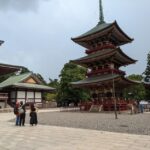
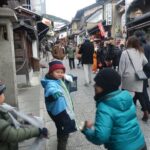


Stop 2: Sawara Historic Town Visitor Center (Edo-period walk)
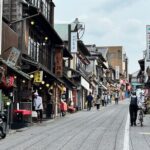
Next comes Sawara Historic Town Visitor Center, followed by an Edo-period cityscape walk. Admission is free, and you get about 30 minutes for this portion.
This stop is valuable because it breaks the ride into something more than just moving forward on a bike. You’ll shift into strolling mode and get a feel for how the Edo-era town atmosphere comes through in the streetscape.
The trade-off is time. Thirty minutes goes by quickly—so prioritize what you want most: street views, architecture, or just soaking in the slower rhythm. If you’re the type who needs to photograph every corner, consider asking your guide for a slightly more flexible walk pace.
Stop 3: Katori Jingu Shrine (power spot visit)
After Sawara, you head to Katori Jingu Shrine for a 30-minute visit. Again, admission is free.
Katori Jingu is described as famous as a power spot. I take that to mean it’s a place people intentionally visit for atmosphere and spiritual energy, not just a quick sight. Even if you’re not religious, shrine design and grounds often give you that “pause button” your legs appreciate after cycling.
One practical note: this is a short stop, so if you want a deeper look (more paths, extra details, or a longer prayer routine), you’ll likely want your guide to adjust the schedule to give you that time.
Stop 4: Michi-no-Eki Hakkonosato Kozaki (finish + fermented-food souvenir time)
You end back at Michi-no-Eki Hakkonosato Kozaki. This is where the cycling is over, and you get about 30 minutes.
This last stop is a treat for anyone who likes food souvenirs. There are fermented foods from across Japan, including salmon. It’s a very easy way to leave with something local-flavored without needing to hunt for a shop on your own right before your flight.
If you’re short on time, you can also use this stop as a quick wrap-up: buy a souvenir, stretch your legs, and get ready for the ride back.
Gear and Food: What’s Included, What’s Not, and How to Plan
![[Narita Airport Terminals 1, 2] 40-60km Sawara Itako Historic Bike Tour - Gear and Food: What’s Included, What’s Not, and How to Plan](https://images.thejapantraveler.com/wp-content/uploads/narita-airport-terminals-1-2-40-60km-sawara-itako-historic-bike-tour-5.jpg)
This tour covers the cycling basics, which is a big deal if you don’t want to figure out rentals right after arriving in Japan.
Included:
- bicycle
- helmet, gloves, cycling wear
- bottled water
Not included:
- lunch
- sneakers
That sneaker line is worth your attention. The tour provides cycling wear and helmet/gloves, but it doesn’t include the shoes you’ll pedal in. Bring comfortable sneakers you can walk in too.
Lunch: “Prepared for you” but still not in the price
The tour notes that a lunch destination can be prepared based on your request. You can also skip lunch if time is tight. The key point is that lunch itself isn’t included in the tour price.
So I think of this as flexible rather than fixed. If you want a simple, convenient meal, you’ll likely be happier paying for lunch you actually want (instead of feeling stuck with whatever is nearby). If you’re racing the clock, you can skip lunch and keep the ride efficient.
If you have dietary needs, make that clear when you confirm your plan—since the tour is adjustable and lunch is arranged based on your requests.
Pickups and Timing: Narita Terminal 1.2, Inzai Hotels, and Tokyo Connections
![[Narita Airport Terminals 1, 2] 40-60km Sawara Itako Historic Bike Tour - Pickups and Timing: Narita Terminal 1.2, Inzai Hotels, and Tokyo Connections](https://images.thejapantraveler.com/wp-content/uploads/narita-airport-terminals-1-2-40-60km-sawara-itako-historic-bike-tour-6.jpg)
This tour is built for people who are near Narita already, but it also has a practical “connect from Tokyo” option.
Where pickup can happen
- Pickup from your hotel in Inzai / Narita
- Pickup at Narita Airport Terminal 1.2
- If you’re joining from within Tokyo, you should come to Chiba New Town Chuo Station (about 40 minutes from Asakusa Station)
This matters because the tour is private. You don’t need to march to a public meeting point and hope everyone arrives at once. It can be smoother if you’re landing with luggage and you want a guided “first activity” instead of wandering.
Transit riders: the 5-hour connection rule
There’s also an option to connect at Narita Airport for cyclists during transit. The minimum transit time given is 5 hours.
In plain terms: if you’ve got a long layover, this can turn it into a real day. If you don’t have a 5-hour buffer, I’d treat it as too risky. Timing is everything when flights are unpredictable.
What time of day does this run?
The listed hours for operation show availability between 6:00 AM and 10:00 AM (with dates spanning a wide season). With a tour duration of about 4 to 6 hours, this is likely early in your day—perfect if you want cycling before the rest of Japan, or if you want something active before heading to the airport.
Price and Value: Is $97.98 a Fair Deal?
![[Narita Airport Terminals 1, 2] 40-60km Sawara Itako Historic Bike Tour - Price and Value: Is $97.98 a Fair Deal?](https://images.thejapantraveler.com/wp-content/uploads/narita-airport-terminals-1-2-40-60km-sawara-itako-historic-bike-tour-7.jpg)
At $97.98 per person, this tour sits in the “worth it if it saves you hassle” category. Here’s why.
You’re getting:
- a private guide for a custom-friendly plan (1–4 people)
- a bicycle plus protective gear (helmet, gloves, and cycling wear)
- bottled water
- free admission stops at each listed point
The tour is also designed for a short window. That’s valuable if you don’t have a full day and you want a structured activity that doesn’t require extra planning.
What might make it feel pricey
Since lunch isn’t included, your final day cost depends on whether you eat. Sneakers also add to your setup if you forgot them. And like all outdoor tours, weather can affect whether you’ll ride that day.
Still, in terms of “you show up and you get an experience,” the package is pretty strong—especially if you’re comparing the cost of bike rental + guide time + the hassle of finding a route yourself.
TV News Coverage Discount (May 20–26, 2025)
![[Narita Airport Terminals 1, 2] 40-60km Sawara Itako Historic Bike Tour - TV News Coverage Discount (May 20–26, 2025)](https://images.thejapantraveler.com/wp-content/uploads/narita-airport-terminals-1-2-40-60km-sawara-itako-historic-bike-tour-8.jpg)
One unique detail here is a 20% discount during May 20 to May 26, 2025, tied to TV news coverage. It’s stated as subject to your cooperation with the coverage, and it’s limited to one group per day.
If you’re traveling during that window and you’re comfortable with being filmed, it could be an easy way to reduce your cost. If not, you can still book normally; just don’t count on the discount.
Who This Tour Fits Best (And Who Might Want Another Plan)
![[Narita Airport Terminals 1, 2] 40-60km Sawara Itako Historic Bike Tour - Who This Tour Fits Best (And Who Might Want Another Plan)](https://images.thejapantraveler.com/wp-content/uploads/narita-airport-terminals-1-2-40-60km-sawara-itako-historic-bike-tour-9.jpg)
This bike tour is a good match if you:
- want a practical pre-flight or arrival day plan near Narita
- like the idea of combining riding with short cultural stops
- want a calmer cycling route that’s described as flat
- are okay with a half-day schedule and free admission sites
It may be less ideal if you:
- need a slow, no-rush pace for a very long time
- want lunch included in the price (it isn’t)
- aren’t ready to ride a bicycle at all times during the route
Good to know the tour is set up so most people can participate, and the height requirement listed is over 4.6 ft (140 cm). If someone is under 17, they must ride with an adult. Also, the tour states that anyone with bicycle riding experience can join.
Should You Book This Sawara Itako Historic Bike Tour?
I’d book it if your goal is a real taste of Japan outside the airport zone—on an actually rideable schedule. You’ll get the combo of countryside cycling, an Edo-era town walk, and a shrine visit without spending your day in transit.
I’d skip it only if you’re expecting a food-and-museum marathon, or if your timing is too tight for the early-day run. Also, if you hate the idea of budgeting for lunch on top of the tour price, plan for that before you commit.
If you do book, my best advice is to tell your guide what you care about most: more nature time, more walking time, or a shorter ride. Since the tour is private and adjustable, that input can change your experience in a meaningful way.
FAQ
How long is the Narita Sawara Itako Historic Bike Tour?
It runs about 4 to 6 hours.
How much does the tour cost?
The listed price is $97.98 per person.
Is lunch included in the tour price?
No. Lunch is not included. The lunch destination can be prepared based on your request, and you can also skip lunch if you’re short on time.
What’s included with the tour besides the guide?
You get a bicycle, helmet, gloves, cycling wear, and bottled water.
Where can I be picked up for the tour?
Pickup is available from your hotel in Inzai / Narita, and also at Narita Airport Terminal 1.2. If you’re joining from Tokyo, the tour notes meeting at Chiba New Town Chuo Station (about 40 minutes from Asakusa Station).
Is the cycling route difficult?
The route is described as flat, and it’s aimed to be easier for people who are unsure of their physical strength.
What happens if it rains?
The tour requires good weather. If it’s canceled due to poor weather, the provider contacts you by 8:00 AM and gives a full refund.