REVIEW · NAGANO
Snow Monkey Park & Miso Production Day Tour from Nagano
Book on Viator →Operated by JTB Global Marketing & Travel Inc. · Bookable on Viator
A day with miso and snow monkeys feels like two trips in one. You’ll go hands-on at a historic miso brewery (about 300 years old) and then head to Jigokudani Monkey Park for real-up-close wild Japanese macaques. I especially like the way the day mixes food culture with nature, and how the visit to Jigokudani comes with seasonal context for what you might actually see. The only real drawback is the winter reality check: Jigokudani sits high up and the walk can be cold, slick, and demanding if you’re not dressed for it.
What also won me over is the guide setup: a nationally licensed English guide-interpreter keeps things practical and easy to follow, and the group stays small (up to 20). In a great example from past tours, guides like Humiko can turn a simple schedule into a day with useful local details, not just facts. Still, you’ll miss lunch on your own, and the monkeys are wild—so weather and timing can change what’s visible (especially the hot-spring scene).
In This Review
- Quick take: what matters most
- From Nagano miso to monkey heat: the clever flow of this day tour
- Stop 1: the Shioya醸造 miso brewery visit (and why 40 minutes can be enough)
- Stop 2: Obuse-machi stroll time—Hokusai’s twilight years and chestnut snacks
- Stop 3: Jigokudani Monkey Park walk and what you can realistically see
- The hike reality: winter boots, slippery paths, and how “moderate” feels
- Tour price: is $176 worth it, and what you actually pay for?
- The guide matters: small groups and the difference a pro can make
- Timing, meeting point, and where the day ends
- Who this tour fits best—and who should think twice
- Should you book this Snow Monkey Park & Miso Day Tour from Nagano?
- FAQ
- FAQ
- How long is the Snow Monkey Park & miso day tour?
- What’s included in the tour price?
- Where does the tour start and end?
- Is the guide available in English?
- How much walking is involved, and how hard is it?
- Do I need warm clothes and non-slip footwear?
- What if I don’t see the monkeys soaking in hot springs?
- Can I feed or touch the monkeys?
- What happens if the park closes due to weather?
- Is lunch provided?
Quick take: what matters most
- A licensed English guide-interpreter helps you get more meaning out of both miso and monkey behavior.
- 300-year miso craft in Nagano shows how a daily ingredient becomes culture (not a quick sales stop).
- Obuse-machi + chestnuts gives you a slower break after the food portion of the day.
- Jigokudani is seasonal: winter hot-spring soaking may show until around March, but it’s not guaranteed.
- Cold-weather gear is real: Jigokudani is 850 meters up, and the path can be frozen or slippery.
From Nagano miso to monkey heat: the clever flow of this day tour
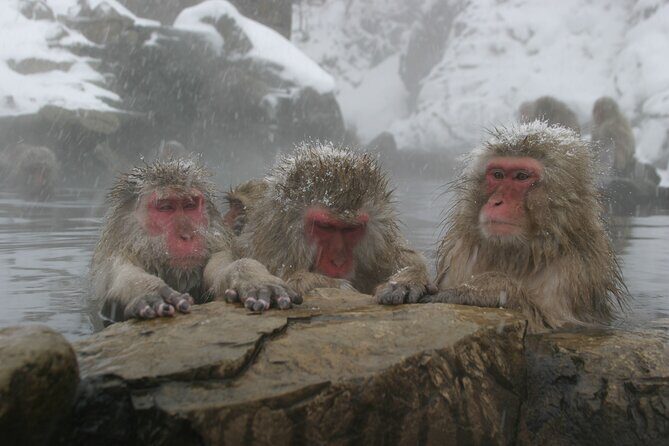
This tour is built like a contrast sampler. You start in Nagano’s food world, where miso isn’t a novelty—it’s a core ingredient tied to washoku. Then you move to Obuse for a relaxed town walk, and finally you climb into the drama of Jigokudani, where macaques use hot springs as a winter strategy.
The miso stop works because it gives you something to watch closely. You’re not just hearing the word miso—you’re seeing a production process and learning why it matters in everyday Japanese meals. After that, Obuse feels like breathing room: streets, history tied to Hokusai, and chestnuts to snack on if you want.
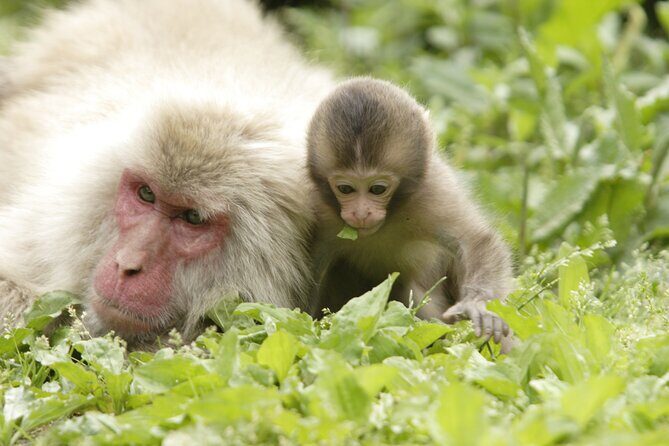
The payoff, though, is Jigokudani. The park is famous, sure. But the bigger value is that you’re going in knowing it changes by season. Winter brings the famous hot-spring soaking. Spring and summer can bring busy baby and young-monkey scenes. You go with expectations that feel realistic, not hype.
A few more Nagano tours and experiences worth a look


Stop 1: the Shioya醸造 miso brewery visit (and why 40 minutes can be enough)
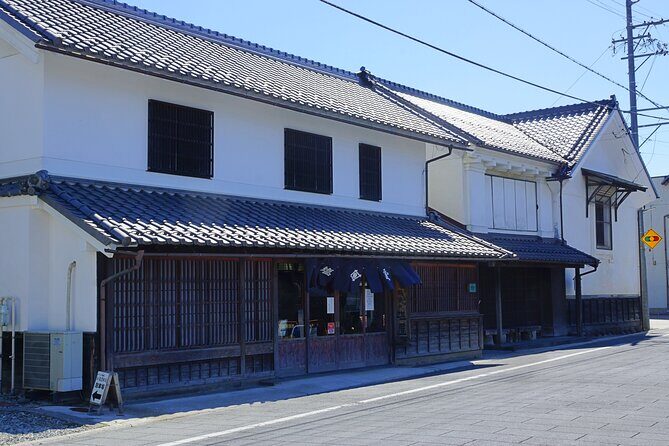
Your day starts with a visit to 塩屋醸造, a historic miso brewery in Nagano Prefecture. The brewery’s background stretches around 300 years, which helps explain why miso-making here is treated like craft—not a casual food demo.
You’ll see the manufacturing process behind a staple ingredient for miso soup. Even if you already know what miso is, watching how it’s made helps you understand why it’s considered part of Japan’s food identity. Miso has been linked with long-running Japanese dietary traditions for centuries, and this stop is framed around that idea.
A key practical note: this first visit is about 40 minutes, and admission is included. So don’t expect a long museum-style walkthrough. Think of it as a focused, guided production look—ideal if you’d rather spend the bulk of the day outdoors at Jigokudani.
Stop 2: Obuse-machi stroll time—Hokusai’s twilight years and chestnut snacks
Next comes Obuse-machi, where you’ll get about 1 hour 20 minutes to stroll on your own. This is your chance to slow down after the structured parts of the day.
Obuse has a couple of hooks that make the walk more than just wandering. It’s connected to ukiyo-e artist Katsushika Hokusai, who spent his twilight years here. It’s also known for chestnuts, so you’ll have an easy, local-food theme to follow during your free time.
One smart way to use this window: treat it like a short neighborhood food hunt. Don’t try to do everything. Pick one snack, take a few photos, and enjoy the street atmosphere without rushing back to the next bus minute.
Also, plan around timing. The day ends around 6:00 pm back at Nagano Station, and many shops close around 5:00 pm. If you choose to ask for an alternate drop near the Nakamise Shopping Street leading toward Zenko-ji Temple, do it with the knowledge that shop hours may be tight.
Stop 3: Jigokudani Monkey Park walk and what you can realistically see
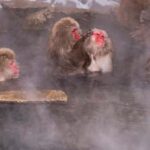
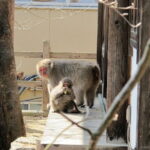
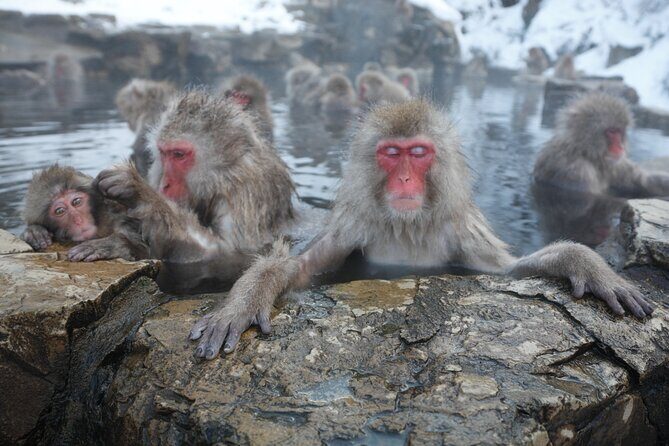
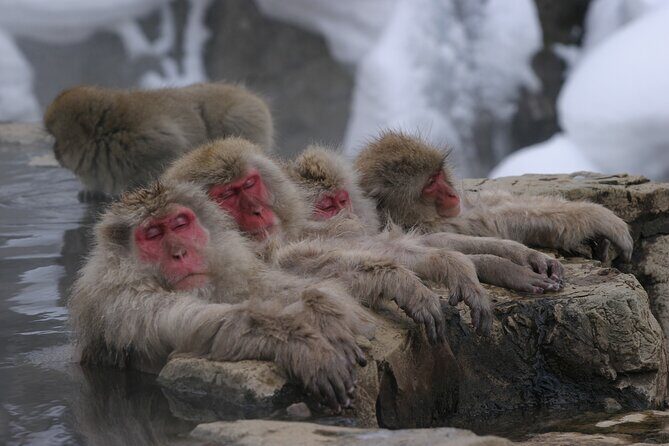
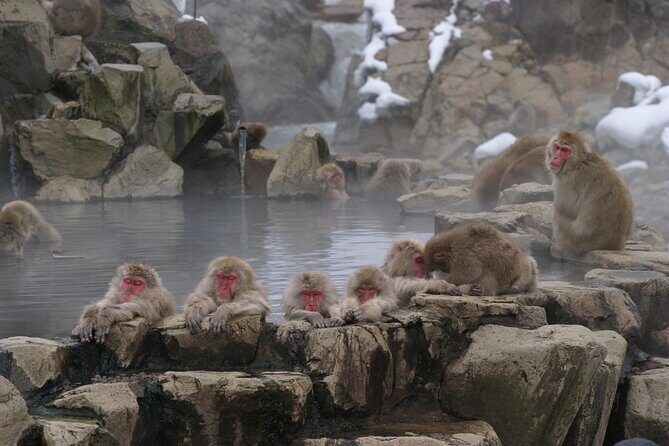
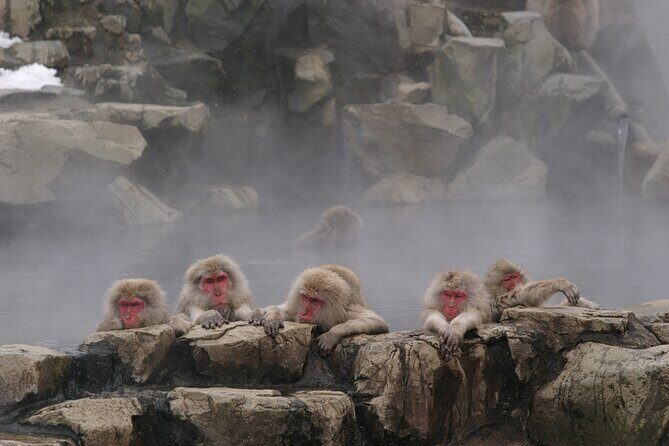
Jigokudani is the star stop: about 2 hours 30 minutes on-site, with the admission fee included. This is where you go for wild Japanese macaques (snow monkeys) in a setting that changes with the season.
The biggest value here is not just seeing monkeys. It’s seeing their behavior as a seasonal routine. In spring and summer, you may catch playful young monkeys and adorable baby moments. In winter, you’re aiming for the iconic hot-spring soaking.
Here’s the realistic part: the monkeys’ hot-spring look can be seen until around March, but it may not show up depending on weather and timing. If you don’t see soaking, refunds aren’t issued for that reason. In other words, you’re visiting the park to observe macaques living their wild life—not to guarantee a single photo scenario.
Also remember the rules that keep the experience safe and respectful. You can’t feed or touch the monkeys, and behavior can be unpredictable. The park may also close suddenly due to weather, seasonal conditions, monkey activity, or other reasons. A full refund applies only if the whole tour is canceled.
The hike reality: winter boots, slippery paths, and how “moderate” feels
This tour includes a hard-walking component. You’ll cover about 50 minutes of walking each way between the Shiga Kogen Roman Museum area and Jigokudani Monkey Park. That’s a lot when you add cold air, altitude, and winter traction problems.
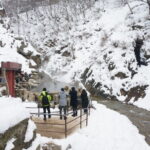
Jigokudani sits around 850 meters above sea level, so temperatures are cooler than on the plain. The walking path can be frozen and slippery in winter, so winter boots or other non-slip footwear are a must.
If you show up underdressed, the guide may suggest renting cold-weather gear from a rental shop near Jigokudani Monkey Park. If that happens, rental costs are on you. This is not a small thing—good traction and warmth keep the day enjoyable instead of stressful.
The tour also says they can’t provide special support for people with trouble walking or for small children. So if you’re already worried about stairs, balance, or long cold walks, it’s worth choosing a different day option.
Tour price: is $176 worth it, and what you actually pay for?
At $176.04 per person, this tour isn’t a budget impulse buy—but it does include a lot of what usually adds up on your own.
You get:
- a nationally licensed English guide-interpreter
- included transportation costs
- included admission fees
- monkey park admission covered
- a full-day plan that strings together miso, Obuse, and Jigokudani
What’s not included is lunch, so you’ll still need to budget for that meal on your own.
So how do you judge value? You’re paying for two things that are hard to replicate smoothly: licensed interpretation and reduced friction. Jigokudani is not the kind of place where you want to wing it with cold-gear questions and route confusion. The guided structure helps you use your time well, especially with seasonal context for monkey behavior.
If you’re the type who enjoys explanations and wants someone to help connect food culture to local life, this price can feel fair. If you’d rather travel totally independently, you might compare it to the cost of train + local buses + admissions + the cost of figuring out the schedule yourself.
The guide matters: small groups and the difference a pro can make
The tour runs with a maximum of 20 travelers. That matters because it keeps the pace more human and makes it easier to ask questions.
The guide-interpreter is also a big deal. You’re not relying on guesswork or pocket translation. In one standout example, a guide named Humiko is described as warm, informative, and tuned into local details. That kind of guidance tends to make both stops better: miso becomes more understandable, and monkey behavior becomes easier to read without turning the visit into a sprint.
A tour with a good guide also helps you handle the day’s small uncertainties. The tour notes that order and arrival times can change depending on road conditions and congestion. A strong guide helps you absorb that without losing momentum.
Finally, keep expectations aligned with the reality of the park: monkeys are wild. Even with the best planning, you can’t control weather or monkey activity. A capable guide helps you keep the experience focused on observation instead of frustration.
Timing, meeting point, and where the day ends
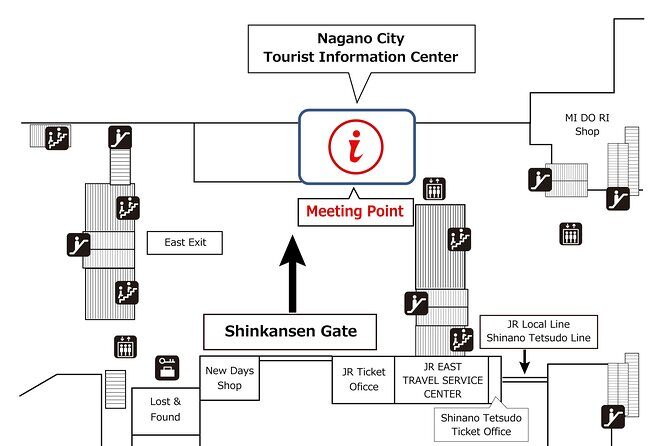
You meet at the Nagano Tourist Information Center (Kurita, 北河原1038-4) around a 9:50 am start. Your tour ends around 6:00 pm at Nagano Station East Exit.
Seats on the bus may not be designated, so plan to show up ready to move efficiently. The tour also mentions you’re near public transportation, which helps if you’re arriving from elsewhere by train.
There’s also an optional detail that can help your evening: you may be able to alight near the Nakamise Shopping Street approaching Zenko-ji Temple. If you want that, you should request it on the day. Just remember many shops close around 5:00 pm, so evening plans after the drop should be simple and flexible.
Who this tour fits best—and who should think twice
This is a strong match if you want:
- a guided day that mixes food culture and nature
- English support from a nationally licensed guide
- a realistic approach to seasonal monkey viewing
- small-group energy (up to 20)
It may be a rougher match if you:
- hate cold-weather walking or aren’t willing to wear traction-friendly boots
- struggle with longer walks, since you’re looking at about 50 minutes each way
- need special physical support, since the tour notes they can’t provide it
- plan to travel with small children, since special support isn’t available
If you’re flexible, dressed well, and want a structured day that feels local, this tour can deliver exactly that.
Should you book this Snow Monkey Park & Miso Day Tour from Nagano?
I’d book it if you want one efficient day that covers Nagano miso culture + Obuse town time + Jigokudani’s wild monkeys without having to stitch logistics together yourself. The best part is that the day isn’t just photo chasing—the miso and Obuse pieces add context, and the guide support helps you interpret what you’re seeing.
I would hesitate if you’re unprepared for winter traction and cold. Jigokudani’s walk is a real physical commitment, and the park’s hot-spring “iconic moment” isn’t guaranteed. Also, lunch is on your own, so you’ll need to plan your food break.
If you’re coming from Tokyo, you’ll likely appreciate the smooth start from Nagano Station and the organized return by early evening.
FAQ
FAQ
How long is the Snow Monkey Park & miso day tour?
The tour runs about 8 hours. It starts at 9:50 am and returns around 6:00 pm to Nagano Station East Exit.
What’s included in the tour price?
The tour includes a national government licensed English guide-interpreter, transportation costs, other admission fees, and monkey park admission. Lunch is not included.
Where does the tour start and end?
You start at the Nagano Tourist Information Center and end at Nagano Station East Exit. You may request to get off near Nakamise Shopping Street approaching Zenko-ji Temple.
Is the guide available in English?
Yes. The tour is led by an English-speaking, nationally licensed guide-interpreter.
How much walking is involved, and how hard is it?
You’ll walk about 50 minutes each way between the Shiga Kogen Roman Museum area and Jigokudani Monkey Park. The tour is described as having moderate physical fitness needs, and it can be slippery in winter.
Do I need warm clothes and non-slip footwear?
Yes. Jigokudani is about 850 meters above sea level, so it’s cooler. The path may be frozen and slippery in winter, so winter boots or non-slip footwear are recommended.
What if I don’t see the monkeys soaking in hot springs?
Hot-spring soaking can be seen until around March, but it may not be visible depending on weather or time. The tour notes no refunds for not seeing it for that reason.
Can I feed or touch the monkeys?
No. The monkeys are wild animals, and you can’t feed or touch them.
What happens if the park closes due to weather?
The park may close suddenly due to weather, seasonal conditions, monkey behavior, or other reasons. The tour notes there may also be sudden cancellation, but a full refund is issued if the tour itself is canceled.
Is lunch provided?
No. Lunch is not included, so you’ll need to plan your own meal during the day.