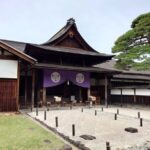
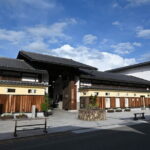
Small museum, big wow factor. Light Museum in Takayama turns a simple visit into a quiet walk through art, history, and natural science—all inside a soothing French limestone space that feels designed for slowing down. You’ll get real variety too: Japanese painting and ukiyo-e side by side with western and contemporary work.
Two things I really like: first, the way the building and exhibition layout make the museum feel like a healing stop, not a rush-job. Second, the mix of fine art with hands-on curiosity topics like fossils and meteorites keeps it interesting for different ages and moods. It’s family-friendly in that you’re not stuck with only one type of exhibit.
One consideration: the visit is listed at about 1 hour, so if you’re expecting a half-day museum, you may find it finishes fast. Also, the hours shown here are limited to Monday (10:00 AM–5:00 PM), so check your travel day carefully.
In This Review
- Key things that make 光ミュージアム worth your time
- A Takayama museum built for calm: French limestone and smart space design
- The four exhibition worlds: art, history, natural history, books
- Art
- History
- Natural history
- Books
- Hikaru Museum highlights: ukiyo-e meets fossils and meteorites
- Ukiyo-e and major Japanese art
- Western painting and contemporary art
- Archaeological materials
- Fossils, meteorites, and other natural history materials
- Your one-hour game plan: how to pace a short museum visit
- Price and value: getting a lot of variety for about $15
- Who should book 光ミュージアム, and who should choose something else
- Should you book this Light Museum stop?
- FAQ
- Where is the Light Museum meeting point?
- How much does this Light Museum experience cost?
- How long does the visit take?
- What are the opening hours shown for this experience?
- What’s included with the ticket?
- Is the museum near public transportation?
- What kinds of exhibits will I see?
- Is it suitable for most people?
- How big are the groups?
- What is the cancellation policy?
Key things that make 光ミュージアム worth your time
- French limestone architecture that makes the whole space feel calm and special
- Four exhibition lanes: art, history, natural history, and books
- Real curiosity content like fossils and meteorites, not just picture galleries
- Ukiyo-e and Hokusai artwork that adds big-name art power to the visit
- Small-group feel with a maximum of 6 people
- Admission ticket included, so you can focus on enjoying the museum
A Takayama museum built for calm: French limestone and smart space design
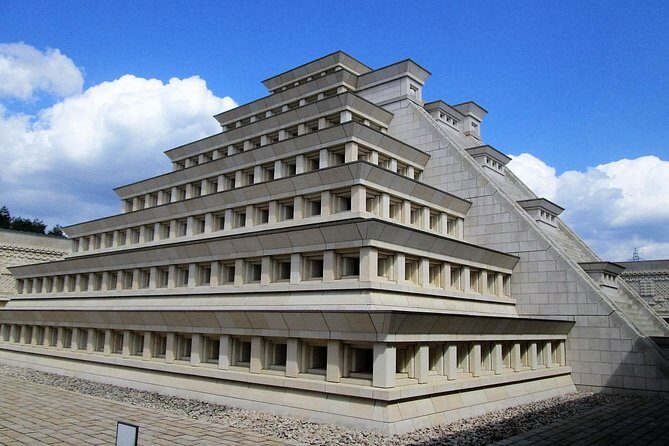
Takayama has plenty of streets worth wandering, but sometimes you want a break that doesn’t feel like you’re waiting around indoors. That’s where Light Museum does something clever. The exhibition is arranged so you naturally move from one themed area to the next, and the space itself helps you settle in. The interior is described as being surrounded by French limestone, and you can feel the intent: this isn’t a noisy, warehouse-style display. It’s more like a quiet room that invites you to look longer.
This matters because museums can go one of two ways for me: either I feel overwhelmed and start speed-walking, or I get to actually read details and notice how things connect. Here, the layout pushes you toward the second option. The room is divided into clear categories, which is great if you like order, and it also helps kids and adults who think differently. If you’re the type who loves art, you get art. If you’re more into science curiosity, you’re not stuck waiting for it.
The museum also promises an experience that works for the whole family. That doesn’t mean everything is kid-only—more that the content mix is broad enough for different interests in the same hour. If you’re traveling with mixed-age group, that’s the kind of practical win that keeps everyone engaged without splitting up.
You can also read our reviews of more tours and experiences in Takayama.



The four exhibition worlds: art, history, natural history, books
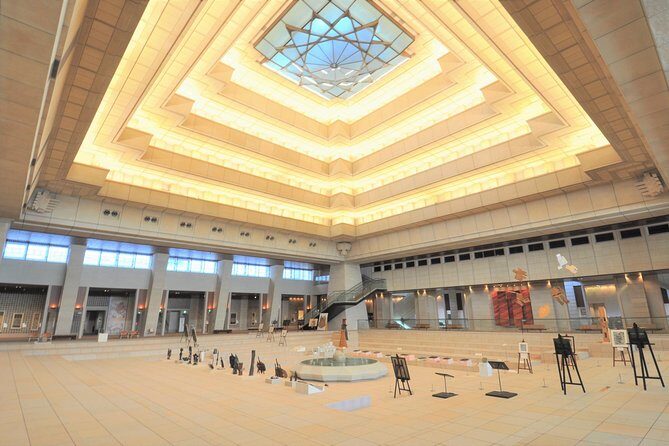
The highlight is the way Light Museum organizes its displays into distinct sections: art, history, natural history, and books. That division is more than just labeling. It creates a rhythm to your visit: look at visual style, then shift gears into older material and context, then move into science-style specimens, then end with the book side of things.
Let’s break down what that means in real terms.
Art
On the art side, you’re not limited to one school. Expect Japanese painting, western painting, ukiyo-e, and contemporary art. You get multiple time periods and styles in one go. The appeal here is that ukiyo-e doesn’t live in a corner—it’s part of a broader art conversation. In the reviews, Hokusai gets a special nod, and it makes sense. When a museum includes major print artists and places them alongside other art forms, it gives you more to compare than just hunting for a single signature work.
History
The history portion includes archaeological materials. Even without a long written explanation trail, you can usually tell that these pieces are meant to add context: what came before, what people used, what was found. For me, this is where the museum becomes more than pretty objects and turns into a learning experience.
Natural history
Natural history is where the museum makes itself feel playful. You’ll see fossils and meteorites, plus other natural history materials. If you like the wow-factor of space rocks or the basic fascination of ancient life, this section is likely to grab you fast. It’s a good counterbalance to the art galleries—more physical curiosity, less visual interpretation homework.




Books
The books category rounds things out. You might find it works like a bridge between art and knowledge: a chance to slow down, read, and connect what you just saw with more detail. Even if you don’t read every label, the presence of books signals that the museum isn’t only about display. It’s also about how people learn and organize knowledge.
Hikaru Museum highlights: ukiyo-e meets fossils and meteorites
The experience centers on what’s listed as Hikaru Museum, and the exhibit topics give you a strong clue about the museum’s personality: it wants to be both artistic and scientifically curious.
Here are the strongest “you’ll actually enjoy this” areas based on what’s included:
Ukiyo-e and major Japanese art
If you come to Takayama for traditional Japanese culture, this is the part that feels most directly connected. Ukiyo-e is one of the most approachable entry points for many people, because it’s visually strong and historically important. In particular, Hokusai comes up in the reviews as a standout. That’s your clue: if you want recognizable names alongside something more off-the-beaten-path, this museum is a smart stop.
Western painting and contemporary art
The mix matters. Japanese art can sometimes feel like a one-lane experience, where your brain gets stuck in one style. By pairing it with western painting and contemporary art, the museum lets you compare approaches to subject and technique. You may not walk out as an expert, but you’ll likely walk out with clearer taste and better questions.
Archaeological materials
Archaeological materials can be a slow-burn section. Some museums dump you into artifacts without context, but when it’s combined with art and science categories, it tends to feel like a chapter in a larger story: how humans lived, what they left behind, what we can learn from objects.
Fossils, meteorites, and other natural history materials
This is the “wait, that’s cool” section. Fossils remind you that time is real. Meteorites bring space into the room in a way that feels immediate. If you’re traveling with kids, this is often the section where attention holds. Even as an adult, it helps reset your brain after galleries and labels.
One more small practical note: because the exhibit runs across so many types of material, you don’t need to read everything to get value. You can skim art labels for style, then spend more time on the science pieces that catch your eye. That flexibility is part of the design.
Your one-hour game plan: how to pace a short museum visit
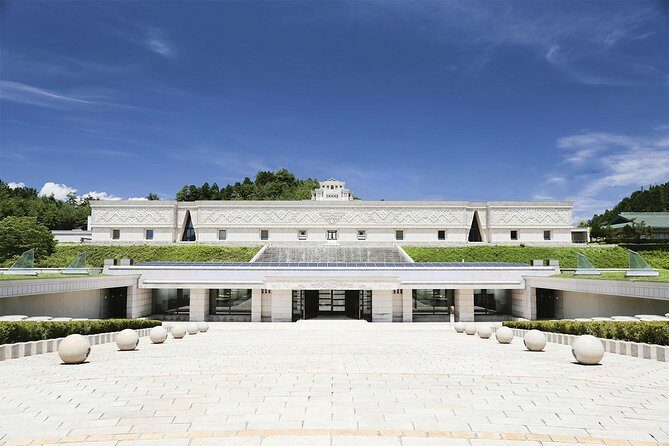
The total duration is listed at about 1 hour, so plan it like a focused stop, not a time-killing mission. For many people, that’s exactly the sweet spot: long enough to see the categories and appreciate the space, short enough to still enjoy Takayama’s streets afterward.
Because it’s organized into art, history, natural history, and books, I recommend a simple pacing method:
- Spend your first 15 minutes getting oriented in the layout.
- Then choose two sections to experience more deeply—usually art plus natural history is a great pairing.
- Use the remaining time to skim the rest without guilt.
Also, the group size is small: a maximum of 6 people. That often means you don’t get pushed through in a frantic wave. Even if you’re traveling solo, you’re likely to feel less crowded and more able to stop and look without shoulders constantly bumping you. Small group can be a major quality-of-life factor in Japan, especially in indoor spaces where space is tight.
Location-wise, you have a specific ticket redemption point: 175 Nakayamamachi, Takayama, Gifu 506-0051. And the museum is described as near public transportation, which is helpful. You won’t want to spend half your time figuring out last-mile logistics when your visit is only an hour.
One timing note you should not ignore: the opening hours listed here show Mondays from 10:00 AM to 5:00 PM for the listed operating period. If your trip day isn’t Monday, check the schedule before you rely on this stop.
Price and value: getting a lot of variety for about $15
The price is listed at $15, and that seems fair when you look at what’s included. Admission ticket is part of the deal, and the content mix is unusually broad for a one-hour stop.
For value, I’m thinking about three things:
- Variety per minute: You’re not stuck in one theme. Art, archaeology, fossils, meteorites, and books means you’re getting multiple kinds of stimulation in the same time window.
- A memorable setting: French limestone architecture isn’t just decorative. A comfortable, beautiful interior changes how long you want to stay, and it also changes how your photos and memories turn out later.
- Fit for mixed interests: If you’re with family, this matters. If you’re with friends who like different things, it still works.
The reviews also point to the value angle directly—people call it a pleasant surprise in Takayama and note good value and worth the trip. The Hokusai mention reinforces another part of value: you’re not only getting niche curiosities. You’re also getting a respected name in Japanese art.
The only reason the price might feel less attractive is if you’re the type who wants a large museum with many hours of content. Here, the whole pitch is short, focused, and varied.
Who should book 光ミュージアム, and who should choose something else
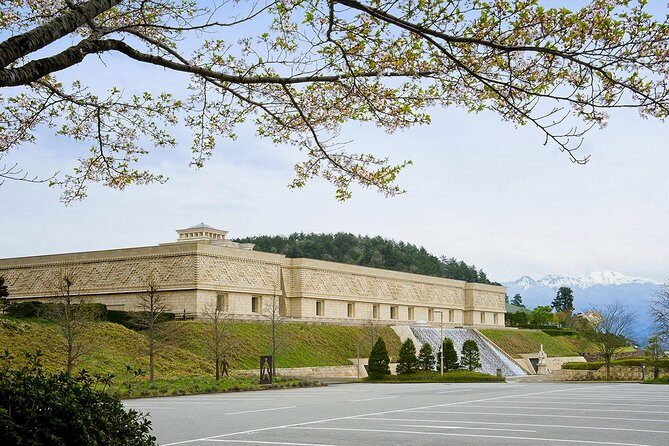
This museum is a strong pick for:
- Families who want one stop that includes art and science-style material
- People who enjoy Japanese art like ukiyo-e, and also want something more surprising than prints alone
- Travelers who like museums but prefer a short visit with a clear structure
- Anyone who appreciates architecture and feels happier in calm interiors than in crowded rooms
This museum might be less ideal if:
- You want a long, deep museum day with lots of galleries and exhibits
- Your schedule can’t handle a Monday visit, since the shown opening hours are Monday 10:00 AM–5:00 PM
My personal “best match” summary is simple: if you like to switch gears—art brain to science brain and back—this is the kind of museum that makes that easy.
Should you book this Light Museum stop?
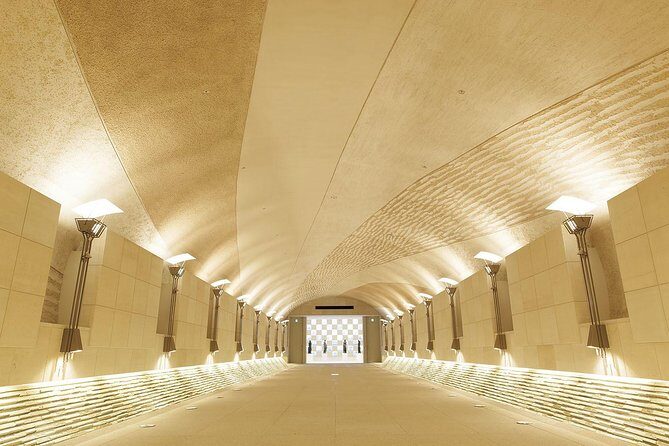
If you’re in Takayama and you want a high-value indoor break with real variety, I’d book it. The French limestone space helps the visit feel special, and the four-part layout keeps it from becoming random. You also get a smart mix of Japanese and western art, plus curiosity anchors like fossils and meteorites. The Hokusai mention in the reviews is a reassuring sign that the art side isn’t just filler.
If your time is tight, this one-hour stop is exactly the kind of add-on that doesn’t hijack your day. If your schedule doesn’t include Monday, pause and verify the hours before committing. And if you prefer big museums where you can wander for hours, treat Light Museum as a focused sampler rather than the main event.
FAQ
Where is the Light Museum meeting point?
The ticket redemption point is 175 Nakayamamachi, Takayama, Gifu 506-0051, Japan.
How much does this Light Museum experience cost?
The price is $15.
How long does the visit take?
The duration is about 1 hour.
What are the opening hours shown for this experience?
For the listed operating period, opening hours are shown for Monday: 10:00 AM to 5:00 PM.
What’s included with the ticket?
The admission ticket is included.
Is the museum near public transportation?
Yes, it’s described as near public transportation.
What kinds of exhibits will I see?
You can expect Japanese painting, western painting, ukiyo-e, contemporary art, archaeological materials, fossils, meteorites, natural history materials, plus books.
Is it suitable for most people?
It’s described as suitable for most travelers.
How big are the groups?
The maximum group size is 6 travelers.
What is the cancellation policy?
Cancellation is free. You can cancel up to 24 hours in advance for a full refund.