REVIEW · KYOTO
Zen Meditation for Life in Kyoto
Book on Viator →Operated by Brian Victoria · Bookable on Viator
Zen starts with one quiet breath. This private 4.5-hour workshop in a traditional machiya house near Nishi Honganji brings Zen meditation teachings close to Kyoto Station—without the big-tour pressure.
What I like most is how structured it is. You get a 90-minute introduction focused on breath and posture, then you actually practice both seated zazen and walking meditation (kinhin).
One heads-up: it’s longer and more information-heavy than a quick temple stop, so go in with an open mind and some patience.
In This Review
- Key things to know before you go
- A Private Zen Workshop in a Machiya House Near Nishi Honganji
- How the 4.5 Hours Flow: Theory, Zazen, Kinhin, and Tea
- Posture, Breath, and Mind Control: What You Actually Learn
- Nishi Honganji Area Logistics: Easy Start, Clear Meeting Point
- The Guided Zazen + Kinhin Sequence (And Why It Helps)
- Tea, a Kyoto Sweet, and Time for Questions
- Coffee and Tea Before and During the Session
- Price and Value: Is $108 Fair for Kyoto Zen Meditation?
- Who Should Book This Private Session (And Who Might Skip)
- Should You Book Zen Meditation for Life in Kyoto?
- FAQ
- How long is the Zen meditation workshop?
- Is this a private experience?
- Where is the workshop held, and how do I get there?
- What meditation types will I practice?
- Can I meditate if I can’t sit in lotus or half-lotus?
- What’s included in the price?
Key things to know before you go
- Private group session with a Zen Buddhist priest, so questions feel natural
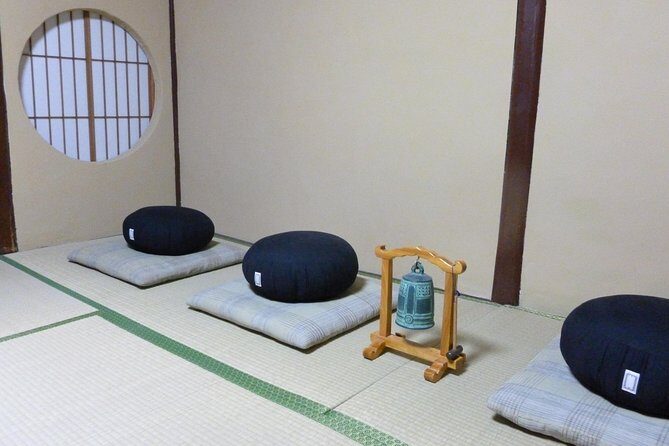
- Machiya setting (traditional Kyoto home) instead of a typical tour classroom
- Seated + walking meditation: zazen periods paired with kinhin breaks
- Posture coaching with options including lotus/half-lotus and a chair
- Tea and a Kyoto sweet included, plus time to ask questions
- Near Kyoto Station with a short taxi or bus ride from the meeting point
A Private Zen Workshop in a Machiya House Near Nishi Honganji
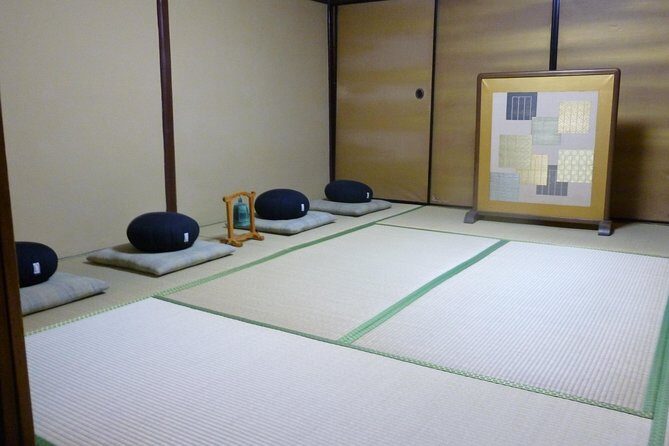
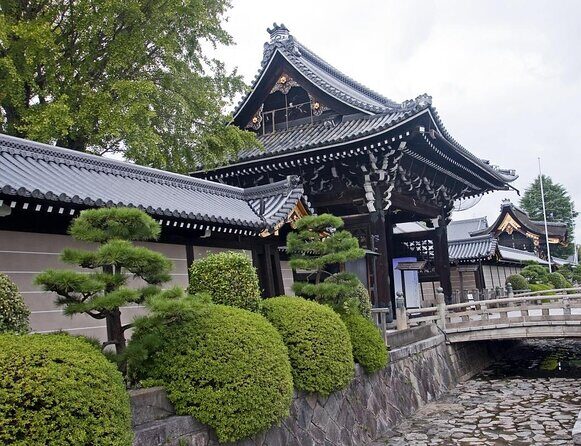
Kyoto can feel like one sacred place after another. Still, this experience is different because it’s built for practice, not sightseeing. You’ll meet near Kyoto Station at Hotel Granvia Kyoto (JR Kyoto Station Central Entrance), then head a short distance to a traditional machiya home close to Nishi Honganji.
The setting matters more than you might expect. A machiya is calm, wood-and-paper quiet, and that kind of atmosphere helps you settle in right away. It also makes the whole thing feel grounded in local life, not staged for tourists.
The instructor leading your session is Brian Victoria. From what’s described, he’s not just teaching meditation technique—he’s also explaining the ideas behind it in a way that connects practice to Japanese Zen culture.
You can also read our reviews of more tours and experiences in Kyoto.



How the 4.5 Hours Flow: Theory, Zazen, Kinhin, and Tea
The day starts in a straightforward way: a thorough introduction to Zen meditation, followed by guided practice. The plan is about 90 minutes of theory and practical instruction, then a meditation sequence, and then a gentle wind-down with tea and a sweet.
Here’s the rhythm you can expect:
- A 90-minute focus on the fundamentals, especially proper posture, breathing, and how meditation works
- Two rounds of about 20 minutes of seated meditation (zazen)
- About 10 minutes of walking meditation (kinhin) between the seated periods
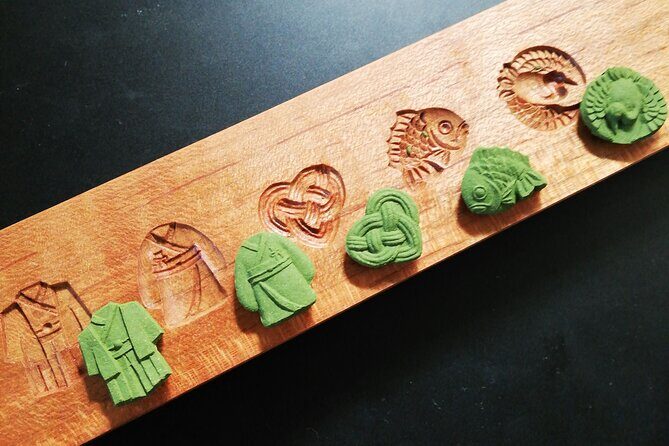
- A 30-minute tea break with green tea and a traditional Kyoto sweet, plus time for questions
Even if the schedule is listed as roughly 4.5 hours, it can run later in real life. One session was reported as starting around 1:30 pm and ending close to 6:00 pm, so I’d build in a buffer for the rest of your afternoon. This is still one of those experiences where time feels like it has a purpose.
Also, you’re not stuck listening the entire time. You’re taught, you try it, then you return to instruction. That back-and-forth is what helps people leave with something they can actually use later.
Posture, Breath, and Mind Control: What You Actually Learn
A lot of meditation experiences focus on the spiritual “vibe.” This one focuses on the mechanics first—especially posture and attention. The key emphasis is on breath and mind control using the right body position for Zen-style mindfulness meditation.
During the introduction, you’ll get coaching on posture options. You can use the traditional lotus or half-lotus positions, but if that’s not realistic for you, you can do the meditation on a chair. That detail is huge for comfort and confidence. If you’ve ever worried that you’re not flexible enough, this removes the barrier.
You’ll also learn what “mind control” means in practice. Instead of trying to force your thoughts away, the guidance centers on how to use breath and posture to steady attention. The goal isn’t performance. It’s learning a method.
One more practical point: the workshop aims to make you feel confident to continue on your own later. That doesn’t mean you’ll become a Zen master by the end of the tea service. It does mean you leave with a clearer sense of what you’re doing and why you’re doing it inside the Zen tradition.
Nishi Honganji Area Logistics: Easy Start, Clear Meeting Point
Getting to the session is pretty manageable. You’ll start at Hotel Granvia Kyoto by the JR Kyoto Station Central Entrance. From Kyoto Station, the meditation hall is about a five-minute ride by bus or taxi.
Public transportation isn’t included, so you should budget for it. The cost listed is ¥240 per person if you’re using transit. If you’re already near Kyoto Station, this is the kind of activity that saves you from trekking across town just to sit quietly.
The best practical strategy: plan to arrive a bit early at the meeting point and take the ride calmly. When you’re headed into meditation, rushing is the enemy. You want a few minutes to settle your body before learning posture and breath control.
The Guided Zazen + Kinhin Sequence (And Why It Helps)
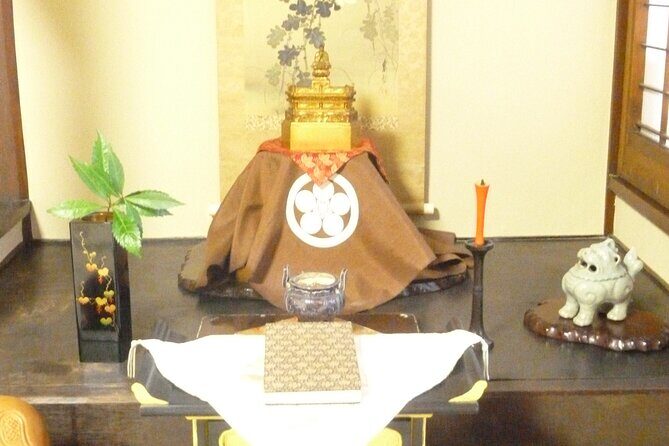
Many people think meditation is only sitting. Zen practice often uses both sitting and walking to train attention in different body states. That’s exactly how this workshop is structured.
You begin with seated meditation (zazen), which is where posture and breath become your anchors. Then you shift to kinhin, the walking meditation. The short walking break is important because it changes the sensory input: you’re still meditating, but you’re not trapped in one position.
That alternation helps you avoid one common problem: treating meditation as endurance. Instead, you’re practicing attention in multiple forms—sitting attention, then moving attention—while still following the Zen discipline.
If chair meditation is part of your plan, that’s okay. The workshop is built to accommodate it, so you can focus on what matters: steady breath and controlled attention, not fighting your body.



Tea, a Kyoto Sweet, and Time for Questions
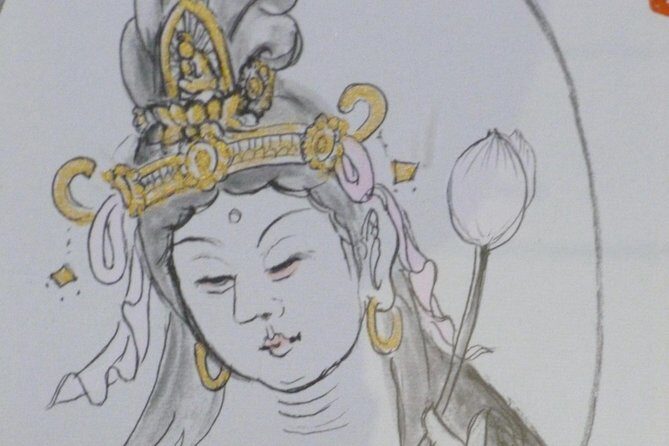
The workshop ends with a calmer social rhythm. You’ll have green tea and a traditional Kyoto sweet included in the price. The tea part isn’t a random add-on. It’s time to let your mind stop scanning for what comes next.
You also get a chance to ask questions during this final stretch. That’s one of the best parts of private instruction: you can clarify the parts that felt confusing without worrying about holding up a large group. If you’re the kind of person who likes to understand the “why” behind a practice, this helps.
You’ll likely leave with more than just instructions. You’ll have context for how Zen meditation developed and what it’s meant to do for the practitioner.
Coffee and Tea Before and During the Session
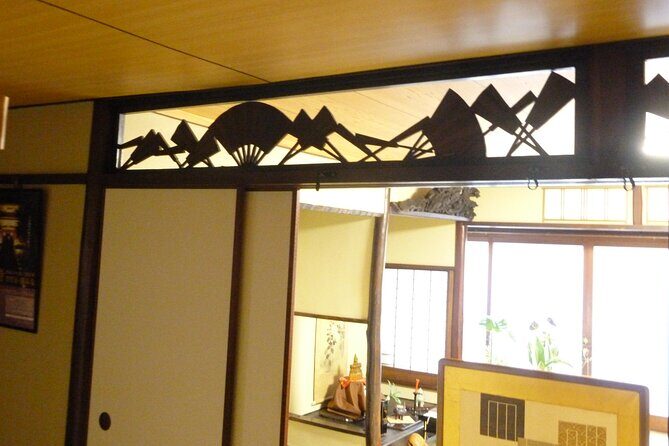
The experience includes drinks during your visit, including coffee and/or tea. Even if you’re not a caffeine person, having a hot drink before practice can make the session feel more human and less sterile.
This also helps you arrive more comfortable. If your afternoon in Kyoto has been a mix of temple wandering and walking, a drink can smooth the transition into a quieter mental practice.
Price and Value: Is $108 Fair for Kyoto Zen Meditation?
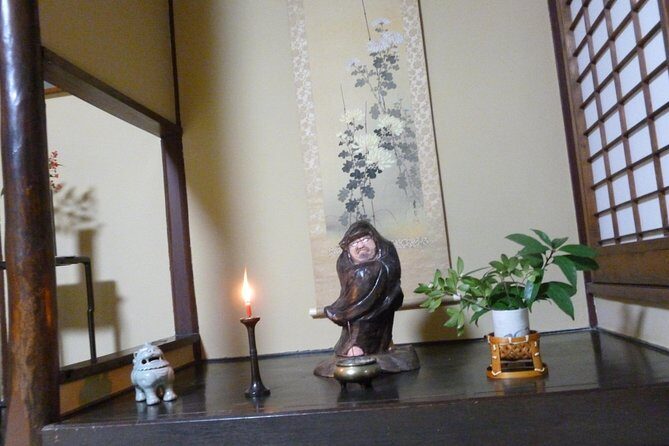
At $108, this isn’t a bargain-basement activity. But it also isn’t priced like a generic group tour where you’re paying for transport and a script.
You’re paying for:
- A private experience for just your group
- Instruction from Brian Victoria
- A structured 90-minute theory-and-practice intro
- Guided seated and walking practice (zazen and kinhin)
- Drinks, plus tea and a Kyoto sweet at the end
For a short course style experience, private teaching in a spiritual setting can be worth it because the attention is focused. If you’re traveling with someone and you want one meaningful shared activity that isn’t another checklist stop, the value tends to improve.
If you’re looking for a passive, purely sightseeing afternoon, this may feel like “too much practice for the time.” But if you want something real and useful—something you can repeat at home—this price starts to look more reasonable.
Who Should Book This Private Session (And Who Might Skip)
This is a strong fit if you:
- Want an authentic-feeling Zen meditation lesson in a Kyoto setting
- Prefer a private group format over big-class tourism
- Care about posture, breath, and the practical method, not just the concept
It may be less ideal if you:
- Want your afternoon packed with temples and photos
- Get overwhelmed when given a lot of instruction at once
The good news is that chair meditation is available. That makes it more accessible than many tradition-heavy workshops where comfort can become a dealbreaker.
Should You Book Zen Meditation for Life in Kyoto?
If you’re curious and calm-minded, I think this is one of the better ways to spend an afternoon in Kyoto. The private format, the machiya setting, and the structured combination of theory plus zazen and kinhin gives you a complete experience rather than a quick taste.
Book it if you want something you can carry home. The session is designed so you can keep meditating on your own afterward, with an understanding of Zen meditation’s purpose inside the tradition.
Skip it if your main goal is sightseeing and you don’t want a long, instruction-heavy block. For that kind of day, there are plenty of temple and garden options. For a practice-focused afternoon, this one fits beautifully.
FAQ
How long is the Zen meditation workshop?
The experience is listed at about 4 hours 30 minutes. In practice, it may run longer (one session was reported as starting around 1:30 pm and ending close to 6:00 pm).
Is this a private experience?
Yes. It’s a private tour/activity with only your group participating.
Where is the workshop held, and how do I get there?
You start at Hotel Granvia Kyoto at the JR Kyoto Station Central Entrance. The meditation hall is a short five-minute bus or taxi ride from Kyoto Station, near Nishi Honganji temple.
What meditation types will I practice?
You’ll be guided through both seated meditation (zazen) and walking meditation (kinhin), with seated sessions broken up by walking meditation.
Can I meditate if I can’t sit in lotus or half-lotus?
Yes. The workshop mentions you can meditate either in lotus/half-lotus positions or on a chair if that’s more comfortable.
What’s included in the price?
The workshop includes coffee and/or tea, and it ends with green tea and a traditional Kyoto sweet. Public transportation is not included (listed as ¥240 per person).
If you’d like, tell me your travel dates and whether you’re meditating-friendly or totally new—I can suggest the best way to fit this into a Kyoto day schedule without rushing.