REVIEW · SAPPORO
Hokkaido Noboribetsu Lake Toya, Otaru Panoramic Tour From Sapporo
Book on Viator →Operated by TREVOPEDIA · Bookable on Viator
Hokkaido, packed into one full day. This Sapporo panoramic tour strings together the thermal drama of Noboribetsu, the calm of Lake Toya in Shikotsu-Toya National Park, and the classic street atmosphere of Otaru. You also get time near Oyunuma Pond and the Showa Shinzan area, plus a winter option for Otaru’s glowing Snow Light Path Festival.
I love how this trip gives you a fast, practical feel for southern Hokkaido. Organization shows up early: pickup is set from Sapporo Station North Square at 8:00am, and the day is structured around specific stops with short transfer time windows. I also like the variety—sulfur steam one moment, big lake views the next, then canal-side wandering in Otaru.
One consideration: you spend a lot of hours in the vehicle, and some buses have felt small and tight to certain riders. If you’re sensitive to cramped seating, you may want to plan for that and pack comfort items.
In This Review
- Key points you’ll care about
- A full-day south Hokkaido circuit from Sapporo Station
- Jigokudani Hell Valley and Oyunuma Pond: sulfur steam in under two hours
- Lake Toya time: why this caldera stop feels like a payoff
- Showa Shinzan area and the bear ranch: decide based on your comfort level
- Otaru canal wandering: glass art, music boxes, and that old-port feeling
- Price and logistics: does $120 feel fair?
- What makes the guides matter on this tour
- If rain or snow hits: how to adjust your expectations
- Who this tour fits best (and who should choose another plan)
- Should you book it?
- FAQ
- How long is the tour and when does it start?
- Where is the meeting point in Sapporo?
- Is the ticket digital?
- What’s included in the price?
- What extra fees should I plan for?
- How much time do I get at major stops?
- Is the Otaru Snow Light Path Festival part of the tour?
Key points you’ll care about
A tight 9–10 hour loop that covers Noboribetsu, Lake Toya/Usu area, and Otaru from Sapporo
Thermal sights first (Jigokudani and Oyunuma) before you get the calmer lake time
Lake Toya gets real time (about 2 hours) so you’re not just driving past it
Bear ranch costs extra and can be emotional, so decide early how you feel about it
Otaru is the payoff for atmosphere with the canal area plus music box and glass options
A full-day south Hokkaido circuit from Sapporo Station
This is a long day, and it’s built for people who want to see more than one region in a single trip. The tour runs about 9–10 hours total, starting at 8:00am from Sapporo Station North Square (3-chōme-12–2, Kita 7 Jōnishi). The itinerary is designed as a loop: you go south, hit the key sights, then end back at the same meeting point.
There’s a simple advantage to this structure: if you don’t want to coordinate trains, rental cars, or connections across wide distances, this tour does the heavy lifting. You’re not just visiting one city—you’re moving through the zones that define southern Hokkaido’s variety, from volcanic action to lake scenery to a historic port town.
The group size cap is 40, which usually means you’ll be more comfortable than the giant factory-bus tours, but the reality still depends on the vehicle used that day. Some riders have described the bus as notably cramped, and others have loved how smooth the day felt. So I’d think of this as a “big sights, fast pace” day, not a slow scenic cruise.
You can also read our reviews of more tours and experiences in Sapporo.


Jigokudani Hell Valley and Oyunuma Pond: sulfur steam in under two hours
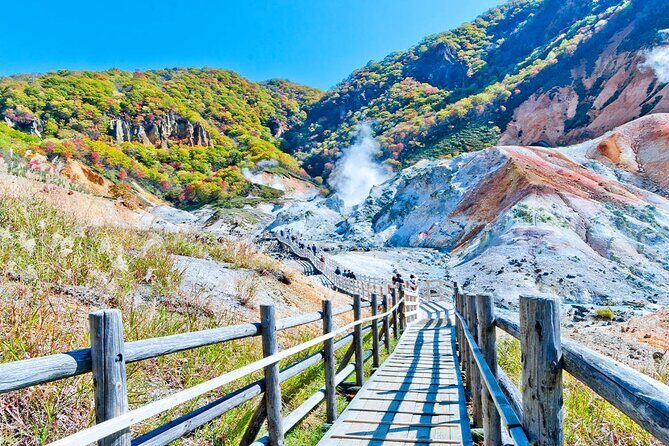
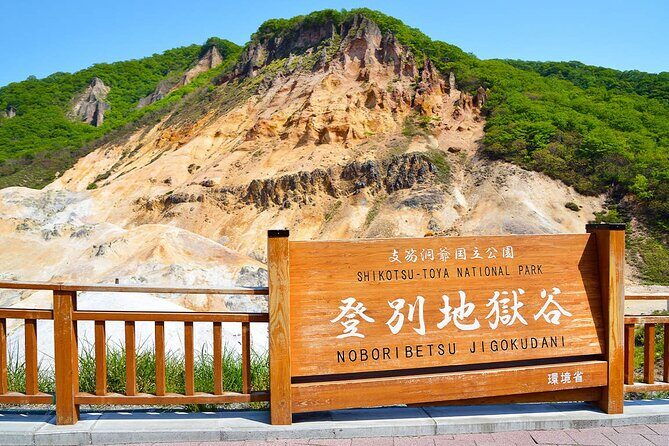
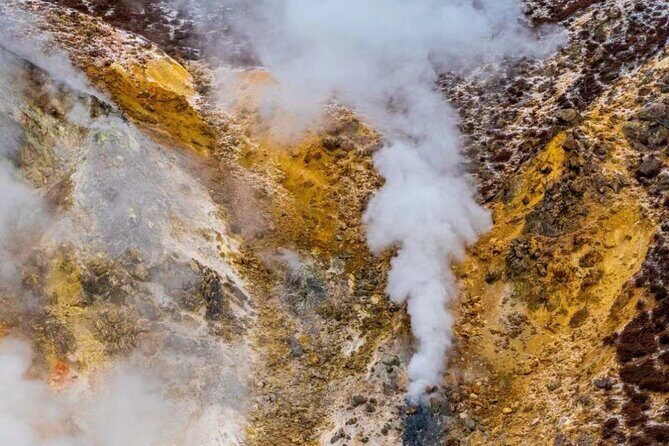
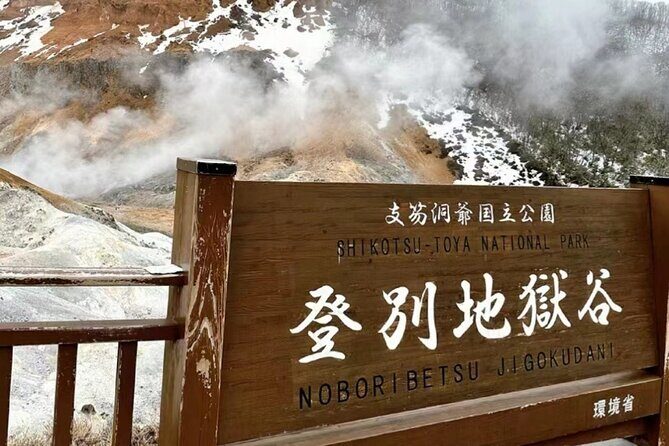
Your day begins with Jigokudani, also known as Hell Valley. You get about 1 hour 20 minutes here, and the admission is listed as free. This is one of Hokkaido’s signature experiences because it’s not just a viewpoint. You walk through an area where geothermal activity makes the air feel alive—steaming vents, sulfur smells, and boiling-looking sulfur ponds are the main visual language.
Then it’s on to Oyunuma Pond, about 30 minutes, also listed as free. This is a volcanic pond associated with hot sulfur springs and the remnants of eruption activity. If Hell Valley feels loud and dramatic, Oyunuma often feels more like a still moment—same geothermal theme, but the energy shifts toward the pond’s color and the sense of place.
Practical tip: wear shoes you can walk in comfortably. You’ll want stable footing because these areas can be wet and uneven, especially in cooler months.
Also, if you’re picky about sound (or you like hearing explanations), pay attention to how the guide’s microphone setup works in your vehicle. Some groups reported that audio coverage wasn’t great from the back seats, which can make the guided parts feel thinner.
Lake Toya time: why this caldera stop feels like a payoff
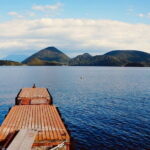
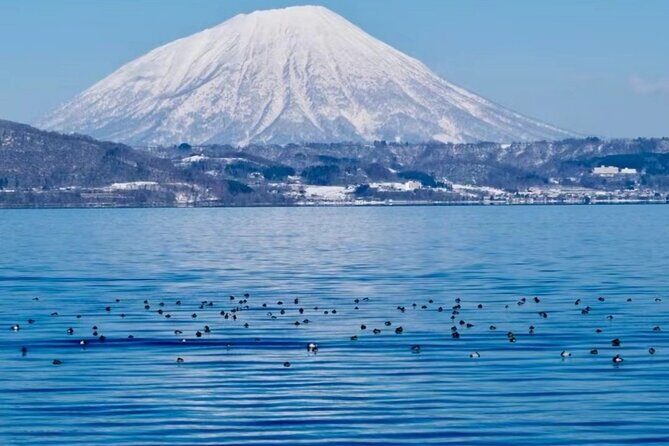
Lake Toya is the heart of the calm part of the day. You’ll have around 2 hours here, and the stop time is where the itinerary slows down just enough to feel like more than a sightseeing checklist.
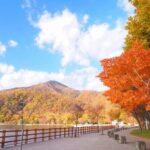
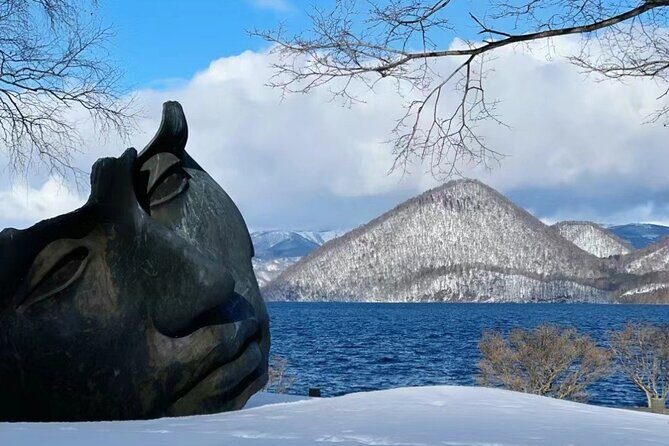
Lake Toya sits in Shikotsu-Toya National Park as a caldera lake, and the tour description notes that it’s often misty. That matters because the atmosphere can change fast. On clear days, you’ll see the lake’s shape and the surrounding hills. On misty days, you often get a softer, dreamier look that still feels special—like the scenery is turning cinematic in real time.
Then there’s an additional Lake Tōya stop listed for about 20 minutes. That short add-on typically functions like a quick viewpoint or a second chance to look at the lake from a slightly different angle. It’s not long, but it can be useful if your first lake moment is more crowded or if the weather shifts.
From a value perspective, I like that Lake Toya gets time you can actually use. A lot of day tours give you a token stop at the big lake and then move on. Here, you’re given enough minutes to walk a bit, take photos, and not feel like you’re sprinting.
Showa Shinzan area and the bear ranch: decide based on your comfort level
The Showa Shinzan portion is tied to the bear ranch near the entrance of the Showa Shinzan ropeway area. You get about 2 hours, but the admission is not included. The listed bear ranch entrance fee is ¥850 per person, and the extra admission note also mentions Showa Shinzan access as an additional cost (listed around $5).
This stop is the one I’d treat as a personal decision point. Some people find it fascinating; others find it emotionally heavy. If you’re the type who prefers wildlife in natural settings, you may feel the visit isn’t the same experience as seeing animals free in the wild.
Also, practical detail: at least one rider report indicates cash-only entry can be the reality at the bear ranch. So I’d carry some yen just to avoid stress—especially since lunch and snacks aren’t included and you may want extra spending flexibility.
If you’re hoping to add the ropeway experience up to the summit area, remember the overall schedule is tight. The tour can feel like it’s built around fixed time blocks; you might want to plan ahead mentally and accept that ropeway time may not be guaranteed unless it fits within the given structure that day.
Otaru canal wandering: glass art, music boxes, and that old-port feeling
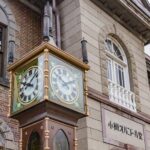
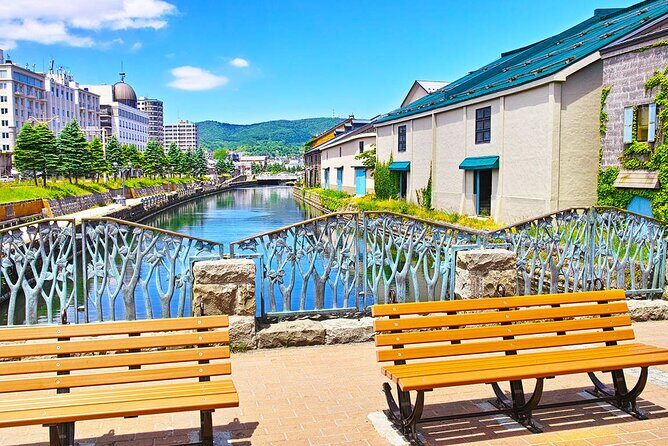
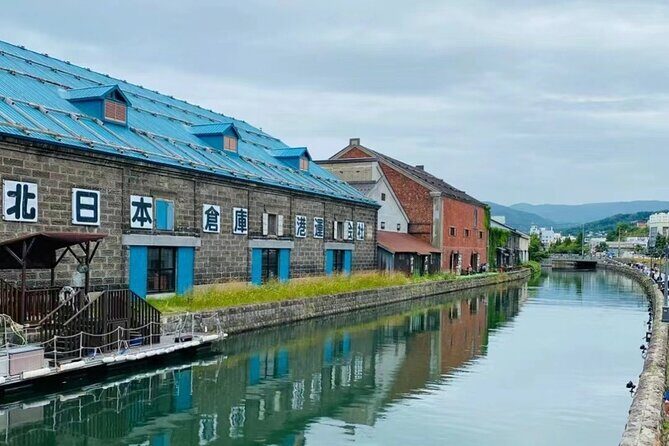
After the lake and bear stop, the day ends in Otaru with about 50 minutes allocated to the town. You’ll walk through the canal-area vibe with historic warehouses and streets that feel distinctly European-influenced compared with many parts of Japan. This portion is short, so think of it as a guided taste of Otaru’s atmosphere rather than a full deep visit.
This stop includes options you may recognize right away:
- Kitaichi Glass (glass art store)
- Otaru Music Box Museum (music-box themed museum)
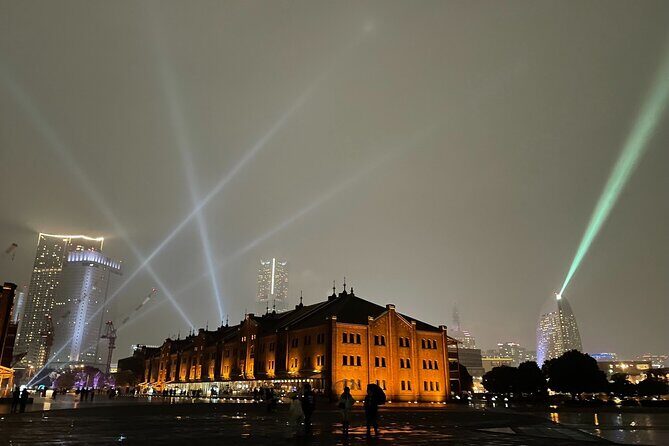
In winter, the tour description notes that you might experience the Otaru Snow Light Path Festival, with glowing snow sculptures and lantern displays. If your travel dates overlap, that’s a major reason to pick this tour over a regular summertime version, because Otaru’s evening lighting changes the whole mood.
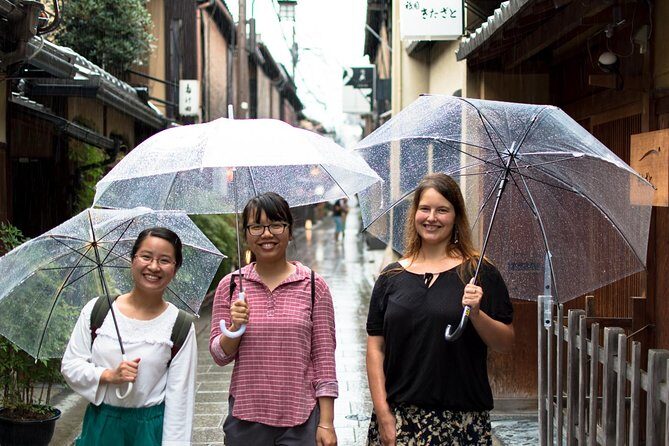
One note from real-world conditions: some people have found that rain can affect what you can do around the canal area. If you’re booking with the specific goal of a canal cruise, keep your expectations flexible and bring a light rain layer.
My advice for Otaru time: decide before you go what you want most—glass, music boxes, or simply walking the canal streets for photos. With only 50 minutes, trying to do everything usually turns into stress, not enjoyment.



Price and logistics: does $120 feel fair?
At $120 per person, this tour is priced like a “transfer + multiple major sights” package. The key value question is what’s included and what isn’t.
Included:
- Round-trip transfers from Sapporo
- The major time blocks at Jigokudani, Oyunuma, Lake Toya, Lake viewing time, and the Otaru town stop are listed as free at those points
Not included (extra):
- Bear ranch admission (listed ¥850)
- Showa Shinzan and Bear Ranch admission is also noted as not included (around $5)
- Food: lunch isn’t indicated as included, and at least one rider report says the lunch area can have limited choices
So you’re paying for convenience and route planning across distances you’d otherwise need to coordinate. For first-timers who want a big sampler pack of southern Hokkaido, it can feel like good value—especially because the itinerary is built around places that are harder to stitch together on your own in a single day.
The main “hidden cost” isn’t just money—it’s time and comfort. If you’re prone to getting uncomfortable in buses, the long day can reduce the overall value. On the flip side, if you love structured days and don’t want to worry about transit, the price feels more justified.
What makes the guides matter on this tour
The tour experience can swing based on the guide on the day. Names that have come up include Jay and Sophia.
When the guide works well in multiple languages, the day feels like a real walkthrough, not just drop-off time. Some groups praised clear instructions and a smooth flow, and they highlighted that the driver was careful. When audio or mic setup isn’t good, or when the guide has less time for deeper English explanations, you may feel the “tour” part is lighter than expected.
There’s also a recurring theme in negative feedback about shopping-focused stops. One report described the guide as very focused on a duty-free shop, and another criticized feeling like the day became a shopping route instead of a nature-centered experience. That doesn’t mean it will happen to you, but it does mean you should mentally prepare to say no to purchases if you’re not interested.
If you want to shop, great—know that you’ll have opportunities. If you don’t, treat the shopping moments as optional sightseeing, and keep your plan anchored on the outdoor stops you came for.
If rain or snow hits: how to adjust your expectations
Weather in Hokkaido can change fast, and the tour is marked as requiring good weather. In winter or snowy conditions, delays can happen and schedules can shift.
Some riders reported that heavy snowfall caused delays but still managed to keep the core experience intact. That tells me the itinerary is designed to adapt, but it may not be exact minute-for-minute in bad conditions.
How you should respond as a traveler:
- Dress for wind and cold even if the forecast looks mild
- Bring layers you can adjust at thermal areas and in the vehicle
- Keep one flexible mindset for canal-area activities in rain
Who this tour fits best (and who should choose another plan)
This tour is a strong fit if you:
- Want a first-timer sampler of southern Hokkaido
- Prefer guided structure over figuring out transportation
- Like variety—geothermal sites, lake views, then a town with shopping and museums
- Travel with limited time in Sapporo and want to be back by dinner
You might want a different plan if you:
- Hate cramped bus seating and long rides
- Strongly prefer wildlife in natural habitats (bear ranch is a personal comfort choice)
- Want slow, deep time in Otaru (50 minutes is a taste, not a full visit)
- Book expecting the guide to manage every detail in a long, narrative style (some experiences have felt more drop-and-walk)
Should you book it?
I’d book this tour if you’re aiming for a high-coverage day that reduces logistics stress and gives you a real sense of southern Hokkaido in one go. The best version of this trip is when the guide is organized, the day stays on schedule, and you’re excited to switch gears: sulfur steam → lake calm → Otaru’s old-port streets.
I’d pause and consider something else if comfort and pacing are your top priorities. The day is long, the bus can feel tight, and the most emotional stop (the bear ranch) might not match your travel style.
If you do book, come prepared: bring some yen for the bear ranch, wear good walking shoes for thermal areas, and decide what you want most in Otaru so the short stop feels fun, not rushed.
FAQ
How long is the tour and when does it start?
The tour lasts about 9 to 10 hours and starts at 8:00am.
Where is the meeting point in Sapporo?
You meet at Sapporo Station North Square, 3-chōme-12–2 Kita 7 Jōnishi, Kita Ward, Sapporo.
Is the ticket digital?
Yes. The tour uses a mobile ticket.
What’s included in the price?
The price includes round-trip transfers. Other admissions and personal expenses are not included.
What extra fees should I plan for?
Admission to Showa Shinzan and the Bear Ranch is not included, and the Bear Ranch entrance fee is ¥850 per person.
How much time do I get at major stops?
You get about 1 hour 20 minutes for Jigokudani, 30 minutes for Oyunuma, about 2 hours at Lake Toya, about 20 minutes at Lake Tōya, and about 50 minutes in Otaru.
Is the Otaru Snow Light Path Festival part of the tour?
In winter, the tour description says you can experience the Otaru Snow Light Path Festival, with glowing snow sculptures and lantern displays, if your dates match the festival period.