REVIEW · TOKYO
ENJOY-ALL-SHINJUKU《Red Light District Walking》with DEEPest info!
Book on Viator →Operated by OMOIDE JOURNEY JAPAN · Bookable on Viator
Shinjuku looks simple. It’s not. This 1.5-hour Shinjuku and Kabukicho walking tour is built for people who want the real context behind the neon: what’s going on, what locals actually do there, and how to move through the area with confidence. I like that you get photo help from a Japanese local guide plus a set of stops that goes beyond the usual tourist path.
Two things I especially like: you’ll hear guide-led stories behind Shinjuku sights, and you’ll get practical “where to go next” recommendations that connect food, drinks, and culture to the places you’re standing in. One drawback to consider: it’s a walking tour in a busy nightlife district, so if you’re hoping for a calm, daylight-only stroll, the pace and vibe may not feel for you.
In This Review
- Key Things You’ll Get From This Shinjuku Red Light District Walk
- Why Shinjuku Feels Different With a Guide (and a Photo Plan)
- The photos are more than souvenirs
- Meeting at Shinjuku Tourist Information Center and Getting Oriented Fast
- The 90-Minute Route: What Each Stop Adds to the Story
- Omoide Yokocho: Where the guide sets the tone
- Kabukicho: The big district context
- Godzilla Road & Head: Pop culture seen through local eyes
- Shinjuku Golden Gai: Small spaces, big personality
- Shinjuku Kabukicho Noren Street: Follow the locals’ flow
- Hanazono Shrine: A break from the noise
- Don Quijote Shinjuku Kabukicho: Night shopping energy
- Toho Cinemas Shinjuku: Ending on pop-culture gravity
- Photo Help and Hidden Souvenirs: Why This Is Better Than DIY
- Value Check: Is $25.04 Worth It?
- Guides and Pace: Fast, Friendly, and Built for Questions
- Who Should Book This (and Who Should Rethink It)
- Should You Book This Shinjuku and Kabukicho Walking Tour?
- FAQ
- How long is the Shinjuku Red Light District walking tour?
- What is the meeting point for the tour?
- Where does the tour end?
- What stops are included during the walk?
- Is Kabukicho District entry included?
- Are photos included?
- What else is included besides the guide and photos?
- Are meals or drinks included?
- Is an air-conditioned vehicle included?
- What languages are available?
- Do I need good weather for this experience?
- What is the group size?
- Can I cancel for a refund?
Key Things You’ll Get From This Shinjuku Red Light District Walk

- Local stories, not just street names: the guide explains what you’re seeing and why it matters.
- Photo stops every time it’s worth it: you’ll get help capturing the moments in spots locals know.
- A quick route with a lot of stops: designed for short on time days while still feeling guided.
- Kabukicho area time with context: you get entry/admission included for the Kabukicho District.
- Small-group feel (with a cap): up to 10 in practice, with a maximum of 20.
Why Shinjuku Feels Different With a Guide (and a Photo Plan)

If you’ve only seen Shinjuku from the train platforms and the famous viewpoints, you already know the problem: Tokyo can feel like information overload. This tour is a practical fix. Instead of wandering and guessing, you follow a guide who knows how to frame the area—history, culture, and the everyday logic behind where people go at different times.
The “REAL information” promise matters here. The guide isn’t just reciting trivia. You’re encouraged to ask questions while you walk, and the tour is positioned as your shortcut to understanding how Japan shows up away from the typical postcard stops. That question-friendly approach is especially useful if you’re curious about daily life, food choices, and nightlife etiquette, not just landmarks.
You can also read our reviews of more walking tours in Tokyo
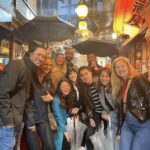
The photos are more than souvenirs
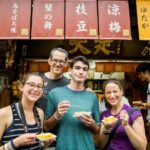
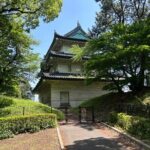
There’s a reason the tour includes photos during the walk. In an area like this, you’ll often find yourself saying afterward, I should’ve taken that shot. With photo help from the guide, you’re more likely to leave with pictures that actually match what you were experiencing in the moment.
Meeting at Shinjuku Tourist Information Center and Getting Oriented Fast
You’ll start at the Shinjuku Tourist Information Center (3-chōme-37-2 Shinjuku, Shinjuku City, Tokyo 160-0022). It’s a sensible place to begin because it’s easy to reach and gives you a “Tokyo anchor” before you head into the busier streets.
This tour is also timed to keep things moving: plan on about 1 hour 30 minutes. That matters because Shinjuku is one of those places where an extra hour can accidentally turn into a full wrong-turn adventure. Being with a group and guide helps you get your bearings fast—and then use the rest of your day with less confusion.
One practical note: this walk includes no air-conditioned vehicle. Since it’s focused on walking, you’re basically banking on weather and comfort rather than expecting transport comfort.
The 90-Minute Route: What Each Stop Adds to the Story

The itinerary moves through a stack of Shinjuku and Kabukicho locations, with photo moments built in. The bigger value isn’t any one photo spot—it’s the way the guide connects each area to the idea of Tokyo beyond the surface.
Omoide Yokocho: Where the guide sets the tone
You start at Omoide Yokocho. Even if you’re not sure what you’re looking at yet, this opening stop is where the guide’s “REAL Japan” approach starts to click: you’re not only seeing a place, you’re learning how to interpret it. If you’re new to Tokyo nightlife areas, this first leg is key for comfort and confidence.
Practical tip: arrive ready to ask questions early. The best tours are often built on what you ask in the first 10–15 minutes.





Kabukicho: The big district context
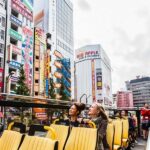
Next is Kabukicho. This is the area that can overwhelm people who try to explore solo. With a guide, you get the context that helps you understand the logic of what you see—why certain streets draw crowds, how people move through the neighborhood, and what to focus on if you want a safer, more informed experience.
Also, entry/admission for the Kabukicho District is included, which reinforces that this isn’t just a casual walk-by.
Godzilla Road & Head: Pop culture seen through local eyes
Then you’ll pass through Godzilla Road & Head. This stop works because it ties a recognizable pop-culture marker to the surrounding reality of Shinjuku—how a famous visual becomes part of the local street experience, not just a photo background.
If you like photo stops, this is usually where you’ll want to slow down and take the guide’s positioning advice. The tour explicitly includes photos during the walk, and this kind of icon stop is often perfect for that.
Shinjuku Golden Gai: Small spaces, big personality
You’ll also stop at Shinjuku Golden Gai. This location is known for atmosphere, but the real benefit on this tour is how the guide frames what you’re seeing and how to think about the neighborhood’s identity. It’s a good place to ask for “what to do next” advice, because the guide’s recommendations are built to help you keep going after the tour.
Shinjuku Kabukicho Noren Street: Follow the locals’ flow
The tour continues to Shinjuku Kabukicho Noren Street. Noren-style street details can be hard to appreciate if you’re just rushing for photos. With the guide, you get help understanding what you should notice and how to interpret the area in a way that doesn’t feel like you’re staring at a theme park.
This stop is also a good moment to ask: what’s the difference between a place that looks interesting and a place you should actually go to?
Hanazono Shrine: A break from the noise
After the nightlife-heavy streets, the itinerary includes Hanazono Shrine. That switch in setting is valuable. It gives you a contrast point and a way to understand Shinjuku as more than just neon entertainment. Even when you don’t know shrine etiquette, a guided stop can help you navigate without feeling clueless.
Don Quijote Shinjuku Kabukicho: Night shopping energy
You’ll then visit Don Quijote Shinjuku Kabukicho. This kind of stop is useful because it anchors the tour in real Tokyo rhythm: day and night life overlap here. It’s also the kind of place where your guide’s practical recommendations can become actionable for the rest of your evening.
Toho Cinemas Shinjuku: Ending on pop-culture gravity
The walk ends at Toho Cinemas Shinjuku and returns to the meeting point. A cinema stop makes a nice final note because it connects to Tokyo’s entertainment culture beyond the nightlife streets. When the tour closes, you’re not just leaving with photos—you’re leaving with a clearer map of what the area offers.
Photo Help and Hidden Souvenirs: Why This Is Better Than DIY

Plenty of tours say photos. This one builds it into the experience. You’ll get photos taken during the tour, including pictures at places the guide says locals know. That’s not just for bragging rights—good photos help you remember details you might otherwise forget, especially when the streets look busy and similar at first.
You’ll also receive hidden souvenirs as part of the tour. The note with this is simple but smart: it’s tied to food appreciation, so you’re not coming home with a random trinket. You’re coming home with something that keeps the Japan experience going after the trip.
If you’re a solo traveler, this can be a big deal. When you’re alone, street exploration can become “look, walk, repeat.” With guide-led photo moments and a guided pace, you get a story-shaped trip even in just 90 minutes.
Value Check: Is $25.04 Worth It?

At $25.04 per person for about 1 hour 30 minutes, this is priced like a “do it once” Tokyo add-on rather than a full-day commitment. So the real question is what you get bundled in.
Here’s the value math as it matters to you:
- You’re paying for a Japanese local guide who shares stories and recommendations while you walk.
- Photos are included during the tour, with guide help on capturing the memories.
- Kabukicho District entry/admission is included.
- You’ll get hidden souvenirs.
When a tour includes guide-led context, it changes what those same streets mean to you afterward. If you’ve got limited time in Tokyo, this becomes a high-leverage use of an evening window.
Also worth noting: the tour uses a mobile ticket and group discounts may apply, so check what the final booking screen says for your specific date.
Guides and Pace: Fast, Friendly, and Built for Questions

One theme from the guide praise is that the tour moves quickly but stays fun and informative. Names that came up clearly in feedback include Manaka, Dan, Suemi, and Aki. What matters for you isn’t the name alone—it’s the message behind it: guides are seen as a good mix of facts and personality, and the experience can feel like it passes quickly because it’s engaging.
The pace is also an asset. If you try to DIY Shinjuku and Kabukicho, it’s easy to waste time circling the same blocks or missing what’s relevant. With a guided route, you get multiple stops in a compact window.
One consideration: if you dislike nightlife districts at all, the route includes Kabukicho, Golden Gai, and related streets. It’s not a museum tour, and the area reflects that.
Who Should Book This (and Who Should Rethink It)

This tour is a great fit if:
- You want a short, well-structured introduction to Shinjuku and Kabukicho.
- You’d rather ask questions than stumble through street meaning on your own.
- You care about leaving with photos plus food-focused recommendations.
This may be less ideal if:
- You’re seeking a quiet, daytime tour.
- You’re uncomfortable in busy nightlife areas.
- You want a slow, sit-and-stare pace with long stops at each location.
The sweet spot is travelers who want to understand what they’re seeing and then keep exploring afterward with sharper instincts.
Should You Book This Shinjuku and Kabukicho Walking Tour?

I’d book it if you only have a limited amount of time and you want your evening in Shinjuku to feel guided, not random. The combo of photo help, local stories, Kabukicho-area context, and practical recommendations makes this a strong use of 90 minutes.
I’d hesitate if you’re sensitive to nightlife vibes or want a calmer experience. Also, because it’s a weather-dependent walk, plan for conditions that keep you comfortable.
If your goal is to see more than the obvious and come away feeling confident about where to go next, this is one of the easier wins in Tokyo.
FAQ
How long is the Shinjuku Red Light District walking tour?
It runs for about 1 hour 30 minutes.
What is the meeting point for the tour?
The start point is Shinjuku Tourist Information Center, 3-chōme-37-2 Shinjuku, Shinjuku City, Tokyo 160-0022, Japan.
Where does the tour end?
It ends back at the meeting point.
What stops are included during the walk?
The tour includes Omoide Yokocho, Kabukicho, Godzilla Road & Head, Shinjuku Golden Gai, Shinjuku Kabukicho Noren Street, Hanazono Shrine, Don Quijote Shinjuku Kabukicho, and Toho Cinemas Shinjuku.
Is Kabukicho District entry included?
Yes. Entry/admission for the Kabukicho District is included.
Are photos included?
Yes. Photos are taken during the tour at locals-know places.
What else is included besides the guide and photos?
Hidden souvenirs are included.
Are meals or drinks included?
No. Meals and drinks are not included. The information also notes there is no need to pay for meals and drinks to the guide.
Is an air-conditioned vehicle included?
No. Air-conditioned vehicle is not included.
What languages are available?
Spanish, Italian, and Korean are available if you contact them before booking for another language.
Do I need good weather for this experience?
Yes, it requires good weather.
What is the group size?
It can accommodate up to 10 people, with a maximum of 20 travelers.
Can I cancel for a refund?
Free cancellation is available. You can cancel up to 24 hours in advance for a full refund.