Snowy coast views can steal your whole trip. This day tour strings together three standout scenes around Toyama Bay: Amaharashi Coast for the mountains’ winter look, Takaoka’s famous Big Buddha, and a short Shō River cruise where the valley changes with the season.
What I like most is the pace with built-in pauses: you get real free time at Amaharashi and Takaoka, not just a drive-by. I also really appreciate the small-group feel, with a cap of 20 people, and the energy of the English-speaking guides (one from Scotland and the other from Northern Ireland, in the runs I looked at).
One thing to consider is lunch. It isn’t included, and you’ll be in motion most of the day, so you’ll want a plan for when and where you’ll eat between the guided stops.
In This Review
- Key things I’d bet on before you go
- The Sea-to-Mountains Story Behind This Route
- Price and Value for a Full 8.5 Hours
- Finding the Group at Kanazawa Station (Without Stress)
- Amaharashi Coast: Mountain Snow Views and a Poet’s Footprints
- Takaoka Stop: Big Buddha and Edo-Era Maeda Presence
- Shō River Cruise: The Valley View That Works in Every Season
- How the Timing Works for a Calm One-Day Plan
- What I Think Makes the Guides Matter Here
- Seasons and Weather: When This Tour Feels Best
- Who This Tour Fits Best (And Who Might Skip It)
- Should You Book This Kanazawa Day Tour?
- FAQ
- What stops are included on the tour?
- How long is the tour, and what time does it start?
- Is lunch included?
- How big is the group?
- Is the guide English-speaking?
- Can I cancel and get a full refund?
Key things I’d bet on before you go
- Amaharashi Coast views of snow-covered mountains (especially striking in winter)
- Takaoka’s Big Buddha visit inside a historically minded stop in Takaoka
- Shō River cruise with included roundtrip ticket time on the water
- Small group size (maximum 20) that keeps the day calm
- English-speaking guide during Amaharashi, the Big Buddha stop, and the cruise portion
- Mobile ticket convenience plus free time built into the schedule
The Sea-to-Mountains Story Behind This Route
This route makes sense because it matches how the region is meant to be seen: ocean first, then the mountains that dominate your horizon, then the river valley that connects it all.
Toyama Bay is known for fresh seafood and big mountain scenery. Amaharashi Coast is one of the easiest ways to take that in without needing special logistics of your own. Then Takaoka adds a cultural anchor with the Maeda family’s Edo-period presence felt through local landmarks and architecture.
Finally, the Shō River cruise works as a slow reset. You’re not changing trains or hunting parking; you’re just taking in the valley while the guide helps you understand what you’re seeing. If you want variety without a chaotic day, this one-day plan is a good match.
You can also read our reviews of more tours and experiences in Kanazawa.

Price and Value for a Full 8.5 Hours
The price is $199.37 per person for about 8 hours 30 minutes, and that number feels more reasonable when you look at what’s bundled.
You’re getting transportation to and from Amaharashi, Takaoka Big Buddha, and the Shō River cruise, plus the cruise roundtrip ticket. There’s also an English-speaking guide and guided time at each main stop. In other words, you’re paying for fewer self-managed pieces and less time figuring things out.
What you’ll still pay separately: lunch, and getting to the Kanazawa Station meeting point. If you already have a morning buffer in Kanazawa and you’re happy to let someone else handle routing, this is the kind of day tour that can feel like good value.
Finding the Group at Kanazawa Station (Without Stress)
You meet at Kanazawa Station, outside the Shinkansen ticket gates, in front of the information center. If you’re walking out from the gates, look forward and to the right; there are four large sumo wrestlers lined up there, which makes the meetup easier than it sounds.
The start time is 9:00 am, and the tour ends back at the same meeting point. That roundtrip structure matters because it means you don’t have to plan your return logistics after the cruise.
Tip: arrive a few minutes early. Even if the meeting point is clear, you’ll still want a quick look at the group and the day’s plan before you’re herded onto buses and vans.
Amaharashi Coast: Mountain Snow Views and a Poet’s Footprints
Amaharashi Coast is the “wow” stop on this itinerary, and the timing and temperature matter here. The area is famous for views of the snow-covered mountains—and when winter weather locks in, you can see why this spot is repeatedly referenced in local historical records.
You’ll spend about 1 hour at Amaharashi, and the pace is built for photos and strolling. The tour includes guided context at the coast and then free time so you can decide how long you want to linger on the seawall-side viewpoints.
A unique detail I’d keep in mind: the coast appears in historical references tied to the poet collections often linked to the Man’yōshū. That matters because it’s not just a scenic spot; it’s also a place people have described for centuries, which helps you notice what draws attention here in the first place—both the mountains’ outline and the feeling of open space toward the sea.
Possible drawback: Amaharashi is weather-dependent. If it’s rainy or foggy, your mountain views may be muted. The good news is the tour still gives you guided time and free time, so you’re not rushing through something you can’t see.
Takaoka Stop: Big Buddha and Edo-Era Maeda Presence
After Amaharashi, the tour heads into Takaoka, where you’ll have about 2 hours. This stop is less about a single photo spot and more about a historically grounded feel—Takaoka was the second city of the Maeda family and their wide domains during the Edo period.
The featured landmark is the Big Buddha. You’ll get guided time there, plus time to experience it at your own speed. That balance is key: the guide helps you understand the place, and then you decide how long you want to take in the scale, the surroundings, and the slower atmosphere that comes with a landmark like this.
What I like about Takaoka in this day plan is that it gives your eyes a break from ocean brightness and mountain mist. The Buddha stop acts like a cultural palate cleanser. And because there’s free time included, you can also choose to browse local streets and architecture around the landmark area without feeling like you’ll miss the bus.
One practical note: since lunch isn’t included, Takaoka may be when you’ll want to grab food. Plan a simple strategy—either eat during your free time there or look for a place near where you’re most likely to be waiting when the group reconvenes.
Shō River Cruise: The Valley View That Works in Every Season
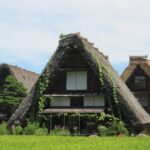
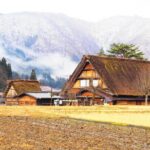
The final scenic anchor is the Shō River cruise. Once lunch is finished and the group regroups, you head toward the valley area and spend about 2 hours total for the cruise portion.
This cruise is included with a roundtrip ticket, and the tour provides guided commentary during the cruise plus free time as part of the experience. From a pacing standpoint, it’s smart: you finish with something that doesn’t require climbing stairs, finding viewpoints, or matching train times.
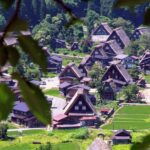
The Shō River connection is tied to the mountain town of Gokayama, which helps explain why this valley feels like a “bridge” between places. Even if you don’t know the geography beforehand, you’ll understand it better while you’re actually seeing the river corridor.
Seasonal expectations are part of the appeal:
- Winter: snow around the water and mountains
- Summer: cooler air and greener valley tones
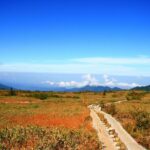
- Autumn: red leaves shaping the hillsides
If you’re going during snow season, this is the type of day tour where the weather turns into a highlight instead of a problem.
How the Timing Works for a Calm One-Day Plan
This is a long day, roughly 8.5 hours, but it doesn’t feel like a nonstop sprint because each main stop is paired with free time.
- Amaharashi Coast: guided start, then about 1 hour of your own time
- Takaoka: guided Big Buddha experience, then about 2 hours overall
- Shō River cruise: guided during the ride plus included cruise time
That structure matters when you’re dealing with Japanese buses and group timing. You’re not constantly waiting to move, and you’re not constantly moving when you should be looking.
Also, the group size cap (maximum 20) helps a lot. Big tour buses can feel crowded fast, but with this ceiling you can usually find space to stand for photos and listen without shouting over everyone.
What I Think Makes the Guides Matter Here
The tour lives or dies on guide quality, and this one has a clear advantage: English-speaking guides who lead at Amaharashi, the Big Buddha stop, and during the cruise.
In the runs I checked, the guides included one from Scotland and another from Northern Ireland. That kind of international-English background often means clearer pacing and more helpful explanations, especially when you’re listening to place-based history while you’re standing outdoors.
Here’s what that means for you: you’ll understand what you’re looking at at each stop, instead of just receiving a list of sights. And because there’s free time at multiple points, you can ask the guide quick questions while you’re there—then you’ll know where to focus your own exploring.
Seasons and Weather: When This Tour Feels Best
The region around Toyama Bay can look very different through the year, and this tour is built for that. The coast and mountains are the headliner, so your best results come when visibility is good.
In late winter, snow turns Amaharashi and the cruise valley into a more dramatic picture. In the winter run I saw described, the snow along the coast and on the cruise was amazing, and the day didn’t feel overly crowded or stressful. That’s exactly what you hope for with a one-day plan: weather that adds magic, not misery.
In summer, the valley shifts toward vivid green and a cooler feel. Autumn brings red leaves that can make the river setting feel like it’s framed in color.
Practical tip: bring layers. Even if you start warm, coastal and river areas can feel colder once the bus ride ends.
Who This Tour Fits Best (And Who Might Skip It)
This is a strong fit if you want:
- Sea views plus mountain scenery in one day
- A structured day without heavy self-planning
- Guided context for Amaharashi and the Big Buddha
- A cruise that ends the day with a slower pace
You might consider another option if:
- You’re hoping for a fully food-centered day. Lunch isn’t included, and the schedule prioritizes sightseeing.
- You want total control over timing. This one runs to a set day plan, with group reconvening points and guided segments.
Overall, it’s a good match for couples, friends, or solo visitors who like mixing iconic photos with a bit of local meaning.
Should You Book This Kanazawa Day Tour?
I’d say book it if your priorities match the route: Amaharashi Coast mountain views, Takaoka Big Buddha, and a Shō River cruise that changes with the season. The pricing makes more sense when you value what you’re not managing yourself—transportation plus the cruise ticket plus English guide help at each key point.
I would only hesitate if you know you can’t handle a long day, or if lunch planning will be a hassle for you. Otherwise, the combination of scenic variety, small group size, and guided explanations makes this a solid, practical way to see more of the Toyama Bay and Northern Alps region from Kanazawa.
FAQ
What stops are included on the tour?
You’ll visit Amaharashi Coast, the Takaoka Big Buddha area, and then take the Shō River cruise. You also start and end at Kanazawa Station.
How long is the tour, and what time does it start?
The tour is about 8 hours 30 minutes and starts at 9:00 am.
Is lunch included?
No. Lunch is not included.
How big is the group?
The tour has a maximum of 20 travelers.
Is the guide English-speaking?
Yes. The tour includes an English speaking guide, with guided time at Amaharashi, the Takaoka Big Buddha, and during the Shō River cruise.
Can I cancel and get a full refund?
Yes. You can cancel for a full refund if you cancel at least 24 hours before the experience’s start time.