REVIEW · OSAKA
From Osaka: Kyoto, Nara, Fushimi Inari & Arashiyama Day Tour
Book on GetYourGuide →Operated by TAIHOU CO,LTD · Bookable on GetYourGuide
Deer bows before your eyes in Nara. I really like the up-close Nara Park deer-feeding moment and the walk through the Fushimi Inari thousand torii gates. One thing to keep in mind: it’s a long, active day with a fair amount of walking, and time at Nara can run longer during busy periods.
I also love that the afternoon gives you space to slow down in Arashiyama—especially the bamboo grove area—and then reset your feet at the Arashiyama Station footbath. Optional upgrade ideas like the Sagano Romantic Train route can add scenery if you want it, but they’re extra on top of the tour price.
You’ll start early from Nipponbashi (meet 7:50AM, depart 8:00AM). Expect a shared group day, and on weekends/holidays traffic can affect timing and even the order of stops.
In This Review
- Key highlights that make this tour worth your day
- The big idea: a lot of Kyoto and Nara in one organized day
- Nara Park deer feeding: the moment you’ll actually remember
- Fushimi Inari Taisha: walking the thousand gates without losing your footing
- Arashiyama after lunch: bamboo grove vibes plus free time to choose your rhythm
- Torokko Saga Station and the train option: scenery you can add
- Feet check: Arashiyama Station footbath and free time to recover
- Kimono Forest lights at Arashiyama Station: a photo stop that works day or night
- The guide makes or breaks a day like this: Yang and Jack as examples
- Pace and timing: how the day actually feels
- Price and value from Osaka: what you’re really paying for
- What to bring (and what not to): the stuff that keeps the day fun
- Who this tour suits best (and who should skip it)
- Should you book this Osaka-to-Kyoto-Nara day tour?
- FAQ
- Where do we meet for the tour?
- How long is the tour?
- What languages are offered?
- Is the Sagano Romantic Train included?
- Are meals included?
- What should I bring for the day?
- Is food allowed on the bus?
- Do I need cash?
- Is it wheelchair accessible?
Key highlights that make this tour worth your day
- Nara Park deer feeding: gentle, free-roaming deer that react to deer crackers
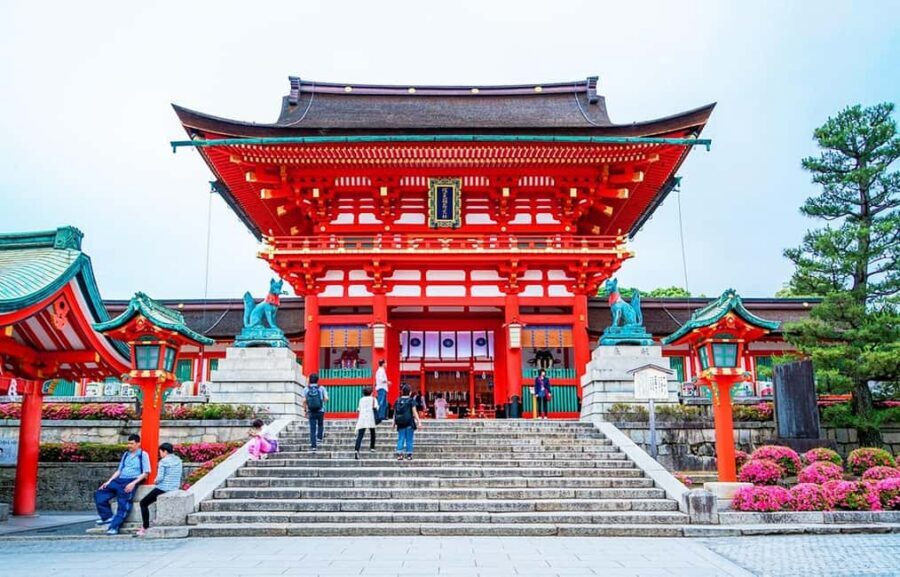
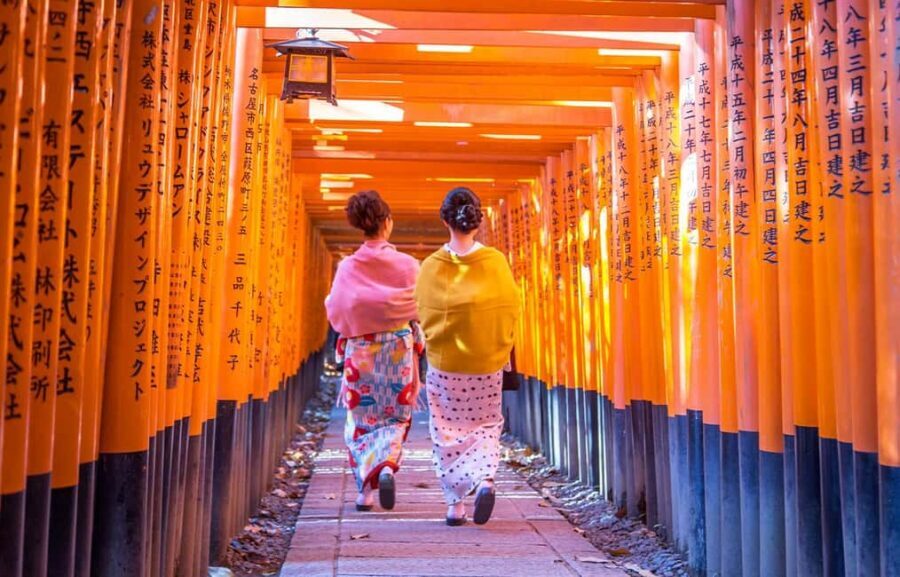
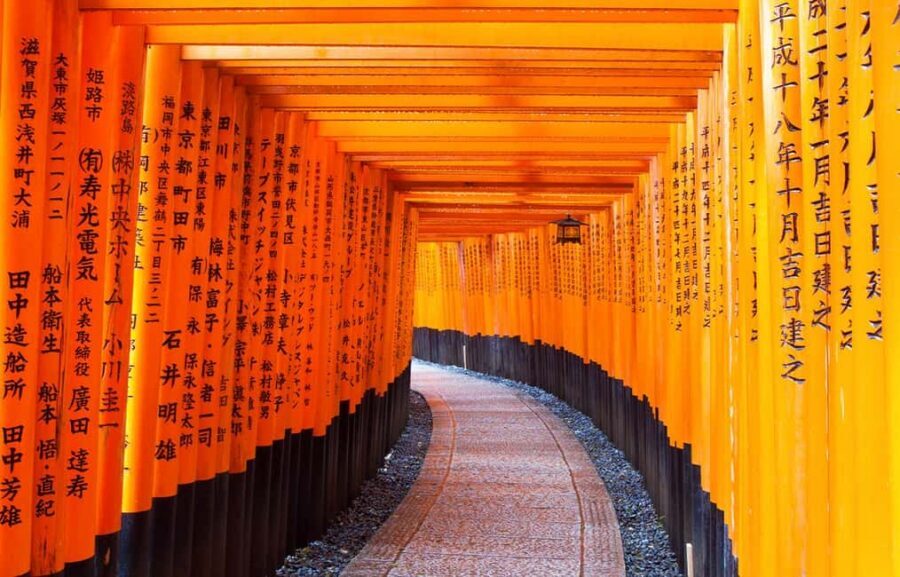
- Fushimi Inari thousand torii gates: a classic red-gate walk up the mountain path
- Arashiyama bamboo grove: the famous bamboo experience in Kyoto’s scenic west side
- Arashiyama Station footbath: a simple, satisfying reset after hours on your feet
- Kimono Forest at Arashiyama Station: photo-friendly glowing textile light poles
- Guide-led flow and practical help: English/Japanese/Chinese support, plus helpful photo offers from Yang
The big idea: a lot of Kyoto and Nara in one organized day
If you want the headline sites without spending your day figuring out trains and transfers, this is a solid format. You get round-trip air-conditioned bus service from Osaka, a multilingual guide, and enough structure to hit Nara Park, Fushimi Inari, and Arashiyama in a single day.
The value shows in what’s included: transportation with expressway tolls and fuel cost, parking fees, and a professional driver. Meals aren’t included, but the rest of the “how do we get there and where do we meet” headaches are handled for you.
The tradeoff is energy. This is not a sit-and-stare tour. You’ll be walking at multiple stops, and the exact order/durations can adjust if roads get busy.
You can also read our reviews of more tours and experiences in Osaka.

Nara Park deer feeding: the moment you’ll actually remember
Nara Park is famous for one reason: the deer are right there. You’ll have about an hour for a photo stop and sightseeing walk, and the star of the show is the chance to feed the sacred, free-roaming deer with deer crackers.
Here’s what to expect in real life. The deer approach calmly and often look expectant, like they’re waiting for you to do the correct thing. They’re photogenic, and you can get great shots of close-ups without needing a special ticketed attraction.
One small consideration: because animals are involved, this tour isn’t suitable if you have an animal allergy. Also, don’t plan on rushing—this stop is where people slow down naturally, because the deer interaction is the point.
Fushimi Inari Taisha: walking the thousand gates without losing your footing
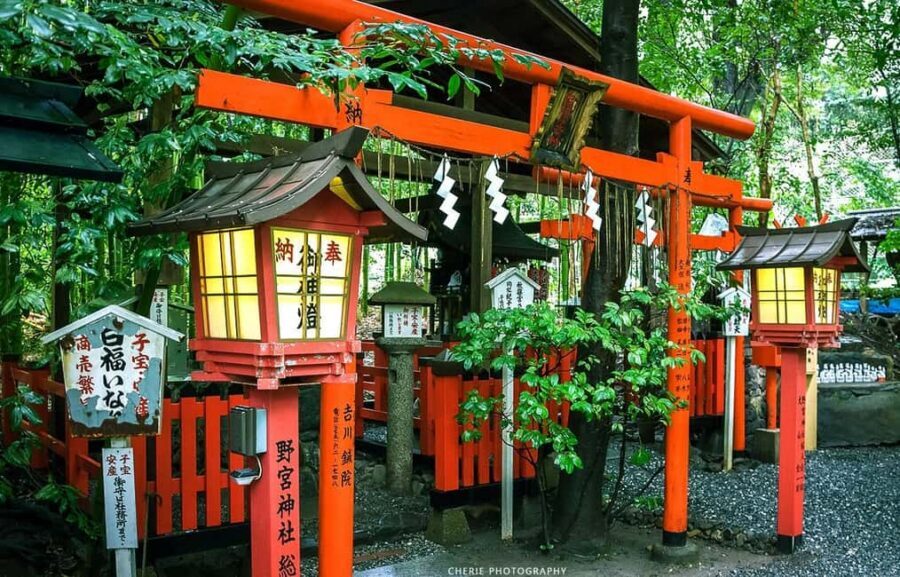
Fushimi Inari Taisha is the kind of place where you understand why people keep returning. You’ll get around 80 minutes there with a guided tour and sightseeing time, and your main experience is walking through the famous line of red torii gates that climbs Mount Inari.
What makes this stop special is that it’s not just a single viewpoint. You’re moving through space that changes as you go—each step shifts the perspective, and the gates feel like they keep extending.
Practical tip: wear shoes you can trust for uneven stone and lots of walking. Even if you don’t go far up the mountain path, you’ll still cover enough ground that comfort matters. If you come from Osaka expecting a quick stop, this one can surprise you.
Arashiyama after lunch: bamboo grove vibes plus free time to choose your rhythm
After Nara and Fushimi Inari, the day shifts west into Arashiyama. You’ll have about 2.5 hours here for a photo stop and sightseeing, and the area is a mix of temples, streets, and scenery that changes with the season.
The headline experience is the Arashiyama bamboo grove. You’ll get a bamboo forest photo stop, which is timed as part of the overall Arashiyama block. Even with limited time, it’s the kind of place where you stop walking for a moment because the view does the work.
If you like choosing your own pace, this is the segment to do it. The tour gives you free time elements, so you can decide how long you want to linger at the bamboo area versus other nearby sights.
Torokko Saga Station and the train option: scenery you can add
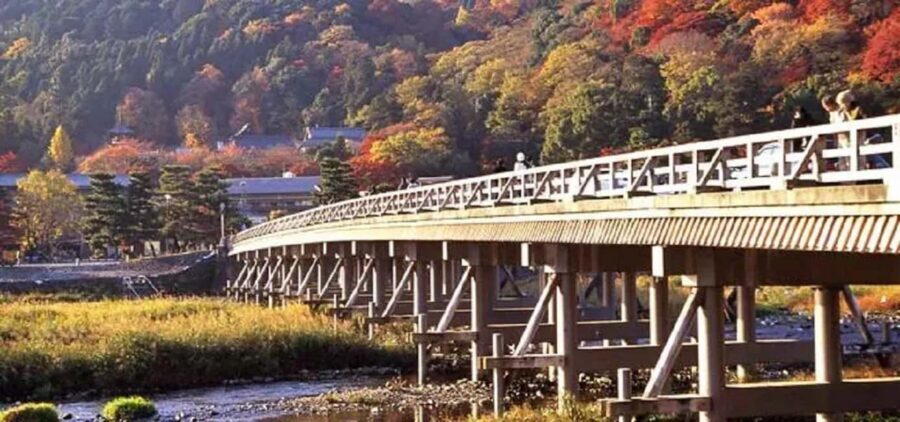
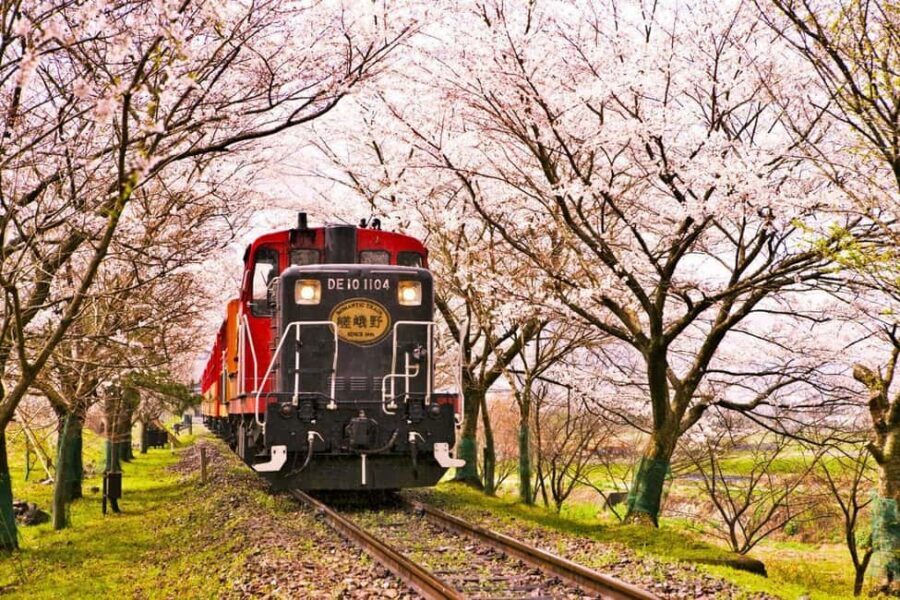
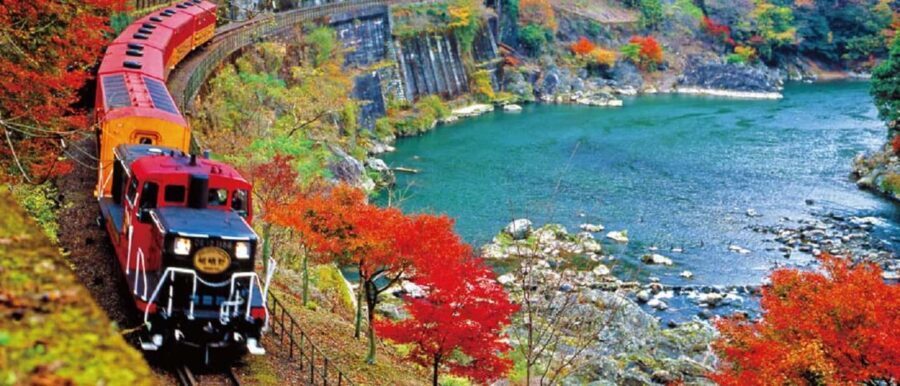
In Arashiyama, you’ll also have a photo stop at Torokko Saga Station. There’s time for sightseeing plus a panoramic train ride of about 25 minutes.
There’s also an additional optional experience: the Sagano Romantic Train route. It’s described as beautiful for views of the Hozugawa River Gorge and the countryside around Kameoka, and it’s especially nice in spring or autumn foliage. The key detail: it’s at your own expense, so you only add it if your budget and time inside the day still make sense.
If you’re the type who likes trains and river views, you’ll likely enjoy this upgrade. If you’d rather spend that energy on walking and photos around Arashiyama, you can keep it simple and stick with what’s built into the schedule.


Feet check: Arashiyama Station footbath and free time to recover
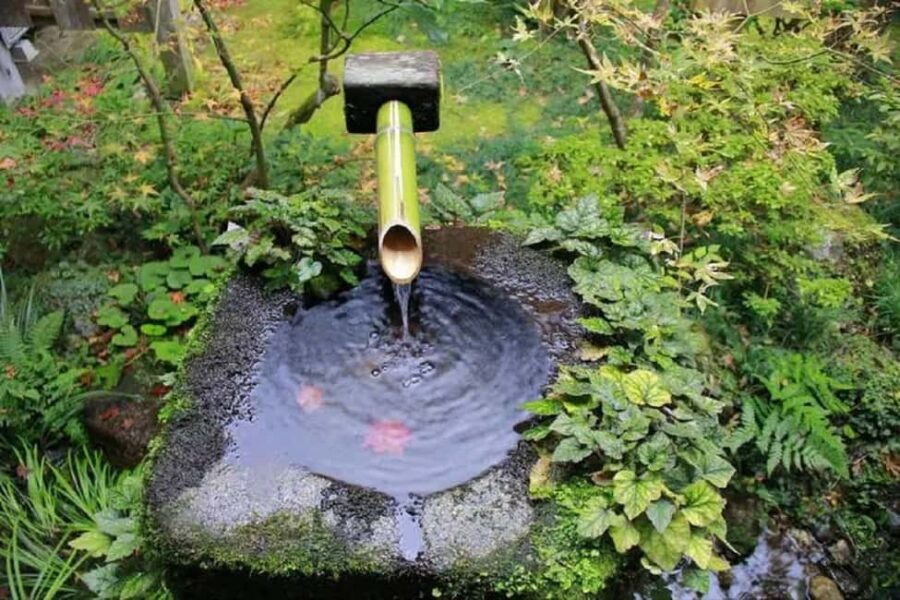
By the time you reach Arashiyama Station, your legs will know it. That’s why the Arashiyama Station footbath is such a smart included-feeling moment. After a day of steps, a warm reset can turn the rest of the afternoon from painful to pleasant.
The day also includes a “hot spring” free-time slot. You won’t be forced into one specific thing in the information provided, but the structure clearly sets aside time for you to enjoy a relaxing break during the Arashiyama portion.
This matters because Nara and Fushimi Inari don’t exactly offer gentle, low-effort sightseeing. The footbath and hot spring time help you avoid the end-of-day fatigue spiral.
Kimono Forest lights at Arashiyama Station: a photo stop that works day or night
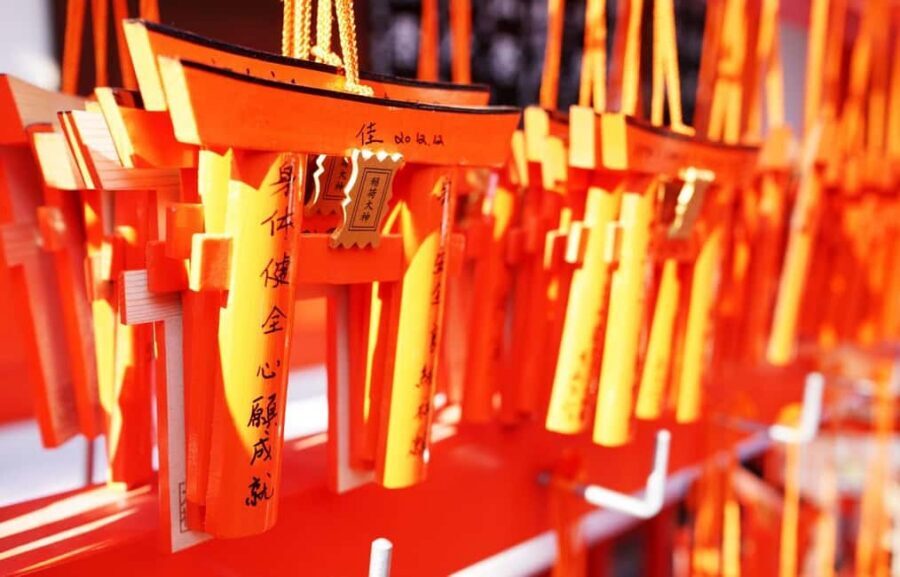
Next up: Kimono Forest, a glowing art installation made from kimono-textile light poles around Arashiyama Station. The idea is simple—bright, patterned “pillars” that are made for photos—yet it’s exactly the sort of visual payoff that makes a travel day feel complete.
You’ll have time for a photo stop and sightseeing here, and the installation is said to look stunning in both daylight and evening. So even if the schedule runs slightly late, you’re still likely to get a good shot of the lights.
This stop also gives you a reason to be near the station area after all the walking. It’s practical, and it’s photogenic without requiring a long wait.
The guide makes or breaks a day like this: Yang and Jack as examples
For a packed day tour, the guide’s role is bigger than facts. A good guide helps you move efficiently, explains what you’re looking at, and makes meeting points easier.
The tour information highlights multilingual guides, and the experiences include real examples of guide styles. Yang is noted as great at small talk, full of facts, and helpful with taking photos for the group. Jack is also described as very good at explaining where to meet and providing knowledgeable, professional guidance.
There’s also a practical rule for smaller groups: if the tourist number is less than 13, the driver may serve as a guide with a simple explanation. That means you may still get help, but don’t expect the same level of guided depth as a larger group with a dedicated guide team.
Bottom line: arrive on time, find the guide holding the yellow flag, and let the guide set the tempo.
Pace and timing: how the day actually feels
The day is built around bus segments plus sightseeing windows.
- Osaka to Nara Park is about 1 hour by coach.
- Then it’s another 1 hour to Fushimi Inari.
- After that, you’ll travel to Arashiyama in about 40 minutes.
- Arashiyama itself gets around 2.5 hours, plus additional short stops for photos and experiences.
On paper, that’s plenty. In real life, each stop includes walking and regrouping time, plus small delays common on peak days. The information also notes that the tour order and visit durations can shift based on traffic conditions on weekends, public holidays, or busy travel seasons.
That’s why you shouldn’t stack another activity right after the tour. Plan a buffer for your return to Osaka.
Price and value from Osaka: what you’re really paying for
At about $56 per person for a one-day tour, this is priced like a “managed highlights” experience rather than an all-inclusive cultural weekend.
Here’s the value math that matters: you’re paying for round-trip transportation, expressway tolls, fuel cost, parking fees, plus a multilingual tour guide and professional driver. That’s the big cost component for a route that includes Nara Park, Fushimi Inari, and Arashiyama without requiring you to coordinate transit yourself.
Meals and personal expenses are not included. Food isn’t provided, and you’re not allowed to bring food in the vehicle. So you’ll want cash and a plan for meals outside the bus.
If you’re traveling in a small group or you’re not comfortable with Japanese transit, the included logistics alone can make this feel like a bargain.
What to bring (and what not to): the stuff that keeps the day fun
Pack light, but pack smart. The essentials are:
- Comfortable shoes (non-negotiable for the walking)
- Camera
- Sunscreen
- Water
- Cash (credit cards may not work everywhere)
Also remember: food is not allowed in the vehicle. That’s not just a rule—it affects how you plan snacks between stops.
Weather matters too. You’ll be outdoors at Nara Park, walking through torii gates at Fushimi Inari, and moving around Arashiyama. Bring what you need for sun or cool temperatures.
Who this tour suits best (and who should skip it)
This day trip fits best if you want classic Kyoto and Nara highlights with minimal planning. If you like having a guide to explain what you’re seeing and you’d rather spend your energy on photos and walking than on train schedules, you’ll probably enjoy the format.
It’s not suitable for wheelchair users. It also isn’t suitable for people with animal allergies due to the deer encounter at Nara Park.
Should you book this Osaka-to-Kyoto-Nara day tour?
I’d book it if your priority is hitting Nara Park, Fushimi Inari, and Arashiyama in one day with transport handled, and you don’t mind a steady walking pace. The guide can add real comfort to the day—Yang’s photo help and Jack’s clear meeting guidance are exactly the kind of practical support you want when you’re hopping between iconic spots.
I wouldn’t book it if you want a slow, low-effort day or you have accessibility needs that make walking difficult. Also, if you’re very sensitive to animals, Nara Park is a deal-breaker.
FAQ
Where do we meet for the tour?
Meet at Nipponbashi Exit 2 in the Namba Shinsaibashi area at 7:50AM. The tour departs at 8:00AM, and you should look for the guide holding a yellow flag.
How long is the tour?
The tour runs for one day.
What languages are offered?
The live tour guide is available in English, Japanese, and Chinese.
Is the Sagano Romantic Train included?
The Sagano Romantic Train is listed as an optional experience. It’s at your own expense.
Are meals included?
No. Meals and personal expenses are not included.
What should I bring for the day?
Bring comfortable shoes, a camera, sunscreen, water, and cash.
Is food allowed on the bus?
No. Food is not allowed in the vehicle.
Do I need cash?
Yes, bring some cash, since credit cards may not be accepted at certain locations.
Is it wheelchair accessible?
No. The tour is not suitable for wheelchair users.