REVIEW · OSAKA
Japan eSIM (3 to 30 days, up to 60GB)
Book on Viator →Operated by Xplori · Bookable on Viator
Your trip’s easier when your phone just works. This Japan eSIM is a digital buy designed to keep you connected in Osaka for messaging, maps, and finding your way around town, with 4G/5G where available. Choose a plan from 3 to 30 days and get online without hunting for an airport SIM.
I especially like the setup flow: after you order, the eSIM is emailed and you activate by scanning a QR code. I also like the practical value here—data is sold at local-rate pricing, and you get plenty of 4G data for trip planning.
One thing to consider: your phone has to support eSIM, and if you hit a problem on day one, you may need quick email help to get activation sorted.
In This Review
- Key Highlights You’ll Feel Right Away
- A $5 Osaka eSIM That Gets You Online Before the Hassle
- What You Actually Get: 4G/5G Data and a Realistic Speed Plan
- Phone Compatibility: The One Check That Saves Headaches
- Day One Activation in Osaka: QR Scan, Email Delivery, and Fast Support
- Using Your Data Around Osaka: What You’ll Actually Do With It
- Coverage Across Japan Provinces: Why That Matters for Real Itineraries
- Choosing 3 to 30 Days: Match the Plan to How You’ll Use Data
- Price and Logistics: Why $5 Can Beat the Airport SIM Routine
- The Main Tradeoff: Data Caps and the 3G Switch
- Who Should Book This Japan eSIM (And Who Might Not)
- Should You Book the Japan eSIM for Osaka?
- FAQ
- How do I get the eSIM for Japan?
- Does this eSIM include 4G or 5G?
- How long can I use it?
- Is there a limit on how much fast data I can use?
- Does it work only in Osaka?
- What phones work with this eSIM?
- What if I need to cancel?
Key Highlights You’ll Feel Right Away

- QR code activation: designed to get you connected within minutes after you scan
- 4G/5G where available: keeps apps usable while you move around Osaka
- Local-rate pricing: positioned as cheaper than airport SIMs and simpler to use
- Plan flexibility (3–30 days): match the eSIM length to your trip without overbuying
- Data-speed cap: once your high-speed amount is used, speed switches to 3G
- Covers Japan provinces: intended for use across Japan, not just one city
A $5 Osaka eSIM That Gets You Online Before the Hassle
If your phone is your pocket guide, an eSIM can feel like good travel “gear.” This one is focused on getting you connected for a Japan trip without the usual airport runaround, so you can spend energy on Osaka instead of logistics.
The big win is that it’s purely digital. There’s no pickup, no meetup, and no waiting in a shop line. You order, get the eSIM by email, scan the QR code, and you’re set up to use data right away.
Also, Osaka is the base location for the listing, but the plan is described as covering all Japanese provinces. That matters because day trips and longer itineraries are common—your connection shouldn’t feel like it expires the moment you leave the city.
You can also read our reviews of more tours and experiences in Osaka.



What You Actually Get: 4G/5G Data and a Realistic Speed Plan
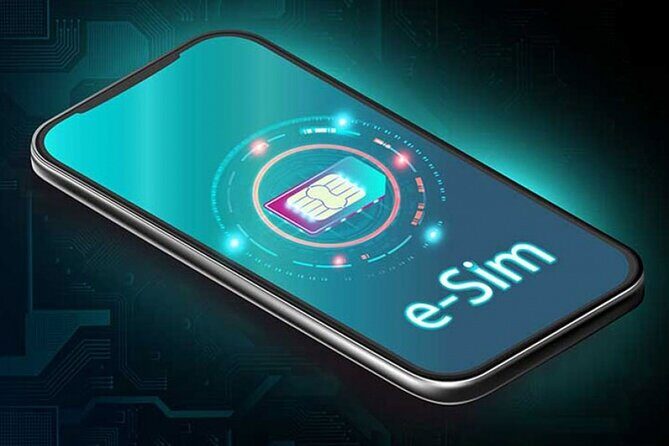
This eSIM is built for data-first travel. The description is clear that you’ll have 4G/5G (where available), so you can use your phone for getting around and staying in touch.
You also get a speed structure to understand up front. The high-speed amount is capped at the plan’s data allowance, and after that, your speed switches to 3G. That’s not unusual for mobile data products, but it changes how you should use data once you’re near the limit.
Here’s the practical way to think about it for your trip planning:
- For normal navigation, searching, and messaging, 4G is the sweet spot.
- Once you’re on 3G, you may still browse and communicate, but expect slower loading and more patience for anything data-heavy.
One review called out a daily allowance of 1.5GB per day on a 30-day eSIM, saying it was plenty. That aligns with how most people actually use data in Japan: light to moderate use with the occasional map check.
Phone Compatibility: The One Check That Saves Headaches

Before you buy, verify your phone supports eSIM. The listing names examples of supported devices, including iPhone XS and later, Pixel 3 and later, and Samsung S20/S21/Fold. If you’re not sure, the provider suggests contacting them in advance.
This matters because eSIMs aren’t a universal “works on everything” product. If your phone can’t use eSIM profiles, you’ll be stuck at the activation step.
My practical advice: do the check before you rely on the eSIM for your first day in Osaka. That way, you’re not trying to troubleshoot while you’re trying to find your way to dinner.
Day One Activation in Osaka: QR Scan, Email Delivery, and Fast Support
Your “arrival moment” with this eSIM happens before you even leave for Japan—or at least before you need data badly. After you order, the eSIM is delivered by email, and activation happens by scanning the QR code.
What’s reassuring is that the setup is described as quick: scan the QR code and be connected within minutes. A review backed that up directly, saying it connected immediately after scanning.
The one wrinkle shows up in another review: activation didn’t work on day one, and the customer emailed the company to get it turned on. The good part? The provider responded immediately and resolved it.
So if you’re planning tightly, build in a small buffer. If possible, activate before your first big out-and-about day in Osaka, even if you wait to use much data right away.
Using Your Data Around Osaka: What You’ll Actually Do With It
The eSIM’s purpose is straightforward: keep you connected so you can find your way around and stay in touch with friends and family. That’s exactly the kind of utility travelers care about in Japan.
In Osaka, having data on tap helps you:
- plan your route and check transit options as you move
- look up opening hours and directions
- message without scrambling for Wi‑Fi
And because the eSIM is set up for 4G/5G where available, your apps are more likely to behave like they do at home. That’s a comfort thing. You don’t have to keep switching between slow connections and offline workarounds.
One more practical angle: avoiding language barriers. Buying a SIM at the airport can mean confusing instructions, crowded counters, and translation struggles. With an eSIM, you’re managing it through your own phone settings, guided by the QR process.






Coverage Across Japan Provinces: Why That Matters for Real Itineraries
Even if you’re basing your trip in Osaka, you might also want to go beyond the city. The plan is described as covering all Japanese provinces, which is exactly what you want if your day trips evolve.
This is valuable because it reduces planning anxiety. You don’t want a connection that works in Osaka but forces you into Wi‑Fi hunting the moment you take a train elsewhere.
In other words, you’re buying convenience and consistency. Your data plan follows you across regions, not just within a single neighborhood.
Choosing 3 to 30 Days: Match the Plan to How You’ll Use Data
This eSIM offers 3 to 30 days, depending on how long your trip lasts. The listing also frames the product as a way to stay connected without paying airport rates.
Here’s how I’d choose:
- If you’re on a short Osaka-focused visit, pick the shorter end (3–7 days) so you’re not paying for unused time.
- If you’re adding day trips, consider a longer plan so you’re not rushing at the end of your trip.
- If you’re a heavier phone user—lots of map checking and frequent searching—lean toward the higher data allowance.
The key is aligning the eSIM length with your itinerary, not just with your flight dates. If you’ll be moving from Osaka to other areas, give yourself enough days for the full rhythm of the trip.
Price and Logistics: Why $5 Can Beat the Airport SIM Routine
At $5.00 per person, this eSIM is positioned as a cost-saver versus buying a SIM in Japan at the airport. The logic is simple: even if airport SIMs aren’t expensive in a vacuum, they cost you time, attention, and stress.
With an eSIM, the “hidden costs” drop:
- no counter time
- no language friction
- no hunt for the right kiosk or product
- no waiting around for staff to sort out your order
For a short trip, that tradeoff can be worth a lot. Even for longer stays, the key value is the same: you’re spending less time managing phone logistics and more time actually moving through Osaka.
Also, there’s a small signal in the product’s popularity—10+ bookings last month—suggesting it’s a common choice. That’s not proof of quality on its own, but it often correlates with a smoother experience.
The Main Tradeoff: Data Caps and the 3G Switch
The only downside that’s clearly spelled out is the data-speed cap. After you use up the high-speed data amount, your speed switches to 3G.
You should treat that as a planning tool:
- If you expect heavy map use, photos, or lots of uploads, you’ll want enough high-speed data for most of your trip.
- If your data usage is mostly messaging and occasional checking, the high-speed allowance may stretch farther than you think.
The good news is that reviews emphasize the amount is genuinely usable. One review said the 1.5GB a day on the 30-day option was plenty. Another review described using the eSIM without problems during the stay.
Still, if you’re the kind of traveler who burns through data, keep the 3G switch in mind and plan how you’ll use your phone once you reach the cap.
Who Should Book This Japan eSIM (And Who Might Not)
This is best for travelers who want fast, practical connectivity without airport hassles. If you rely on your phone for directions and you want to keep messaging home without hunting Wi‑Fi, you’ll likely find this fits well.
It’s also a good match if:
- you’re traveling to multiple parts of Japan and want coverage beyond Osaka
- you’re on a mid-length trip and want the plan length to match your days
- you’re comfortable managing a QR-code activation process
It might not be the best fit if:
- your phone can’t use eSIM
- you need help in person and prefer a counter setup
- you expect unlimited high-speed data regardless of usage (because there is a cap)
Should You Book the Japan eSIM for Osaka?
Yes, if you meet the one big requirement: your phone supports eSIM. The pricing is attractive, setup is designed to be quick, and multiple reviews confirm that the QR activation flow works smoothly—one even noted immediate connection after scanning.
I’d book it if you want a simple, data-focused solution for finding your way around Osaka and staying reachable. The coverage language suggests you won’t lose connectivity just because you travel outside the city.
I’d pause only if you’re worried about the activation step. The one activation hiccup from a review was resolved quickly by email, but if you hate troubleshooting, do the compatibility check early and consider activating before your first day of heavy sightseeing.
FAQ
How do I get the eSIM for Japan?
After you order, the eSIM is delivered to your email. You then activate it by scanning the QR code.
Does this eSIM include 4G or 5G?
Yes. The plan is described as offering 4G/5G where available during your journey.
How long can I use it?
You can choose options from 3 to 30 days, depending on the length you select at purchase.
Is there a limit on how much fast data I can use?
Yes. High-speed data usage is capped at the amount listed for your plan. After that, the speed switches to 3G.
Does it work only in Osaka?
The plan is described as covering all Japanese provinces, so it’s intended for use across Japan, not just Osaka.
What phones work with this eSIM?
The listing gives examples like iPhone XS and later, Pixel 3 and later, and Samsung S20/S21/Fold. You should check your phone supports eSIM before buying.
What if I need to cancel?
You can cancel for a full refund up to 24 hours before the experience start time, with cut-off times based on the experience’s local time.