REVIEW · KOBE
Kobe: 1-Day Guided Tour – Enjoy Kobe to the fullest
Book on GetYourGuide →Operated by DeepExperience, Inc. · Bookable on GetYourGuide
Kobe is compact, but it packs a lot of feelings. This 1-day guided tour strings together Shinto calm, Kobe’s old foreign-settlement flavor, and big skyline views in about a half-day, so you get context fast. I like that the day starts at Ikuta Shrine (matchmaking and weaving traditions) and ends with a high, iconic photo viewpoint at Port Tower.
I also love how the guides keep the experience human. In the small-group or private setup, you can run into guides like Kaori, FUJIKO, Giken, Kaito, or Benoit, and the vibe you’ll feel is patient, friendly, and willing to answer questions. One guide can even adjust timing so you’re not rushed at the stops that matter most to you.
The main thing to consider is pace. With multiple neighborhoods and photo stops packed into a short tour window, you’ll be walking and moving on a schedule, so it’s not the best choice if you want long, slow wandering in just one area.
In This Review
- Quick reasons to go
- Meeting at Ikuta Shrine: the easiest way to start right
- Ikuta Shrine: matchmaking and weaving to set the tone
- The slate exterior of Uroko-no-Ie and why it matters
- Kitano Tenman Shrine: the hilltop photo stop that gives you orientation
- Nankinmachi Chinatown lunch: where the day turns flavorful
- Meriken Park: a waterfront reset and harbor perspective
- Kobe Port Tower: the iron icon with 360-degree city views
- Price and timing: is $69 good value for this route?
- The guide experience: names you might meet and the style to expect
- Should you book this Kobe guided tour?
- FAQ
- Where does the tour meet?
- How long is the tour?
- What languages are the guides available in?
- Is the tour private or small group?
- What’s included in the price?
- What can I do at Kobe Port Tower?
Quick reasons to go
- Ikuta Shrine at the start: matchmaking and weaving traditions give you a meaningful Kobe baseline.
- Uroko-no-Ie (Slate-Faced House): that slate exterior and preserved interior make the foreign-settlement story feel real.
- Kitano hilltop views: you get a high vantage that helps you read the city.
- Nankinmachi Chinatown lunch: a dedicated stretch for food and lively street energy.
- Port Tower 360-degree lookout: big harbor-and-city panorama plus an on-site rotating café for downtime.
Meeting at Ikuta Shrine: the easiest way to start right
Your meeting point is in front of the torii gate of Ikuta Shrine, and your guide will be holding a yellow sign with the DeepExperience logo. This is a relief on a travel day when you’re still figuring out trains, sidewalks, and where you left your last coin.
Because the first stop is right there at the shrine, you avoid the typical “meet, then commute, then start sightseeing” headache. It’s also a good moment to confirm what you want most from the tour: photos, explanations, or just a smooth route with a friendly translator.
You can also read our reviews of more guided tours in Kobe



Ikuta Shrine: matchmaking and weaving to set the tone
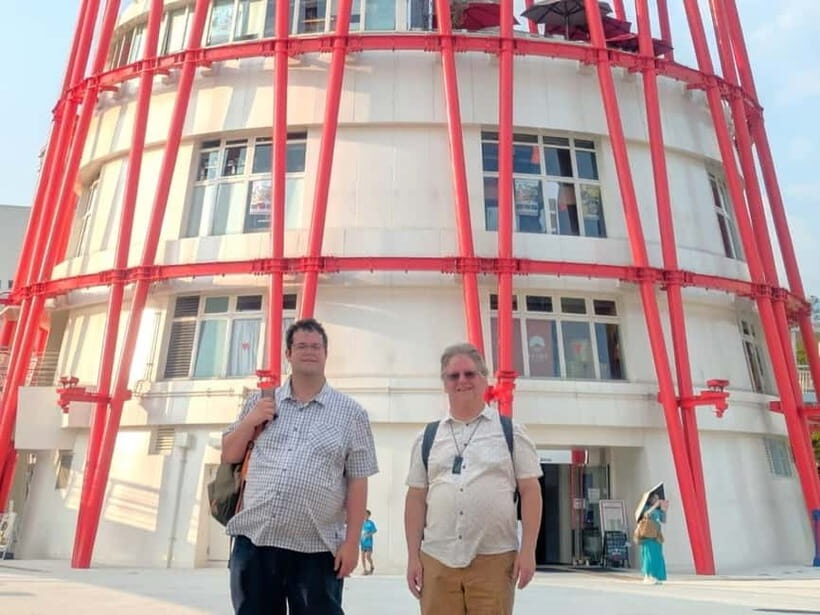
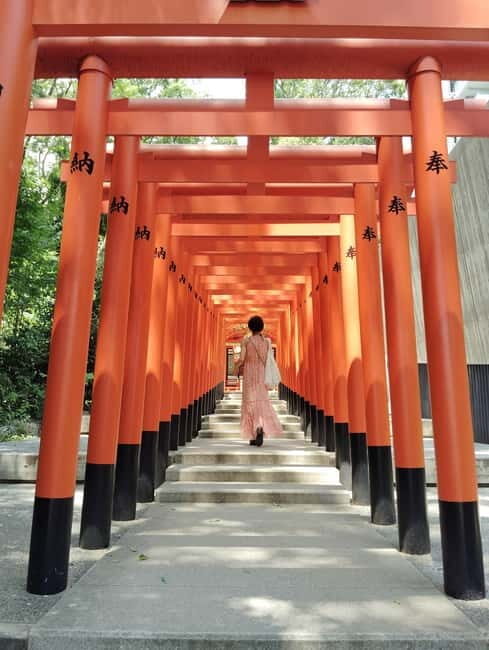
Ikuta Jinja is where the tour begins, and it’s a great choice for a calm kickoff. This is a revered Shinto shrine in Kobe tied to matchmaking and weaving, so it’s not just pretty scenery. It’s tradition you can actually feel, with a quieter rhythm than the later Chinatown stop.
Expect guided time here (about 40 minutes) that helps you understand what you’re seeing instead of just snapping pictures and moving on. If you’ve never visited a shrine before, this is a smart way to learn the basics in context—symbols, intentions, and the simple logic of how people participate.
Practical tip: dress for light walking and keep your phone handy. You’ll likely want photos at the shrine itself and during a short viewpoint segment that comes next.
The slate exterior of Uroko-no-Ie and why it matters
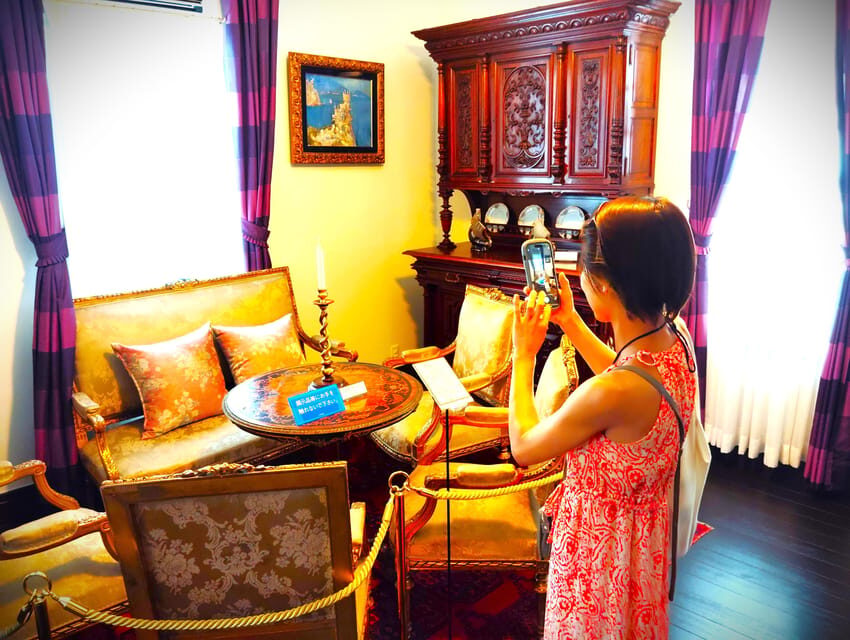
After Ikuta, the tour heads into the Kitano district for Uroko House (Uroko-no-Ie). This is the famous foreign residence with a slate exterior and an elegant interior, and it’s one of those stops that changes how you see Kobe’s past. It’s not just architecture; it’s evidence of how the city grew through international contact and then kept those influences.
You’ll get about 45 minutes here, including a photo stop and guided time. That’s enough to notice details like the building’s distinctive facade without feeling like you’re being marched through. The guide helps you connect the house to Kobe’s historical foreign settlement character, which makes the place more than a postcard.
One small drawback of this style of stop: it’s best if you like photos and details. If you prefer only outdoor scenes, you might want to keep your expectations flexible because a chunk of time is spent around the residence’s interiors and explanations.
Kitano Tenman Shrine: the hilltop photo stop that gives you orientation
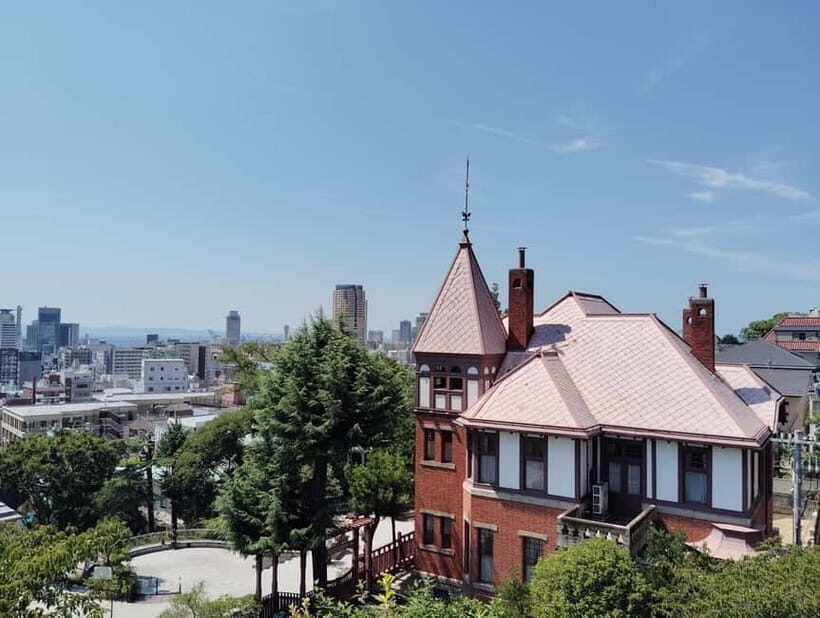
Next up is Kitano Tenman Shrine, perched on a hill. Even if you’ve only got a short time, hilltop shrines work because they give you a mental map of the city. You can look out across historic homes and Kobe’s skyline, then realize the earlier stops weren’t random—they’re all part of the same geographic story.
The tour includes guided time here and scenic viewpoints on the way (about 20 minutes total for this segment). That’s a short window, but it’s exactly what you want early or mid-tour: orientation first, deep wandering later if you feel like it.
Tip for your photos: try to pause before you lift your camera. Take a quick scan, identify the harbor and the main skyline lines, and then shoot. It helps your photos come out more “Kobe” and less “random city view.”
Nankinmachi Chinatown lunch: where the day turns flavorful
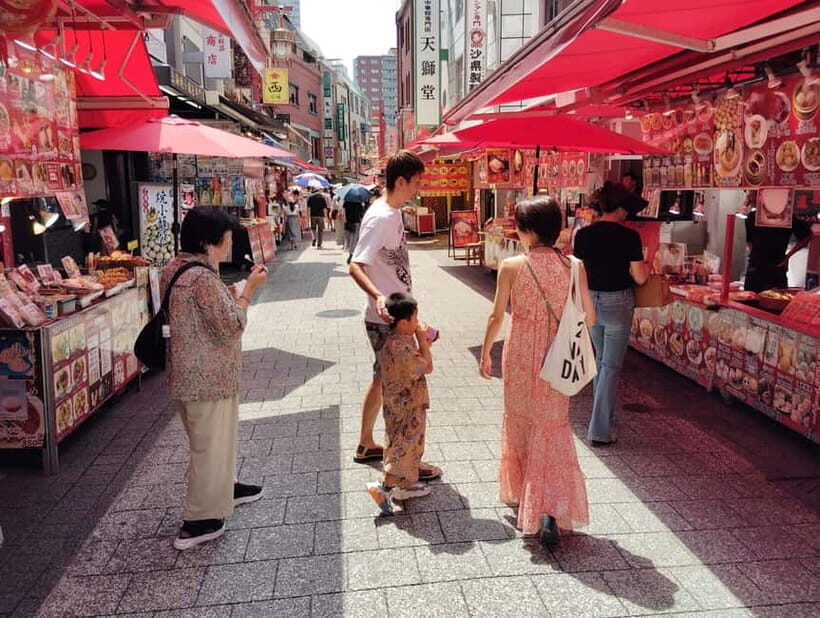
Then the energy shifts. The tour moves to Kobe Chinatown (Nankinmachi) for lunch and sightseeing (about 70 minutes). Compared with the earlier quiet shrines and architecture, this part feels like a different city—Chinese shops, eateries, and street life that gives your day a real contrast.
The best value here is that the tour gives you dedicated time to eat rather than treating food as a side quest. Your guide can also help you navigate what’s around you so you’re not stuck deciding while everyone else is already eating.
You’ll see plenty of Chinese dishes on offer. If you’re choosing on your own, look for places with clear menus, high turnover, and seats you can realistically wait for. And if you’re unsure, ask your guide what’s popular in the neighborhood—your question is part of the fun here.
Practical note: this is the stretch where you’ll probably use the most cash. Carry small bills and coins if you can.
A few more Kobe tours and experiences worth a look


Meriken Park: a waterfront reset and harbor perspective
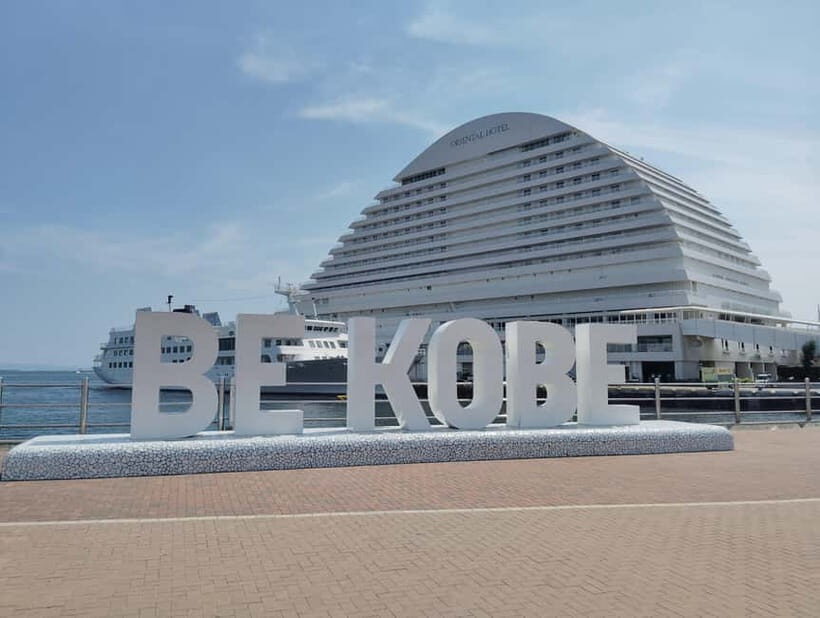
After lunch, you head to Meriken Park, a waterfront spot that captures Kobe’s maritime identity. This is a gentler stop than Chinatown and a welcome breather after eating and crowds. You’ll do a photo stop and a short guided walk (about 20 minutes), with room to enjoy the harbor views along the promenade.
Why I like this part of the tour: it’s a change of pace that still feels connected to Kobe’s core. You stop thinking only about neighborhoods and start thinking about the city as a port—imports, exports, and the way water shapes daily life.
If the weather is clear, this is when you’ll appreciate it most. If clouds move in, you can still enjoy the waterfront walk and the overall sense of open space.
Kobe Port Tower: the iron icon with 360-degree city views
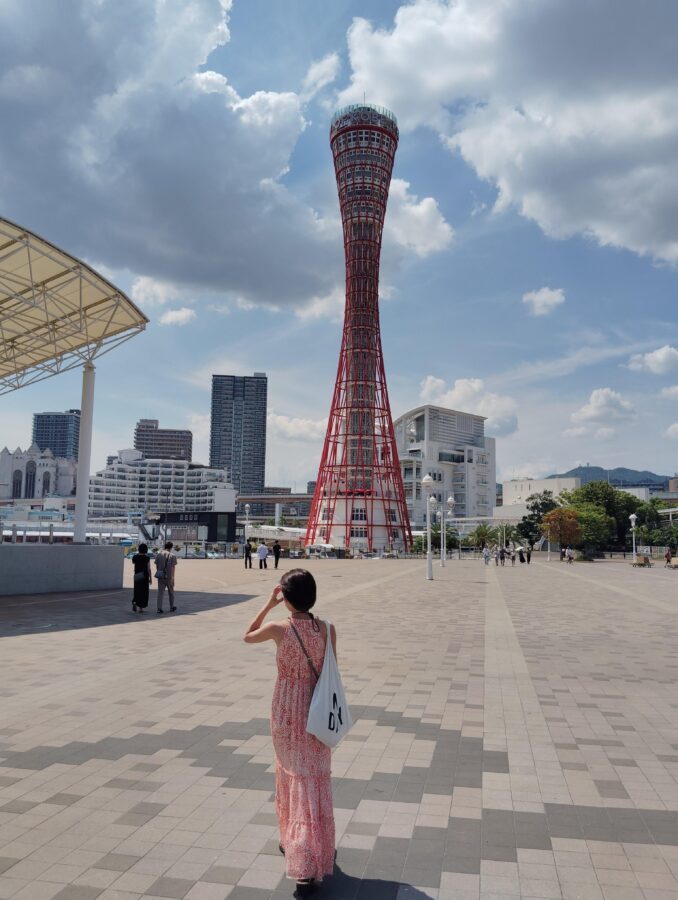
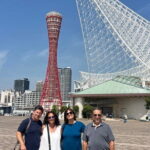
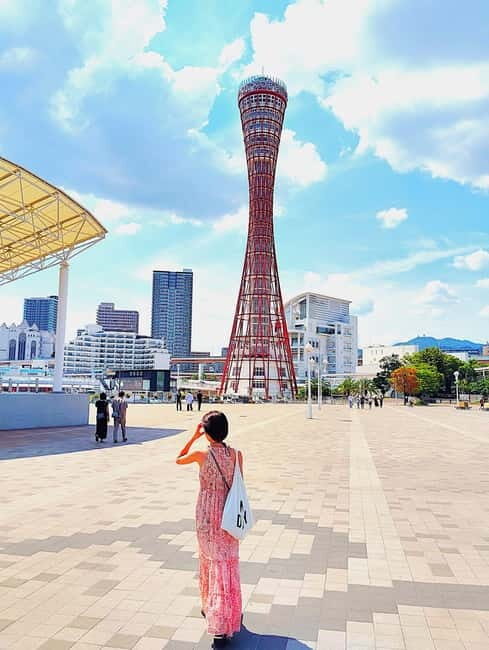
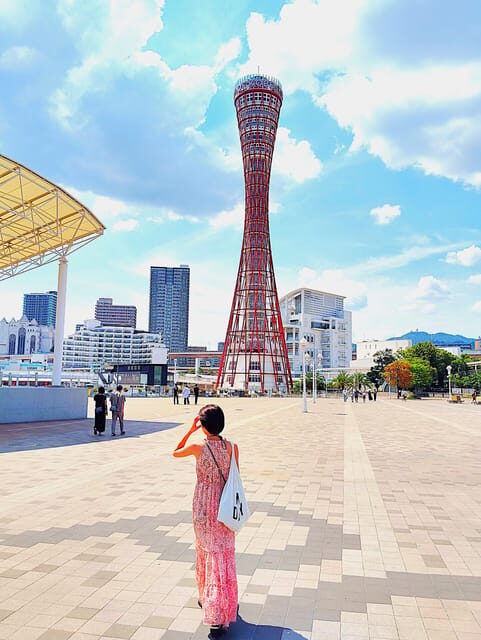
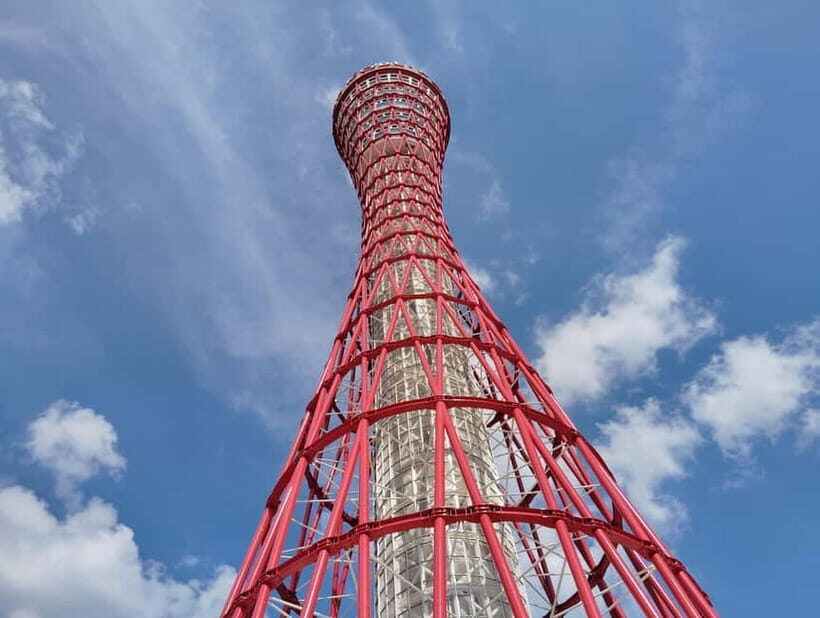
The finish is Kobe Port Tower, an iconic structure often called the beauty of iron towers. This is where the tour’s big-view payoff lands: you visit, explore, and head up for sightseeing (about 50 minutes).
From the observation deck, you get 360-degree views of Kobe’s skyline and harbor. It’s the kind of perspective that makes the earlier stops click. The shrines and Kitano houses suddenly look like part of a bigger machine—one turning toward the port and the hills that ring the city.
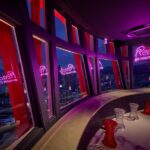
There’s also a rotating café on site, so you can slow down for a drink while watching the panorama change around you. Even if you don’t linger too long, it’s a nice option when you want a calm ending rather than only rushing photos.
If you’re sensitive to heights, plan your time up top carefully. The tower is the main highlight, so it’s worth going up at least once—but it doesn’t have to become a marathon.
Price and timing: is $69 good value for this route?
The price is listed at $69 per person, and it includes the guide fee and admission fees. For a tour that touches multiple major stops (shrines, a historic residence, Chinatown time, Meriken Park, and the Port Tower visit), that bundled structure can be a real time-saver.
The bigger value is not only admissions. It’s the guidance that turns what could be five separate outings into one coherent day. You’re paying for someone to connect the dots—especially at places like Ikuta Shrine and Uroko-no-Ie, where context helps you notice things you’d miss on your own.
Timing-wise, this tour is designed to be a half-day plan. You’ll move through scheduled segments like about 40 minutes at Ikuta, 45 minutes at Uroko House, 20 minutes for Kitano Tenman Shrine, 70 minutes for Chinatown lunch, 20 minutes around Meriken Park, and roughly 50 minutes at Port Tower. That’s enough time to enjoy each stop without getting stuck.
Who it suits best:
- First-time Kobe visitors who want the highlights in one shot
- People who like photos but also want explanations
- Solo travelers who prefer a guide to help them read neighborhoods
Who might want to skip or partially modify:
- If you want long, slow wandering in Chinatown, you may wish you had extra time beyond the lunch window
- If you hate moving on a schedule, this one may feel a bit tight
The guide experience: names you might meet and the style to expect
The tone of this tour is very guide-led, and the best part is that the guidance seems flexible. You might meet Kaori, who’s described as attentive and patient, or Kaito, who can talk history and cultural differences while making room for conversation. Giken also comes up as kind, and Benoit is praised for making the experience easy and enjoyable.
There’s also a Kobe-specific thread that shows up in the guidance: you may hear about the 1995 earthquake and how Kobe’s story changed afterward. That kind of context turns the city’s rebuilt texture into something you understand, not just something you see.
If you want conversation time, it can happen. One person booked a group walking tour and found themselves alone in the group, which meant lots of time to ask questions. You can’t count on that every day, but it’s a sign that the guides are comfortable sharing and talking through details.
Should you book this Kobe guided tour?
I’d book this if you want a structured day that covers the real Kobe mix: Shinto tradition, Kitano’s foreign-settlement architecture, Chinatown lunch, a waterfront reset, and a Port Tower finale with skyline views.
Skip it if you’re the type who wants to linger for hours in one place, or if you dislike the idea of moving between neighborhoods on a set timeline. You’ll still get great highlights, but it’s not built for slow wandering.
If your goal is a smooth, photo-friendly introduction to Kobe with meaningful context at the key sites, this is a strong pick—especially with English or Japanese live guiding and admissions handled for you.
FAQ
Where does the tour meet?
Meet your guide in front of the torii gate of Ikuta Shrine. The guide will be holding a yellow sign with the DeepExperience logo.
How long is the tour?
The experience is listed as 3 hours (330 minutes is also shown), so check the exact duration tied to your specific starting time before you go.
What languages are the guides available in?
The live tour guide is available in English and Japanese.
Is the tour private or small group?
Yes. The tour offers private or small groups, depending on what you book.
What’s included in the price?
The included items are the guide fee and admission fees.
What can I do at Kobe Port Tower?
You’ll visit Kobe Port Tower and go sightseeing. The tower offers 360-degree views, and there is a rotating café on site where you can relax with a drink.