REVIEW · KOBE
1-Day Walking Tour around Kobe : Mountains, Sea and Sake
Book on GetYourGuide →Operated by Machinovate Japan Ltd. · Bookable on GetYourGuide
Kobe can feel split in three, and this tour stitches it together. You get big city views from the Nunobiki area, then a walk through older Kobe neighborhoods with real atmosphere.
I also love the way the day ends in the Nada-gogo sake zone, with a guide explaining what you are tasting and why it matters. One thing to flag: this is an outdoors walking day for hours, so comfortable shoes and patience for some stairs and uneven ground are not optional.
In This Review
- What Makes This 1-Day Kobe Tour Worth Your Time
- Morning Start at Shin-Kobe: Easy to Find, Easy to Begin
- Nunobiki Herb Gardens: Ropeway Views and Garden Smell Therapy
- Kitano Ijinkan-Gai: Western-Style Houses in the Kobe Hills
- Ikuta Jinja: A Historic Shrine Stop Without the Museum Vibe
- Lunch and Free Time Back at Shin-Kobe: Feed Yourself on Your Schedule
- Kobe Chinatown (Nankin-machi): Real Street Energy in One Hour
- Kobe Harborland: Port Views With a Good Flow
- The Train Shift to Nada-gogo: Setting Up the Sake Half of the Day
- Nada-gogo Sake Brewery Area: One Paid Tasting Ticket, Real Explanation
- Guide Quality: Why Winki’s Help Can Make or Break the Day
- Price and Value: What Your $136 Actually Buys
- Who This Tour Fits Best (And Who Might Want to Skip It)
- Tips to Make the Day Smoother (So You Don’t Waste Time)
- Should You Book This Kobe Mountains-Sea-Sake Walking Tour?
- FAQ
- Where does the tour meet?
- What time does the tour start and end?
- Is lunch included?
- What is included in the price?
- Are additional sake tastings included?
- Is the tour mostly walking?
- What should I bring for weather?
- What are the cancellation options?
What Makes This 1-Day Kobe Tour Worth Your Time
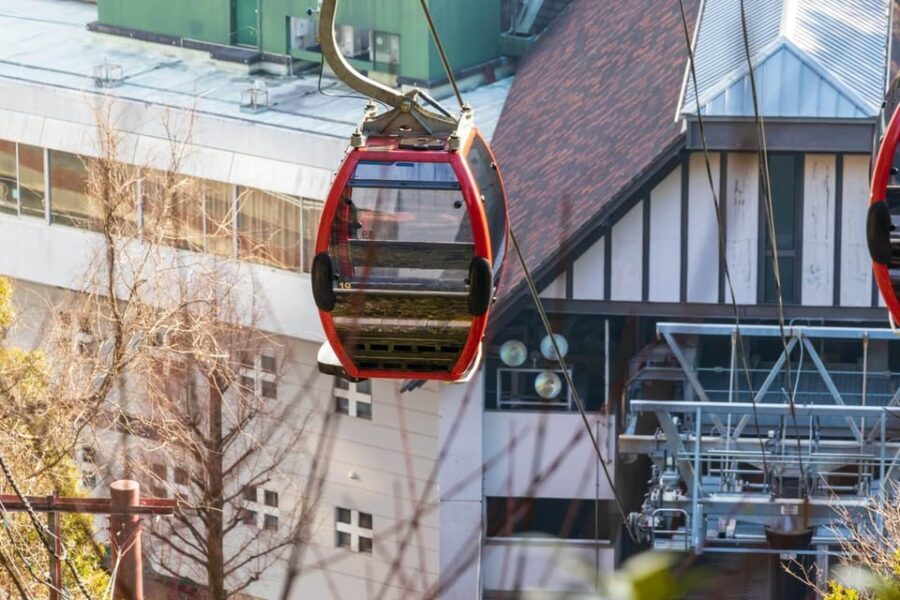
- Ropeway + herb gardens first: You start close to Shin-Kobe and climb by cable car for those “where am I” city panoramas.
- Kitano Ijinkan-Gai architectural walk: You’ll see a mix of Western-style houses right after the garden views, which makes Kobe feel like a crossroads.
- Ikuta Jinja stop with context: It’s one of the oldest shrines in the area, and the guide adds historical meaning as you wander the grounds.
- Chinatown and Kobe Harborland in the same flow: Food streets and port views are scheduled back-to-back, so you keep momentum.
- Nada-gogo sake tasting with a paid ticket: You get one included tasting ticket, plus guided explanation of how sake culture works.
- English guide support that actually helps in practice: In particular, guides like Winki were praised for being knowledgeable and helpful with day-to-day questions like menus and what to buy.
Morning Start at Shin-Kobe: Easy to Find, Easy to Begin
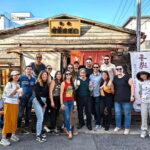
The day runs from 09:30 to 16:30, meeting at Shin-Kobe Station. Look for your group as soon as you exit the Shinkansen area: you’ll see them between a 7-Eleven and a cafe, in front of the directory, holding a sign that says Snow Monkey Resorts.
This matters more than it sounds. In Japan, stations can be huge, and the fastest way to ruin a day is losing time early. Meeting in one obvious place keeps the tour moving, and it sets you up for a schedule that stays realistic.
You can also read our reviews of more walking tours in Kobe

Nunobiki Herb Gardens: Ropeway Views and Garden Smell Therapy
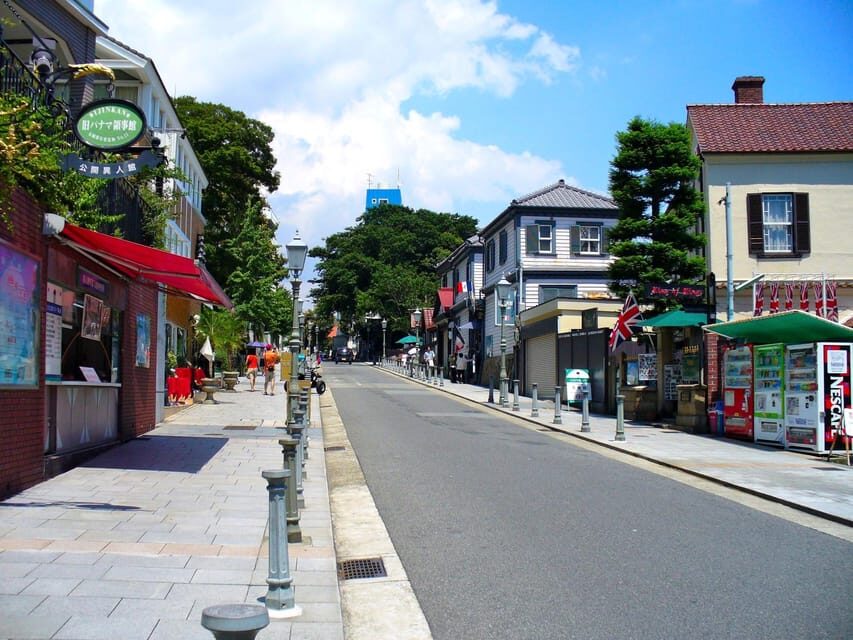
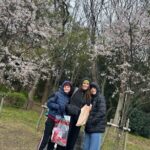
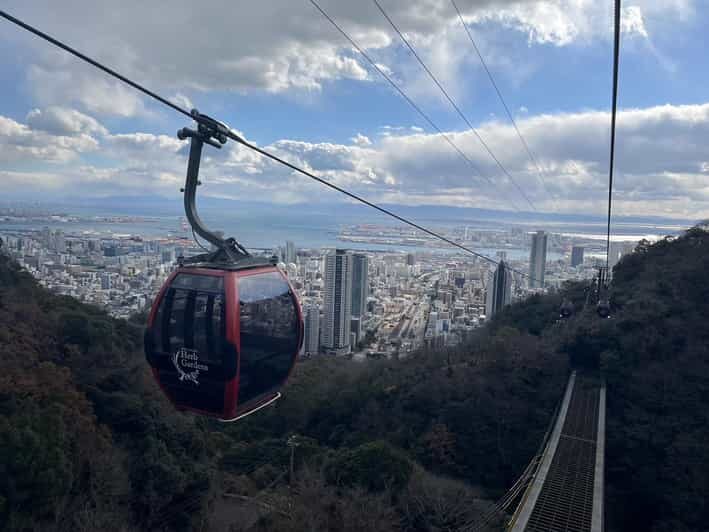
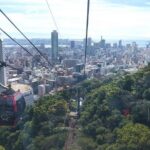
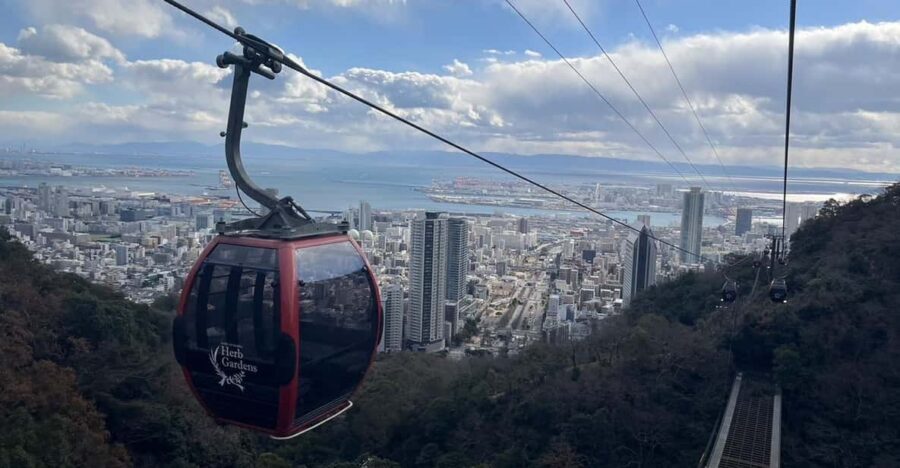
Your first real stop is Kobe Nunobiki Herb Gardens, right by the station. The big win here is the ropeway ride. Instead of gradually hiking uphill, you get lifted up while the city slowly opens up below you.
Once you reach the top, you’ll enjoy a guided walk through the gardens—think fresh herb scents, flower aromas, and calm viewpoints—then you head back toward the ropeway station to descend. This timing is smart. Early in the day, the views feel crisp, and the garden gives you a breather before the walking shifts into neighborhoods.
Practical tip: bring something for sun or light rain. The tour is outdoors for hours, and morning weather can change fast around Kobe’s hills.
Kitano Ijinkan-Gai: Western-Style Houses in the Kobe Hills
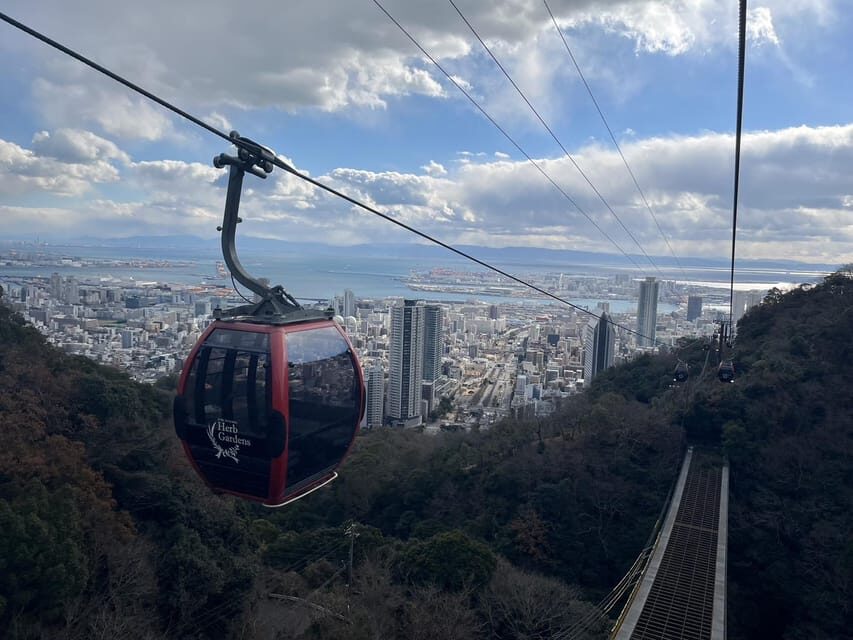
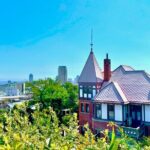
After the ropeway, you move on foot toward Kitano Ijinkan-Gai. This is where Kobe starts showing its “international port city” side. The area is famous for houses with distinctive architecture styles, and your guide walks you through what you are looking at and how the neighborhood developed.
This stop works because it is short enough to stay fun and visual, but guided enough that it doesn’t feel like you are just taking photos. The point is to understand how the built environment tells a story.
If you like design details—rooflines, facades, and the contrast between old and new—this is one of the most satisfying parts of the day.
Ikuta Jinja: A Historic Shrine Stop Without the Museum Vibe
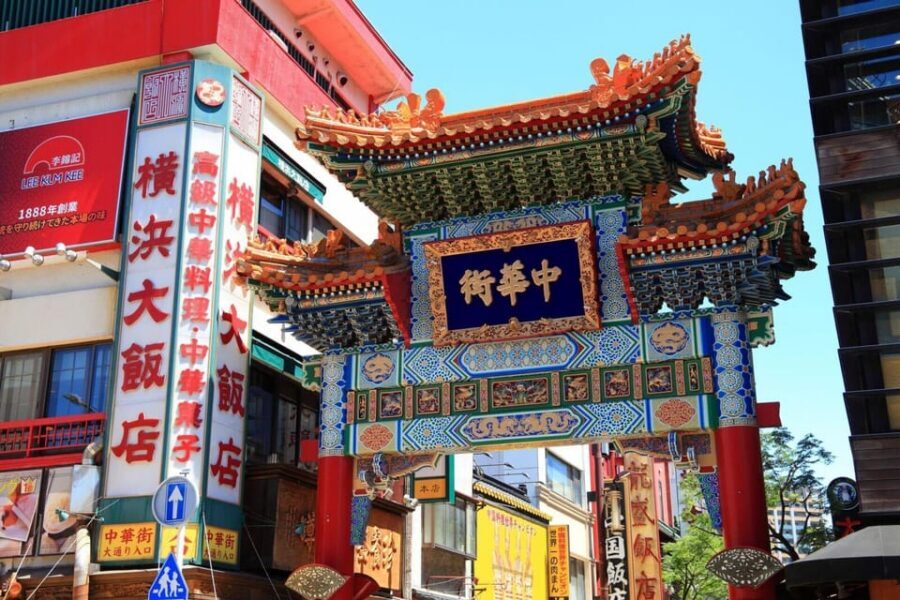
Next up is Ikuta Jinja. You’ll get a guided visit that focuses on the sacred grounds and the shrine’s long-standing significance in the region.
The benefit of a stop like this is pacing. After garden and architecture, the shrine slows you down. You also get a cultural anchor for the rest of the day. The port-and-sake ending makes more sense when you understand the place’s spiritual roots.
This stop is also a good reset if you’ve been walking since morning. Even with guidance, you’ll still have time to breathe and look around.
Lunch and Free Time Back at Shin-Kobe: Feed Yourself on Your Schedule
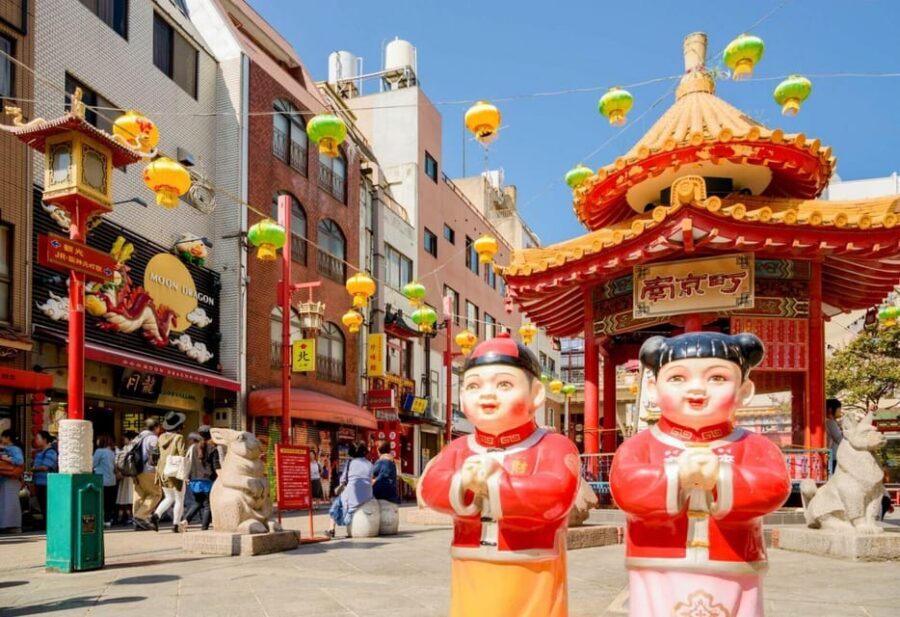
You return to Shin-Kobe Station around midday. Lunch is not included in the tour price, but you’ll get free time (75 minutes) to eat on your own.
That flexibility is useful. Stations have plenty of options, but tastes vary. If you want something quick, you can. If you want something specific, you can take the time.
A quick note: because the schedule is structured, don’t use up all 75 minutes wandering far away. Stay close enough to get back easily.
You can also read our reviews of more food & drink experiences in Kobe
Kobe Chinatown (Nankin-machi): Real Street Energy in One Hour
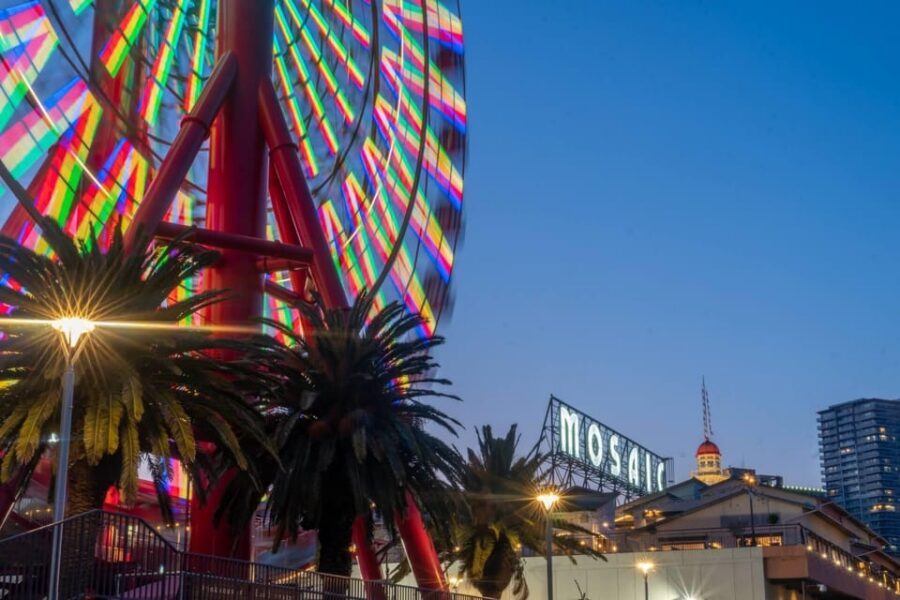
Your afternoon begins with Kobe Chinatown, Nankin-machi, where you’ll get a guided walk for about an hour. This is where you feel the city’s food culture and see the mix of signage, shops, and everyday rhythms that make Chinatowns distinct.
What I like about placing Chinatown here—after shrine and lunch—is that it feels like a natural “food and people” transition. It’s not just a sightseeing stop; you’re moving through a commercial neighborhood where you can browse and snack if you want.
Bring a little cash sense if you plan to buy snacks, since food and drinks are not included.
Kobe Harborland: Port Views With a Good Flow
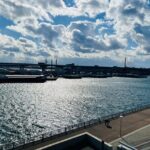
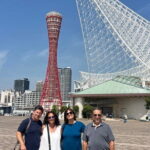
After Chinatown, the tour heads to Kobe Harborland. You’ll spend about 75 minutes on a guided visit, taking in the maritime feel and harbor views.
This stop gives you what the morning didn’t: sea air, wider open space, and the sense of Kobe as a working port. It also breaks up the day so you don’t feel stuck in one kind of sightseeing.
If you are photographing, this is the area to do it. The harbor setting gives you lots of angles without needing to hike for them.
The Train Shift to Nada-gogo: Setting Up the Sake Half of the Day
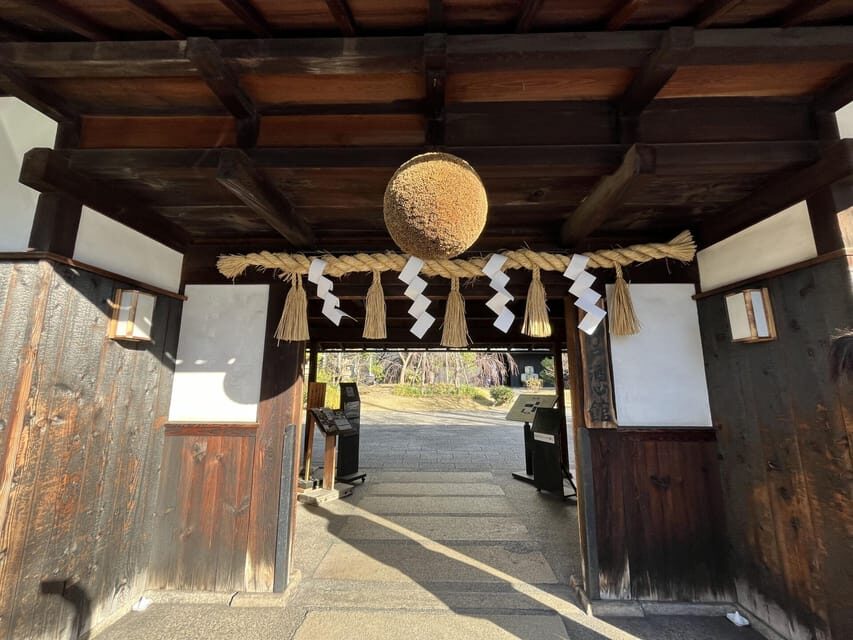
Around this point you take the included train segment to the sake-producing district. The tour includes train tickets required for the tour, so you are not dealing with figuring routes on your own.
This is the hidden value of a guided day like this: you get the movement done, with fewer “wait, which line is it” moments.
If you’re prone to getting tired mid-day, build in a small mental note here. You still have the important tasting portion ahead.
Nada-gogo Sake Brewery Area: One Paid Tasting Ticket, Real Explanation
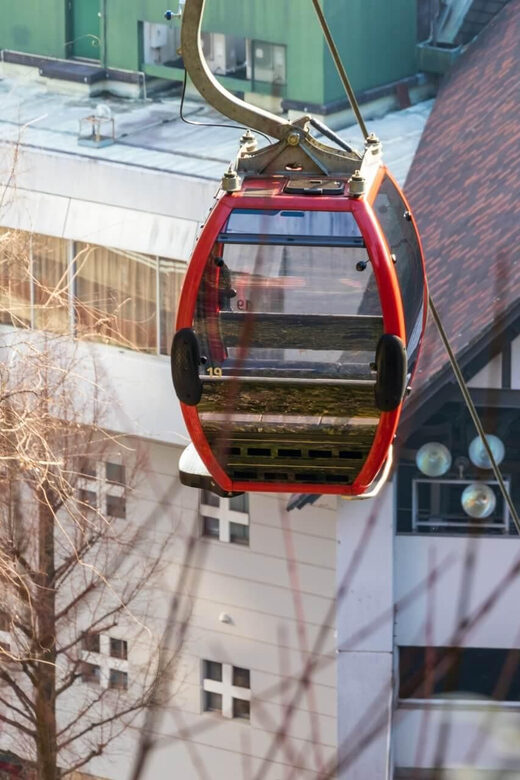
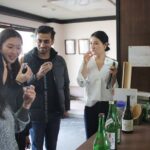
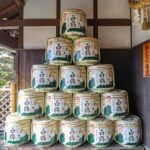
The finale is 灘五郷酒所 (Nada-gogo sake brewery area). You’ll get a guided tour for about 40 minutes, plus food tasting. Importantly, the tour includes 1 paid sake ticket, and 2nd and subsequent paid sake tickets are not included.
What you should expect: the guide ties the tasting back to tradition and the brewing process. This is not just sip-and-run. You’ll learn enough to make the flavors feel intentional rather than random.
Also, if you want more variety, you can likely purchase extra tasting tickets on-site, but you’ll pay separately.
This is the part that many people remember, because it’s hands-on. You walk away with a sense of what you like and why, instead of just collecting names.
Guide Quality: Why Winki’s Help Can Make or Break the Day
One theme from recent experiences is how much the guide matters. Guides like Winki were praised for being extremely knowledgeable and passionate about Kobe, plus being practical when you run into real travel issues like deciphering menus or figuring out cosmetics to buy.
That practical side matters on this tour because lunch is on your own and you’re dealing with neighborhoods where signage can be harder to read. A guide who can explain choices helps you feel less lost and more confident.
That said, one drawback showed up too: the tour can feel like a lot of walking, and not every guide may feel equally at home with every timing detail. In at least one case, a guide helped by calling a taxi when someone in the group wasn’t up for the walking pace. It’s a good reminder to be honest about your energy level early.
Price and Value: What Your $136 Actually Buys
At $136 per person for a 1-day tour, you’re paying for more than just a guide. Your included costs cover:
- Entrance fee for Kobe Nunobiki Herb Gardens and the ropeway
- Train tickets required for the tour
- Guided English tour throughout
- 1 paid sake ticket (plus food tasting at the sake stop)
If you tried to stitch this day together alone, you’d still pay for the ropeway and garden entrance, plus you’d spend time planning trains between mountain areas, Chinatown/harbor, and the Nada-gogo district. This tour sells convenience plus context.
Is it cheap? No. But it can be good value if you want the route simplified and you like explanations while you walk.
Who This Tour Fits Best (And Who Might Want to Skip It)
This tour is a strong match if you:
- Enjoy a day that mixes nature, neighborhoods, and food culture
- Prefer guided context instead of solo navigation
- Want a structured way to experience Kobe’s mountain-to-sea rhythm
- Are comfortable with trains and outdoor walking
It might be less ideal if you:
- Hate walking for hours outdoors
- Need low-stamina sightseeing
- Want food included (lunch and drinks are not included)
If you fall into the “not sure about walking” category, do yourself a favor: wear shoes you trust and don’t treat the tour as a casual stroll.
Tips to Make the Day Smoother (So You Don’t Waste Time)
- Start the day hydrated. You’ll be outdoors and moving from stop to stop.
- Wear comfortable shoes with grip. Harborland and shrine grounds can be uneven.
- Bring sunshade and rain protection if the forecast looks uncertain.
- Since lunch is on your own, eat earlier rather than later so you don’t feel rushed when you have to rejoin the group.
- At the sake stop, decide in advance whether you want to stick to the included tasting or budget for extra tickets.
Should You Book This Kobe Mountains-Sea-Sake Walking Tour?
Book it if you want a one-day plan that shows Kobe’s variety without you needing to plan routes between multiple neighborhoods. The ropeway-and-gardens opener, the history stop at Ikuta Jinja, the Chinatown-to-harbor flow, and the Nada-gogo sake tasting create a day that feels like more than a checklist.
Skip or reconsider if you don’t do well with long outdoor walking. This is not a sit-down tour. It’s a move-your-feet day, designed for people who enjoy neighborhoods on foot.
If you do book: bring solid shoes, be honest about your pace, and lean on your English guide. When guides like Winki are on-form, you end up with a day that’s not just scenic, but useful.
FAQ
Where does the tour meet?
You meet at Shin-Kobe Station, between the 7-Eleven and a cafe, in front of the directory. The guide will be holding a sign that says Snow Monkey Resorts.
What time does the tour start and end?
The tour starts at 09:30 and ends at 16:30 at Shin-Kobe Station.
Is lunch included?
Lunch is not included. You’ll have lunch/free time back at Shin-Kobe Station (75 minutes).
What is included in the price?
The price includes entrance fees for Kobe Nunobiki Herb Gardens and the ropeway, train tickets required for the tour, guided English support, and 1 paid sake ticket (with food tasting).
Are additional sake tastings included?
Only one paid sake ticket is included. Any second or later sake ticket would be an extra cost.
Is the tour mostly walking?
Yes. It’s a walking tour with outdoor time for hours, plus some ropeway and train segments. Wear comfortable shoes.
What should I bring for weather?
Bring sunshade and rain protection if needed, since you’ll spend hours outdoors.
What are the cancellation options?
You can cancel up to 24 hours in advance for a full refund. You can also reserve and pay later.