REVIEW · OSAKA
Make Ramen and Gyoza with Homemade Secret Recipe
Book on Viator →Operated by 株式会社Japanticket · Bookable on Viator
Osaka ramen feels personal when you knead it yourself. In a small studio near Matsuyamachi Station, I like that you pick your soup base—soy, miso, or salt—and run dough through a noodle-making machine before you eat.
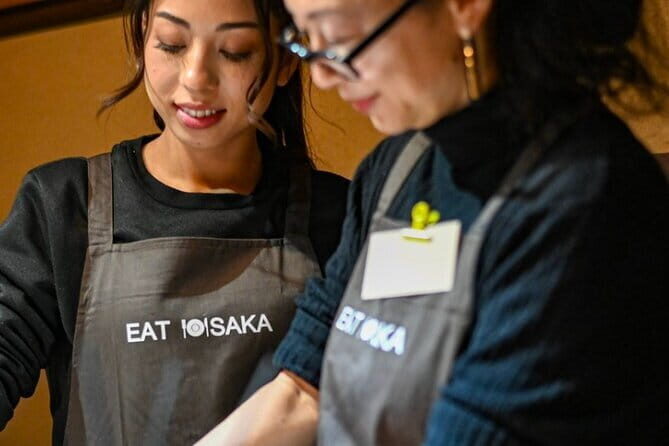
My other favorite part is the way gyoza gets taught step-by-step, with chef Shohei and helper Marie keeping it friendly and making sure details land. One consideration: drinks are not included, so you may want to budget a little extra for something to sip.
In This Review
- Key Highlights You’ll Care About
- A Studio Meal Starts Right at Matsuyamachi Station
- The Value of Picking Your Soup Base (Soy, Miso, or Salt)
- Fresh Noodles: Why the Machine Step Is a Big Deal
- Gyoza Time: Filling, Folding, and Pan-Frying the Dumplings
- The Walk, the Studio Mood, and the Photo Moment
- What You Eat: Half-Rice Ramen With Gyoza
- Timing and How to Fit It Into Your Osaka Day
- Price: Does $84.70 Really Make Sense?
- Should You Book This Osaka Ramen and Gyoza Class?
- FAQ
- How long is the cooking experience?
- Where do I meet for the class?
- What time options are available?
- What will I cook during the class?
- What dietary needs can you accommodate?
- What’s included in the price?
- Is transportation or drinks included?
- Is there a limit on group size?
Key Highlights You’ll Care About
- Choose your ramen base: soy sauce, miso, or salt, then build your bowl from there
- Make fresh noodles: use a noodle-making machine instead of just mixing and hoping
- Gyoza that actually gets pan-fried: filling, shaping, then cooking the dumplings the real way
- Small class size (max 15): easier to ask questions and get hands-on attention
- Take-home payoff: you get recipes and a cooking chopsticks souvenir
A Studio Meal Starts Right at Matsuyamachi Station
This is the kind of Osaka food experience that feels practical fast. You meet at Matsuyamachi Station, then walk about five minutes to the cooking studio, so you’re not spending your whole day commuting across the city.
From there, the class stays focused on what you came for: making ramen and gyoza with a chef. Expect a casual indoor setup that works especially well if the weather turns gray, because you’ll be doing the cooking the whole time rather than running between places outdoors.
If you want something more interactive than a restaurant meal, this hits the spot. It’s also a nice option if you like learning how Japanese food techniques translate into something you can repeat at home.
You can also read our reviews of more tours and experiences in Osaka.

The Value of Picking Your Soup Base (Soy, Miso, or Salt)
One reason this class feels worth the money is the decision-making. Before the cooking gets loud and hands-on, you choose your ramen soup base from soy, miso, or salt, which changes the whole character of your final bowl.
Soy sauce base ramen typically leans savory and straightforward. Miso brings a deeper, slightly richer vibe, and salt tends to taste cleaner and lighter on the palate. You’re not just assembling ingredients; you’re steering your own flavor direction.
That choice matters because ramen is built on balance. When you make your own base, you start to understand why Japanese ramen isn’t only about noodles and toppings. It’s about layering seasoning and creating a broth that tastes like it belongs together.
Fresh Noodles: Why the Machine Step Is a Big Deal
Here’s where the class earns its hands-on promise. You’ll make noodles using a noodle-making machine, which is the shortcut to getting good results without needing years of practice.
The machine step also helps you learn what texture should feel like before it becomes cooked ramen. That’s the part you can take home later, because you’ll know what the dough should look and feel like as it gets rolled and shaped.
You also avoid the common “cooking class disappointment” where everyone just watches while the instructor does the skilled work. In this style of ramen lesson, you’re actively shaping and working the process until your noodles are ready to cook.
And yes, you get the satisfaction of seeing your own noodles end up in the bowl you eat. That’s a big part of the fun, especially if you’re traveling with someone and you both want bragging rights for dinner.
Gyoza Time: Filling, Folding, and Pan-Frying the Dumplings

Gyoza is the star partner to ramen here, and the class treats it like a real technique lesson. You learn the process from preparing the filling to pan-frying the dumplings, which means you get both the hands-on shaping and the heat-management part.
The filling step teaches you proportion and consistency. If it’s too loose, gyoza can fall apart; too tight, it can feel heavy. When you’re doing it yourself, you start to see why Japanese dumpling texture is so important.
Then comes pan-frying. This is where gyoza separates itself from boiled dumplings. You get that satisfying contrast: a browned, crisp outside with a tender interior, the kind you can’t fake by microwaving store-bought ones.
One more thing I really value: if you have vegetarian requirements and you tell the team at booking, they can adjust. A vegetarian gyoza version was made when it was requested, which tells me they’re not just switching toppings at the last second—they’re thinking through the dumpling itself.
The Walk, the Studio Mood, and the Photo Moment
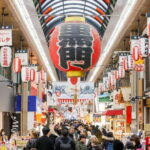
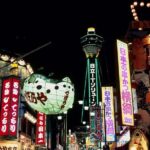
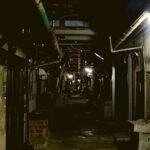
Before cooking, you’ll usually spend a little time moving through a nearby old-fashioned shopping street area to reach the studio. It’s not a sightseeing marathon, but it gives the day a local feel without turning your class into a tour of landmarks.
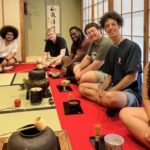
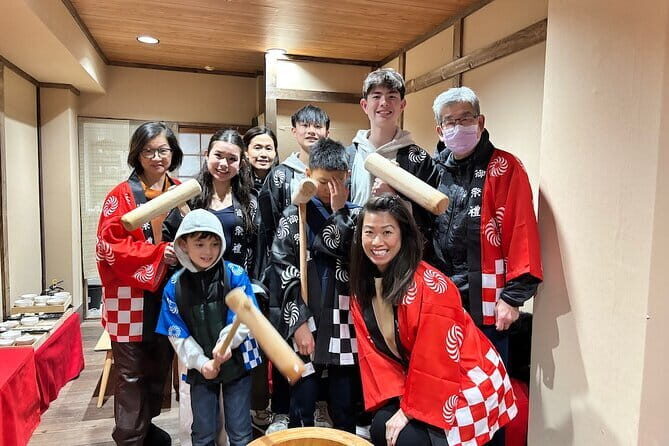
Inside, the mood stays informal and teacher-led. The best part is that you’re not stuck in a large crowd; the class caps at 15 travelers, which usually makes the instruction feel more personal.
You’ll also have time to take photos once you’ve cooked and plated. It sounds small, but it changes the experience: you’re not just eating, you’re documenting the result of your work.
And if you’re the kind of traveler who enjoys talking while you cook, this is a natural setting. The instructor conversations tend to connect cooking technique with everyday Japanese food culture, which makes the meal feel more meaningful than a one-time performance.


What You Eat: Half-Rice Ramen With Gyoza
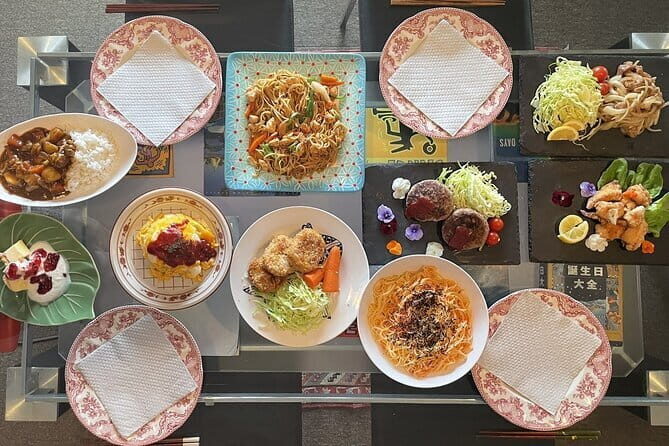
The final meal is intentionally set up to let you taste what you made. You’ll prepare rice as part of the experience, and then enjoy your own “half-rice ramen with gyoza,” pairing your bowls with your dumplings.
That half-rice format is clever. It keeps things satisfying without making the meal overly heavy. It also gives you a built-in way to compare flavors as you go—ramen broth notes first, then gyoza texture and saltiness.
This is also where your choices show up. If you chose soy, you’ll taste that savory base immediately. If you chose miso, you’ll notice the warmth and depth. If you chose salt, you’ll likely feel a cleaner, lighter finish.
Is it a restaurant-level tasting menu? No. It’s something better for the right traveler: a home-style Japanese meal you helped create, with techniques you can actually recreate later.
Timing and How to Fit It Into Your Osaka Day
The experience runs about 2 hours 30 minutes, and it’s offered at multiple time windows: morning, midday, afternoon, and evening. That flexibility is useful when you’re planning around temple visits, shopping, or just avoiding the harshest part of the day.
Since the class is near Matsuyamachi Station, it’s also easier to slot in between other plans. You’re not trapped in a far-flung neighborhood where you’ll lose time commuting back and forth.
If you’re visiting with kids or someone who gets restless, the structure helps. You’re constantly doing something—choosing a base, making noodles, preparing filling, cooking gyoza—so attention stays on track.
Price: Does $84.70 Really Make Sense?
At $84.70 per person, you might wonder if this is a splurge. Here’s how I’d judge the value using what’s included.
Your price covers the material cost, the cooking lesson fee, the venue fee, tableware/equipment rental, and a souvenir fee, plus cooking chopsticks you take home. It also includes the recipes you learned during the course.
So you’re not just paying for food. You’re paying for instruction, equipment, and ingredients that go into a full meal—plus take-home materials. When you add in the small class cap of 15 travelers, the per-person cost starts to look more reasonable. You’re getting real coaching time instead of a quick demo.
What’s not included is important: transportation to the meeting point and personal expenses, including drinks and alcohol. If you want a beverage with your meal, plan extra.
And one more practical note: the experience is non-refundable and can’t be changed, so double-check your schedule before you lock it in.
Should You Book This Osaka Ramen and Gyoza Class?
Book it if you want an Osaka experience that’s active, tasty, and repeatable at home. This is especially great for couples, food lovers, and anyone who likes learning technique rather than just eating.
Skip it if you only want a casual meal with zero cooking involvement. The point here is work with your hands—noodles, dumplings, broth choices—so you’ll get the most satisfaction if you enjoy that style.
If you’re hoping for something indoor and weather-proof, this also does well. And if you care about dietary needs, tell the team at booking so they can plan your version early.
Overall, this is strong value for a hands-on Japanese cooking session, and the ramen-and-gyoza combo makes it feel distinctly Osaka rather than generic cooking class.
FAQ
How long is the cooking experience?
It’s about 2 hours 30 minutes.
Where do I meet for the class?
You meet at Matsuyamachi Station (2 Chome-6 Andojimachi, Chuo Ward, Osaka 542-0061, Japan). The activity ends back at the meeting point.
What time options are available?
You can choose from these time windows: 7:30–10:00, 11:00–13:30, 14:30–17:00, and 18:00–20:30.
What will I cook during the class?
You make noodles, choose a ramen soup base (soy sauce, miso, or salt), and learn to make gyoza from filling through pan-frying. You’ll also prepare rice and enjoy your half-rice ramen with gyoza.
What dietary needs can you accommodate?
If you have allergies or vegetarian requirements, you should inform the team at booking. Vegetarian gyoza adjustments have been made when requested.
What’s included in the price?
Included are material cost, cooking lesson fee, venue fee, souvenir fee, and tableware/cooking equipment rental. Recipes are also provided as take-home items, and you receive cooking chopsticks.
Is transportation or drinks included?
No. Transportation expenses to the meeting point and personal expenses (including drinks and alcohol) are not included.
Is there a limit on group size?
Yes. The experience has a maximum of 15 travelers.