REVIEW · KYOTO
Carefree Private Exploration of Fushimi Inari, Gion, Kiyomizudera, and More
Book on Viator →Operated by Pinpoint Traveler, Inc · Bookable on Viator
Torii gates turn Kyoto’s hills into a ladder. What I like most is the private English-speaking guide and the fact that temple and shrine fees plus transit are included. One drawback to plan for: it’s a walking-heavy route with some steeper hills, and summer heat can feel relentless.
You start at Inari Station and work your way through Higashiyama’s most famous sights in a logical order, rather than bouncing around the map. Because it’s private, you can ask for small changes if your group wants a slightly different pace or angle on the sights, and you won’t have to worry about hidden fees for key admissions.
In This Review
- Key points at a glance
- The Higashiyama route that saves you time and stress
- Starting at Inari Station: the practical choice
- Fushimi Inari-taisha and the torii climb: more than a photo line
- Hanamikoji Street in Gion: where tradition meets the pedestrian crush
- Yasui-Konpiragu and the power of wishes
- Yasaka Pagoda: the skyline marker since 1440
- Kodai-ji Temple: quieter gardens in a busy zone
- Sannenzaka and Ninenzaka: the photo streets that actually feel old
- The guide factor: Oisin, Ferdinand, and Duygo (and what they do well)
- Price and value: why $129 can feel fair in Kyoto
- Walking, hills, and heat: how to make the day comfortable
- Who this tour is best for
- Should you book this private Kyoto route?
- FAQ
- How long is the tour?
- Where does the tour start and end?
- Is the tour private or shared?
- Are entrance fees included?
- Is transit included?
- What’s included besides guide service?
- Is the tour suitable for people with mobility concerns?
- Can the itinerary be changed?
- What is the cancellation refund window?
Key points at a glance
- Private, language-strong guiding: explanations tied to what you’re seeing, not a lecture from behind you
- Admissions and transit included: fewer logistics headaches during a short 4-hour window
- A classic-to-local flow: Fushimi Inari, then straight into Gion and the surrounding hillside stops
- Built-in variety of sights: shrine paths, traditional streets, pagoda views, and temple gardens
- Pacing can be adjusted: guides can adapt when older folks or walkers need it
The Higashiyama route that saves you time and stress
Higashiyama (the Eastern Mountain side of Kyoto) is one of those places where the famous stuff is famous for a reason, but the real challenge is how to see it without wasting hours in transit or doing repeated zigzags through crowds. This tour is built around an efficient arc: start at Fushimi Inari’s torii climb, then move toward Gion and the temple-and-street area east of the city center.
The big value is mental. When admissions and the main transit hop are handled, you can focus on walking, photos, and the cultural context that makes the scenery click. You also get a private guide, so questions don’t get swallowed by a group timetable.
You can also read our reviews of more private tours in Kyoto


Starting at Inari Station: the practical choice
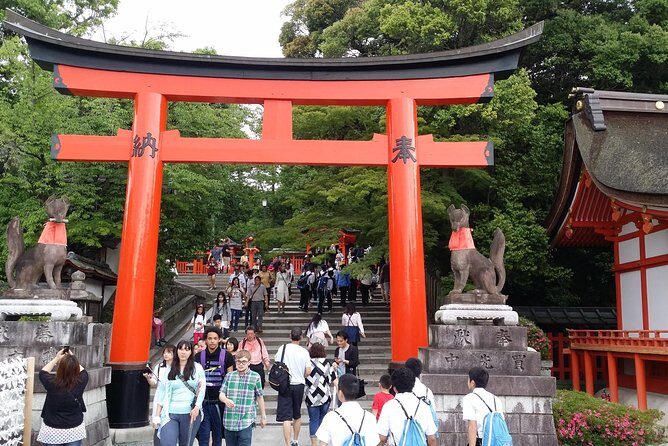
The meeting point is Inari Station in Fushimi Ward. That matters because you’re already positioned right where the torii trail begins, instead of starting farther away and spending your limited tour time shuffling around Kyoto’s station maze.
The tour also ends back at the meeting point. That’s quietly useful. You’re not forced into an extra end-of-tour puzzle like, Where do we go now? It keeps your remaining day simple—especially if you’re planning dinner somewhere in central Kyoto after your 4-hour window.
Fushimi Inari-taisha and the torii climb: more than a photo line
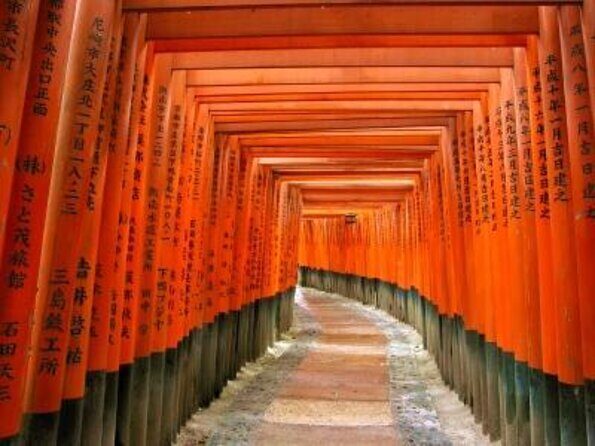
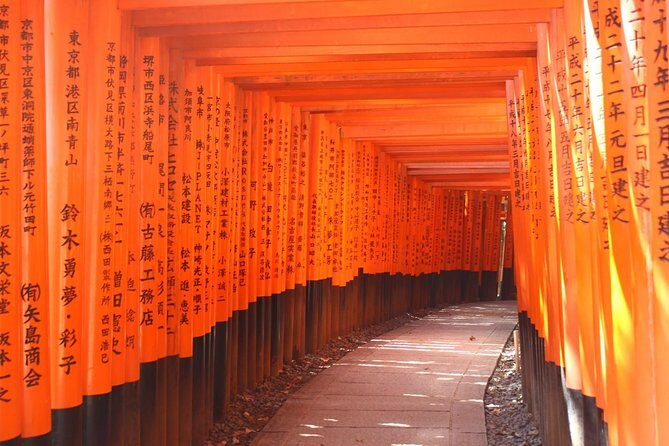
Your first stop is Fushimi Inari-taisha Shrine, and you’ll spend about 1 hour 15 minutes there, with the admission included. This is where Kyoto’s most recognizable red torii tunnel effect takes over. Thousands of gates mark a path up the mountain, and the experience is all about gradual ascent—step by step, shade by shade, viewpoint by viewpoint.
Here’s what makes a guided visit worth it: you don’t just walk under gates. You learn how the shrine fits into Japanese culture and how to read what you’re seeing as you move upward. Your guide can also point out patterns people often miss when they hurry through.
What to watch for: if you have mobility limits, plan to slow down. The torii paths can involve uneven ground and hills. Bring water even if you don’t plan to chug it, because this is the kind of walking where you feel fine at first and then the heat catches up.
Hanamikoji Street in Gion: where tradition meets the pedestrian crush
After Fushimi Inari, you take the included train ride to Gion. Then comes Hanamikoji Street, with about 15 minutes here. This is a short stop, but it’s a good one—enough time to feel the atmosphere and spot key landmarks.
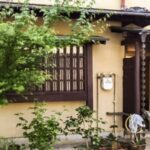
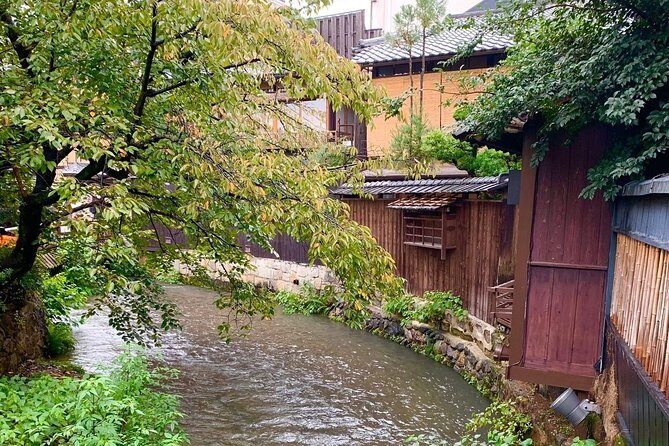
You’ll pass the Kabuki theater and stroll the tea-house lanes of Gion. Even without trying to find a specific performance or expecting anything predictable, you get that sense of place: narrow lanes, traditional facades, and a district that’s still living, not just staged.
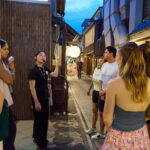
A quick note: this area can be crowded depending on timing. You’ll enjoy it more if you treat the stop as a walk-through for atmosphere, not a target to stand forever taking the same shot. Your guide can help you choose angles so you’re not just trapped in a bottleneck.
Yasui-Konpiragu and the power of wishes
Next is Yasui-Konpiragu, around 15 minutes, with admission included. This shrine has a reputation for love-related wishes—and more. People come for romantic hopes, but the vibe also includes a darker edge tied to revenge and strong emotions.
The standout detail here is the famous practice involving a power stone. The shrine route includes a crawling-through element meant to strengthen bonds with the people you care about. It’s not subtle, and it’s not something everyone wants to do, but it’s one of the most memorable hands-on cultural moments in the Higashiyama area.
Consideration: this stop is short, so if your group wants extra time for photos and slower walking, you’ll want to communicate that early. With a private setup, you have more room to nudge the timing than on a fixed group tour.



Yasaka Pagoda: the skyline marker since 1440
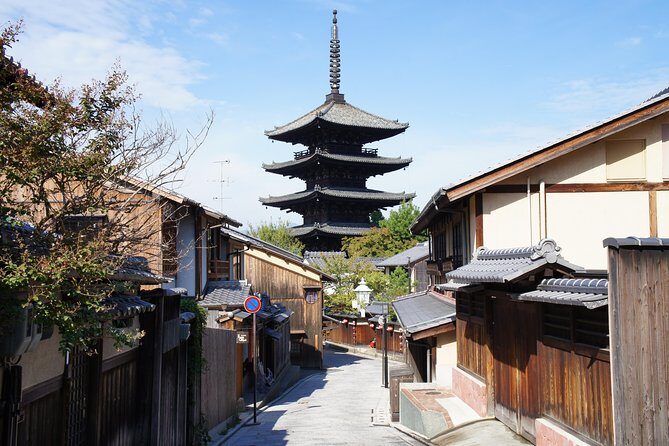
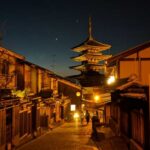
Your route also includes a stop to see the Yasaka Pagoda, which towers over the Eastern Mountain district. The pagoda’s presence has been part of the area since 1440 AD, so even when you’re just pausing for a view, you’re seeing something with deep staying power.
This is a great pause point. After the more active shrine-and-street sections, you get an easy moment to look up and orient yourself. It helps you connect the geometry of Kyoto—where sights sit relative to each other—so the day feels less like a series of disconnected stops.
Kodai-ji Temple: quieter gardens in a busy zone
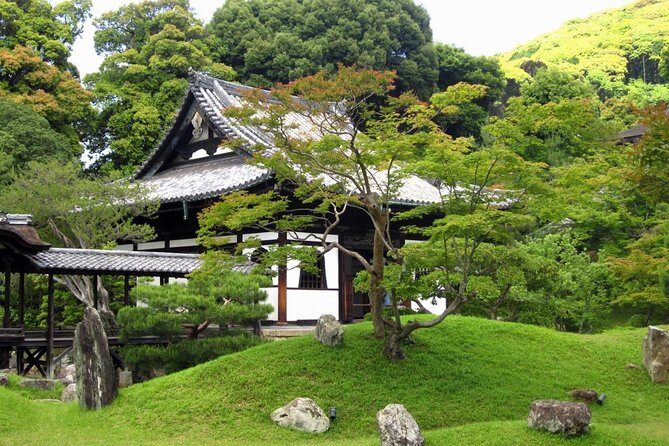
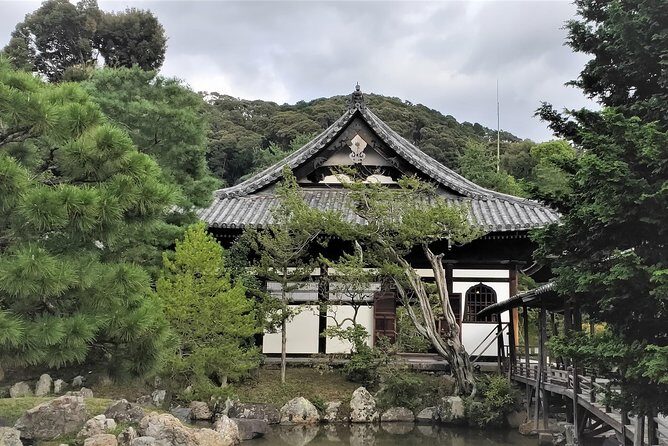
Then you move on to Kodai-ji Temple, with about 45 minutes, and admission included. Kodai-ji is a smart choice because it tends to feel calmer than some other top Kyoto must-sees. You get time to slow down and breathe, especially in the garden areas.
What I appreciate about this stop is that it balances the earlier walking intensity. You’re not constantly moving uphill under torii gates or weaving through narrow streets. Instead, you get to take in layout, plants, and temple structures at a more human pace.
Drawback to keep in mind: the day still includes hillside walking. Kodai-ji can be relaxing, but it doesn’t erase earlier hill fatigue. If your group has older members, this is a good point to do a slower walk, linger near benches, and ask your guide to pace the group.
Sannenzaka and Ninenzaka: the photo streets that actually feel old
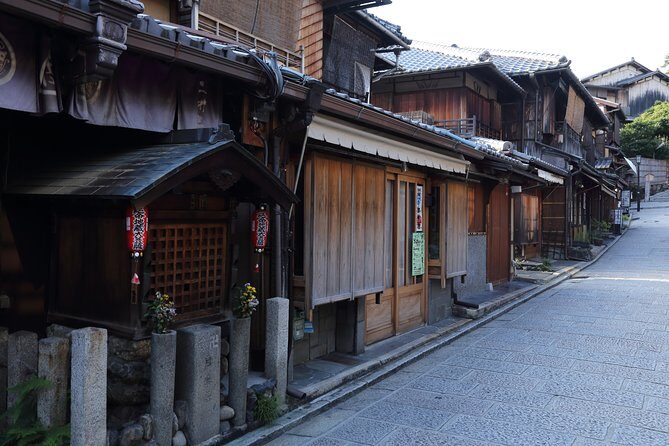
Next come Sannenzaka and Ninenzaka, about 20 minutes, with admission not required. These are preserved pilgrimage streets on the way toward Kiyomizudera, and the charm is in the details: medieval-style townhouses and an easy rhythm for wandering.
The streets also offer clear sight lines, so it’s easier to get good views without constantly turning around to find your bearings. Think of this part of the tour as your visual reset: you’ve had shrines, streets, and gardens. Now you get atmosphere and architecture in a more street-level setting.
Practical tip: this is a good place to do quick shopping looks if you want small souvenirs that feel tied to the area, not mass-produced. Just don’t let it swallow your timing—your tour is short, and it’s best to keep moving so you don’t miss the most important angles.
The guide factor: Oisin, Ferdinand, and Duygo (and what they do well)
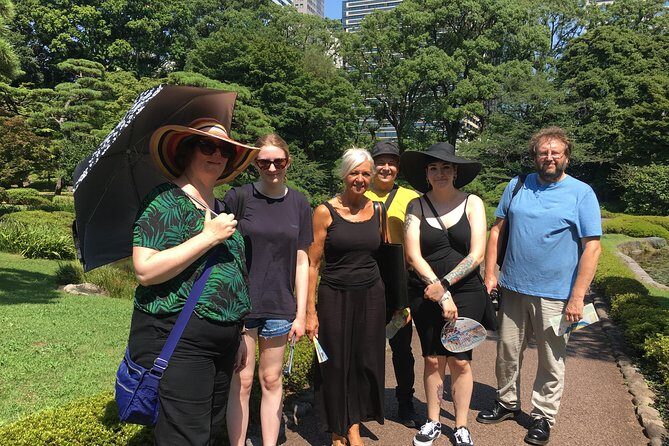
The tour’s strongest ingredient is the English-speaking guide who’s not just fluent, but also engaging. In past runs, guides including Oisin, Ferdinand, and Duygo/Duygu were praised for friendly, attentive explanations and for offering helpful context that made sites click.
One pattern I like: the guiding often includes steering people toward less busy spots where the scenery feels peaceful instead of jammed. That’s a big deal in Kyoto, where crowds can flatten your experience if you’re stuck in the loudest lane.
If your group includes older members or someone using a cane, that’s also a place where the right guide matters. Feedback from earlier groups highlighted that the guides were accommodating when hills and walking were challenging, and that the tour can still work if you go slower.
Price and value: why $129 can feel fair in Kyoto
At $129 per person for about 4 hours, this isn’t a budget bus tour—and that’s the point. You’re paying for three things that add up quickly if you DIY:
- Admissions included for the stops that charge
- Transit included for the key move from Fushimi Inari to Gion
- A private, language-strong guide who can adjust pacing and answer questions
In Kyoto, the expense often sneaks in through separate tickets, small transit costs, and the time drain of figuring things out on your own. Here, the structure is tight, and the route is built to make those four hours count.
On top of that, there are group discounts, and the tour notes that the first child (12 and under) is free, with additional children at reduced pricing. That can make the price feel much more reasonable for families who want a guided experience without tripling costs.
Walking, hills, and heat: how to make the day comfortable
This is a moderate-fitness route. The day includes multiple walking segments, some steeper hills, and you’ll be outside in changing conditions. One earlier group response also highlighted how hot weather can be intense and that more water breaks would be helpful.
So do the sensible thing:
- Bring a water bottle and plan small sips, not just big chugs
- Wear shoes with grip for uneven paths
- If you’re in a slower-moving group, tell your guide early so they can adjust the rhythm
Because it’s private, you’re not stuck pretending you can keep a fast pace. The best use of a private tour is exactly this: you control the comfort level without losing the cultural payoff.
Who this tour is best for
This tour fits best if you want a highlights route that still has meaning. It’s ideal for:
- First-time Kyoto visitors who want a coherent plan covering Fushimi Inari, Gion, and key Higashiyama stops
- People who enjoy temple and shrine culture but don’t want to spend half the day on logistics
- Small groups who prefer private guiding and the ability to ask questions in real time
- Families with kids who want an organized plan (especially since children pricing is favorable)
Should you book this private Kyoto route?
If your goal is to see the big names of Higashiyama—Fushimi Inari, Gion, Kodai-ji, and the historic streets—within a short window, this is a solid choice. The included admissions and transit reduce friction, and the best reports focus on guides who explain well and adapt the pacing when walking gets tough.
If you know you hate walking, or your group needs very low-intensity sightseeing, you might find the hill segments stressful. But if you can handle a good walk with water and breaks, this private setup is a smart way to turn a famous area into something you actually understand.
FAQ
How long is the tour?
The tour runs for about 4 hours.
Where does the tour start and end?
It starts at Inari Station (Fukakusa Inarionmaecho, Fushimi Ward, Kyoto) and ends back at the meeting point.
Is the tour private or shared?
This is a private tour/activity, so only your group participates.
Are entrance fees included?
Yes. Entrance fees to temples and shrines are included.
Is transit included?
Yes. Transit from Fushimi Inari to Gion is included.
What’s included besides guide service?
A native or equivalent English-speaking guide is included, and the tour uses a mobile ticket. Food and drinks are not included.
Is the tour suitable for people with mobility concerns?
It’s designed for people with moderate physical fitness, since there is a fair amount of walking and some steeper hills.
Can the itinerary be changed?
Yes. Since it is a private tour, you can contact the provider about changes you’d like to make to the itinerary, and they say they are flexible.
What is the cancellation refund window?
You can cancel for a full refund if you cancel at least 24 hours before the experience start time. If you cancel less than 24 hours before, the amount paid is not refunded.