REVIEW · TOKYO
Tokyo Japanese Garden Lover’s Private Tour with Government-Licensed Guide
Book on Viator →Operated by Japan Guide Agency · Bookable on Viator
Rock, sand, and silence in the city. This private Tokyo tour is built around dry, rock-and-plant garden design and guided context from a National Government–licensed local English guide with interpreter certification. I like how the day turns into more than sightseeing: you get the meaning behind stones, plants, and the quiet storytelling that Japanese gardens do so well. The other big win is flexibility—you choose the gardens you want from the options list, instead of getting forced into a fixed route.
One thing to plan for: the Imperial Palace interior isn’t included, and most gardens have admission fees not included. It’s also a walking tour, so comfortable shoes matter if you’re moving between multiple neighborhoods in a 6-hour window.
In This Review
- Key things I’d bank on
- Dry gardens are a whole language, not just pretty rocks
- Price and what your money is really buying
- Pickup on foot: easy on your schedule, strict on logistics
- Choosing your 3–4 gardens: pick by mood, not by fame
- Imperial Palace area: the big name opener, minus the inside access
- Meiji Jingu Shrine: when a city’s noise turns into forest air
- Koishikawa Korakuen and Rikugien: classic Edo-era gardens that reward slow eyes
- Kiyosumi Teien and Former Shiba Rikyu: ponds, stones, and city calm
- Hama Rikyu: sea-water ponds and a tide rhythm you can feel
- Ueno Park and Yoyogi Park: big Tokyo parks that still feel like breathing room
- Koishikawa Botanical Garden, Nezu Museum, Happo-en: when gardens connect to institutions
- Seasonal timing: Tokyo National Museum garden and other calendar-sensitive choices
- 6 hours that actually works: pacing tips for a garden day
- Who should book this private Tokyo garden walk
- Should you book this Tokyo Garden Lovers private tour?
- FAQ
- How long is the Tokyo Japanese Garden Lovers private tour?
- What is included in the price?
- Are entrance fees included for the gardens?
- Is there a vehicle pickup?
- Can I combine multiple tour groups?
- What is the cancellation policy?
Key things I’d bank on
- Government-licensed English guide + interpreter certification means explanations land in a way that’s actually useful.
- Choose 3–4 sites from a menu of famous Tokyo gardens and parks, so the day fits your interests.
- Dry “artistic” garden design gets explained through the symbolism of rocks and plants.
- Pickup is on foot, not by private vehicle, so you’ll use public transit before you join the walk.
- You get calm contrast: shrines, stroll gardens, and park paths that slow your pace inside fast Tokyo.
Dry gardens are a whole language, not just pretty rocks
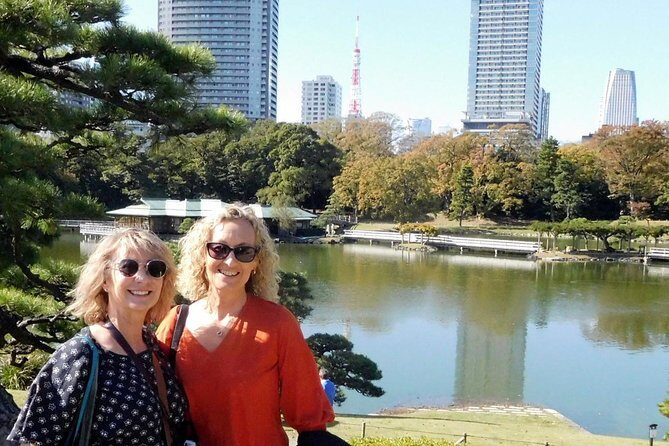
Tokyo can feel like a nonstop conveyor belt. This tour gives you a different tempo. You’ll spend time in Japanese gardens where the goal isn’t spectacle—it’s balance: rock placement, plant choice, sand lines, and the way paths guide your eyes.
The tour’s core idea is that traditional Japanese spirit symbolism can be represented through stones and plants. That sounds abstract until someone connects the design details to meaning in plain English. When a guide points out why certain elements are placed where they are, a garden stops being a photo stop and becomes a lesson you can actually use as you walk.
That symbolism also makes the day more interesting even if you’re not a hardcore garden person. You still get famous settings—Imperial-area grounds, major shrines, and large parks—but the guide helps you read them instead of just passing by.
You can also read our reviews of more guided tours in Tokyo


Price and what your money is really buying
At $154.84 per person for about 6 hours, the cost isn’t just about “being taken to gardens.” You’re paying for a licensed local guide, in English, who can interpret cultural nuance and garden design. That’s the part that saves you time and guesswork.
This tour also includes customizable 3–4 sites, which matters for value. If you only like one or two styles of gardens, you can focus your time instead of spending your day in places you’d skip anyway. And because it’s private, it stays about your group’s pace, not a mixed crowd being herded along.
One more value point: the tour uses a mobile ticket and offers group discounts, which can help if you’re traveling with friends. Still, remember: transportation, entrance fees, and lunch aren’t included, so budget extra for transit and any paid gardens you select.
Pickup on foot: easy on your schedule, strict on logistics
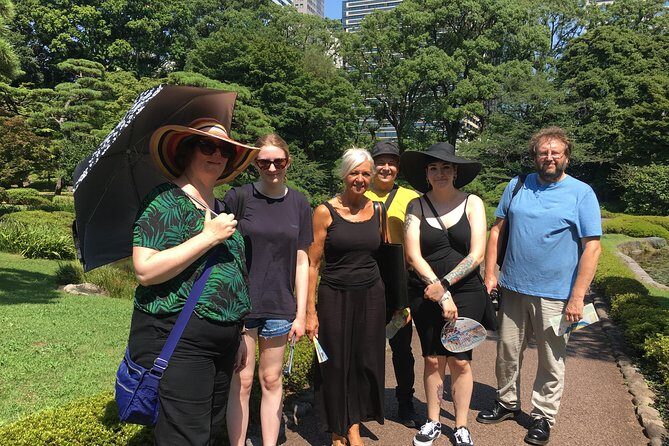
This is a walking tour, with pickup done on foot (not by private vehicle). In practice, that means you’ll meet your guide in a designated area and move through the day primarily by walking, using public transit as needed to reach each neighborhood.
This format is great when you like to wander. It’s not great when you expect a chauffeured day. You should also plan on walking days being real walking days. A couple of the stops can be short, but the overall 6-hour experience still asks you to keep moving.
From past guide experiences on this type of tour, the strongest ones help you manage the city’s transit complexity. For example, Keiko’s reviews highlighted exactly this—helping navigate Tokyo’s system so the gardens are where you expect them to be. If that’s a stress point for you, this tour format is a good fit because you’re not doing it alone.
Choosing your 3–4 gardens: pick by mood, not by fame
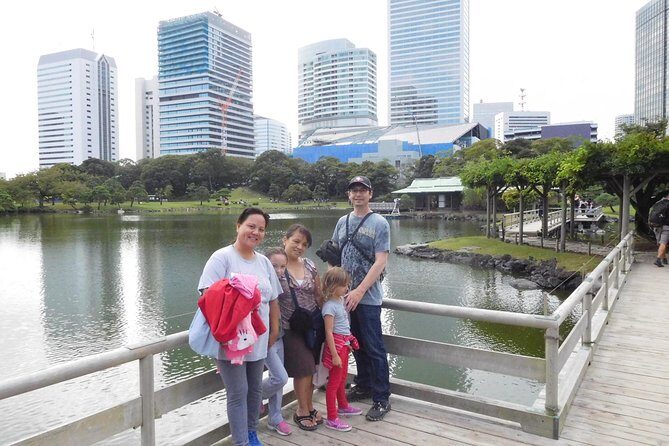
The tour is built to let you choose the gardens you want. That’s smart, because Tokyo’s garden styles don’t all “feel” the same.
Here’s an easy way to decide:
- If you like quiet, design-forward spaces, choose dry-style or classic Edo-era stroll gardens like Koishikawa Korakuen or Rikugien.
- If you want a water-and-breeze moment, pick places such as Hama Rikyu (with tidal ponds) or Kiyosumi Teien (a pond-centered stroll).
- If you want green breaks inside big-city life, add parks like Yoyogi Park or Ueno Park.
- If you want a more “museum-and-garden” vibe, select Nezu Museum and its garden setting.
Also, pay attention to how long you’ll likely spend. In the tour’s stop plan, many gardens are around 10 to 30 minutes, while a few key paid sites take longer. With only 3–4 sites in the day, you’ll want at least one centerpiece garden plus one “supporting” stop that keeps variety.
Imperial Palace area: the big name opener, minus the inside access
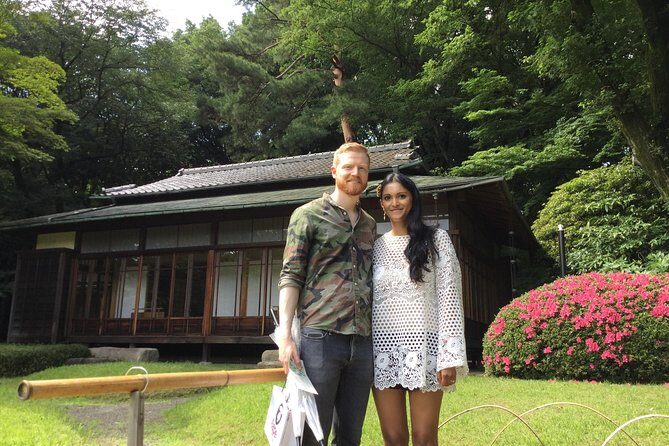
The day often starts near the Imperial Palace area. Even without access to the interior, you still get a strong introduction: the palace site is set within former Edo Castle grounds, surrounded by moats and massive stone walls.
This is a good first stop because it resets your expectations. Tokyo is loud and fast, but the scale of the palace grounds gives you immediate perspective. If you’re the kind of traveler who likes to understand geography and power centers before you move on, this works well.
The tradeoff is straightforward: you won’t go inside. If your dream is to see the interior rooms, you’ll need a different arrangement. But as a “start here and understand what the space means” moment, it’s a solid opener.
You can also read our reviews of more private tours in Tokyo





Meiji Jingu Shrine: when a city’s noise turns into forest air
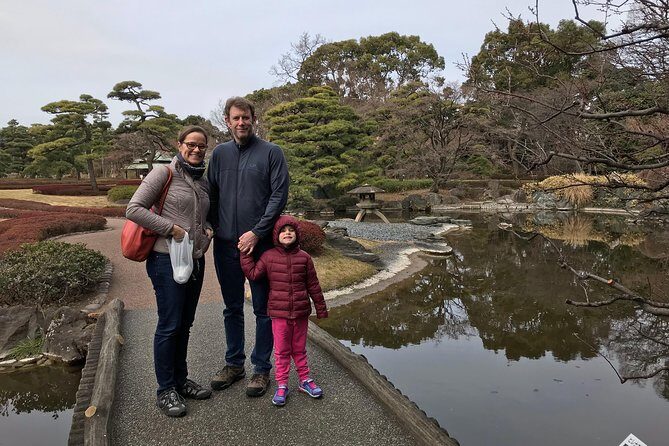
Meiji Jingu Shrine is the type of place where the transition is the experience. It’s by busy Harajuku (right beside the JR Yamanote Line), yet the shrine grounds feel like a different world.
The tour includes a visit with free admission, and it’s often a highlight because it mixes history with atmosphere. The guide can also connect the shrine experience to the broader theme of Japanese spirits and symbolic representation—something that fits perfectly with the garden design focus of the day.
One practical tip: pair this stop with a garden later that contrasts the feeling—like a strolling garden with water views or an artistic dry-style garden. That way, you’re not repeating “quiet nature” twice. You’re comparing styles.
Koishikawa Korakuen and Rikugien: classic Edo-era gardens that reward slow eyes
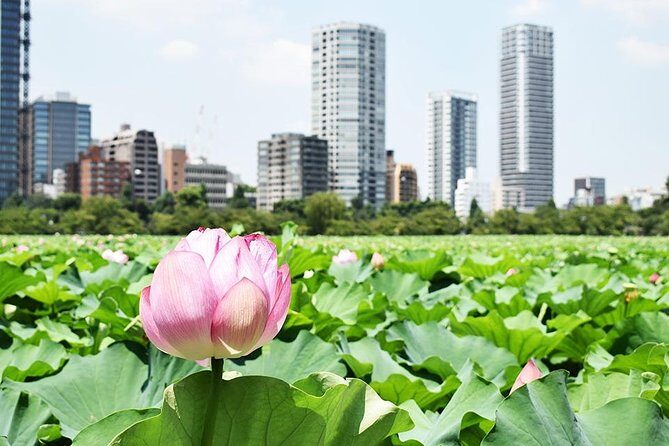
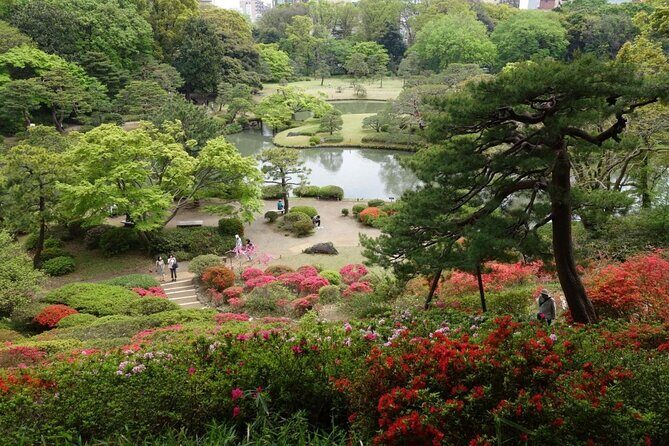
If you want gardens that feel like they’ve been studied for centuries, Koishikawa Korakuen is a top pick. It’s known as one of Tokyo’s oldest and best Japanese gardens and dates to the early Edo period. The design idea is to represent famous Japanese and Chinese sceneries in miniature—so you’re basically walking through a scale model of landscapes.
Rikugien is another major one. Built around 1700 for a Tokugawa shogun, it’s often considered one of Tokyo’s most beautiful traditional Japanese landscape gardens. The key is that it’s meant for strolling and discovering scenes as you move.
Both are excellent choices because they’re “teachable.” With a guide, you’ll learn what to look for: how paths and viewpoints are arranged and why the composition matters. That’s exactly where a government-licensed guide with interpreter certification earns its keep—you get the design logic, not just plant facts.
A balancing move: if you pick one of these as your centerpiece, you can choose a different supporting stop for variety, such as Kiyosumi Teien for a pond-centered walk or Hama Rikyu for a tide-influenced setting.
Kiyosumi Teien and Former Shiba Rikyu: ponds, stones, and city calm
Kiyosumi Teien is a pond-centered garden with walking trails and features stones placed into the pond along parts of the route. It’s a garden that feels made for unhurried movement. If you like water views and the gentle rhythm of a stroll, this is a great pick.
Former Shiba Rikyu Gardens (Kyu Shiba Rikyu) is different: it’s described as an oasis surrounded by tall buildings, with a pond and man-made hills. It used to be connected to feudal lord residences and later an imperial villa. Even without going deep into the political story, you can feel the “protected space” idea when the city rises around you.
From guide-led experience in this tour style, rain can even change what you notice—like how stone colors can look different in wet weather, and how pond moments (including koi fish sightings) add life to the scene. You don’t control the weather, but good guidance helps you get more out of whatever conditions show up.
Hama Rikyu: sea-water ponds and a tide rhythm you can feel
Hama Rikyu Gardens sits beside Tokyo Bay and is known for its seawater ponds. The pond levels change with the tides, and there’s even a teahouse in the garden setting.
This is one of those gardens that adds a real-world “mechanical” element to beauty. It’s not just visual; it’s timing. If you love atmosphere that comes from how nature behaves, Hama Rikyu fits.
Admission is not included for this garden in the tour info, so you’ll want to budget for entry. But if your time is limited to one garden with water-and-city energy, this one is a strong contender.
Ueno Park and Yoyogi Park: big Tokyo parks that still feel like breathing room
Not every stop needs to be a strict “traditional garden” to matter. Yoyogi Park gives you a huge, open setting with lawns, ponds, and forest areas. It’s a great place for jogging and picnicking vibes, and it’s generally a break from garden interiors.
The tour’s plan even treats Yoyogi in two angles: one time window for a big park feel, another for the Western-style park vibe with wide lawns, trees, and ponds. In autumn it’s known for ginkgo golden leaves. In other seasons, it still works as a spacious palate cleanser between more structured gardens.
Ueno Park adds a different energy. It’s packed with major attractions—museums, a zoo, a Toshogu shrine, and Shinobazu Pond. Ueno is also famous as a cherry blossom party spot. For your tour day, it’s useful because it’s big and flexible: even if you only have a short visit, you can still experience the area’s character.
Both Yoyogi and Ueno have free admission listed, which is handy if you’re trying to control costs in a day with multiple paid gardens.
Koishikawa Botanical Garden, Nezu Museum, Happo-en: when gardens connect to institutions
If you like plant variety and a garden that changes with seasons, consider Koishikawa Botanical Garden. It’s maintained by the University of Tokyo, and it includes many tree and plant species plus a small Japanese landscape garden. Admission isn’t included, but the education angle can be worth it, especially in spring when cherry blossoms are mentioned as particularly nice.
For a stylish pairing of art space and garden, Nezu Museum is interesting. It’s a garden highlight in the Omotesando area, and the museum ties to the former residence of Nezu Kaichiro. Admission isn’t included, but it gives you a “museum break” in the middle of a garden day, which can prevent the day from blurring together.
Happo-en is another big, seasonal-feeling park in Minato District. The name means Garden of Eight Views, and it’s described as appealing in all seasons. You’ll likely want this stop if you enjoy wide grounds and photo-friendly viewpoints.
These picks help if you don’t want a day that’s only “walk, look, repeat.” They add variety: plants, culture spaces, and bigger open scenery.
Seasonal timing: Tokyo National Museum garden and other calendar-sensitive choices
One option to consider carefully is the Tokyo National Museum Garden. The tour notes that the garden opens for the public for a few weeks during hanami (cherry blossoms) in spring and during koyo (autumn leaves) in November.
That means it’s not reliably open year-round as a garden visit for this tour. If you’re planning around a specific season (spring blossoms or autumn leaf season), that can be a huge draw. If you’re visiting outside those windows, you might choose a different garden from the list.
Also, notice how the tour’s structure is designed around short stops. That’s good when you’re visiting seasonal places—you don’t want to miss the chance because you spent the whole day in the wrong area.
6 hours that actually works: pacing tips for a garden day
A 6-hour day means you need to move smart, not fast. Many stops in the plan are around 10 to 30 minutes, so your goal is to get the story and the key viewpoints, not to do long loops everywhere.
Here’s how you’ll get the most out of it:
- Pick one centerpiece garden you want to understand deeply.
- Add one nature/park break (like Yoyogi or Ueno) so your eyes get a wider scene.
- Keep the rest as supporting stops so you can actually enjoy walking instead of just transit.
Also, bring attention to the guide. A recurring theme from guides on this tour style is that the best ones explain the nuances. For example, Shiraga Yukino-san was praised for strong English conversation and explaining garden nuances, while Minuro was noted for combining serene garden time with cultural conversation.
You’re paying for guidance, so use it. Ask what you should notice first. Ask why stones and plants are arranged the way they are. Then you’ll leave with garden memories that make sense.
Who should book this private Tokyo garden walk
This tour is a great fit if you:
- Want a private day with a licensed local guide in English.
- Like Japanese gardens enough to care about symbolism and design, not just quick photos.
- Prefer a tour where you can choose 3–4 sites so the day matches your tastes.
- Want a calm contrast to Tokyo’s speed, with shrines and parks mixed in.
It might not be the best fit if you:
- Want a long list of dozens of places (the tour is built around a smaller set of stops).
- Need inside-access to the Imperial Palace buildings.
- Don’t want to handle walking and navigating between neighborhoods in a condensed schedule.
Should you book this Tokyo Garden Lovers private tour?
If your ideal Tokyo day includes dry gardens, shrine atmosphere, and well-explained symbolism, then yes, I think this is a strong booking. The cost is easier to justify when you’re getting a government-licensed English guide and the ability to tailor the route to 3–4 gardens you actually want.
Just go in with clear expectations: walking format, no Imperial Palace interior, and entrance fees and transport are on you. If that lines up with your travel style, this can turn into one of those rare days where Tokyo feels thoughtful, quiet, and personally meaningful.
FAQ
How long is the Tokyo Japanese Garden Lovers private tour?
The tour lasts about 6 hours.
What is included in the price?
You get a licensed local English-speaking guide, a customizable walking tour selecting 3–4 sites from the listed options, and a meet-up with the guide on foot within a designated area of Tokyo. Transportation fees, entrance fees, lunch, and other personal expenses are not included.
Are entrance fees included for the gardens?
No. The tour info states that entrance fees are not included for the gardens listed as not included. It also notes that some stops (like the Imperial Palace area, Meiji Jingu, Yoyogi Park, and Ueno Park) have free admission in the provided details.
Is there a vehicle pickup?
Pickup is offered, but it is on foot, not by private vehicle. It is still a walking tour.
Can I combine multiple tour groups?
No. The tour info states you cannot combine multiple tour groups.
What is the cancellation policy?
You can cancel for a full refund if you cancel at least 24 hours before the experience start time. If you cancel less than 24 hours before, the amount paid is not refunded.