REVIEW · OSAKA
Make Sushi and Create Unforgettable Memories in Osaka
Book on Viator →Operated by Sushi Making Tokyo Cooking Class in Japan · Bookable on Viator
Roll sushi in Osaka feels oddly freeing. In about 1 hour 40 minutes, you’ll learn the basics of roll sushi and nigiri with an English-speaking guide in a hands-on class, in an area convenient for eating around Dotonbori and Shinsaibashi.
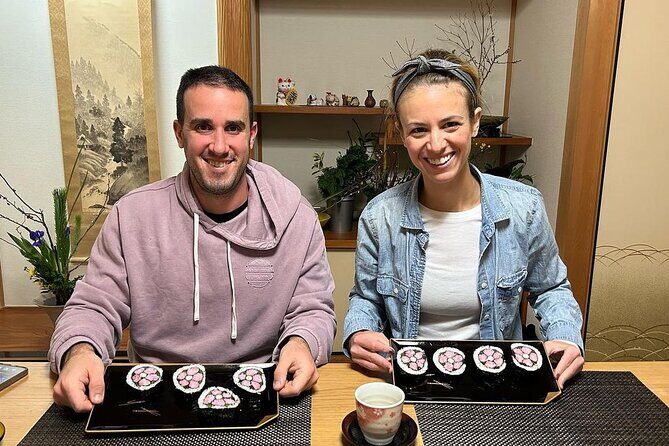
What I especially like is that you’re not just watching—you’re making. You’ll step through sushi techniques at a beginner-friendly pace, then sit down to enjoy the sushi you created and snap photos right after.
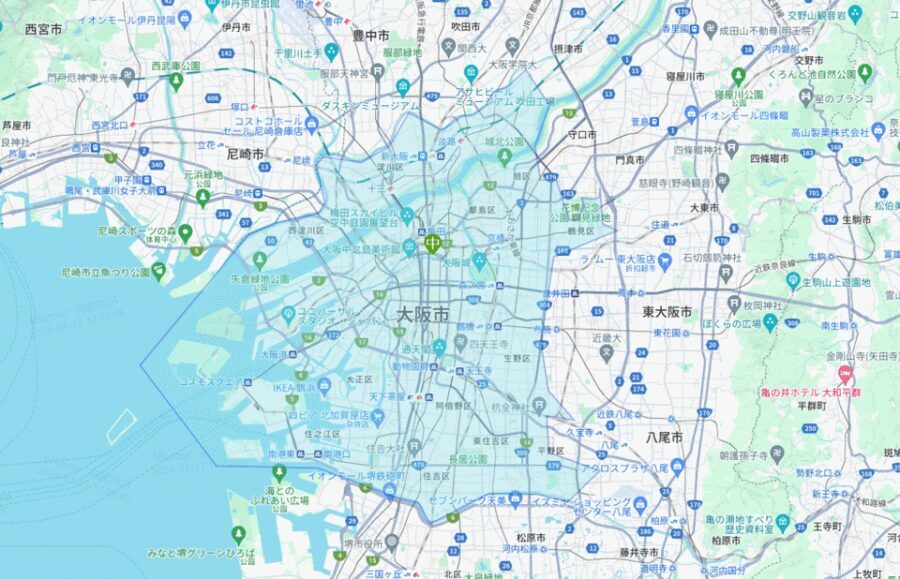
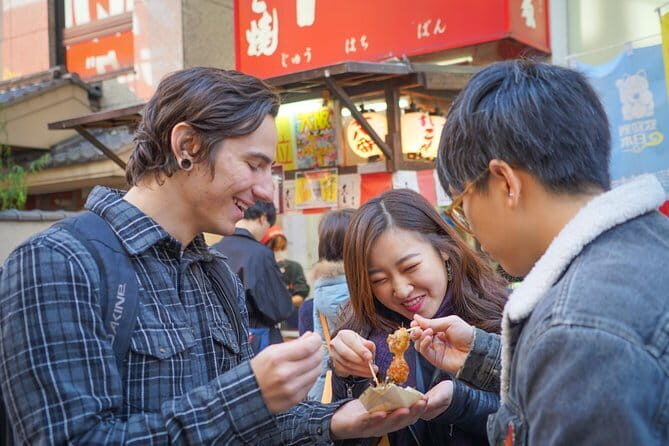
The other big win for me is the location energy. This is in the middle of Osaka’s food world, so it’s easy to pair the class with real street-food wandering before or after. The only drawback: there’s no hotel pickup or drop-off, so you’ll want to plan your own way to the meeting area.
In This Review
- Key reasons this Osaka sushi class is worth your time
- Sushi class vibes: why Osaka works so well for this
- Getting there near Dotonbori and Shinsaibashi (without the stress)
- Inside the class: roll sushi first, then nigiri
- What you get to eat (and why it’s not just a snack)
- A note on sake sampling you might encounter
- The photo moment: your sushi, your proof
- Price and value: what $35.93 buys you in Osaka
- Who this Osaka sushi making class fits best
- Booking and planning: smart ways to get the most out of it
- Should you book Sushi Making Osaka?
- FAQ
- How long is the sushi making class in Osaka?
- What is the price per person?
- Is pickup from my hotel included?
- Do I need previous sushi experience?
- Is instruction available in English?
- What will I learn to make?
- Is a mobile ticket used?
- How and when will I get confirmation?
- Can I bring a service animal?
- Can I cancel for a full refund?
Key reasons this Osaka sushi class is worth your time
- You learn both rolls and nigiri, not just one style of sushi
- English-speaking instruction makes the techniques easy to follow
- You eat what you make, so the class feels practical, not performative
- Beginner-friendly guidance, even if you’ve never handled sushi rice before
- Close to Dotonbori and Shinsaibashi, handy for a full food day
- Strong reputation, including two-time TripAdvisor Best of the Best recognition
Sushi class vibes: why Osaka works so well for this
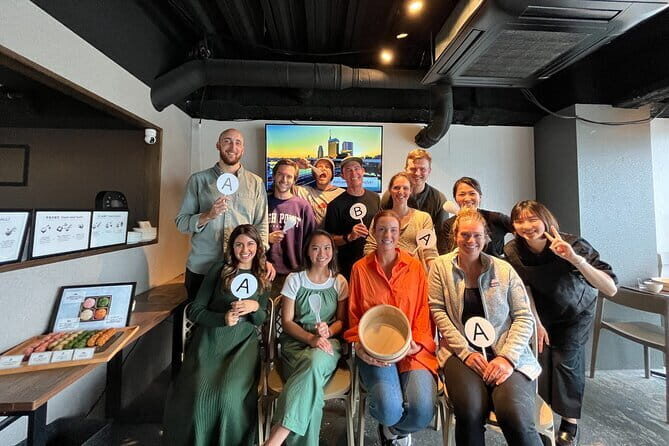
Osaka is a city where food is part of daily life, not just a tourist activity. That matters here, because sushi can feel intimidating until someone shows you the motions step by step. In this class, the goal is simple: you’ll learn how to make roll sushi and authentic nigiri without needing prior experience.
I like that the class is framed as a shared memory. Instead of a rushed demo, you get a relaxed cooking experience aimed at making sure your hands—and your plate—match what you’re learning. It’s the kind of activity that turns travel into something you can repeat later at home, not just something you remember from photos.
The “authentic” part also matters. You’re not only learning how to assemble rolls; you’re guided on nigiri too, which is where sushi skills start to feel real. Even if you don’t nail every detail on the first try, you’ll leave understanding what good sushi is built on: rice texture, knife-level attention (even if you’re not using a chef’s knife skills), and how toppings are placed.
You can also read our reviews of more tours and experiences in Osaka.


Getting there near Dotonbori and Shinsaibashi (without the stress)
This experience is set up near Dotonbori and Shinsaibashi, one of the most convenient bases for visitors who want to eat their way across town. The practical upside: you can fit this class into a bigger food day and still keep your schedule intact.
There’s also no hotel pickup and drop-off. So you’ll want to treat this as a go-and-do activity where you arrive on your own, then return to the area after. The good news is it’s near public transportation, so you’re not stuck with taxi costs if you time it well.
My advice is to plan your timing around your energy. The class is long enough to feel like an actual cooking session (about 1 hour 40 minutes), but short enough that you can still do a classic evening route in Dotonbori right afterward. If you try to stack it with too much else, sushi-making can be a bit of a mental workout because you’re learning a process, not just sampling.
Inside the class: roll sushi first, then nigiri
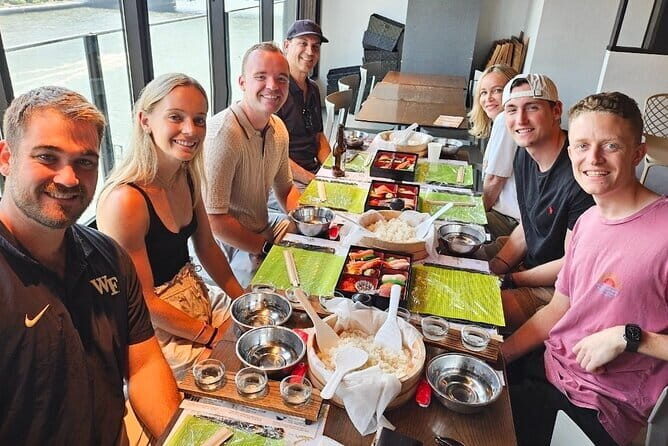
The format is straightforward: an English-speaking instructor guides you step by step, and you make sushi with the help of the group setup and materials provided. The class covers both roll sushi and nigiri, and that combination is exactly why this is a good “first sushi class” option.
Here’s what that typically feels like in practice:
You’ll start with the hands-on basics for rolling. Sushi rolls are where most people get stuck—rice consistency, how to spread it, and how to keep the shape without overthinking it. Having an instructor explain the process and correct mistakes early is the difference between a roll that collapses and one that holds together for a bite.
Then you’ll shift to nigiri. Nigiri is simpler in ingredients but more specific in technique. It’s about rice mound shape and how the topping sits. Even without chef-level precision, you’ll learn what to aim for and why nigiri looks the way it does. This is also where the class feels most “Japanese” in its focus: it’s less about gadgets and more about attention.
Throughout, the instructor also brings in cultural insights alongside the cooking. I find this especially useful because it helps you understand what you’re doing, not just how. When you know the reasoning—texture, balance, and placement—you’re more likely to remember the steps after you leave.
What you get to eat (and why it’s not just a snack)
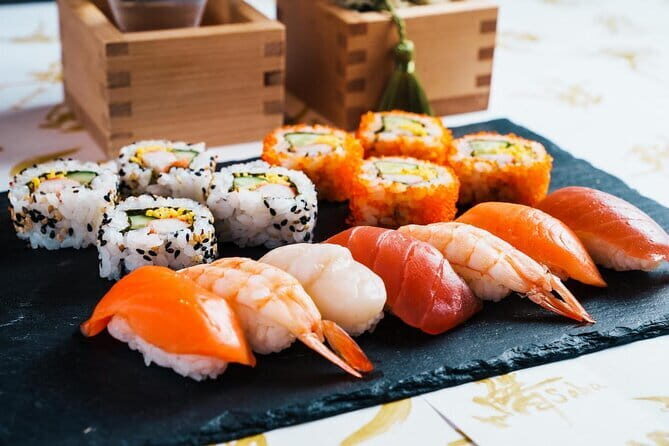
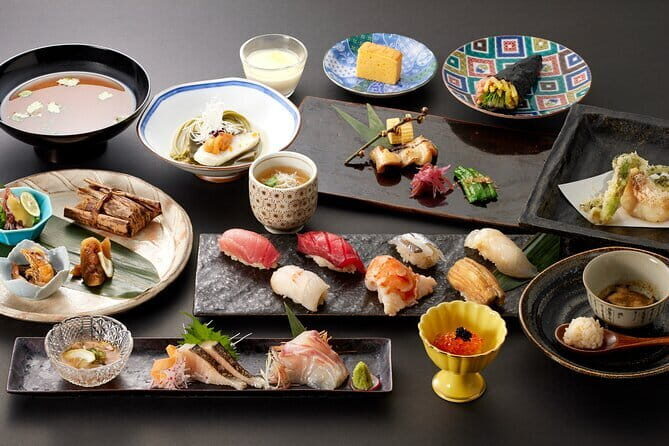
The price includes the ingredients and the meal. That means you should walk in expecting to eat what you make, not just taste a sample. For a sushi cooking experience, this is a big part of the value: you pay for skills and then you cash those skills in on your own plate.
What’s included is also a good match for a “food-focused traveler” day. You’ll finish the class satisfied, not hungry, which lets you skip the immediate post-class scramble to find food. If you’re planning to explore the Dotonbori and Shinsaibashi area afterward, you can go slower—less meal hunting, more wandering.
One practical tip: eat mindfully during the class meal. If you wait until after you finish everything else for the day, you’ll forget what you did that made your sushi come out well (or wrong). If you taste as you go, you’ll connect flavor to technique, which makes the whole experience more memorable.
A note on sake sampling you might encounter
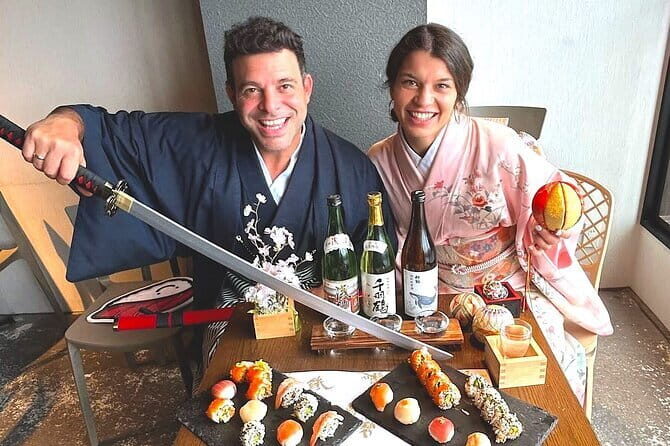
In one write-up associated with this experience, the staff included a moment with three sake samples and snacks, along with a view over water. Your exact program can vary, and the class description doesn’t promise that every time. But if you’re a sake fan, it’s worth checking ahead so you can plan your night accordingly.



The photo moment: your sushi, your proof

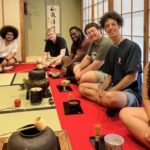
You’ll have time to take photos after making your sushi. This is a small detail, but it’s smart. Sushi is visual, and what you create is the best way to measure your progress.
I like that the experience gives you a straightforward memory payoff. You’re not just collecting images of food. You’re photographing the result of your work—rolls you shaped, nigiri you built—so the pictures mean something more than typical “we ate here” snapshots.
If you’re traveling with friends or family, this part also boosts the social value. Cooking turns a group activity into a shared project, and photos become documentation, not just decoration.
Price and value: what $35.93 buys you in Osaka
At about $35.93 per person, this class is priced like a realistic, pay-for-ingredients experience rather than a premium, all-day chef extravaganza. You’re paying for three things: guided instruction in English, ingredients for the meal, and a session long enough to learn a process.
To judge whether it’s good value, compare it to the cost of eating sushi at sit-down spots every day plus the cost of a hands-on activity. Here, the meal and the learning are bundled. That means the price doesn’t just buy entertainment—it buys food plus skills.
Another value factor is timing. At around 1 hour 40 minutes, you get a meaningful activity without losing half a day. That matters in Osaka because you’ll want time for nearby neighborhoods. This class also has a simple format: one main cooking session, focused and digestible.
If you’re on a budget but still want to do something interactive that feels authentically Japanese, this is one of the easier picks. You’re learning fundamental sushi techniques, not just attending a performance.
Who this Osaka sushi making class fits best
This is ideal if you:
- Want to learn sushi basics without prior experience
- Prefer structured, guided steps over trial-and-error
- Like food experiences that end with you eating what you made
- Are staying near Dotonbori or Shinsaibashi and want a practical activity nearby
- Travel solo or with a group and want a shared project
It’s also a solid choice if you want a fun break from museum time. Cooking classes work well when you’re carrying curiosity but not energy for another long walking day.
Two quick considerations:
1) No hotel pickup means you need to plan your own route to the meeting area.
2) Because it’s beginner-friendly, you’ll likely learn fundamentals more than advanced, restaurant-level tricks—but that’s exactly what makes it approachable.
Booking and planning: smart ways to get the most out of it
A couple of planning notes will help you enjoy the class more.
First, book with your schedule in mind. The experience is typically booked about 29 days in advance on average. If you’re traveling in peak season or on a weekend, that lead time can matter.
Second, think about what you’ll do before the class. Since you’ll eat during the session, avoid arriving starving from a long morning of snack chasing. A little hunger is fine—it helps you focus—but don’t overdo it with heavy meals beforehand.
Finally, treat the class as skill-building. If you go in thinking it’s just a fun photo stop, you’ll still have a good time. But if you go in curious—watching the instructor, asking yourself what makes a roll hold together—you’ll leave with something you can actually use.
Should you book Sushi Making Osaka?
Yes, if you want an English-friendly, hands-on Osaka food activity that ends with you eating what you made. The mix of roll sushi and nigiri gives you a fuller sushi foundation than many single-style classes, and the location near Dotonbori and Shinsaibashi makes it easy to slot into a real food day.
Skip it only if you strongly prefer gourmet, long-course dining over cooking basics, or if you don’t want to handle transportation planning since pickup isn’t included.
If you’re the type of traveler who likes to come home with a story you can repeat—then this is the kind of class that sticks.
FAQ
How long is the sushi making class in Osaka?
It lasts about 1 hour 40 minutes.
What is the price per person?
The price is $35.93 per person.
Is pickup from my hotel included?
No. Hotel pickup and drop-off are not included.
Do I need previous sushi experience?
No experience is needed. Most travelers can participate.
Is instruction available in English?
Yes. The class includes an English-speaking instructor.
What will I learn to make?
You’ll learn how to make sushi rolls and authentic Japanese sushi (including nigiri) step by step.
Is a mobile ticket used?
Yes, the experience includes a mobile ticket.
How and when will I get confirmation?
Confirmation is received at time of booking.
Can I bring a service animal?
Service animals are allowed.
Can I cancel for a full refund?
Yes. You can cancel up to 24 hours in advance for a full refund. If you cancel less than 24 hours before the start time, the amount paid won’t be refunded.