REVIEW · TOKYO
Matcha table tea ceremony experience in Tokyo
Book on Viator →Operated by Shuminavi Inc. · Bookable on Viator
A quiet table, a trained hand, and a real lesson in matcha. This table tea ceremony in Meguro lets you learn from Masumi Matsumoto, a master instructor, and actually make tea yourself. I love the hands-on whisk practice, and I also like that you can do it sitting comfortably at a chair instead of on the floor. One possible drawback: at $65.04 per person for about 2 hours, it’s best if you’re here for etiquette and technique, not just a quick snack.
The small group size (up to 5) keeps things personal, and the session is built around clear explanations in English plus tasting. You’ll start with matcha and seasonal Japanese sweets, then shift into making and serving your own cup. If you get anxious when there’s little time to freestyle or wander, this structured format may feel more “class” than “show.”
In This Review
- Key things to know before you go
- Why the chair-and-table format changes everything in Meguro
- Meeting Masumi Matsumoto and what you’ll learn from a master
- The two-hour schedule: tasting first, then making your own cup
- Part 1: explanation plus matcha and seasonal sweets
- Part 2: hands-on whisk practice and serving
- What sitting at the table teaches you (and what it doesn’t)
- The matcha whisk: the technique you’ll actually remember
- Seasonal wagashi and how it fits the tea ritual
- Price and value: is $65.04 a good deal for this?
- Getting there smoothly: Toritsudaigaku Station makes it easy
- Who this matcha table ceremony is perfect for
- Quick travel tips to get more out of the lesson
- Should you book this matcha table tea ceremony in Tokyo?
- FAQ
- How long is the matcha table tea ceremony experience?
- Where does the experience take place, and how do I get there?
- Is there a limit on group size?
- Do I have to sit on the floor?
- What’s included during the ceremony?
- Is free cancellation available?
Key things to know before you go
- Master instructor teaching: Masumi Matsumoto is a Master Instructor of the Japan Table Tea Ceremony Association.
- Chair-and-table format: You don’t need floor seating; you’ll sit at a table.
- Two-part flow: taste first (matcha + seasonal sweets), then make and serve tea.
- Whisk technique focus: you’ll learn how to use a special matcha whisk during the hands-on portion.
- Intimate group size: maximum of 5 travelers, so questions actually fit in.
Why the chair-and-table format changes everything in Meguro
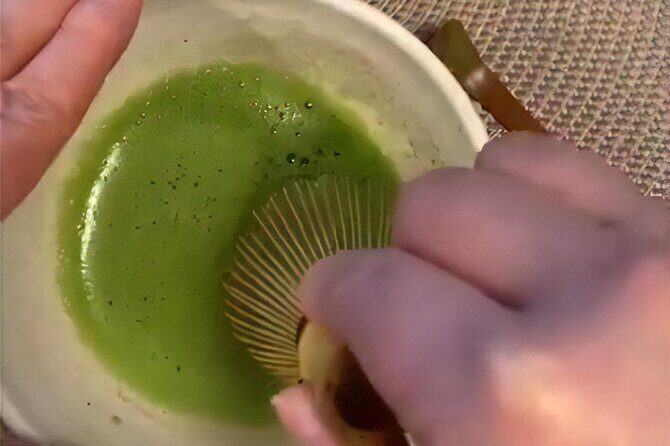
I like my cultural experiences to feel doable. This table tea ceremony is built for real humans who don’t want to commit to floor seating. You’ll sit at a table, which makes it easier to concentrate on the steps instead of fighting your legs.
That matters more than you might think. Tea ceremony is all about attention: posture, timing, movements, and how you handle the whisk and bowl. When you’re comfortable, the lesson lands faster. And when you’re uncomfortable, you tend to rush, which is the opposite of what the instructor is aiming for.
Meguro-ku is also a smart choice for this kind of activity. You’re not doing a “grab-and-go” stop in the middle of a mega-crowded sightseeing route. The meeting point is a short walk from Toritsudaigaku Station, about 2 minutes, which keeps the day stress low.
You can also read our reviews of more tours and experiences in Tokyo.



Meeting Masumi Matsumoto and what you’ll learn from a master
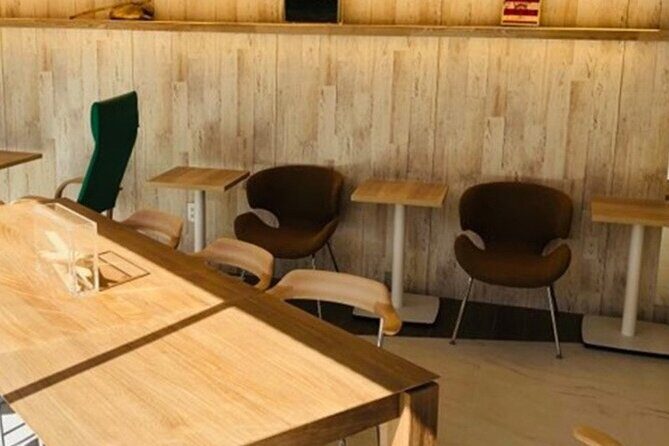
This experience centers on Masumi Matsumoto, a Master Instructor with the Japan Table Tea Ceremony Association. The big win here is not just that someone can perform the ceremony. It’s that you get a guided lesson with context: history of matcha tea, plus the manners and spirit behind the ritual.
From what the instructor emphasizes, the goal is hospitality and calm focus, not showing off complicated rules. The atmosphere is designed to feel welcoming even if you’re a beginner. If you’ve ever been intimidated by formal Japanese traditions, this setup aims to make the learning curve feel reasonable.
Also, the instruction style is practical. You’re taught how to enjoy tea, how to handle the tools, and what to pay attention to while you taste. That’s the difference between watching a performance and actually learning something you can repeat.
One more point: the class is small, and that changes the energy. With a maximum of 5 travelers, you’re not just following along like a row in a lecture hall. You can ask questions and get feedback when you’re practicing the whisk.
The two-hour schedule: tasting first, then making your own cup
The ceremony is about 2 hours total, and it’s arranged in a way that helps your brain learn. First you taste and observe. Then you do.
Part 1: explanation plus matcha and seasonal sweets
The session begins with an introduction to how to enjoy the tea ceremony. You’ll get guidance on tea manners and what to look for as you taste matcha. Then the instructor serves matcha green tea along with seasonal Japanese sweets.
Those sweets are wagashi, and they change with the seasons. That’s not a throwaway detail. Wagashi often shapes the whole tea experience: the flavors and textures set the mood before the matcha hits your palate. Expect the instructor to frame the tasting in a way that helps you notice aroma, balance, and how sweet and bitter interact.
A helpful way to think about this part: it’s your calibration phase. You’re learning what good matcha feels like when it’s prepared properly, so your later whisking makes more sense.
Part 2: hands-on whisk practice and serving
After tasting, you move into the practical portion. This is where you actually experience making tea using a matcha whisk. You’ll prepare and serve your own cup, following the steps demonstrated by Masumi Matsumoto.
The hands-on focus is the core reason I think this class is worth your time. You won’t just leave with a photo. You’ll leave with muscle memory for at least the basic whisk technique and serving motions that match the table tea style.
The instructor’s goal is that you can recreate the experience at home. That doesn’t mean you’ll suddenly become a full tea master by dinner. But you should be able to make matcha with better technique and better attention than you would with a casual supermarket approach.






What sitting at the table teaches you (and what it doesn’t)
If you’re wondering whether a chair-and-table version still feels authentic, I get it. “Table tea ceremony” sounds modern, but the point is adaptation, not watered-down ritual.
The format still teaches the same essentials: careful handling, respectful pace, and a mindset of calm attention. The difference is comfort. Instead of wrestling with floor seating, you keep your focus on learning the movements and timing.
That’s a real advantage if:
- you’re traveling with kids or anyone who doesn’t do well on the floor
- you want the cultural experience without the physical challenge
- you prefer a lesson you can follow closely without pain or stiffness stealing your attention
The one thing it doesn’t do is give you the full body experience of traditional floor seating. If you specifically came for floor posture, this won’t match that expectation. But for most people, the chair format makes the lesson actually stick.
The matcha whisk: the technique you’ll actually remember
The star tool here is the matcha whisk. The ceremony includes a tutorial on how to use it properly, and that’s where a lot of the value lives.
Matcha whisking is one of those “small motion, big outcome” skills. Get it wrong and you can end up with poor texture or weak froth. Get it right and the tea feels smoother, more balanced, and more enjoyable.
I especially like that the class teaches you while you’re tasting and preparing. You’re not learning in theory only. You see the technique, then you practice it, then you connect it to what you taste.
This is also where the small group size helps. When your group is tiny, the instructor can keep an eye on your movements and timing. That feedback loop matters for beginners.
Seasonal wagashi and how it fits the tea ritual
The sweets are seasonal, so you won’t get the exact same wagashi every time. That’s good news if you like variety and want the experience to feel tied to the moment, not copied from a generic script.
Wagashi isn’t meant to overpower matcha. It’s part of the rhythm. You taste something sweet and often delicate first, then the matcha provides a different sensation—bitter, smooth, and concentrated.
Even if you’re new to Japanese sweets, the ceremony’s structure helps you interpret what you’re eating. You’re not just chewing and hoping it makes sense. You’re learning how the sweet and the tea work together in a planned sequence.
Price and value: is $65.04 a good deal for this?
Let’s talk money like adults. At $65.04 per person for about 2 hours, this isn’t a cheap “walk in and taste” activity. But it can be good value if you want instruction and hands-on practice.
Here’s what you’re paying for:
- a master instructor (not a casual demo)
- a small group capped at 5
- matcha plus seasonal sweets
- a practical lesson on whisk use
- a chair-and-table setup that makes the experience accessible
If your priority is learning technique and etiquette you can repeat, the price starts to make sense. If your priority is “a fast cultural hit” while you keep moving to other sights, you might decide it’s too structured for your schedule.
A useful detail: average booking is about 98 days in advance. That suggests popular times can fill up. If this is high on your list, don’t wait for the last minute.
Getting there smoothly: Toritsudaigaku Station makes it easy
Logistics matter, especially when you’re trying to enjoy Japan instead of navigating it at full stress.
This experience meets near Toritsudaigaku Station. You’re looking at roughly a 2-minute walk. That makes it easy to pair with an afternoon in Meguro.
Your meeting point is listed as 1-chōme-9-1 Nakane, Meguro City, Tokyo 152-0031, Japan, and the experience ends back at the meeting point. That reduces uncertainty. You won’t be figuring out a second address while you’re hungry or jet-lagged.
Also, it uses a mobile ticket, which is convenient if you’re already traveling paper-light.
Who this matcha table ceremony is perfect for
I think this tour fits best if you want a calm, guided cultural experience with real participation.
It’s especially a good match for:
- first-timers to tea ceremony
- people who prefer a casual, beginner-friendly feel
- families (the instructor’s English explanation and detailed guidance make it easier for kids to follow along)
- anyone who wants a chair format instead of floor seating
- travelers who like learning practical skills, not just collecting memories
If you’re the kind of traveler who wants constant action, shopping time, or a long meal, you may find the two-hour structure tight. But if you like thoughtful experiences, this is the kind of activity you can talk about for a long time.
Quick travel tips to get more out of the lesson
You’ll get the best results if you show up ready to focus for the full session. Wear something comfortable since you’ll be sitting at a table for the hands-on portion.
A small mindset tip: go in hungry, but not ravenous. You’ll taste matcha and seasonal wagashi, so it’s easier to pay attention if you’re not starving.
And if you’re worried about language, the instruction is in English according to the experience feedback. That means you should be able to follow the history, spirit, and manners portion without constantly guessing.
Should you book this matcha table tea ceremony in Tokyo?
If you want a real, hands-on matcha skill and you like respectful, calm cultural learning, this is an excellent pick. The chair-and-table setup makes it accessible, the group size stays intimate, and the lesson is led by Masumi Matsumoto with a focus on technique you can recreate.
I’d skip it only if you’re mainly looking for a casual food stop or you’re not interested in tea etiquette and the whisk process. This is a focused class, not a wandering tasting.
If you decide to go, book ahead. With an average booking window of 98 days, popular time slots can fill, and you don’t want to end up scrambling near your trip dates.
FAQ
How long is the matcha table tea ceremony experience?
It lasts about 2 hours (approx.).
Where does the experience take place, and how do I get there?
The session is in Meguro-ku, Tokyo, and it’s a 2-minute walk from Toritsudaigaku Station. The meeting point is 1-chōme-9-1 Nakane, Meguro City, Tokyo 152-0031, Japan.
Is there a limit on group size?
Yes. The experience has a maximum of 5 travelers.
Do I have to sit on the floor?
No. This is a chair-and-table table tea ceremony, so even if you are not good at sitting on the floor, you can participate while seated at a table.
What’s included during the ceremony?
You’ll have matcha prepared for you, plus seasonal Japanese sweets. In the second half, you’ll also experience making and serving tea using a tea whisk.
Is free cancellation available?
Yes. You can cancel for a full refund up to 24 hours in advance of the experience start time.