REVIEW · OSAKA
Matcha Tea Bowl Experience in Osaka
Book on GetYourGuide →Operated by Tocoton LLC · Bookable on GetYourGuide
A matcha bowl workshop sounds simple until you watch how much thought goes into every cut of clay. What I love most is the hands-on kurinuki carving that turns wabi-sabi into something you can actually hold, and the way Anna keeps things friendly while teaching serious craft. One drawback to plan for: your bowl is made during the session, then fired and glazed later, so you won’t get it immediately—shipping is about two months and not included in the price.
You’ll learn more than “how to make a thing.” You’ll also get the cultural threads that explain why a chawan matters in the tea ceremony and how Japanese design values show up in everyday objects. The workshop runs as a private group, with instruction in English, Spanish, Catalan, or Japanese depending on what’s available.
You’ll start at JR Teradacho Station (north exit) and look for the Ceramics Tocoton sign. Then you’ll decorate, sign your bowl with Japanese characters, choose a color, and enjoy matcha with Japanese sweets—plus a ceramic gift to take home right away. If you’re interested, there’s also an optional add-on that brings in tea ceremony basics with Kiyomi and Masako before you head into the pottery part.
In This Review
- Key highlights you’ll feel right away
- Kurinuki Matcha Chawan Crafting in Osaka’s Ikuno Ward
- Price and What You Actually Get for About $83
- Getting There: JR Teradacho Pick-Up and Quick Start
- Inside the Workshop: From Clay Tools to Kurinuki Texture
- Cultural Context You’ll Actually Use: Why the Bowl Matters
- Matcha + Japanese Sweets: The Tea-Bowl Moment
- The Same-Day Ceramic Gift (and Why It’s Not Just a “Bonus”)
- Optional Add-On: Tea Ceremony Basics with Kiyomi and Masako
- Take-Home Timing: Your Fired Bowl Ships in About Two Months
- Who This Workshop Suits Best (and Who Should Rethink It)
- What to Ask Anna Before You Carve (Quick Prep Tips)
- Should You Book This Matcha Bowl Experience in Osaka?
- FAQ
- How long is the matcha tea bowl experience in Osaka?
- What languages are available for the workshop?
- Do I take the bowl home the same day?
- What’s included in the price, and what’s not?
- Is there an option to add tea ceremony instruction?
- Is this workshop suitable for kids or wheelchair users?
Key highlights you’ll feel right away
- Kurinuki technique: carving clay with tools to make a truly personal bowl
- Wabi-sabi design logic: learn why imperfections and texture are valued
- Anna’s teaching style: clear guidance plus practical help with small mistakes
- Matcha with sweets: a real taste of how the bowl is meant to be used
- Take-home value: a ceramic gift the same day, and your finished bowl shipped later
- Optional tea ceremony add-on: tea basics with Kiyomi and Masako, then pottery with Anna
Kurinuki Matcha Chawan Crafting in Osaka’s Ikuno Ward
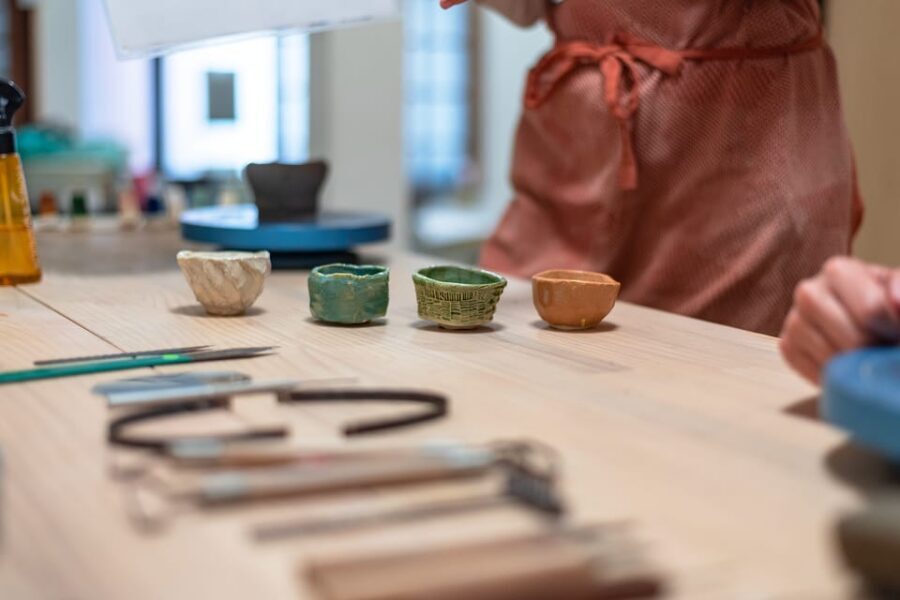
This experience is built around a matcha tea bowl (a chawan)—but it’s not the kind of “touristy souvenir” where you stamp out the same design as everyone else. The heart of the workshop is the kurinuki carving technique, where you carve directly into the clay. That means the bowl’s texture and shape are shaped by your choices, not by a mold.
You’re not just decorating for looks. You’re learning how Japanese craft connects everyday objects to the tea ceremony mindset: calm attention, respect for materials, and an acceptance of the handmade result. When the clay marks look slightly irregular, that’s not a flaw—it’s the whole point.
The workshop also happens in a traditional setting, which helps the experience land where it should: with your hands busy and your mind slowing down. Private-group formats make a difference here. You get time to ask questions, and it’s easier for the instructor to correct what your hands are doing in the moment.
You can also read our reviews of more tours and experiences in Osaka.



Price and What You Actually Get for About $83
At $83 per person, the value comes from the mix of materials, instruction, and the fact that you leave with both a day-of ceramic gift and a custom bowl you designed. You’re also getting cultural context tied to what you’re making, not just a how-to.
Here’s the honest part: the bowl you carve won’t arrive at your door instantly. Your finished piece is shipped later (about two months), and the shipping cost is not included. So the price covers the workshop and your piece creation, but you’ll likely add shipping depending on where you’re going.
If you’ve done quick pottery classes before, you’ll notice the focus here is narrower and more meaningful. This isn’t about making a random dish you might never use. It’s about creating something designed for matcha, then understanding how it fits into tea culture.
Getting There: JR Teradacho Pick-Up and Quick Start
You meet at JR Teradacho Station (north exit). The easiest way to find the right spot is to look for a sign that says Ceramics Tocoton.
The workshop includes a station pick-up service, so you aren’t left hunting through a neighborhood with a coffee in your hand and your translation app out. Still, do plan for punctuality. If you’re more than 15 minutes late, it can be treated as a no-show—so set a realistic buffer, especially if you’re arriving from Osaka Station or Namba.
Once you’re picked up and settled, you’ll start with the carving process. That’s usually when the workshop becomes addictive—in a good way. Clay work makes time feel different, and the instructor’s pace helps even first-timers keep up.
Inside the Workshop: From Clay Tools to Kurinuki Texture
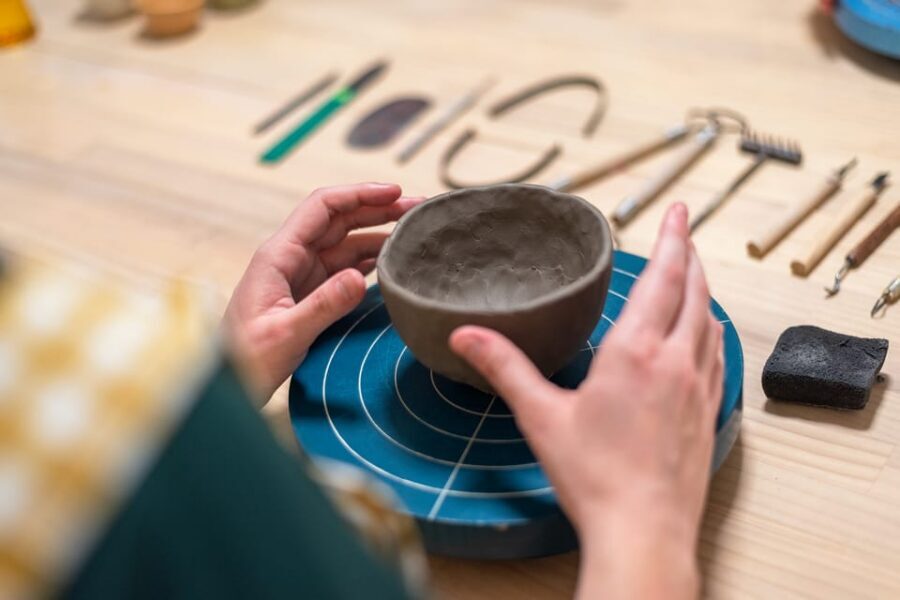
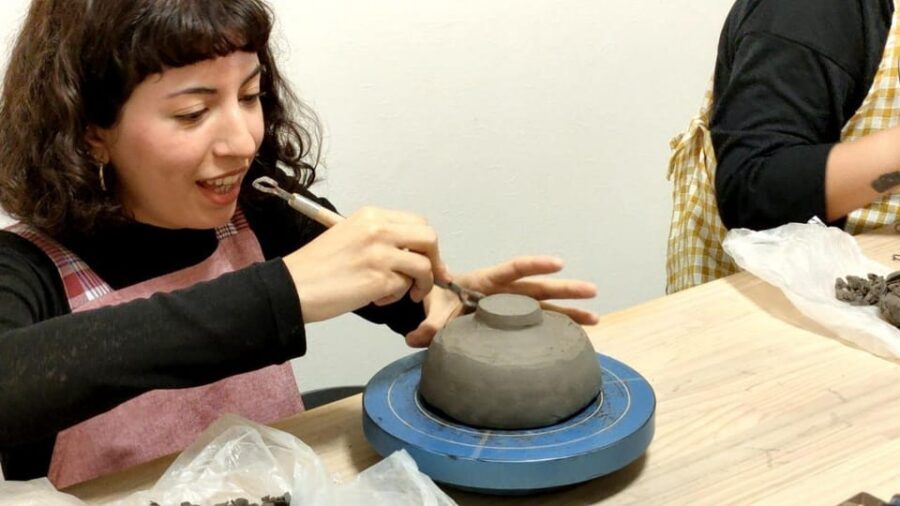
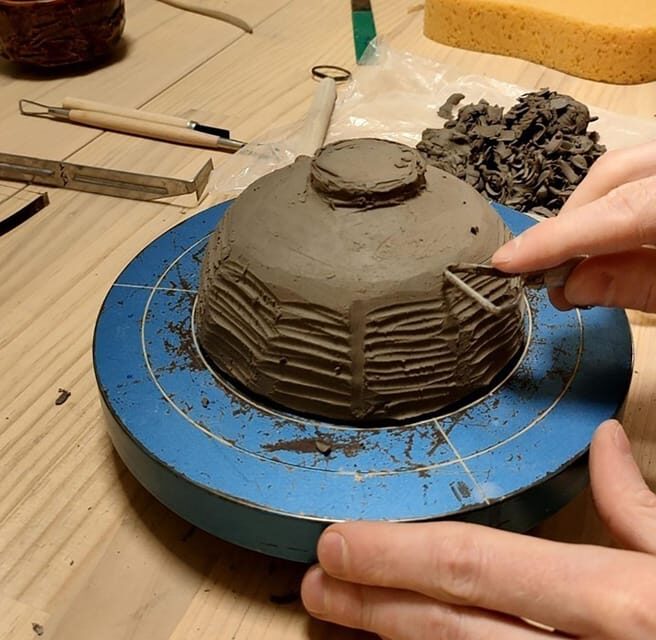
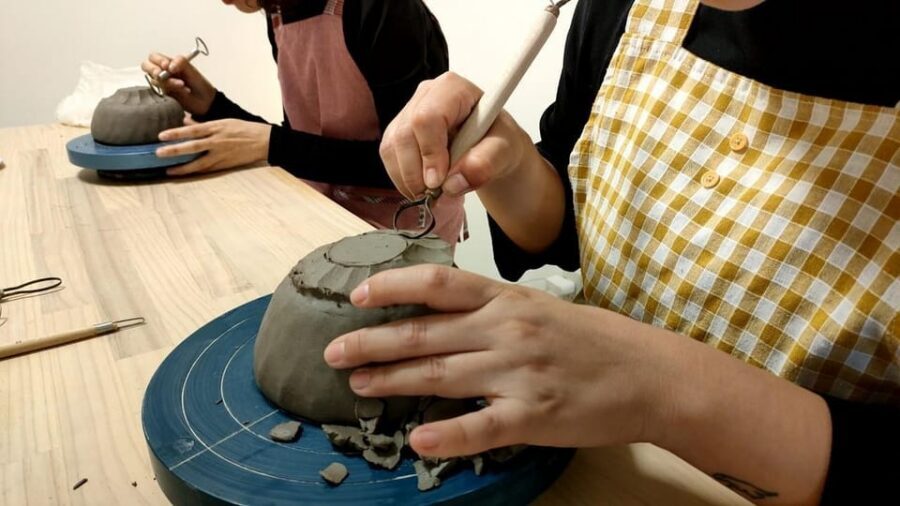
The main activity is carving your matcha bowl using kurinuki. You’ll work with tools designed for shaping and cutting clay, and you’ll build patterns that are unique to your hand.
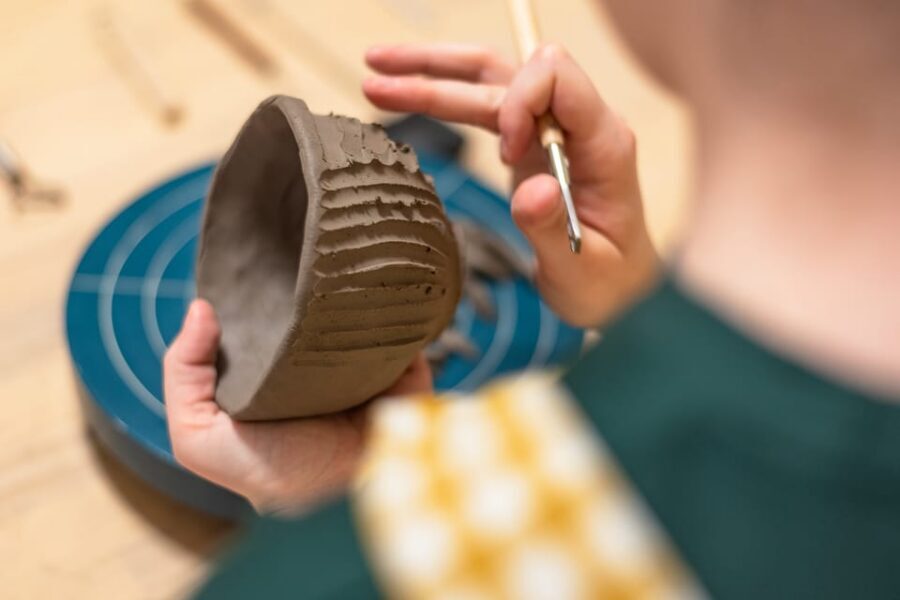
Kurinuki matters because it’s not just “decorative carving.” This is a technique that produces pieces with a wabi-sabi feel—texture, slight irregularities, and surface character that looks like it belongs to real life, not a showroom.
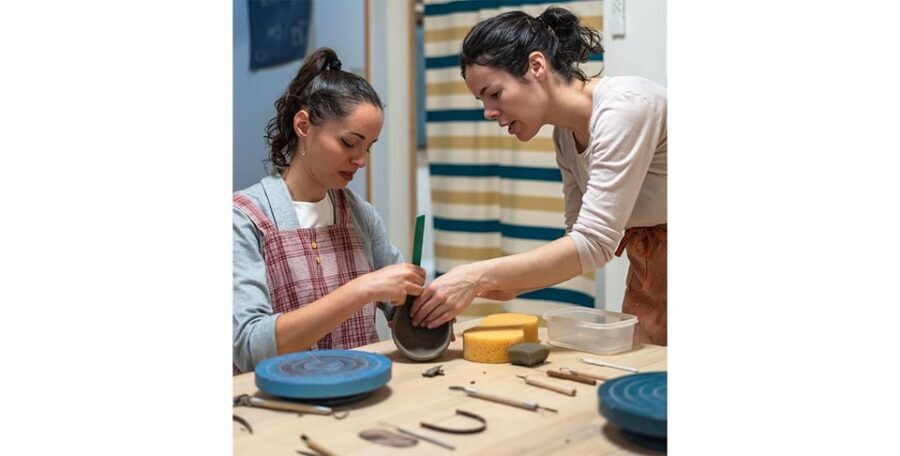
In practical terms, that means you’ll get guidance on how to carve without overdoing it. You’ll also have a chance to fix small issues as you go, rather than discovering mistakes after the session. One strong theme from the experience is that Anna is attentive and helpful, not hands-off. That’s huge when you’re new to pottery and don’t yet know what a tiny adjustment will change.
You’ll also sign your bowl using Japanese characters. It turns your chawan into something personal—like the bowl carries your name into the future, long after the session ends.
Cultural Context You’ll Actually Use: Why the Bowl Matters
A good craft workshop teaches technique. A great one connects technique to meaning. This is where the session goes beyond making.
You’ll talk about the cultural aspects of using a matcha tea bowl in the tea ceremony, along with other elements of Japanese culture. Even if you’ve only seen tea ceremony basics from a distance, you’ll come away with a clearer sense of why the bowl’s form and surface aren’t random.
In tea culture, the bowl isn’t merely a container. It’s part of the experience—something you choose, handle, and respect. When you’ve carved your own chawan, you tend to understand that idea faster. It stops being abstract.
That’s also why the session includes a moment to choose a color near the end. Color affects the mood of the finished bowl, and it gives you one more chance to make the piece yours. Anna’s guidance helps you choose in a way that fits the character of the design you carved.





Matcha + Japanese Sweets: The Tea-Bowl Moment
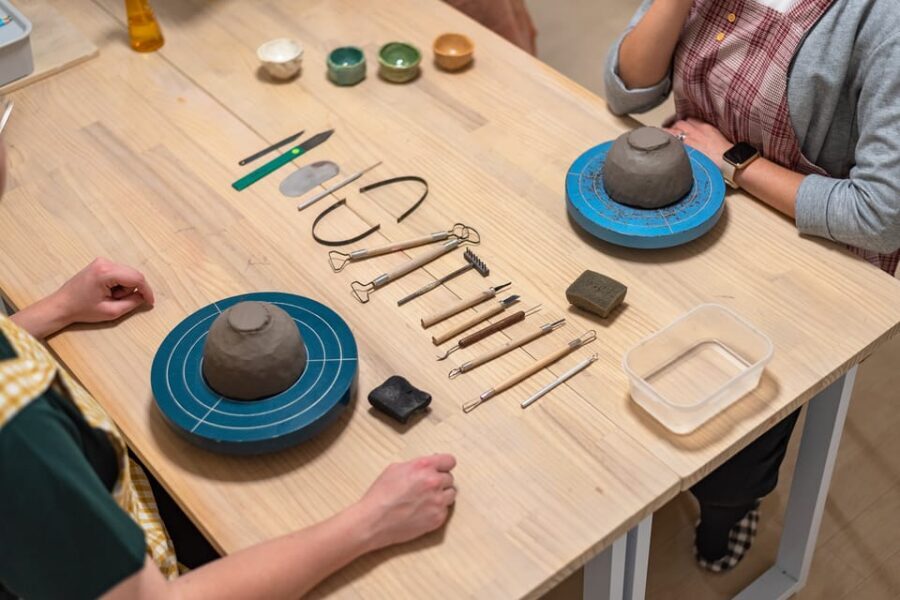
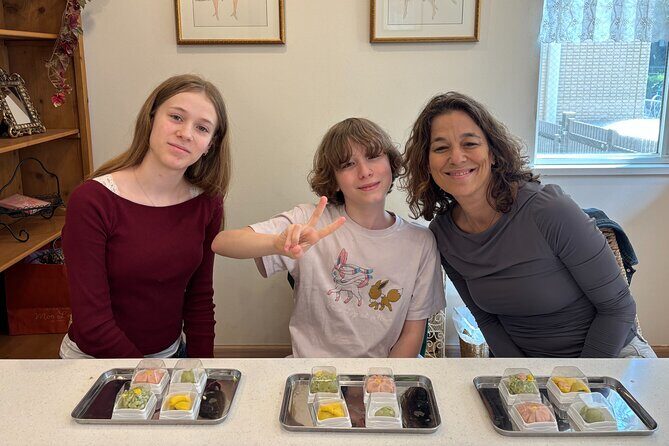
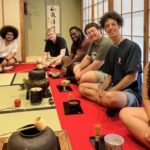
At the end of the workshop, you choose your color and then enjoy a drink. The experience is designed so you taste matcha alongside Japanese sweets. This isn’t an afterthought. It’s the link between craft and use.
Matcha tastes different when you’ve just handled a bowl that’s meant for it. You notice texture and balance more, and the ceremony ideas you learned in words start to make sense in your mouth and in your hands.
You’ll also get drinks during the workshop. It helps you stay comfortable through the hands-on carving portion, especially if you’re traveling and your day is already full.
The Same-Day Ceramic Gift (and Why It’s Not Just a “Bonus”)
You’ll receive a ceramic gift made of ceramics as part of the workshop. In the combined option, it’s described as a small dish perfect for enjoying sweets during tea ceremony at home.
This is valuable because it bridges the time gap. Your main bowl is shipped later, but you leave with something functional now. It gives you an immediate reason to practice the tea moment at home, even before your chawan arrives.
One neat bonus: there’s mention of a small on-site shop with hand-made pottery available for purchase at reasonable prices. So after you make your bowl, you might also pick up something local that complements your set—if you’re the type who likes finishing a craft story with a few extra objects.
Optional Add-On: Tea Ceremony Basics with Kiyomi and Masako
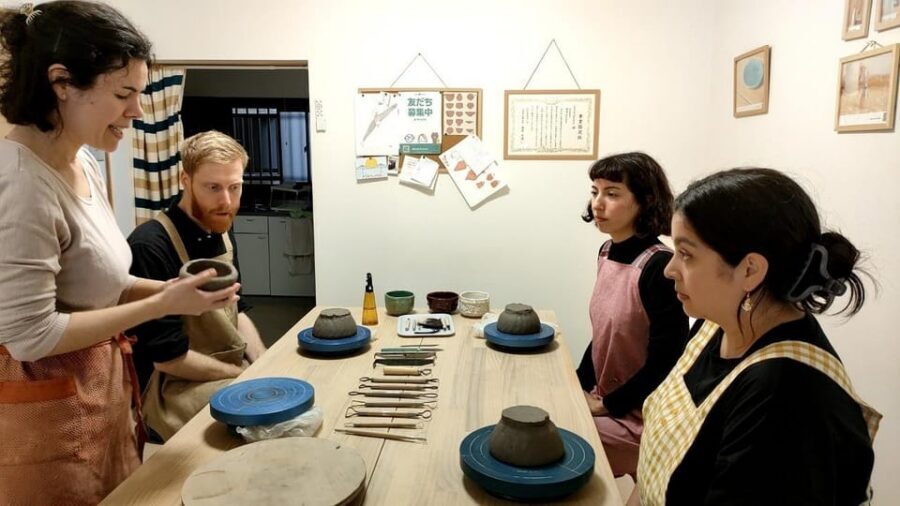
If you want the tea side to go deeper, there’s an optional combined workshop. It’s a two-part experience: first you prepare tea with tea ceremony masters Kiyomi and Masako, and then you move into the bowl-making portion with Anna.
This add-on matters because it changes how you approach the pottery. Instead of only learning about the tea bowl in theory, you first experience tea preparation with guidance. Then you shape and decorate the bowl afterward, knowing what parts of the process you’ll care about later.
After the tea ceremony basics, you enjoy matcha along with Japanese sweets. Then comes the same kind of bowl-making: shaping and decorating using traditional pottery techniques, with the tea ceremony mindset in your head instead of just your notebook.
If you’re short on time in Osaka, consider whether you want breadth (tea ceremony + pottery) or focus (just pottery). Both can be worth it, but the combined version is for people who want the full cultural flow.
Take-Home Timing: Your Fired Bowl Ships in About Two Months
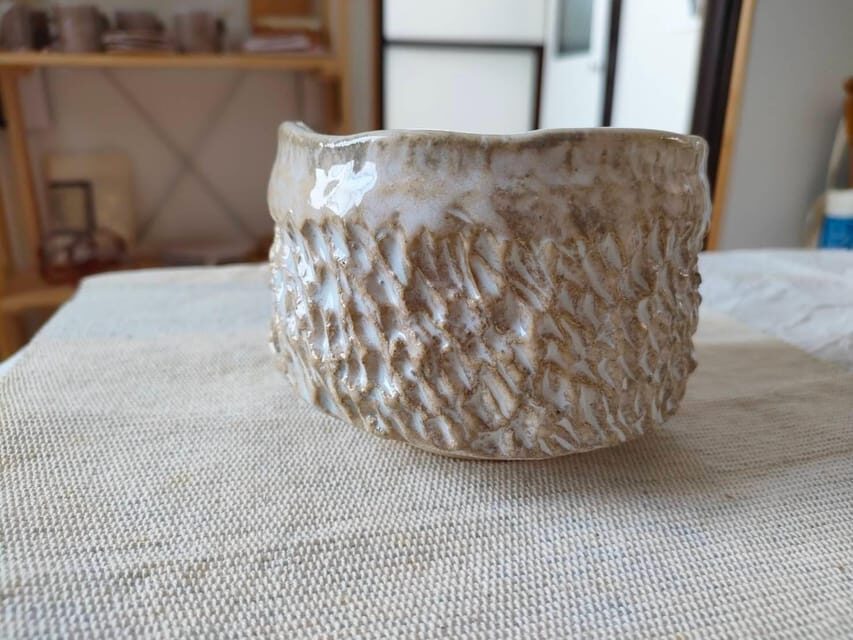
Here’s the logistical truth that also affects your decision: your bowl is shipped to the address you provide about two months later. Shipping costs aren’t included, and the approximate cost depends on country and number of people, so you’ll want to ask when you book.
If you’re the kind of traveler who likes instant gratification, this might feel slow. But if you’re okay waiting, it’s also a smart trade. Your bowl has time to be fired and glazed properly, which is part of why the final piece looks right and feels like real pottery, not a classroom project.
Because the workshop ends with choosing a color and then enjoying your drink, you’re seeing the process at the craft stage—not the fully finished retail stage. The joy is thinking about the bowl you shaped becoming a finished object later, like a small souvenir with a life beyond the day.
Who This Workshop Suits Best (and Who Should Rethink It)
This is perfect if you want an authentic Osaka activity that you can’t fake. You’ll come away with a custom chawan, plus a ceramic gift, plus real context for Japanese tea culture.
It’s also a great fit for couples and small groups because private format keeps the energy calm. One booking was just two people, which suggests the experience can feel personal rather than crowded.
A few practical considerations:
- It’s not suitable for children under 6.
- It’s not adapted for wheelchair users, since the space isn’t wheelchair-friendly.
- If you want to participate, arrive on time so you don’t risk losing your spot.
And one more rule that’s easy to miss when you’re traveling: alcohol and drugs are not allowed.
If you’re traveling with a packed schedule and hate long meet-ups, this is still manageable. The workshop is 90 minutes to 2 hours, which is a comfortable block.
What to Ask Anna Before You Carve (Quick Prep Tips)
You’ll get the most out of the workshop if you show up ready to experiment. Before you start carving, ask Anna about:
- the look you want (clean lines vs. more texture),
- how aggressive you can be without losing shape,
- and how your design will translate after firing and glazing.
Anna studied ceramics in Osaka, and for the optional combined program the teaching team includes Anna with training in both Osaka and Barcelona. That background helps explain why the instruction feels both structured and flexible—she can correct technique while still letting your design stay yours.
If you’re unsure what Japanese characters to sign with, ask for guidance. The point is to add meaning, not stress over spelling.
Should You Book This Matcha Bowl Experience in Osaka?
Book it if you want a hands-on Japanese craft that produces something you’ll actually use and remember. The best part is the balance: real technique (kurinuki) plus a human, welcoming teacher in Anna, plus a cultural explanation that connects the bowl to tea ceremony.
You should also book if you like thoughtful souvenirs. You’re not just buying a thing; you’re making an object with a story, and you get a matching tea moment through the matcha and Japanese sweets during the session.
Skip it or switch to another activity if you can’t handle the “wait for your finished bowl” part. If you need your souvenir in hand immediately, the two-month shipping timeline won’t work well.
One final factor: the workshop is private and runs in multiple languages (English, Spanish, Catalan, Japanese), which makes it easier to relax and ask questions. And if your plans are still shifting, the experience allows free cancellation up to 24 hours in advance.
FAQ
How long is the matcha tea bowl experience in Osaka?
It lasts about 90 minutes to 2 hours. Exact start times depend on availability.
What languages are available for the workshop?
Instruction is offered in English, Spanish, Catalan, and Japanese.
Do I take the bowl home the same day?
You design and decorate your matcha bowl in the workshop, but it is shipped to your address about two months later. The included ceramic gift is something you can take home right away.
What’s included in the price, and what’s not?
Included: station pick-up, all materials and equipment, drinks, a ceramic gift, and technical/cultural explanations. Not included: shipping costs for the bowl.
Is there an option to add tea ceremony instruction?
Yes. There’s an optional combined workshop where you prepare tea with tea ceremony masters Kiyomi and Masako, then make your matcha tea bowl afterward with Anna. You also enjoy matcha with Japanese sweets.
Is this workshop suitable for kids or wheelchair users?
It’s not suitable for children under 6 and not adapted for wheelchair users due to the space.