REVIEW · NAGANO
Nagano: Snow Monkeys, Zenko-ji Temple, and Lake Nojiri Tour
Book on GetYourGuide →Operated by Japan graviton tours · Bookable on GetYourGuide
Hot springs and snow monkeys in one day. This private Nagano tour strings together Jigokudani macaques soaking in natural hot springs and the calm, ancient grounds of Zenko-ji. I love the way the monkeys look totally at ease in the steam, and I like that you get an easy, private flow with an English-speaking driver, plus hotel pickup and drop-off.
One big consideration: this outing is not suitable for wheelchair users or people with back problems. You’ll be on your feet on temple paths, in town streets, and around shrine areas, so comfortable, grippy shoes and a realistic pace matter. Warm clothing helps too, since the snow-monkey setting is especially cold in winter.
In This Review
- Key Points You’ll Actually Care About
- Jigokudani Snow Monkeys: What You’re Really Going to See
- Zenko-ji Temple: Gardens, Gates, and a Spiritual Anchor
- Shibu Onsen and Yudanaka: A Hot-Spring Break That Feels Like Japan
- Obuse for Chestnuts and Hokusai: Art and Snacks in a Small Town
- Togakushi Shrine in Cedar Mountains: Ancient Shinto Steps and Soba Fuel
- Matsushiro Samurai District and Lake Nojiri: Where the Day Gets Calm
- Price and What You Get for $593 (Group Up to 6)
- Logistics That Matter: Comfortable Transport and a Realistic Day Plan
- Who This Tour Suits Best
- Should You Book This Nagano Snow Monkey and Temple Tour?
- FAQ
- How many people is the tour priced for?
- What locations are included in the Nagano day tour?
- How long do you spend at each stop?
- Does the tour include hotel pickup and drop-off?
- What about transportation comfort and amenities?
- Are entrance fees included?
- Are meals included?
- What languages are offered?
- Is smoking allowed during the tour?
- Is the tour suitable for wheelchair users or back problems?
Key Points You’ll Actually Care About
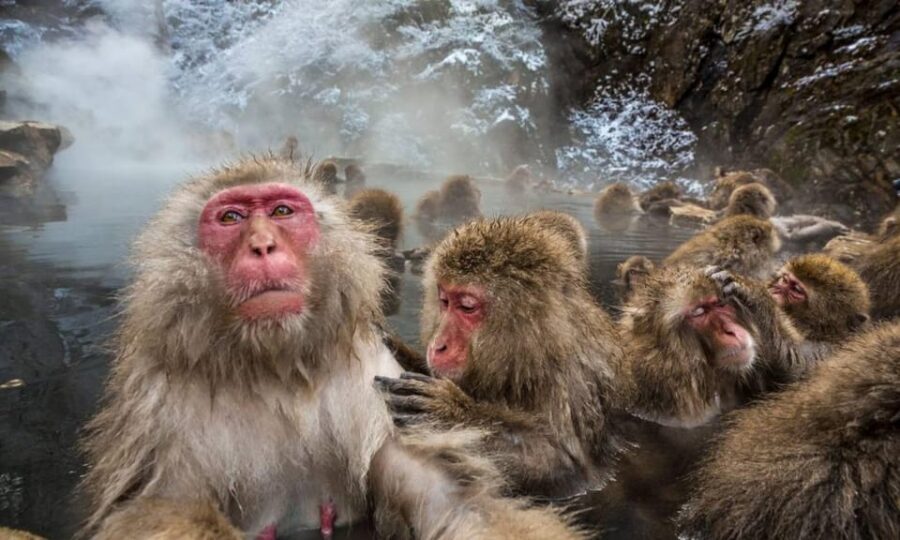
- Jigokudani Park hot-spring viewing: the snow monkeys soak naturally, with winter snow often making the scene dramatic
- Zenko-ji’s spiritual stop: you’ll see major temple architecture and gardens, plus a landmark connection to early Buddhism in Japan
- Onsen-town atmosphere at Shibu and Yudanaka: built-in breaks for steam, streets, and local rhythm
- Obuse for chestnuts and Hokusai: a smaller, scenic town stop that mixes art, food, and traditional architecture
- Togakushi’s cedar-shaded shrine complex: ancient Shinto sites in the mountains, plus a good place to eat soba
- Lake Nojiri for a quieter finish: mountainside views and a slower way to end the day
Jigokudani Snow Monkeys: What You’re Really Going to See
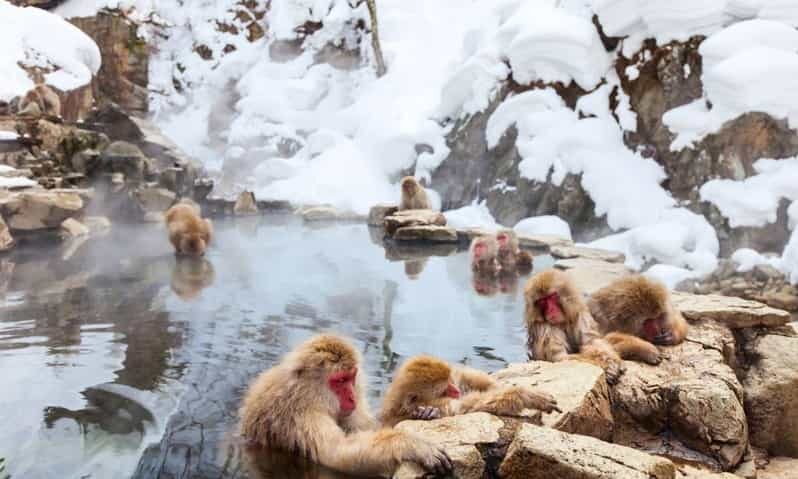
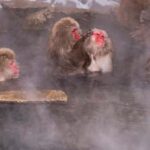
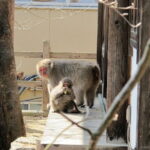
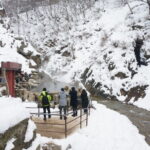
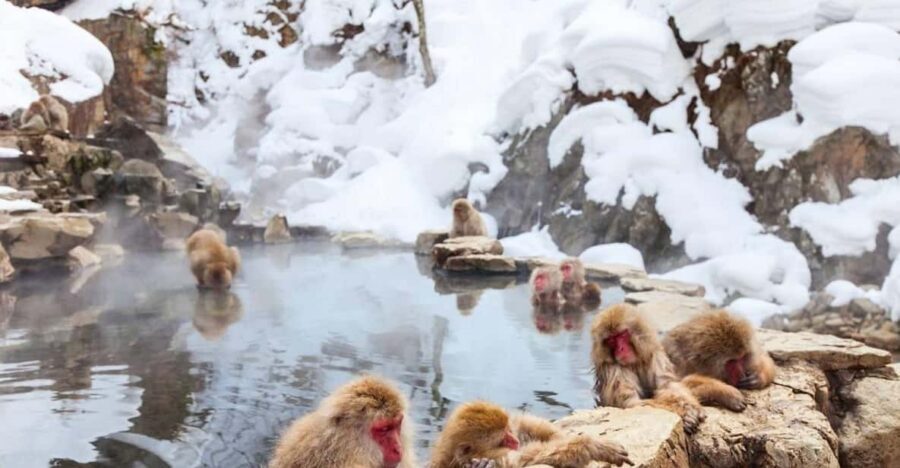
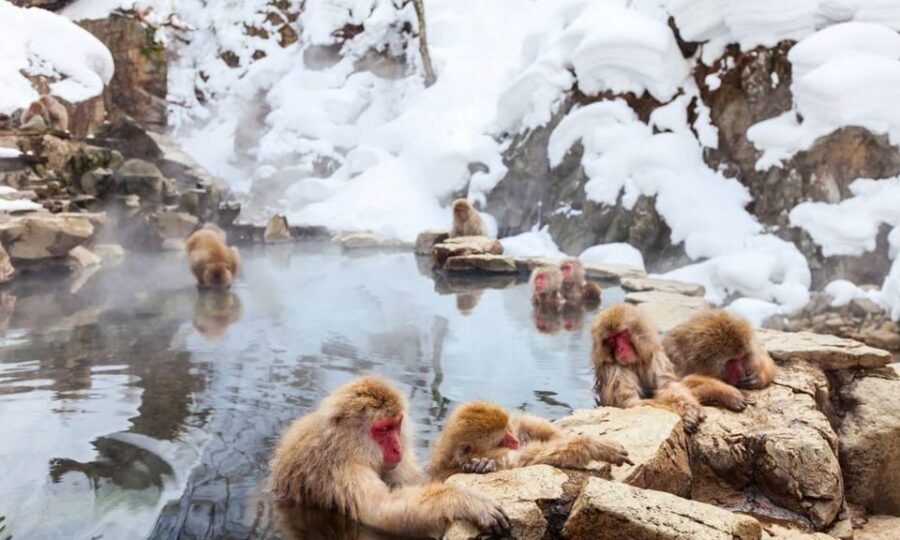
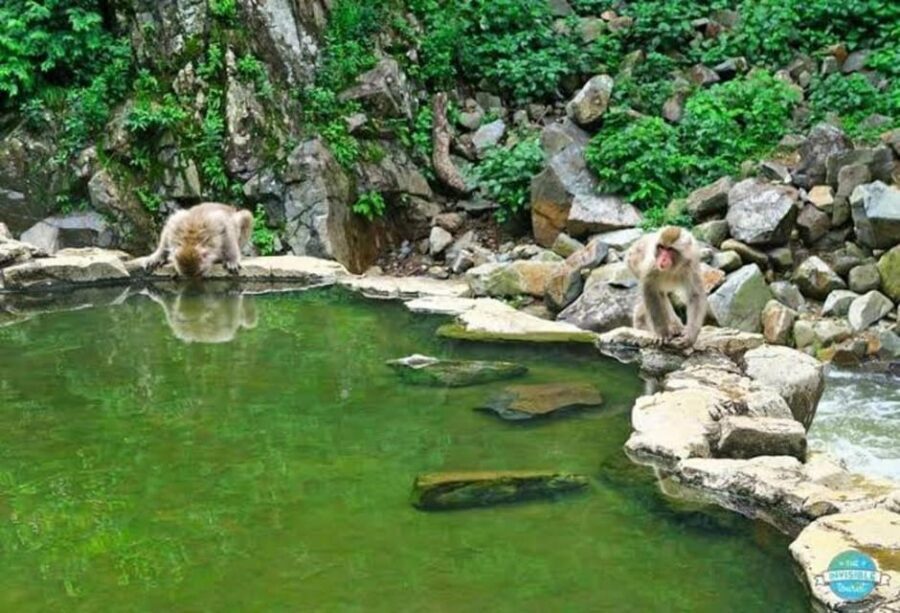
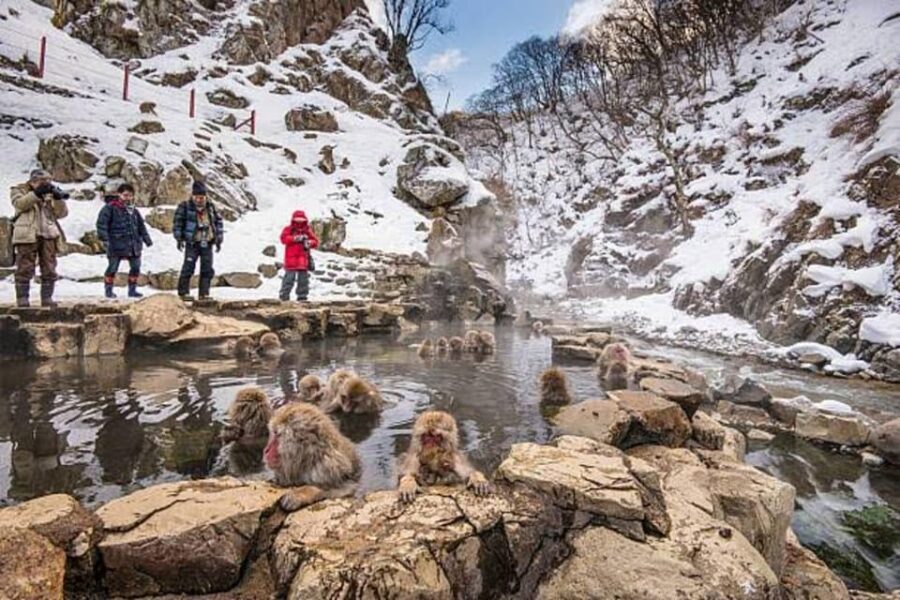
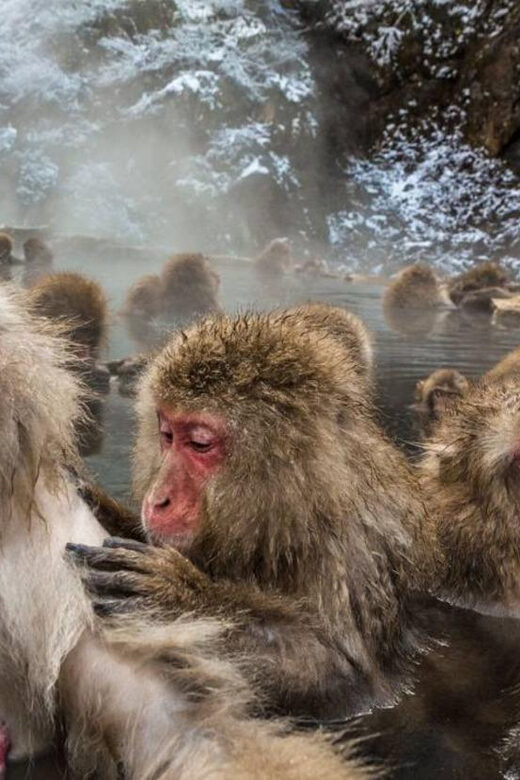
Jigokudani Park is famous for one reason: wild Japanese macaques that use natural hot springs. The magic is that you’re not watching an exhibit built for selfies. You’re observing animals doing what they do for survival and comfort, with steam rising and winter air hovering around the viewing area.
Timing and expectations matter here. You’ll have about an hour at the park, so you want to arrive ready to walk a bit, stop often for photos, and adjust to how close the monkeys get to the hot spring pool. In colder months, the scene can look extra theatrical, but even without perfect weather, the behavior is the real show: grooming, settling into the warm water, and sometimes moving in small bursts as the group shifts.
Practical note: dress like it’s cold. This is Japan, but mountains and steam still bite. Bring warm layers and keep your hands warm for the photo moments. Also, comfortable shoes are non-negotiable since park paths and viewing areas can be slippery in winter conditions.
A few more Nagano tours and experiences worth a look


Zenko-ji Temple: Gardens, Gates, and a Spiritual Anchor
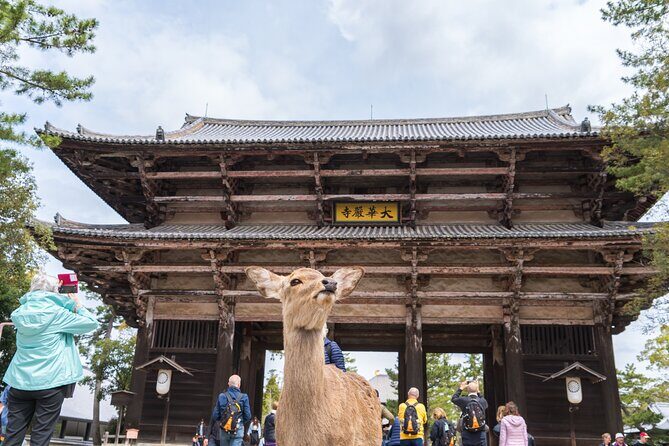
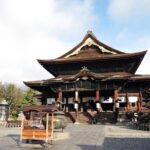
Zenko-ji Temple is one of Japan’s most important and ancient Buddhist sites, with origins tracing back to the 7th century. That age shows up in the temple’s feel: wide spaces, calm gardens, and big structures that make you lower your voice without thinking about it.
What I like most is how Zenko-ji isn’t just a quick photo stop. You get to wander and take in both the architectural sweep and the quieter garden corners. The temple also houses a major cultural detail: the first Buddhist statue ever brought to Japan. Even if you don’t know all the details before you arrive, it gives the visit weight.
You’ll also have about an hour here, which is a sweet spot. Long enough to look around without feeling rushed, but short enough that you can keep energy for the onsen towns and mountain shrines later. If you’re the type who enjoys pausing to watch how people move through temple grounds, this stop is a good one.
Shibu Onsen and Yudanaka: A Hot-Spring Break That Feels Like Japan
This tour builds in time for Shibu Onsen, a traditional hot-spring town with over 1,300 years of history. That’s a nice way to say this place didn’t start as a tourist set. It’s a town with daily life shaped around steam, baths, and walkable streets.
You may also spend time around the Yudanaka Onsen area, known for traditional baths and its proximity to Jigokudani. The best part about these onsen-town moments is that they break the day into human scale. After temples and snow-monkey viewpoints, you get streets, signage, quiet corners, and that laid-back onsen-town rhythm.
There’s also a practical benefit: you can decide how you want to use the time. If you want to soak, look for a public bath option in the area (entrance fees are not included, so plan for that). If you’d rather walk and snack, you’ll still get plenty of atmosphere just by strolling.
Because this tour includes a stop for lunch but does not include meals, you’ll be making your own food choices. That can be a plus. You can aim for local flavors you’re actually craving rather than being stuck with a set menu.
Obuse for Chestnuts and Hokusai: Art and Snacks in a Small Town
Obuse is one of those stops where the pace slows, the streets look more local, and the food theme gets fun fast. It’s famous for chestnuts, and that shows up in sweets and treats you can actually carry around as you walk.
You’ll also get time for Hokusai Museum, dedicated to ukiyo-e artist Katsushika Hokusai. If you care even a little about Japanese art, this can be a rewarding break from temples and outdoor viewpoints. Even if you don’t go deep into art history, the focus helps you understand what you’re looking at while keeping the visit approachable.
The town itself is part of the experience too. You’ll find traditional Japanese architecture and a compact layout that makes wandering easy. With about an hour here, I’d keep expectations simple: see the museum if you’re interested, then prioritize chestnut snacks and a slow stroll for photos and small-shop browsing.
One tip: if you’re heading into colder months, chestnut treats are a warm, practical reward. You get something sweet or cozy to eat, and it helps you recharge before the mountain shrine portion of the day.
Togakushi Shrine in Cedar Mountains: Ancient Shinto Steps and Soba Fuel
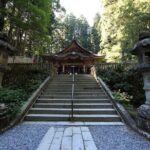
Togakushi Shrine is a mountain complex of ancient Shinto shrines. The defining feature is the setting: a shrine route surrounded by tall cedar trees that turns the walk into its own kind of reset. It’s the sort of place where you naturally slow down because it’s quiet and shaded, and the air feels cooler moving between shrine areas.
You’ll spend about an hour here, which is enough time to see the shrine complex at a comfortable pace. Wear shoes that feel secure. Shrine approaches can involve uneven ground, steps, and curbs, especially depending on season and weather.
Togakushi is also known for soba (buckwheat noodles). This is a very practical food stop: after walking in the mountains, you’ll want something warm and filling, and soba is an easy match. Since meals are not included, the value here is you get a built-in moment to choose a local meal that fits your taste and dietary needs.
If you want to treat this stop like a mini-adventure, plan to take your time moving between shrine areas rather than rushing to the first best photo. The cedar corridor is the point, and it’s at its best when you walk it like you have time.

Matsushiro Samurai District and Lake Nojiri: Where the Day Gets Calm
After Togakushi, the day can start to feel like it has a lot of moving parts. That’s why the later stops are important: you need breathing room and a softer finish.
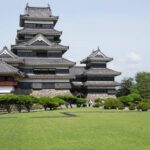
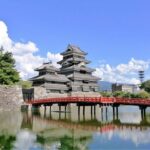
In the Matsushiro Samurai District, you’ll explore a preserved historical area tied to a powerful samurai clan. You’ll also see Matsushiro Castle, which gives you a sense of place and power without requiring you to be a history buff to enjoy the atmosphere.
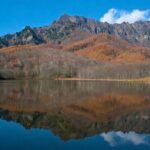
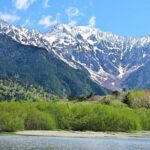
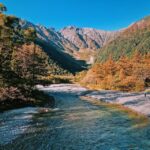
Then you move to Lake Nojiri, a serene lake surrounded by mountains. This is the “quiet ending” stop on the route. The lake is great for views and for seasonal outdoor activities like boating, hiking, and nature walks (what’s available depends on the time of year). Even if the weather isn’t perfect for long walks, the setting works as a decompression zone.
With about an hour at these later points, your job is to keep your energy. If you’ve been layering photos and walking all day, take a slower approach at Lake Nojiri: sit, look, and enjoy the stillness rather than trying to do everything.
Price and What You Get for $593 (Group Up to 6)
The price is $593 per group up to 6. That’s the part that matters for value: this is not a per-person ticket. It’s a private setup, which changes the math.
If you book with a full group of 6, you’re paying roughly $99 per person before any entrance fees and meals. If you book as 2 people, it jumps to about $297 per person, so value depends heavily on how you travel. For couples or small groups, it can still be worth it if you strongly prefer private pacing, less hassle, and an easier day than piecing trains and buses together.
What you’re paying for is the comfort and time efficiency:
- Hotel pickup and drop-off
- Air-conditioned transport
- Complimentary Wi-Fi
- Highway fees, fuel, and taxes
- About one hour at each stop
Also important: entrance fees and meals are not included, so you should budget for those separately. The good news is you get flexibility to choose what you want to eat and which sites you’re willing to pay for on the day.
Logistics That Matter: Comfortable Transport and a Realistic Day Plan
This tour is built around a private car and an expert English-speaking driver. That matters more than you think. In snowy or hilly areas, small navigation problems can waste time and energy. A driver who knows the route helps you keep the day moving without stress.
Cars come with the basics that make a winter day easier: air-conditioned transport and complimentary Wi-Fi. I also like that the setup is explicitly private and that you can customize the itinerary to match your preferences. If you find yourself more into shrines than museums, or you want more time for the hot-spring atmosphere, private flexibility usually pays off.
There’s also a human side to the drive. In past experiences with drivers connected to this kind of tour, names like Mirza and Muhammad have been associated with being punctual, friendly, and helpful with communication. One of the smartest touches is that the driver can point you to a local restaurant en route back, so you’re not stuck hunting hungry in the dark.
What to bring:
- Comfortable shoes (winter traction helps)
- Warm clothing
- Camera
- Water
A quick reality check: smoking is not allowed. Plan your day around that and keep breaks focused on food and photos.
And a final practical note: this is not suitable for wheelchair users or people with back problems. If that applies to you, you’ll likely feel uncomfortable during steps, uneven paths, and longer walking stretches.
Who This Tour Suits Best
This is a strong choice if you want:
- A private, low-stress way to see Nagano highlights in one day
- A winter-focused itinerary centered on the snow monkeys and onsen towns
- Enough structure (1-hour blocks) to enjoy each stop without feeling rushed by transit
- A driver who handles logistics so you can focus on walking, photos, and choosing meals
It’s less ideal if you need easy mobility support or have back limitations, since you’ll be moving around on your own through shrine and park areas.
Should You Book This Nagano Snow Monkey and Temple Tour?
If your ideal day includes Jigokudani snow monkeys, temple time at Zenko-ji, a hot-spring town stop, and a mountain shrine route to Togakushi, this tour makes a lot of sense. The biggest reason: you get private pacing with hotel pickup, and you don’t have to wrestle with changing transport while you’re dressed for winter.
I’d book if you’re traveling in a group of 3–6 to maximize value, or if private comfort matters to you even as a smaller party. I’d skip or look for a more accessible option if you have mobility constraints, since this isn’t designed for wheelchair access and it isn’t listed as suitable for back problems.
One more good decision rule: if you care about seeing multiple places in Nagano without spending your whole day figuring out routes, book. If you only care about one standout like snow monkeys and you’d rather travel slower on your own, you might not need this level of bundled convenience.
FAQ
How many people is the tour priced for?
The price is $593 per group up to 6.
What locations are included in the Nagano day tour?
You’ll visit Jigokudani Snow Monkey Park, Zenko-ji Temple, Shibu Onsen (and the Yudanaka Onsen area), Obuse, Togakushi Shrine, Matsushiro Samurai District / Matsushiro Castle, and Lake Nojiri.
How long do you spend at each stop?
The tour includes 1-hour visits at each location.
Does the tour include hotel pickup and drop-off?
Yes, hotel pickup and drop-off are included.
What about transportation comfort and amenities?
You’ll travel in air-conditioned transport with complimentary Wi-Fi included.
Are entrance fees included?
No, entrance fees are not included.
Are meals included?
No, meals are not included.
What languages are offered?
The tour offers English and Hindi.
Is smoking allowed during the tour?
No, smoking is not allowed.
Is the tour suitable for wheelchair users or back problems?
No, it is not suitable for wheelchair users and not suitable for people with back problems.