A morning tour with snacks beats guessing on your own. In Naha, this private experience steers you to the streets and markets where locals actually wander, then connects the food to the island’s culture and everyday life. I especially like the private guide feel—no rushing—and the way the tastings are tied to what you’re seeing, from Kokusai-dori history to market culture. One possible drawback: the tour includes alcohol tastings, so if you don’t drink, you’ll want to plan ahead and ask what options are available.
The big win here is simple: 90 minutes is short enough to fit your first day, but long enough to get more than a quick snack stop. You also get a guided look at Okinawa’s daily rhythm—street life, a local arcade, a famous public market, and Yachimun Street—without the stress of figuring it out alone. The included stops are free to enter, which helps you keep the day easy on your wallet and your schedule.
In This Review
- Key highlights to look for
- Why this 90-minute private morning works so well in Naha
- Meeting point in Asato and how the tour flows back to you
- Stop 1: Kokusai-dori with street-history context
- Stop 2: Heiwa Dori arcade stories (and a more local rhythm)
- Stop 3: Makishi Public Market and the fish-market flavor angle
- Stop 4: Yachimun Street for Okinawan culture through everyday crafts
- What you’ll actually eat and drink: juice, 3 bites, and awamori guidance
- Price and value: $63 for a private 90-minute morning food and culture hit
- Aki’s guiding style: prompt, fluent, and practical about food
- Who should book this tour (and who might want to skip it)
- Quick tips to get the most out of your morning
- Should you book this Okinawa Hidden Gems private morning tour?
- FAQ
- How long is the Okinawa Hidden Gems private morning food and culture tour?
- Where does the tour start and end?
- What is the price per person?
- Is transportation included?
- Is this tour private or shared?
- What’s included in the tour?
- Does the tour include awamori?
- What stops are included?
- Do I need to pay for admission at the stops?
- Is free cancellation available?
Key highlights to look for
- Aki’s English-friendly, no-rush pace keeps 90 minutes feeling relaxed
- 1 local juice + 3 Okinawan bites gives you real variety without overstuffing
- Three awamori tastings with guidance helps you understand what you’re sipping
- Kokusai-dori with context so you’re not just walking down a tourist strip
- Heiwa Dori arcade + history explanations for a more local feel in the middle of town
- Makishi Public Market fish-market focus for flavors tied to Naha’s food scene
Why this 90-minute private morning works so well in Naha
Naha can feel like two cities at once: the obvious, famous streets and the quieter in-between lanes where people actually buy breakfast and run errands. This tour is built for that gap. You start your morning moving through well-known areas, but the guide’s job is to point out what you might miss if you’re just following your phone.
I like that the pace is meant to be comfortable. With a private format, you’re not stuck syncing your steps with strangers who eat at different speeds. That matters when you’re hopping between street corners, a covered arcade, and a market environment.
The other reason it’s a great fit is timing. At roughly 1 hour 30 minutes, it’s long enough to try multiple flavors and learn a few cultural anchors, yet short enough that you’re not wiping out the rest of your day. If this is your first or second day in Okinawa, it’s a smart way to get your bearings fast.
One more practical win: the tour includes drinks and snacks, so you’re not constantly making micro-decisions about where to stop and what to order.
You can also read our reviews of more food & drink experiences in Naha
Meeting point in Asato and how the tour flows back to you
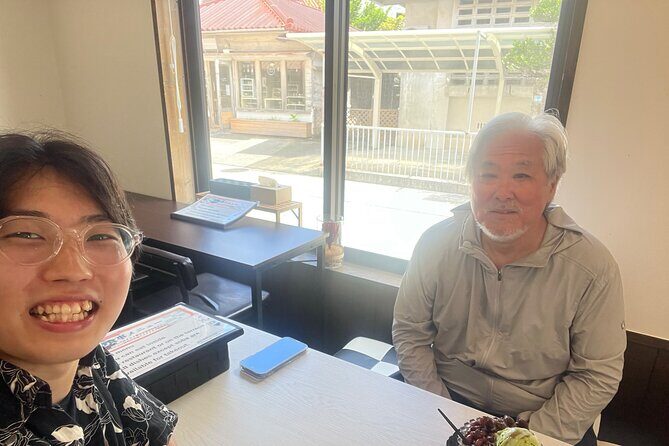
You’ll meet at Saion Ufu Shisa2 Chome-1 Asato, Naha, Okinawa 902-0067, Japan, and the experience ends back at the same meeting point. That round-trip setup is handy in Naha. You don’t have to plan a complicated end-of-walk transfer or wonder how far you’ll end up from where you started.
The tour also runs with simple, walkable segments. “Private transportation” isn’t included, so you’re doing this as an on-foot morning stroll. In practice, that means you should wear shoes you’re comfortable walking in for stretches. It’s not a hike, but you want to be ready for normal city movement.
Confirmation is handled at booking, and most travelers can participate. It’s also a true private tour, meaning it’s only your group.
Stop 1: Kokusai-dori with street-history context
Kokusai-dori is the street people recognize immediately. It’s famous, so it’s easy to think you’ve already “done it” the moment you see it. The value here is that your guide doesn’t treat it like scenery. You get a short history talk that puts the street in context, so the walking feels like understanding, not sightseeing.
This stop is about 15 minutes and has no admission ticket required. That brevity is strategic. You’re getting the story behind the setting without losing time you could spend actually tasting things later.
What I like about this approach is that it prevents the common problem: you spend your time only taking photos, then wonder why everything blended together. With history added at the start, you can connect later stops to the bigger “why” of Naha life.
A small consideration: because it’s a famous street, it can be a bit more “main road” than the rest of the tour. If you’re trying to keep everything super quiet and off the radar, this first stop may feel a little more familiar than the others.
Stop 2: Heiwa Dori arcade stories (and a more local rhythm)
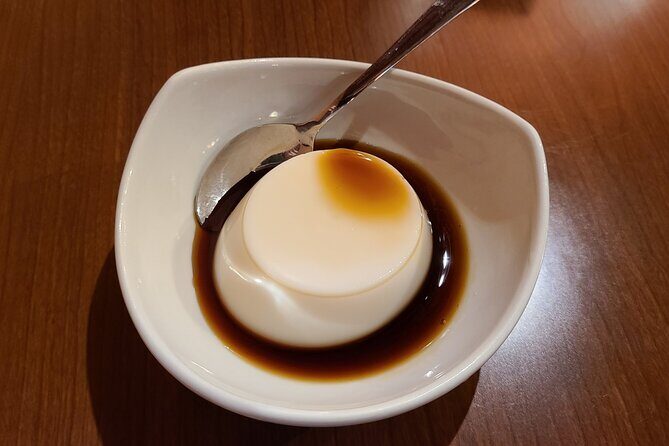
Next comes Heiwa Dori, guided through a local arcade area with historical explanations. This is where the tour starts to feel less like a checklist and more like a neighborhood walk.
The focus isn’t just the food side. You’re learning about the place itself—how this arcade area fits into Okinawan urban life. That matters because Okinawa’s culture isn’t frozen in museums. It shows up in how people move, shop, and socialize in everyday spaces like covered arcades.
This stop runs about 25 minutes, with free admission. That’s enough time to settle into the flow of the area rather than rush through it like a photo stop.
If you’re sensitive to enclosed or covered spaces, it’s worth noting that an arcade environment is different from open streets. The tour doesn’t mention anything extreme, but an arcade is typically more “indoor-feeling” than Kokusai-dori. Wear light layers so you’re comfortable as the morning temperature and foot traffic shift.
Stop 3: Makishi Public Market and the fish-market flavor angle
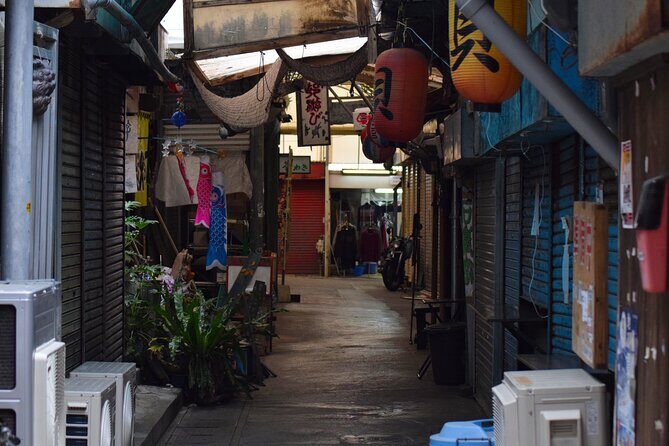
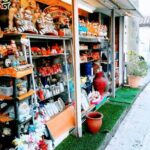
You’ll then head to Makishi Public Market, described here with a fish-market focus. Markets can be sensory in the best way: smells, chatter, and the visual reality of where ingredients come from. With a guide, you’re not just wandering—you’re getting explanation about what makes the market significant and how to look at it.
This stop is about 20 minutes and also lists free admission. The short duration is good. It keeps you from getting stuck at one stall too long, and it helps you stay on track for the last neighborhood stretch that rounds out the culture side of the tour.
What makes Makishi meaningful in a food tour is that it’s not only about eating. It’s about seeing the supply chain—how daily food culture connects to local commerce. When you understand that, later meals around town make more sense.
One practical point: markets can push you to decide quickly. If you want to slow down and read menus, a guided format is still helpful, but you may want to keep your expectations realistic about speed.





Stop 4: Yachimun Street for Okinawan culture through everyday crafts
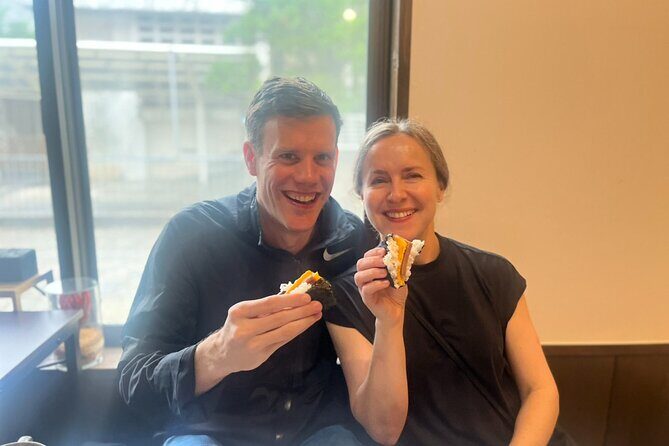
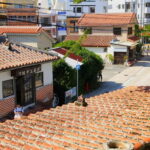
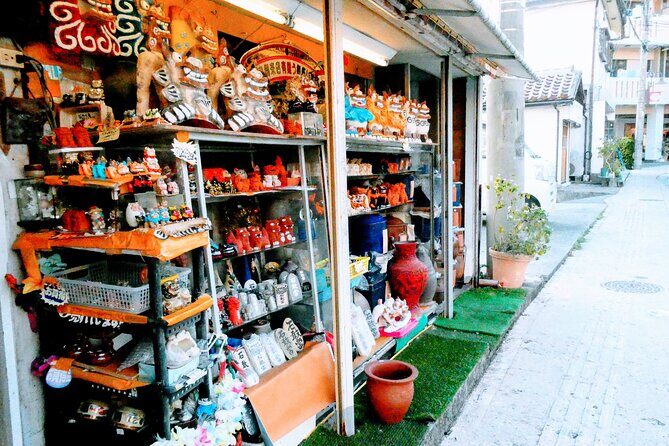
The last stop is Yachimun Street, where you can visit a historical spot with guidance on Okinawan culture and history. This is a nice shift from food-focused stops into the cultural layer that explains why Okinawa’s identity feels distinct.
This segment lasts 30 minutes, which is longer than the earlier “street” stops. That extra time usually helps you move beyond a quick look and actually understand what you’re seeing as you walk.
Yachimun is a craft-related street, and the idea here is that culture isn’t just in written stories. It’s in objects, traditions, and the way art or craft traditions show up in real neighborhoods.
If you’re shopping-focused, you’ll likely appreciate having time at this stage rather than being rushed out. If you’re not into browsing, it can still work because the tour’s purpose is explanation, not purchase pressure.
What you’ll actually eat and drink: juice, 3 bites, and awamori guidance
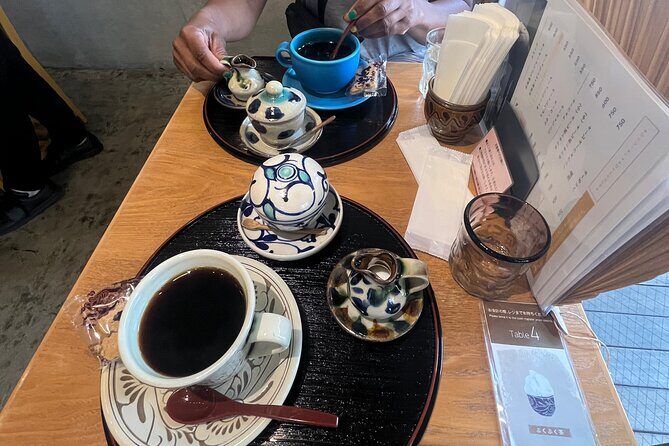
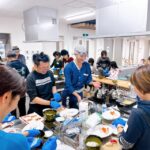
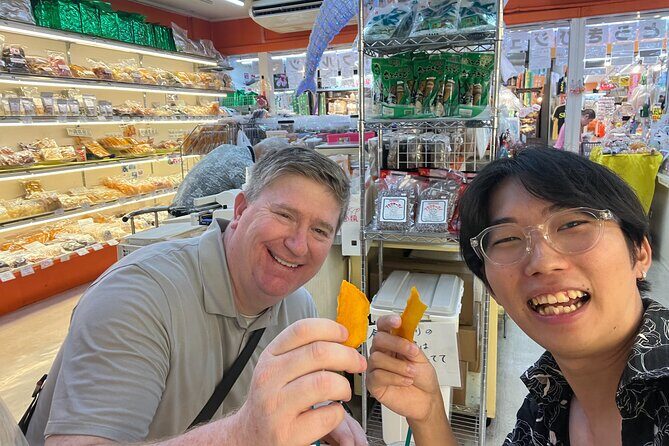
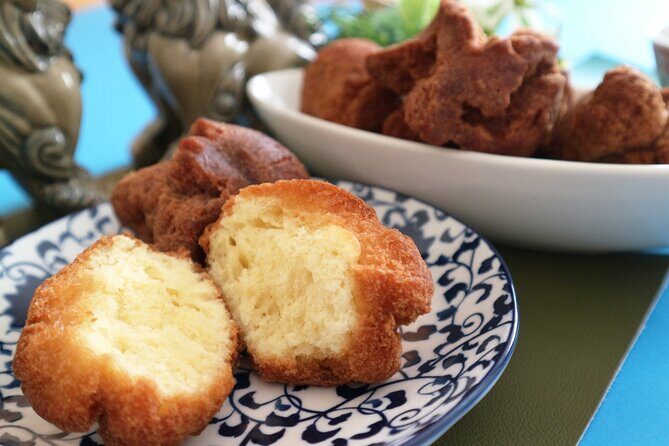
Here’s the part that makes the tour feel worth it: the included tastings aren’t vague. You get 1 local juice, 3 Okinawan bites, and alcohol tastings—specifically 3 types of Okinawan alcohol—with guidance on the proper way to enjoy awamori.
That “proper way” detail is important. Awamori can be unfamiliar if you’re new to Okinawan spirits. The guidance helps you go from curiosity to comprehension, even if you only take a few sips per tasting.
I also like the structure of the food amount. Three bites and one juice is enough to try flavors, but it’s not a full breakfast that ruins your appetite. It’s a “taste and learn” amount, which is ideal for a morning start.
One consideration: alcohol is included. If you’re not drinking for any reason, tell your guide in advance. The tour information doesn’t spell out alcohol-free substitutions, but you can also lean on what’s shown in the experience feedback: the guide has a track record of adapting when there are dietary restrictions. That suggests you’ll be taken seriously if you share needs early.
Price and value: $63 for a private 90-minute morning food and culture hit
At $63 per person for about 1 hour 30 minutes, this is priced like a thoughtful local experience, not a bargain-bus tour. The value comes from three places:
First, it’s private. You’re not paying for the privilege of being squeezed into a bigger group. You’re paying for a guide who can slow down, adjust the pace, and explain what you’re seeing while you eat.
Second, the tastings are included. You get juice, bites, and alcohol tastings. Even if you only like one or two items, the total included food-and-drink component reduces the amount you have to spend separately in the city.
Third, the guide’s explanations matter. A tour that just hands you snacks and points at streets doesn’t create much momentum. Here, the guide connects Kokusai-dori, Heiwa Dori, Makishi Public Market, and Yachimun Street with culture and history threads—so the morning becomes a quick orientation to Okinawa, not only an eating schedule.
If you’re traveling with a group, the tour also mentions group discounts, which can make the per-person cost feel even more reasonable. And the mobile ticket detail means you’re not juggling paperwork before you meet.
Aki’s guiding style: prompt, fluent, and practical about food
The experience is guided by Aki Food Tour, and the feedback consistently points to Aki being fluent in English and easy to follow. That’s a big deal for a food tour because the best moments aren’t the ones where you blindly copy someone else’s order—they’re the ones where you understand what you’re tasting.
Aki is also described as prompt and attentive, with a relaxed pace that doesn’t feel rushed. I like that style for morning tours. You want to enjoy the experience, not feel like you’re sprinting from one stop to the next.
Another strong detail: the guide can adapt to dietary restrictions. That’s especially helpful on a tour that includes multiple bites. If you have constraints—vegetarian, allergies, or other limits—this is where you should take the tour’s strengths seriously.
One caveat to keep in mind: the tour includes alcohol tastings, and adaptation for dietary needs is mentioned, but alcohol preferences aren’t specifically guaranteed. If you have a reason not to drink, message the provider during booking and ask what can be adjusted.
Who should book this tour (and who might want to skip it)
This works best if you’re:
- In Naha for your first or second day and want quick orientation
- Interested in Okinawan food culture and the meaning behind what you’re eating
- Looking for a private experience that doesn’t feel rushed
- Want a guide who can explain in clear English and adjust to dietary restrictions
You might reconsider if:
- You strongly avoid alcohol and don’t want any alcohol tastings at all. Since the tour includes three types of awamori, you’ll want to confirm what happens in that case before booking.
- You prefer long, unstructured wandering. This tour is intentionally scheduled into short, focused stops.
Quick tips to get the most out of your morning
Because this is a walk-focused private tour, a few small choices make a big difference.
Wear comfortable shoes. You’ll be moving through street and market areas for about 90 minutes. Bring a light jacket or layer if mornings feel cool to you—temperatures in Japan can change fast, especially near the coast.
If you have dietary restrictions, communicate them when you book. The tour feedback indicates the guide can adapt, which is exactly what you want in a food-and-drink format.
Finally, if awamori is new to you, don’t treat the tastings like a challenge. Use the guide’s guidance. Even if you only drink a small amount at each tasting, you’ll get more out of the experience when you understand what you’re tasting and why.
Should you book this Okinawa Hidden Gems private morning tour?
If you want a simple way to understand Naha beyond the postcard streets, I’d book it. The 90 minutes format is efficient, and the included tastings—juice, bites, and awamori guidance—create a real “taste-and-learn” morning that’s hard to replicate on your own without already knowing where to go.
Book it especially if you value a private guide, clear explanations in English, and flexibility around food needs. The alcohol inclusion is the only real watch-out. If that’s not your style, ask what accommodations are possible before you commit.
FAQ
How long is the Okinawa Hidden Gems private morning food and culture tour?
It runs for about 1 hour 30 minutes.
Where does the tour start and end?
The tour starts at Saion Ufu Shisa2 Chome-1 Asato, Naha, Okinawa 902-0067, Japan, and ends back at the same meeting point.
What is the price per person?
The price is $63.00 per person.
Is transportation included?
No. Private transportation is not included.
Is this tour private or shared?
It’s private. Only your group participates.
What’s included in the tour?
Included items are snacks, soda/pop, and alcoholic beverages, along with 1 local juice and tastings as part of the experience.
Does the tour include awamori?
Yes. You’ll try 3 types of Okinawan alcohol, with guidance on the proper way to enjoy awamori.
What stops are included?
The tour includes Kokusai-dori, Heiwa Dori, Makishi Public Market, and Yachimun Street.
Do I need to pay for admission at the stops?
Admission tickets at the stops listed are free.
Is free cancellation available?
Yes. You can cancel up to 24 hours in advance for a full refund.