REVIEW · OSAKA
Osaka Temple :Warm Bamboo Oil Massage – Deep Restore〈90min〉
Book on GetYourGuide →Operated by japanese massage 唯一無二 -the one&only- · Bookable on GetYourGuide
Bamboo warmth in an Osaka temple can reset you fast. A warm bamboo oil massage pairs deep, slow muscle work with temple quiet, so your body starts unwinding before you’re even done changing into your yukata. I especially like the full-body feel of the massage and the way the staff guide you through the calm, step-by-step.
I also love the tea ceremony with matcha and Japanese sweets, because it turns the whole session from spa-time into real cultural context. One consideration: the Zen meditation can be shared with other guests unless you request a private experience, so plan to keep your voice low and go with the flow.
The vibe is gentle, not rushed. One masseuse named Arisa gets called out often for her skilled touch, and the staff’s English and Japanese guidance makes it easy to understand what’s happening without feeling lost.
In This Review
- Key things you will remember
- Stepping into an Osaka temple routine that actually feels relaxing
- Yukata, change time, and how to show up comfortably
- Incense offering and Zen meditation with bell and kneaded incense
- Foot bath and scrub massage: the warm-up you’ll notice later
- Warm bamboo oil massage for deep restore and myofascial release
- Matcha tea ceremony and Japanese sweets, explained as you sip
- Yukata photo keepsake: a small thing with real payoff
- Skip the ticket line, small group pacing, and English support
- Price and value: why $129 can feel fair for what you get
- Who should book this Osaka temple massage (and who might reconsider)
- Should you book the Osaka Temple Warm Bamboo Oil Massage?
- FAQ
- How long is the Osaka Temple Warm Bamboo Oil Massage experience?
- What is the price per person?
- What does the package include?
- Do I get to wear a yukata?
- Is the meditation private?
- What massage technique is used?
- Is there a matcha experience?
- What languages are supported during the experience?
- Where should I set the meeting point in Google Maps?
- Can I cancel and get a full refund?
Key things you will remember
- 90 minutes of warm bamboo and hand oil massage focused on deep restore and myofascial release
- Zen meditation in a temple setting, with bell sounds and kneaded incense
- Incense offering and temple introduction, so you understand the worship steps as you do them
- Matcha tea ceremony with sweets, explained as part of the experience (not just performed)
- Yukata + smartphone photo keepsake taken during your visit
- Small group limited to 3, which keeps the pace calm and personal
Stepping into an Osaka temple routine that actually feels relaxing

This experience runs for about two hours, but the tempo stays slow on purpose. You’re not just getting a massage and leaving. You’re moving through a set of temple-style rituals—then returning to your body through touch, tea, and silence.
You start with a welcome drink and a simple yukata change. After that, you head into the temple experience: incense, a short introduction to temple practices, then Zen meditation. Only after your mind has been asked to slow down do you lie down for the 90-minute massage work. For me, that order is the secret sauce. Your shoulders don’t get the message in isolation—they get it after you’ve already switched into a quieter rhythm.
There’s also a practical upside: small group size (limited to three people) helps keep the explanation clear. If you’re the type who gets nervous when you’re trying to follow steps in a new setting, this setup is built for comfort.
You can also read our reviews of more tours and experiences in Osaka.

Yukata, change time, and how to show up comfortably
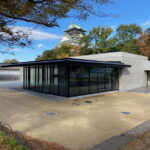
Your first task is getting into a simple yukata and settling in. It’s part of the cultural tone, but it also serves a real purpose: it helps you feel like you belong inside the temple setting, not like you’re touring past it.
Wear clothes that are easy to remove and replace. The experience includes changing, so you’ll want to avoid anything complicated. If you have a watch, ring-heavy jewelry, or anything you hate to move around, keep it simple. You’ll be barefoot or managing temple-appropriate footwear at points, so comfortable socks (or none, depending on what’s available on-site) will save you stress.
Also note the human side of the setting. This is a temple environment, not a loud day spa. So you’ll want to keep your energy calm too. Soft voices, slower steps, and patience with ceremony timing go a long way.
Incense offering and Zen meditation with bell and kneaded incense

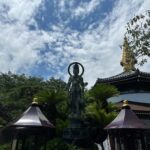
Before the massage, you’ll take part in temple-style ritual time. That includes visiting the temple and doing an incense offering. You’re not expected to guess what to do. You’ll receive an introduction to the temple’s worship culture, which helps the steps make sense instead of feeling like a performance.
Then comes Zen meditation. You’ll do it with bell guidance and with kneaded incense as part of the practice. The goal here isn’t to produce a perfect meditation pose. It’s to give your mind a signal to slow down—so the massage later has somewhere to land.
One timing detail matters: Zen meditation may be shared with other guests unless a private request is made. If you prefer complete quiet and personal space, ask ahead for a private meditation option. If you’re okay with a calm group setting, shared meditation can feel more natural. Either way, you’ll want to be ready to follow the rhythm the guide sets.
If you’re coming in from a busy Osaka day—train hopping, shopping, late lunches—this portion gives you a reset with structure. It’s not therapy talk. It’s ritual, done slowly.
Foot bath and scrub massage: the warm-up you’ll notice later
Before the deep massage, you’ll get a foot bath and a scrub massage. This part sounds simple, but it changes how the rest of the session feels.
Feet are often where stress collects from walking. A foot bath also helps your body transition from outside heat and cold into a warmer, more relaxed internal state. The scrub massage adds friction and warmth so that when the oil massage begins, your muscles respond better. In practical terms: you’re less likely to feel stiff during the first minutes of lying down.
If you’re the type who gets tense in the lower back, hips, or calves, this warm-up can be a big deal. You’re not just treating the sore area. You’re prepping the whole body for smoother release.
Warm bamboo oil massage for deep restore and myofascial release
Now for the main event: the warm bamboo and hand oil massage. This is described as a deep restore treatment with warm bamboo myofascial release and a full-body oil approach. The bamboo adds a texture and pressure style you don’t get in most Western massages, and it can feel both grounding and surprisingly relieving.
The experience is 90 minutes, which is long enough to reach beyond surface relaxation. You should expect slow, methodical work rather than fast smoothing. That matters if you carry stress in your shoulders, along your spine, or across the fascia (the connective tissue that can hold tightness even when muscles feel okay).
They also use hand oil massage alongside the bamboo. That combination gives you variety: the bamboo works deeper through controlled movement, while the hands help fine-tune pressure and comfort. It’s the kind of treatment that can leave you feeling loose without feeling bruised.
About Reiki: the experience description includes a note about Reiki as a non-contact energy healing approach that supports deep relaxation and emotional balance. What you should take from that is simple: the session isn’t only about physical mechanics. The atmosphere and the intention behind the work matter, and the staff will guide you into a calmer headspace during the process.



Matcha tea ceremony and Japanese sweets, explained as you sip

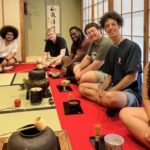
After the massage, you’ll shift into the tea ceremony. This isn’t just matcha tasting. You get an explanation with cultural and historical context as part of the ceremony, which makes it far more memorable than a quick drink.
The tea experience also includes original Japanese sweets. That pairing is practical: tea rituals are slow by nature, and sweets help you settle your senses so you don’t leave feeling like you’re “done” before the calm has finished spreading through you.
If you care about learning, this is one of the best parts. The guide talks through what’s happening, so you understand the why behind the motions. If you don’t care about theory, the ceremony still works because it’s a calm pause right when your body is most receptive.
One review theme that fits well here: people describe the tea ceremony as relaxing and informative. That combination is rare. Often you get one or the other. Here, you get both.
Yukata photo keepsake: a small thing with real payoff
Near the end, you’ll wear your yukata for a commemorative photo. You also receive complimentary smartphone photos that you can take home as a keepsake.
This is a nice touch for two reasons. First, it gives you an image that matches the experience you actually had (temple + yukata + calm). Second, it removes the awkwardness of trying to stage a photo yourself while you’re still in your ceremony mood.
Practical tip: if you’re picky about photos, go easy on timing. Ask the staff for guidance and trust their pace. Temple settings often involve subtle directions so you don’t block others or rush the ceremony flow.
Skip the ticket line, small group pacing, and English support
A key value point: you can skip the ticket line, which keeps your day from snagging on small delays. Combine that with the small group size (up to three participants), and your schedule stays smoother. You’ll spend less time waiting and more time experiencing the calm.
Guidance is offered in English and Japanese. That helps a lot when you’re doing rituals like incense offering and Zen meditation. You don’t want to be guessing at meanings while also trying to relax.
If you’re a couple, this works well too. The format is intimate, and the massage plus tea ceremony feels like a shared moment rather than a solo activity you happen to do together.
Price and value: why $129 can feel fair for what you get
At $129 per person, you’re paying for more than a standard massage session. You’re covering a two-hour experience that includes:
- a 90-minute warm bamboo oil massage
- temple visit components like incense offering and meditation
- a structured matcha tea ceremony with sweets
- yukata use
- commemorative smartphone photos
So the question becomes: are you getting enough total experience time and cultural content to justify the price? In my view, yes, because the massage time isn’t “the whole thing,” and the cultural pieces aren’t “extras.” They’re arranged to support each other—ritual first, then release, then tea to finish the transition.
Also, a small group matters for value. When you’re not pushed into a big crowd, you’re less likely to feel rushed or confused. That makes the difference between a nice session and a memorable one.
Who should book this Osaka temple massage (and who might reconsider)
This is a great fit if you want a break from Osaka’s usual pace and you like experiences that mix body and culture. You’ll enjoy it if you’re:
- stress-heavy from walking and transit
- curious about Japanese temple rituals like incense offerings and Zen meditation
- the type who likes learning while relaxing
- coming as a couple or solo traveler who still wants guidance
You might reconsider if you strongly need a totally private, silent setting. Zen meditation may be shared unless you request private. Also, if you hate any ritual component and only want massage, you may find the ceremony time takes up space you’d rather spend stretched out on a table immediately.
Should you book the Osaka Temple Warm Bamboo Oil Massage?
If your goal is calm with a real sense of place, I’d book it. The combination of warm bamboo deep restore massage, temple incense and Zen meditation, and an explained matcha tea ceremony turns it into something more meaningful than a spa stop.
Book it now if you like structured relaxation and want a small-group experience where the staff can guide you in English and Japanese. Skip it only if you’re determined to have everything private with zero ceremony elements. For most people, the ritual-to-massage flow is exactly what makes the session special.
FAQ
How long is the Osaka Temple Warm Bamboo Oil Massage experience?
The experience lasts about two hours, with a 90-minute massage included.
What is the price per person?
The price is $129 per person.
What does the package include?
It includes a welcome drink and changing into a yukata, a temple visit with incense offering (including an introduction), Zen meditation with bell and kneaded incense, a foot bath and scrub massage, warm bamboo and hand oil massage, a Japanese tea ceremony with cultural and historical explanation, original Japanese sweets, and complimentary smartphone photos.
Do I get to wear a yukata?
Yes. You’ll change into a simple yukata as part of the experience.
Is the meditation private?
Zen meditation may be shared with other guests unless you request a private experience.
What massage technique is used?
You’ll receive a warm bamboo oil massage with myofascial release and hand oil massage.
Is there a matcha experience?
Yes. The tea ceremony includes a matcha experience.
What languages are supported during the experience?
The instructor supports English and Japanese.
Where should I set the meeting point in Google Maps?
Use Japanese Massage -the one&only-. If needed, search for the restaurant Tossa de coracao, since the location is next to it.
Can I cancel and get a full refund?
Yes. Free cancellation is available up to 24 hours in advance for a full refund.