REVIEW · TAKAYAMA
Takayama: Mochi-Making Experience at a Buddhist Temple
Book on GetYourGuide →Operated by Takayama Zenkoji Experience Center · Bookable on GetYourGuide
Mochi looks simple. It is not.
In Takayama, this temple mochi-making experience turns that chewy rice cake into a hands-on ritual, from pounding glutinous rice with a wooden mallet to shaping warm mochi you eat right away. I like how practical it feels (you’re doing the work, not just watching), and I also like the cultural context the guide shares—mochi tied to New Year and other celebratory gatherings. The main catch: the dough is sticky and your arms get a workout, so if you want a super relaxed, hands-off souvenir, this may feel like more effort than you expected.
You meet inside the temple—ring the bell first—and the whole class stays small (10 participants max). It’s designed for a one-hour finish, so you get the full experience without spending half a day on a long tour block.
In This Review
- Key Things to Know Before You Go
- Pounding Mochi Rice in a Takayama Temple Setting
- Finding the Workshop: Ring the Bell and Go Inside
- The 1-Hour Flow: From Steamed Rice to Hand-Shaped Mochi
- A temple welcome, then a ritual-minded start
- Pounding steamed glutinous rice
- Shaping warm mochi with your hands
- Enjoying it with toppings
- Mochi Toppings: Vegetarian Options That Let You Customize
- How Mochi Became a Celebration Food in Japan
- Guides Like Koki and Kazuki: What Makes the Teaching Stick
- Worth the $38: What You’re Really Paying For
- Who This Mochi Class Suits Best (and Who Might Skip)
- Should You Book This Mochi-Making Experience in Takayama?
- FAQ
- How long is the mochi-making experience?
- Where do I meet for the workshop?
- How much does it cost?
- Is the class offered in English?
- How big is the group?
- What happens during the class?
- What toppings are included?
- Is alcohol allowed?
- What age limits apply?
- Can I cancel and get a refund?
- Is there a reserve and pay later option?
Key Things to Know Before You Go
- Temple-first atmosphere: You start in a real Buddhist setting, not a cooking studio.
- Pounding is the point: A wooden mallet and mortar teach texture the traditional way.
- You shape and eat what you make: Warm mochi comes with classic toppings.
- English support: The instructor teaches in English (and Japanese).
- Small group pacing: With up to 10 people, you actually get hands-on time.
- Short but meaningful: The session blends food, symbolism, and community in about an hour.
Pounding Mochi Rice in a Takayama Temple Setting
This is one of those activities where your brain understands the idea fast, but your hands learn the lesson slowly. Mochi is chewy because of how glutinous rice changes as it’s steamed and worked. In this workshop, you don’t just learn what mochi is—you feel the change as the dough becomes smooth and elastic.
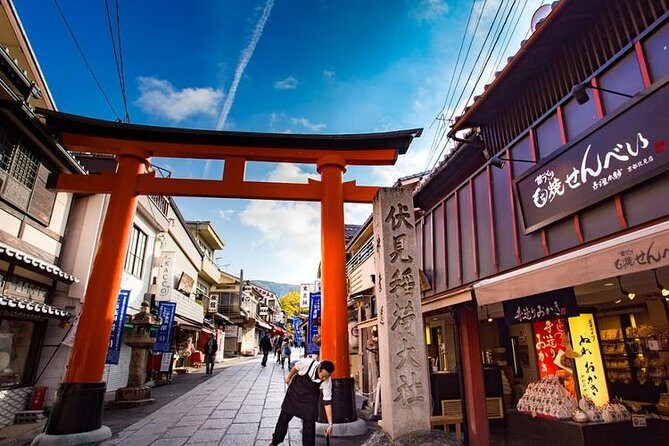
The temple setting matters. Food here isn’t treated like a quick snack or a performance for tourists. It’s connected to worship, seasonal celebration, and the idea of working together. Even before you start cooking, you’re in the mindset of a ritual: calm pace, respectful behavior, and a guide who explains what you’re doing and why.
Two details make the experience especially satisfying. First, the tool work—pounding rice with a wooden mallet and mortar—is physical in a good way. Second, the process ends with you eating the results, so you can connect texture and meaning immediately.
You can also read our reviews of more tours and experiences in Takayama.


Finding the Workshop: Ring the Bell and Go Inside
Your meeting point is simple: come inside the temple, then ring the bell in front of you. Staff will come to welcome you.
That small moment is more than a quirky instruction. It sets the tone. You’re not arriving at a ticket counter. You’re entering a sacred space, and the bell signals you’re ready to participate. If you’re used to tours that feel like lines and headsets, you’ll notice the difference fast.
Practical tip: wear clothes you don’t mind getting a little dusty or sticky around the cuffs. The workshop focuses on hands-on work, and mochi paste doesn’t politely stay in its bowl.
The 1-Hour Flow: From Steamed Rice to Hand-Shaped Mochi
The full experience lasts about an hour, and it’s paced like a workshop should be: enough time to learn the steps, not so much that you’re waiting around. The session is small-group (up to 10), with turns so everyone gets time pounding and shaping.
Here’s what the flow looks like in plain terms.
A temple welcome, then a ritual-minded start
Some sessions begin with a short visit to the temple’s key area (near the shrine), where the guide explains what’s appropriate and the group greets the deity and receives a blessing. If your group follows this format, treat it like a quick orientation: quiet, attentive, and respectful.
Even if your session skips that exact sequence, expect a brief framing about the temple setting and the role of rice and food in celebration.
Pounding steamed glutinous rice
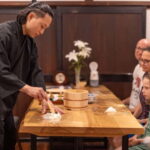
Next comes the core work: the steamed rice gets moved into the mortar, and you take turns pounding with a wooden mallet. This is the moment that turns “cooking” into a tradition. You’re not only mashing. You’re changing structure—helping moisture distribute and pushing the rice toward a smooth, elastic dough.
If you’ve never done pounding work, you’ll learn quickly that technique matters. The pace isn’t about speed. It’s about timing, pressure, and coordination with the group.




Shaping warm mochi with your hands
When the dough reaches the right consistency, you shape mochi by hand. The warmth is part of the texture and part of the charm. Hot mochi clings slightly, stretches a bit, and feels almost alive compared to store-bought versions.
This is where the experience flips from “work” to “oh, I get it now.” You’ll understand mochi as something made, not something produced.
Enjoying it with toppings
Finally, you eat. Toppings vary, but you can expect both sweet and savory options, with vegetarian choices. Common toppings include kinako (soybean flour), sweet red bean paste, and even miso-style flavors.
And yes, tea often shows up as part of the session. One guide-led class included green tea, which makes sense: it cuts sweetness and keeps things grounded.
Mochi Toppings: Vegetarian Options That Let You Customize
Toppings are where mochi stops being just food theory. You made the base, and now you get to try how different flavors change the experience.
Here are the typical topping directions you can look forward to:
- Kinako (soybean flour) for a nutty, earthy finish
- Sweet red bean paste for classic comfort-food sweetness
- Miso flavors for a savory, deeper profile that balances the sweetness people expect from mochi
The workshop notes vegetarian toppings, which is great if you want to participate without worrying about hidden meat-based ingredients. Still, if you have strict dietary needs, use your best judgment and ask what’s included in your specific set.
A small practical thought: eat the mochi while it’s warm. Texture is the whole point. Warm mochi feels stretchier and more forgiving than cool pieces.
How Mochi Became a Celebration Food in Japan
This is where the workshop earns its meaning. Mochi isn’t only a dessert. In Japan it has long been linked with celebration, good fortune, and community gatherings.
You’ll hear the connection to seasonal events, especially New Year. Mochi-making is often done during festive times, and the pounding ritual itself reflects teamwork—people share labor, share timing, and then share the food.
The cultural logic is simple: making mochi takes effort. If you’re willing to spend that time together, you’re not just eating—you’re participating in a shared moment. That’s why a temple setting fits so well. The workshop doesn’t treat rice as a commodity. It treats rice as something sacred to daily life and seasonal tradition.
The best part is that you don’t just learn this as a lecture. You live the “why” through your arms and hands as the dough changes.
Guides Like Koki and Kazuki: What Makes the Teaching Stick
The magic in these classes isn’t only the recipe. It’s the teaching style—especially the way guides explain each step before you do it.
In past sessions, guides named Koki and Kazuki stood out for clear instruction and an easygoing approach. That combination matters. When you’re pounding dough, you need practical guidance: how hard to hit, what texture you should aim for, and what to do if the dough isn’t behaving yet.
The cultural side also lands better when it’s tied to the action. Instead of talking about symbolism in general terms, the guide connects rice work to history and the effort behind preparing food in earlier times. That helps you understand why tradition sticks even when modern life speeds everything up.
One more teaching detail that seems to come through: the guide tends to keep the group coordinated with cues and step-by-step rhythm. It turns the process into something you can actually follow, even if you don’t know Japanese.
Worth the $38: What You’re Really Paying For
At $38 per person for about one hour, this isn’t the cheapest thing you can do in Japan. But it’s also not trying to be cheap. The value comes from three parts:
- Hands-on labor
You use traditional tools (wooden mallet and mortar) and shape mochi yourself. That’s labor you can’t get from a tasting-only experience.
- A guided cultural explanation
You get the “why” behind mochi—its role in celebrations, good fortune, and community. The lesson isn’t generic. It connects rice to ritual life.
- You leave with food, not just a memory
You eat what you made, with classic vegetarian toppings. That’s a real payoff in a short time slot.
So for value, ask yourself a simple question: do you like making things with your hands, even if it gets a little messy? If yes, $38 for one hour feels fair. If your goal is a quick walk-and-take-photos activity, you might feel like it’s more work than reward.
Who This Mochi Class Suits Best (and Who Might Skip)
This works well for:
- Solo travelers who want an activity where the group structure helps you feel included
- Couples and friends who like doing something together and then eating it
- Families with kids who are old enough to handle workshop steps (the class is not for kids under 3)
It may not be ideal for:
- People who want an easy, low-effort experience. Pounding and shaping take real engagement.
- Anyone who dislikes sticky dough textures.
- Older visitors in the higher end of age ranges, since the activity notes it’s not suitable for people over 70.
Also, note the workshop rules: alcohol and drugs are not allowed. That’s normal for a temple setting and helps keep the atmosphere calm and respectful.
Should You Book This Mochi-Making Experience in Takayama?
If you like food that has a story, and you enjoy doing more than just tasting, I’d book this. It’s short, it’s hands-on, and it connects the “how” of mochi to the “why” of Japanese celebration and community.
Book it especially if you’re in Takayama and want one activity that feels local rather than overly commercial. The temple setting changes the vibe, the small group keeps things personal, and the pounding-to-tasting flow gives you a satisfying outcome.
Skip it if you’re expecting a long cooking adventure, a fancy plating experience, or a fully relaxed stop. This is a ritual-style workshop: you’ll work, you’ll learn, and you’ll eat warm mochi at the end.
FAQ
How long is the mochi-making experience?
It lasts about 1 hour.
Where do I meet for the workshop?
Come inside the temple, then ring the bell in front of you. Staff will welcome you.
How much does it cost?
The price is listed as $38 per person.
Is the class offered in English?
Yes. The instructor teaches in English (and Japanese).
How big is the group?
It’s a small group limited to 10 participants.
What happens during the class?
You’ll learn to pound steamed glutinous rice with a wooden mallet and mortar, shape the warm mochi with your hands, and eat it with toppings.
What toppings are included?
You’ll have various vegetarian toppings. Common options include kinako (soybean flour), sweet red bean paste, and miso flavors.
Is alcohol allowed?
No. Alcohol and drugs are not allowed.
What age limits apply?
Children under 3 years are not suitable, and people over 70 are also noted as not suitable.
Can I cancel and get a refund?
You can cancel up to 24 hours in advance for a full refund.
Is there a reserve and pay later option?
Yes. You can reserve now and pay later.
If you want, tell me your travel dates and whether you’re more into food experiences or cultural rituals—I can help you slot this into a Takayama day without making it feel rushed.