REVIEW · TAKAYAMA
Takayama Rice Ball and Miso Soup Making at a buddhist temple
Book on Viator →Operated by 高山善光寺 · Bookable on Viator
Rice balls in a temple kitchen hit different. In Takayama, this onigiri-making and Hida miso soup lesson happens in a calm Buddhist temple setting, where you learn the steps for both dishes in about an hour and leave with a satisfying, brunch-style meal you helped create. And since the class is taught with a light touch and friendly English support (Tama is specifically mentioned in the reviews), it feels welcoming even if your Japanese is limited.
The main drawback to consider is simple: it’s a short, one-hour session with a small-group format, so it’s best if you want clear guidance and a fun outcome, not a long, deep cooking marathon.
In This Review
- Key Highlights You’ll Care About
- Entering the Kuri Kitchen at 宿坊 高山善光寺
- What You Do During the One-Hour Onigiri + Miso Soup Class
- Meeting and settling in
- Learning prep in the temple kitchen (kuri)
- Making onigiri your way
- Cooking miso soup from scratch
- Brunch-style meal
- Hida Miso and Vegan-Friendly Cooking That Actually Makes Sense
- Temple Setting: Why This Feels Different from a Standard Cooking Class
- The Real Value of $26.13 for a Hands-On Brunch Experience
- Who Should Book This (And Who Might Want Something Else)
- Logistics: Finding 宿坊 高山善光寺 and Timing Your Day
- FAQ
- FAQ
- Is this class vegan-friendly?
- How long does the onigiri and miso soup experience take?
- How many people are in the group?
- What’s included in the price?
- Where does the class start?
- Is it near public transportation?
- Do I need private transportation to get there?
- What is the cancellation policy?
- Should You Book This Temple Onigiri and Miso Soup Workshop?
Key Highlights You’ll Care About
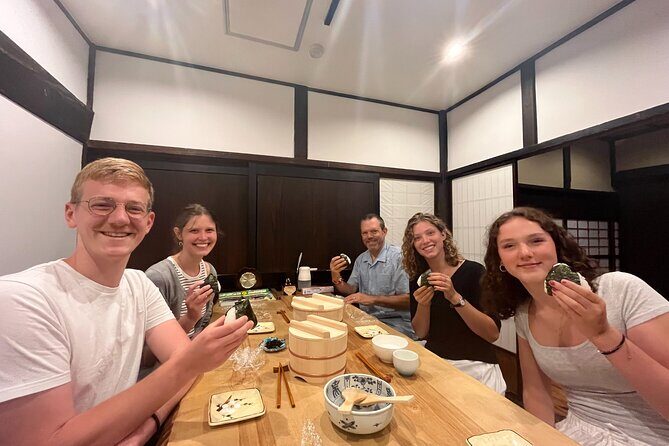
- Temple setting: You cook in the kuri kitchen space, not a noisy studio.
- Small group (up to 10): Easier questions, more personal attention.
- Real ingredients: Learn miso soup using locally known Hida miso.
- Onigiri customization: Pick your fillings and shape your own rice ball plate.
- Vegan-friendly: Built to work for plant-based eaters.
- English-friendly guidance: Clear teaching from hosts like Tama helps you follow along.
Entering the Kuri Kitchen at 宿坊 高山善光寺
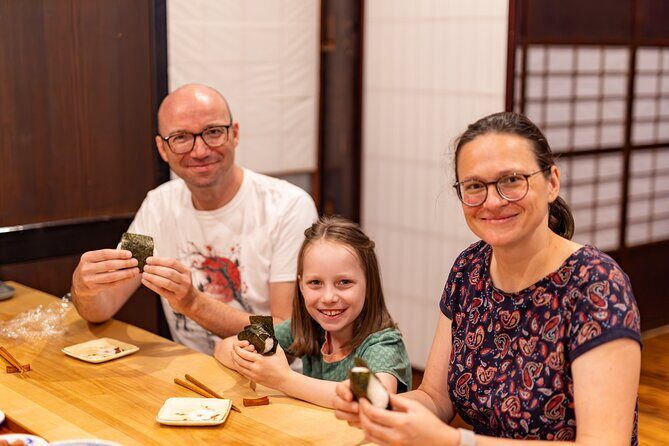
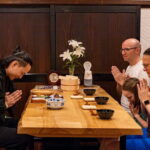
This is the kind of food experience that changes your pace. Instead of squeezing cooking into a busy afternoon, you step into a working temple environment where the atmosphere is quiet and the focus stays on your hands—and your attention.
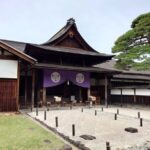
The class is centered at 宿坊 高山善光寺 (Temple Hotel Takayama Zenko-ji). That matters because it sets expectations. You’re not just learning a recipe; you’re learning how a meal fits into the rhythm of everyday life in Japan: calm, practical, and respectful. And yes, it’s taught in English for most visitors, which makes a big difference for confidence when you’re handling unfamiliar ingredients and techniques.
You can also read our reviews of more tours and experiences in Takayama.
What You Do During the One-Hour Onigiri + Miso Soup Class
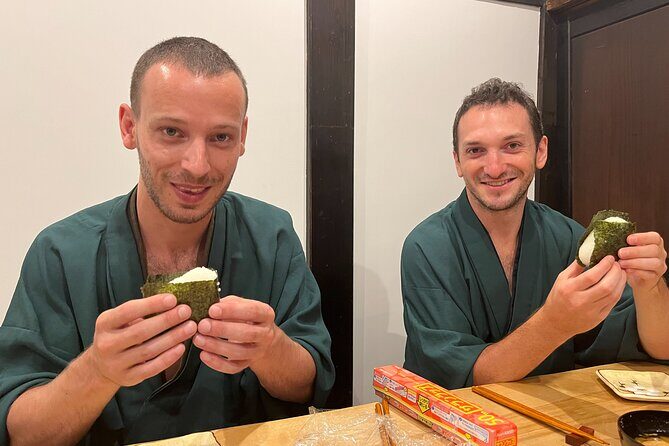
The timing is tight but not rushed: the experience runs for about one hour. Expect it to feel like a guided flow, from explanation to hands-on work, with time to finish what you start.
Here’s the structure you can plan around:
Meeting and settling in
You start at the temple hotel address in Takayama (the exact location is the Temple Hotel Takayama Zenko-ji area). Because it’s near public transportation, you can plug it into a sightseeing day without needing private transfers.
Learning prep in the temple kitchen (kuri)
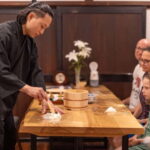
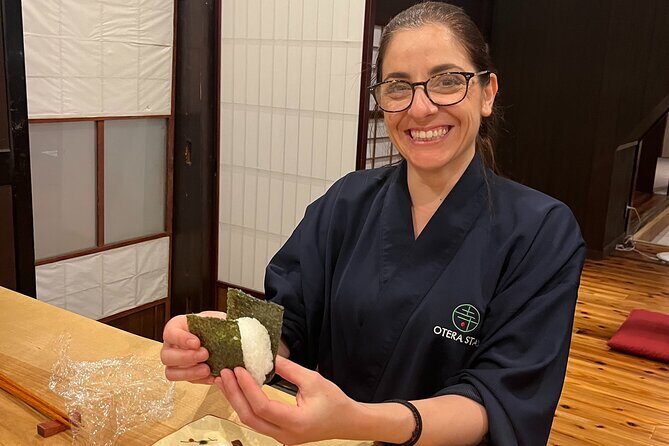
The heart of the experience is the kuri—the temple kitchen space. You’ll be taught both dishes, and you’ll get a feel for how the prep work is done before you move into shaping and cooking tasks. This is also where the vibe becomes clear: you’ll be doing real cooking tasks, but not struggling with anything that requires heavy lifting or advanced technique.
Making onigiri your way
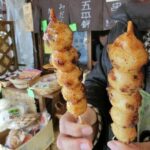
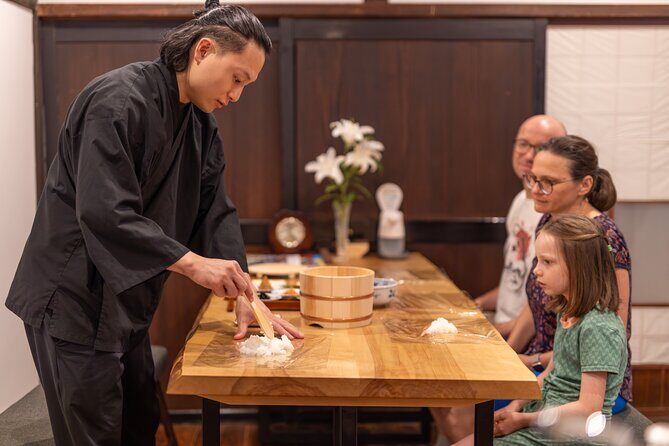
Onigiri here is not just formed rice. You’ll personalize your own onigiri plate by working with seasonal ingredients and choosing fillings. That customization is what makes this feel fun, not formulaic. You can treat it like a tasting menu you built yourself.
And since you’re in a temple setting, the lesson also comes with little reminders about mindfulness and gratitude around food. It’s not preachy; it’s more like a tone-setter.
Cooking miso soup from scratch
Next comes miso soup made with Hida miso, the locally known ingredient used for the flavor base. You’ll learn the process step-by-step—how miso is handled and what makes the soup taste the way it should. If you’ve ever had miso soup that tasted “flat” or overly salty, this is the kind of lesson that helps you understand why.
Brunch-style meal
The experience includes brunch. In practice, that usually means you get to sit down and eat what you made, so you’re not just walking away with food theory.
Hida Miso and Vegan-Friendly Cooking That Actually Makes Sense
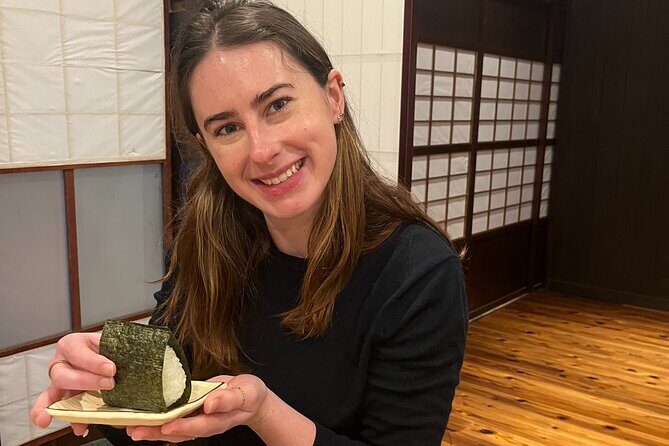
A lot of cooking classes promise local ingredients. This one brings local flavor into the main dish. Hida miso is the key detail, and it’s the ingredient that can teach you something bigger than one recipe: how Japanese cooking builds depth from a small set of staples.
On the dietary side, this experience is entirely vegan-friendly. That’s a real value point if you’re traveling with plant-based needs or you simply prefer vegan food. It also tends to make the lesson feel more broadly welcoming, since the class isn’t built around substitutions that might complicate things.
One thing I like about this setup is that it’s practical. You’re not only learning the “what,” you’re learning the rhythm of making soup and rice balls so you can repeat the basics later. Even if you don’t recreate it perfectly at home, you’ll understand the process well enough to troubleshoot your own miso soup.
Temple Setting: Why This Feels Different from a Standard Cooking Class
There’s cooking, and then there’s cooking with context. Here, the context is a Buddhist temple environment in Takayama, where the pace feels quieter and the teaching emphasizes appreciation for the meal.
A typical cooking class can feel like a production line: watch, copy, done. This feels more like learning in a place where people already understand how food fits into daily life. You get that subtle shift in attitude—less performance, more focus.
It also helps that the group is small. When there are up to 10 travelers, your questions don’t get lost in the shuffle. And in the reviews, hosts are described as young, friendly, and easy to follow, with especially clear English used to explain details of ingredients and prep. That clarity is a huge part of value: you spend less time guessing and more time actually making.
The Real Value of $26.13 for a Hands-On Brunch Experience
At $26.13 per person, this class sits in the “good deal if you’ll actually use it” category. It’s not a budget price, but you’re getting more than a snack-and-demo style activity.
Your value drivers are:
- Two components of food: onigiri plus miso soup
- Hands-on instruction: you don’t just watch
- A meal included: brunch is part of the package
- A special location: temple setting, not just another kitchen room
- Local ingredient focus: Hida miso gives the experience a sense of place
Is it worth it? If you want an authentic food moment in Takayama that doesn’t require advanced cooking skills, it’s a strong pick. If you’re looking for a long, multi-course cooking day with advanced techniques, this won’t be enough time. It’s designed as a focused hour that ends with you eating what you made.
Who Should Book This (And Who Might Want Something Else)
This is ideal for:
- Food lovers who want a hands-on experience rather than a museum-style lesson
- Travelers who want a break from shrine-to-shrine sightseeing
- Families with kids who do fine with a shorter activity (one review specifically noted children ages 12 and 9 enjoying it)
- Anyone who wants vegan-friendly Japanese cooking without extra hassle
It may feel less ideal if:
- You prefer deep, long classes with complicated technique
- You’re hoping for a major culinary “challenge”
- You want transportation included—this experience does not include private transport
The sweet spot is clear: you want a calm, friendly, short class that produces something you can be proud of.
Logistics: Finding 宿坊 高山善光寺 and Timing Your Day
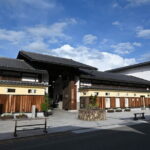
The meeting point is 宿坊 高山善光寺 / TEMPLE HOTEL TAKAYAMA ZENKO-JI, located at 4-chōme-3 Tenmanmachi, Takayama, Gifu 506-0025, Japan. The activity ends back at the meeting point, so you can plan the rest of your afternoon nearby.
Two practical tips help a lot:
- Show up early enough to settle in—temples can involve walking and small wayfinding, even if you’re close to public transportation.
- Treat it like brunch timing. Come ready to cook, then eat, because you’ll leave satisfied without needing an immediate follow-up meal nearby.
Also, the tour uses a mobile ticket, which is convenient if you’re managing tickets on your phone while sightseeing.
FAQ
FAQ
Is this class vegan-friendly?
Yes. The experience is described as entirely vegan-friendly, so it’s set up to be suitable for plant-based eaters.
How long does the onigiri and miso soup experience take?
It’s approximately 1 hour.
How many people are in the group?
The maximum group size is 10 travelers.
What’s included in the price?
The price includes instruction for making miso soup and rice ball, plus a guide. It also includes brunch as part of the experience.
Where does the class start?
It starts at 宿坊 高山善光寺 (TEMPLE HOTEL TAKAYAMA ZENKO-JI), 4-chōme-3 Tenmanmachi, Takayama, Gifu 506-0025, Japan.
Is it near public transportation?
Yes. The meeting area is described as near public transportation.
Do I need private transportation to get there?
No private transportation is included, so you’ll want to use public transport or your own arrangements.
What is the cancellation policy?
You can cancel for a full refund up to 24 hours before the experience’s start time.
Should You Book This Temple Onigiri and Miso Soup Workshop?
If you’re visiting Takayama and want a food activity that feels genuinely different, I’d book this. The best reasons are the combination of temple setting, hands-on cooking, Hida miso, and vegan-friendly structure, all packed into a manageable hour.
Book it if you want a calm break from sightseeing and you like learning by doing. Skip it only if you need private transport included or you’re hunting for a longer, more advanced cooking course. For most people, this is one of the most practical ways to eat well and understand Japanese food culture without turning your day into a complicated schedule.