REVIEW · HIROSHIMA
Echoes of Peace – A Soul-Stirring Koto Concert in Hiroshima
Book on GetYourGuide →Operated by Impression LLC. · Bookable on GetYourGuide
A quiet room can hit hard. This koto concert near Hiroshima Peace Memorial Park blends classical favorites with songs devoted to peace, plus a clear English introduction to the instrument and its meaning. I love how the sound feels intimate even in a small room, and I love the bold mix of pieces—from Bach to John Lennon—played with real sensitivity.
You’ll also get a performer-led story of the koto’s background and craftsmanship, and there’s time for a free English conversation afterward. One consideration: because the performance is only about 30 minutes, if you’re expecting a long, peace-only program, you may find the set includes more general repertoire than you’d like, even though peace themes are definitely part of the heart of the show.
In This Review
- Key things I’d plan around
- Why a koto concert feels especially powerful in Hiroshima
- What happens during the 30-minute concert (and what you’ll actually notice)
- The first part: learning what you’re hearing
- The second part: the live performance
- The third part: the English conversation
- The music program: peace tribute plus classics plus unexpected pop
- Optional mini-workshop: if you want more than listening
- The studio setting near Hiroshima Peace Memorial Park (and how to find it)
- How to get there (streetcar route)
- Price and value: is $25 worth it in Hiroshima?
- Who this koto concert is best for (and who should skip it)
- Small details that can make your experience smoother
- Should you book Echoes of Peace?
- FAQ
- How long is the koto concert?
- How much does it cost?
- Is the experience in English?
- Is the group small?
- Is there an option to try the koto?
- What are the basic restrictions?
Key things I’d plan around
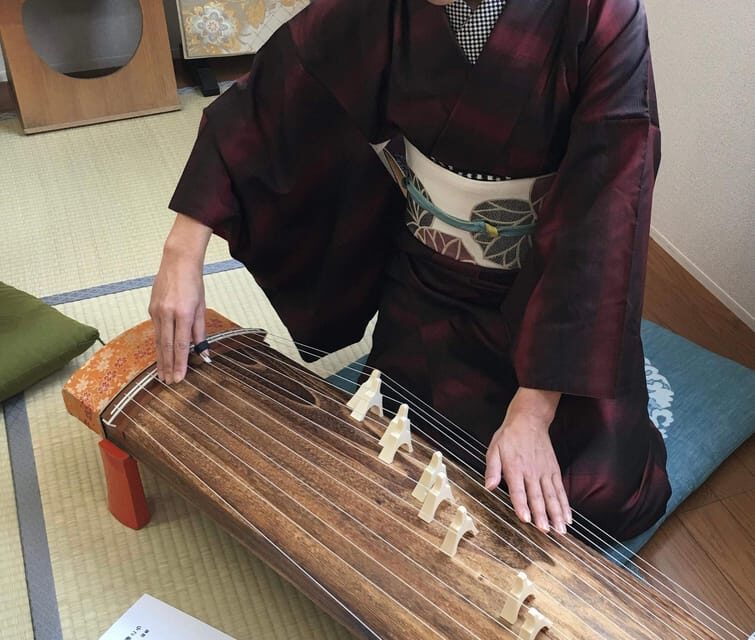
- A short, focused 30 minutes with classical, modern pop adaptations, and original peace music
- An English walkthrough of the koto—history, craftsmanship, and spiritual significance
- A peace-forward program honoring atomic bomb victims and prayers for global harmony
- Small group size (up to 10), so you’re not lost in the crowd
- Free conversation in English with the performer, plus an optional try-the-koto workshop
- A location near the Hiroshima Peace Memorial Park area, but with a second-floor studio layout
Why a koto concert feels especially powerful in Hiroshima
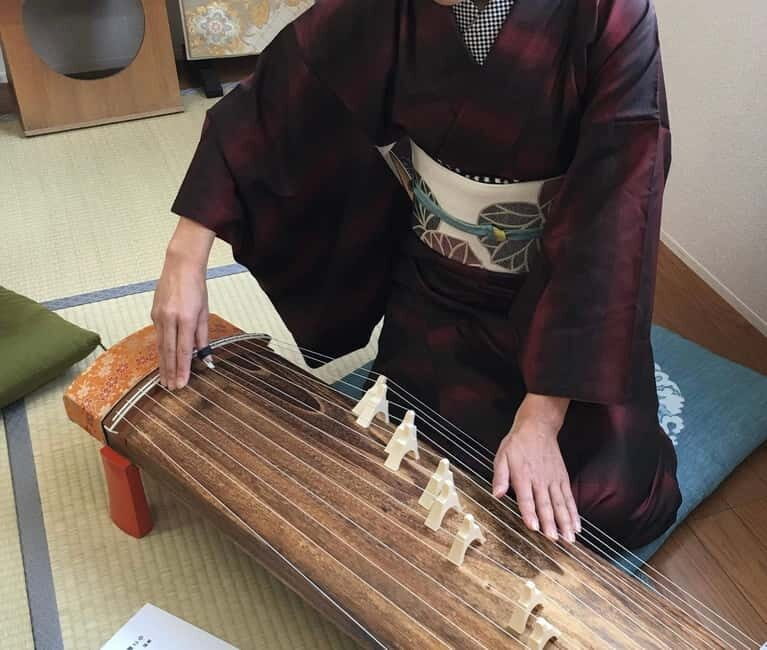
Hiroshima has a way of making everything feel more honest. When you come here looking for culture, you don’t just want pretty music—you want meaning. That’s what makes this koto concert such a good fit: it’s not framed as entertainment alone, it’s framed as reflection.
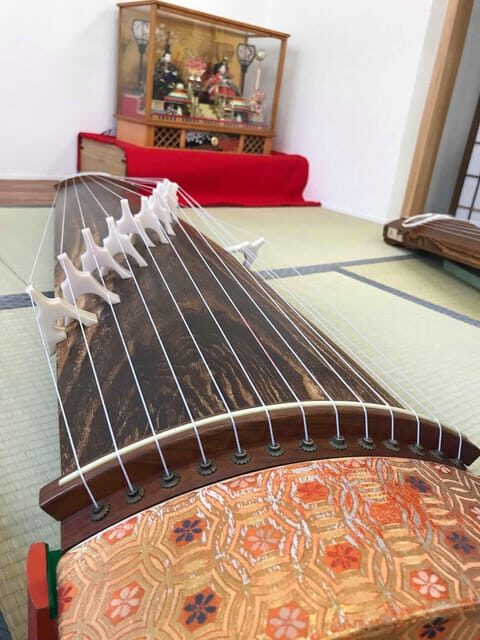
The koto itself helps. Those long, quiet strings don’t sound like a loud instrument designed for applause. They sound like something you lean toward. In a small setting, you hear details that bigger venues usually swallow—gentle changes in tone, careful phrasing, and moments where the room seems to go still.
Two things I really appreciate are the instrument-centered approach and the peace theme that runs through the music rather than sitting on top of it. Even when the program shifts into well-known western classical pieces and pop melodies, the intent stays clear: music as a bridge.
You can also read our reviews of more tours and experiences in Hiroshima.
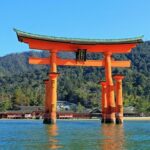
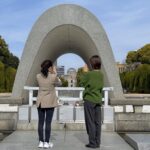

What happens during the 30-minute concert (and what you’ll actually notice)
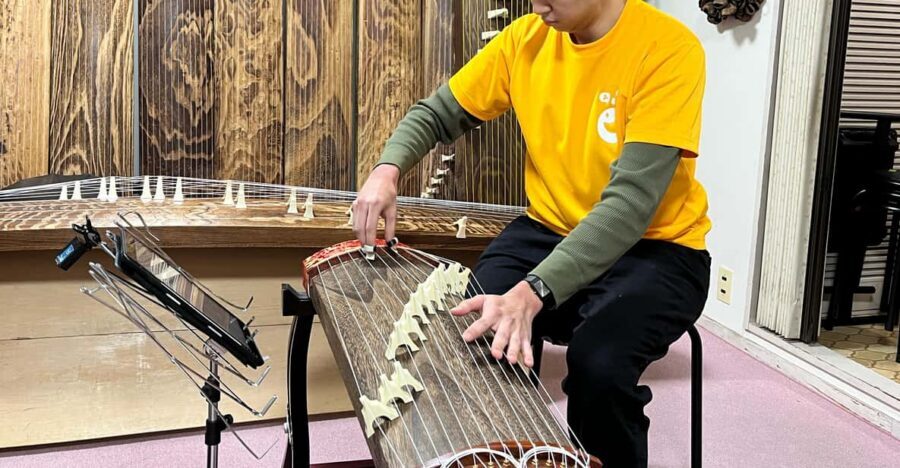
The whole experience is built to feel compact but complete: a performance, a guided introduction, and time for discussion. You’re looking at around 30 minutes total, which is perfect if you want something meaningful without losing half your day.
The first part: learning what you’re hearing
Before you just listen, you get a short cultural introduction to the koto—where it comes from, how it’s made, and why it carries spiritual weight. You also get context for the kinds of melodies the instrument traditionally handles, and how that connects to today’s arrangements.
This matters because koto music can feel unfamiliar at first. Once you know the basic ideas—how the instrument is built, how it’s typically approached—you stop treating it like background sound. You start tracking the choices: which passages are meant to feel calm, which are meant to feel like a message, and how modern arrangements keep the koto’s character instead of flattening it.
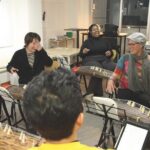
The second part: the live performance
Then you settle into the actual music. The program is designed to move through different moods:
- classical pieces that many people already recognize in western music
- a few sacred or reflective touches
- an original composition dedicated to peace
- and a pop-style surprise where familiar melodies get reworked for koto
In that tight set, the koto feels versatile. You hear it as both traditional and modern—without it turning into a gimmick.
The third part: the English conversation
After the concert, you’ll have free conversation time with the performer in English. This is the part I’d prioritize if you like getting practical answers—how the instrument works, what makes certain passages harder, and what peace-themed music means to the player.
Small group size helps here. With a maximum of 10 participants, you’re not just sitting beside a random crowd. You have a better chance to ask a real question and get a real answer.

The music program: peace tribute plus classics plus unexpected pop
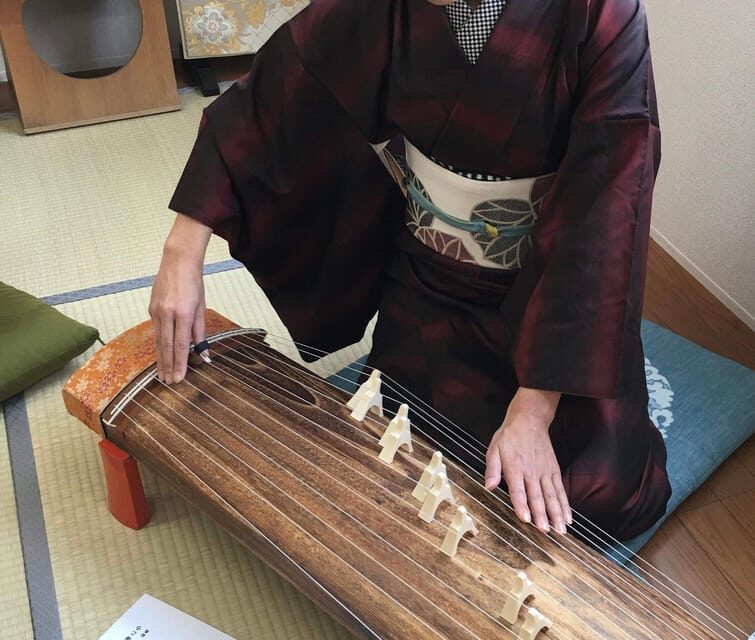
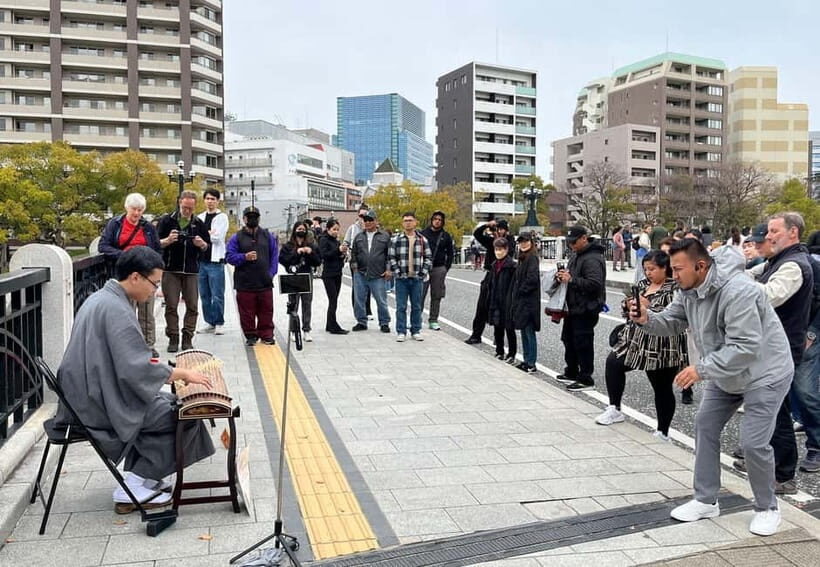
The heart of the show is peace. You’ll hear music honoring atomic bomb victims and prayers for global harmony, including an original piece created for this theme.
Here’s the lineup you can expect, based on the concert program:
- Echo of Serenity (original piece dedicated to peace)
- John Lennon’s Imagine (a universal anthem of hope)
- Bach’s Air on the G String and Ave Maria
- Pachelbel’s Canon in D
- pop song adaptations (blending tradition with modernity)
What makes this program work is the contrast. The koto can sound almost meditative on pieces like Canon in D, but it can also carry a more urgent, clear emotion—especially when paired with something as direct as Imagine. And by mixing sacred-sounding titles like Ave Maria with a peace dedication, the set keeps returning to the same question: what do you do with sorrow, and how do you turn it into something that lasts?
One more detail worth noting: you’re also getting a koto-specific narrative, so the “why” behind these songs isn’t left to guesswork. Even if you don’t know much about koto music yet, you’ll understand what the performer is trying to communicate.
Optional mini-workshop: if you want more than listening
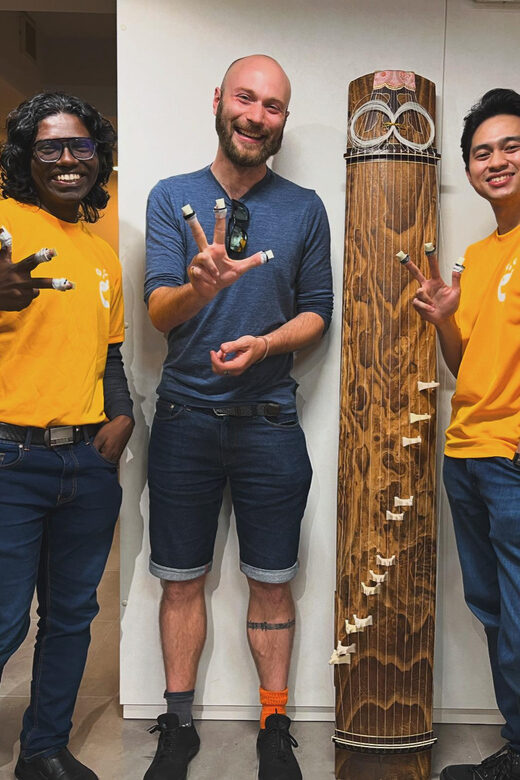
There’s an optional koto workshop you can add on if you want a hands-on moment. The key value here is control: you’re not stuck watching from the audience. You get at least a basic try, which helps you understand the technique behind the sound.
This is also a good choice if you learn best by doing. The koto is visually different from most instruments, so trying even a short exercise can make the concert feel more real afterward.
If you’re short on time, you can still enjoy the main concert without it. But if you love learning how instruments actually work, the workshop is where your curiosity can turn into something practical.
The studio setting near Hiroshima Peace Memorial Park (and how to find it)
This is a small-group event, so the setting is intentionally calm. The venue is described as a serene space near Hiroshima Peace Memorial Park, which fits the tone of the music: it’s meant to be a moment of quiet reflection, not a busy street performance.
You’ll want to plan extra patience for directions, because one review highlighted that the outside signage can be unclear. The good news is that the directions are very specific. Follow them closely and you’ll be fine.
How to get there (streetcar route)
Use the directions exactly as written:
- If you’re travelling by streetcar, get off at Tatemachi station.
- Go straight on the street. Landmark: Tully’s coffee.
- When you see the okonomiyaki restaurant Gokku 悟空, turn right.
- When you see the sign, you’re in the right place.
- Go to the second floor via the elevator. The entrance is upon exiting the elevator.
Practical tip: take a screenshot of the steps on your phone. In Japan, studios and small venues can hide behind ordinary building fronts, and a screenshot keeps you from spiraling when you’re walking fast.
Price and value: is $25 worth it in Hiroshima?
At $25 per person for a 30-minute concert with a performer-led introduction, English conversation, and a small group format, I think it’s good value—especially for Hiroshima.
Here’s why. First, you’re paying for more than music. You’re paying for context: the koto’s history, craftsmanship, and spiritual meaning are part of the experience. Second, the small group size matters. With up to 10 participants, the performer can actually speak to you, and your English conversation doesn’t turn into a lecture you can’t ask questions about.
Third, the peace theme isn’t an empty marketing line. The set includes a dedicated original piece and a program that explicitly honors atomic bomb victims and calls for harmony. If you’re going to Hiroshima and you want a cultural activity that fits the emotional gravity of the city, this checks that box in a respectful way.
Is it perfect? Not totally. Because it’s short, you don’t get a huge “deep into peace” length in one sitting. If you need a long, sustained peace-focused program, you may feel the musical arc is slightly compact. But if you want something focused, reflective, and culturally specific without a time drain, the price-to-experience ratio makes sense.
Who this koto concert is best for (and who should skip it)
This fits best if you enjoy small, meaningful cultural moments. You’ll likely love it if:
- you want an intimate Japanese music experience
- you like learning while you listen, not after
- you want an activity that pairs culture with reflection in Hiroshima
- you appreciate a mix of familiar melodies and traditional instrument performance
It’s also a solid choice for people who don’t want something physically intense. There’s no trekking here—just a calm session with a live performer.
It’s not suitable for children under 10, and you can’t bring alcohol or drugs. If you’re traveling with younger kids, look for an alternative activity that fits your family’s schedule and age needs.
Also, if you’re strongly sensitive to quiet settings, keep in mind this is designed to be peaceful. You’ll want to show up ready to listen.
Small details that can make your experience smoother
A few practical notes help this run smoothly:
- The instructor and conversation are in English, which makes the cultural intro feel accessible.
- The group is limited to 10 participants, so expect a more personal feel than a typical public concert.
- Glasses aren’t included, so if you rely on them, bring your own.
- This is a studio-style venue, so plan for a controlled indoor environment rather than a flexible walk-in street stop.
If you’re the type who likes to arrive early, do it. You’ll settle in better, and you’ll feel less rushed before the music starts.
Should you book Echoes of Peace?
I’d book it if you want a short, respectful, peace-centered cultural experience that doesn’t feel touristy. The koto instrument is special, and the structure—performance plus English context plus conversation—makes it more than a passive show.
I’d hesitate only if your main goal is a long, peace-only musical program. Because the concert is about 30 minutes, it’s balanced by design, and the set includes both peace tributes and more general classical and popular pieces.
If you’re in Hiroshima with limited time and you want something human, quiet, and culturally specific, this is exactly the kind of activity I think you’ll carry with you after the city moves on.
FAQ
How long is the koto concert?
The concert experience lasts about 30 minutes.
How much does it cost?
It’s listed at $25 per person.
Is the experience in English?
Yes. The instructor and conversation are available in English.
Is the group small?
Yes. The group is limited to 10 participants.
Is there an option to try the koto?
There is an optional koto workshop available for those who want to try the instrument. It’s not included automatically.
What are the basic restrictions?
Alcohol and drugs are not allowed, and the experience is not suitable for children under 10.