REVIEW · NAGOYA
From Nagoya: Discover Aichi — Korankei, Miso, & Inari Shrine
Book on Viator →Operated by Snow Monkey Resorts Tours (Machinovate Japan Ltd.) · Bookable on Viator
One day in Aichi, and you get everything. This guided loop connects Toyokawa Inari with its famous fox statues, a Nagoya-area miso experience, and the autumn-photo favorite Korankei Gorge. I like that the day is tight but not rushed, with smart timing for photos and a guide who can explain what you’re seeing instead of just pointing. One thing to plan for: lunch is not included, so you’ll handle food on your own during the free time.
What makes this outing feel good in practice is the small group size (max 12) and the friendly team behind the wheel. The guide Kim and driver Nakasishi-san are mentioned as especially helpful and kind—on top of keeping the schedule moving at a human pace.
In This Review
- Key things to know before you go
- Toyokawa Inari and the one-thousand-fox moment
- Omotesando street: the lunch break you can actually use
- Korankei Visitor Center and the 4,000-maple autumn plan
- Miso factory tour: turning Nagoya flavor into a story
- Sanshu Asuke Yashiki Village: crafts you can notice up close
- How the 8.5-hour pacing really works
- Price and value: what $208.10 buys you
- Who this tour fits best
- Should you book this Aichi day trip from Nagoya?
- FAQ
- How long is the tour?
- What does the tour cost?
- Where do I meet the tour?
- What time does the tour start?
- Is lunch included?
- What’s included in the price?
- Is there a mobile ticket?
- How big is the group?
- What if I want to cancel?
- Does the tour end back where it started?
Key things to know before you go
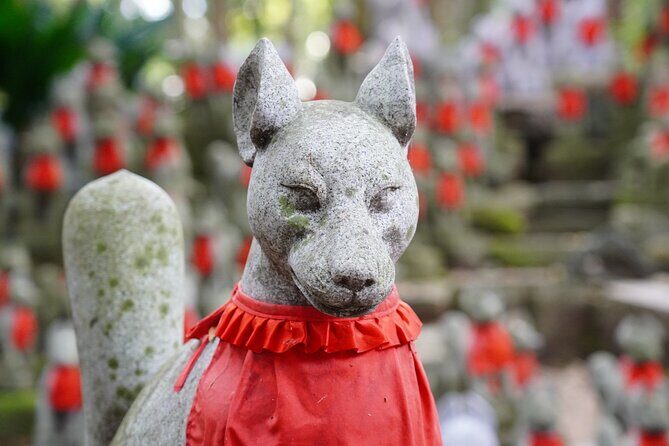
- Big Three Inari energy at Toyokawa Inari, with more than 1,000 fox statues
- Nagoya miso tasting that turns a food buzzword into something you can actually understand
- Korankei’s autumn payoff with over 4,000 Japanese maple trees (best when foliage is peaking)
- Omotesando free time where you can browse and hunt for local bites like Inari sushi
- Sanshu Asuke Yashiki Village for traditional crafts and an open-air museum feel
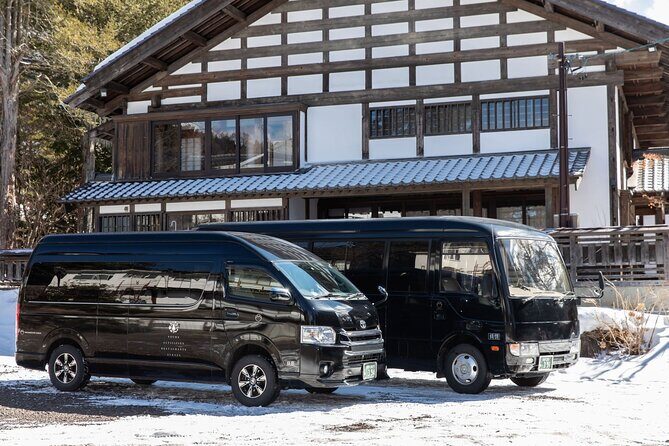
- Small-group pacing (up to 12 people) plus an air-conditioned vehicle for comfort
Toyokawa Inari and the one-thousand-fox moment
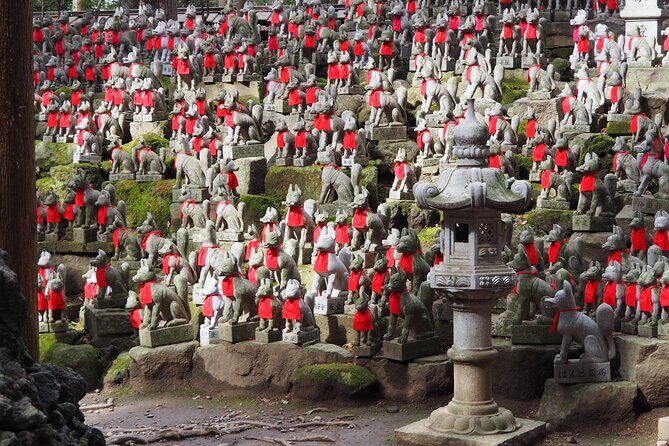
If you only knew Nagoya for trains and transfer stations, this starts by correcting that fast. Toyokawa Inari Shrine is one of Japan’s “Big Three” Inari shrines, with the other two named as Fushimi Inari Taisha in Kyoto and Yutoku Inari Shrine in Saga. The big hook here is the visual: you’re walking through a complex that’s loaded with Inari fox statues—over 1,000 of them.
I love how this kind of shrine visit is more than postcard photos. You get a guided explanation for what Inari represents and why these foxes show up in the first place, so the place feels less like a theme park and more like living religious culture. And since you have about an hour at the shrine, you can actually look, read, and photograph without doing a frantic sprint.
Possible snag: shrines mean walking and steps. The tour asks for moderate physical fitness, so wear shoes that handle uneven ground and stairs without drama.
You can also read our reviews of more tours and experiences in Nagoya.

Omotesando street: the lunch break you can actually use
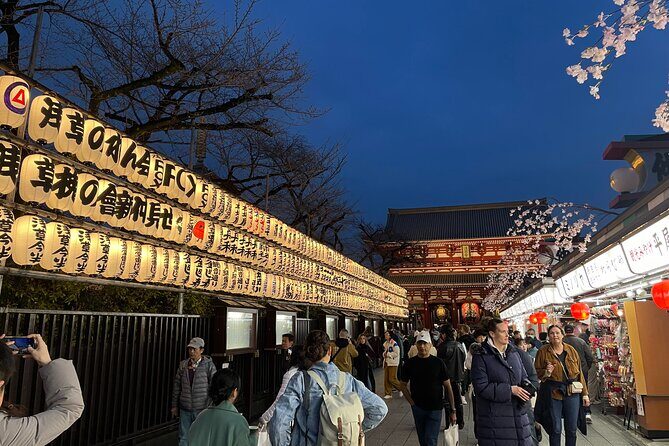
After Toyokawa Inari, the tour gives you time to reset at Toyokawa’s Omotesando shopping street. You’ll have about an hour of free time, and this is where the day turns from sacred sightseeing to normal human wandering—this is where you can browse shops, snack, and take your time.
This street is known for Inari sushi, which is made with vinegared rice. If that sounds like a side dish, it’s not—you’ll see it treated like a real local specialty. Even if you don’t go all-in on Inari sushi, the upside of this stop is flexibility. You can match what you want to eat with what’s available, and you can adjust your day if you’re craving something lighter after shrine steps.
One practical note: lunch isn’t included. So budget for your own meal here, and if you have allergies or dietary restrictions, it’s smart to plan what you can order from the start. The tour team has been described as helpful with food allergies, which is reassuring if you need extra care around ingredients.
Korankei Visitor Center and the 4,000-maple autumn plan
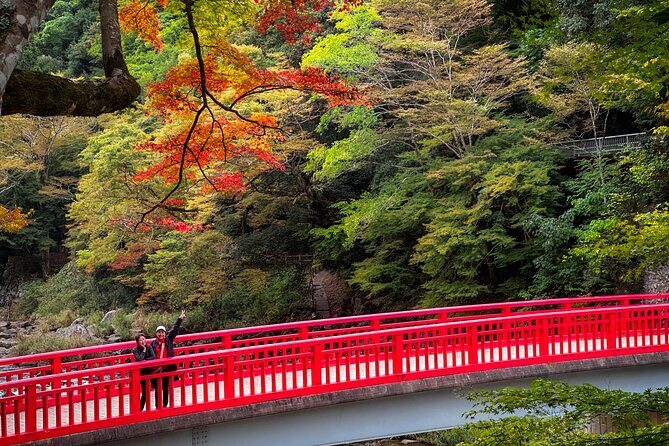
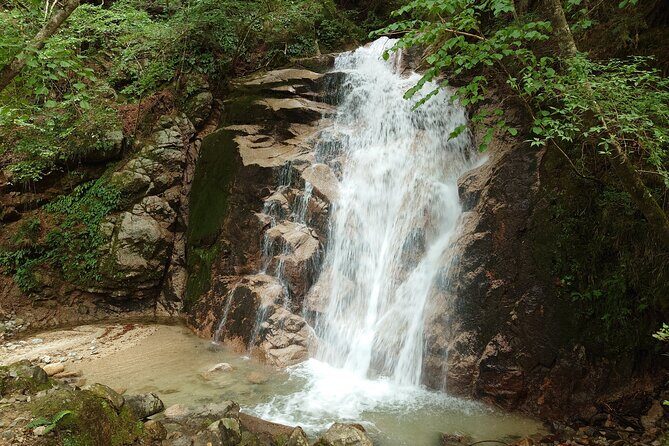
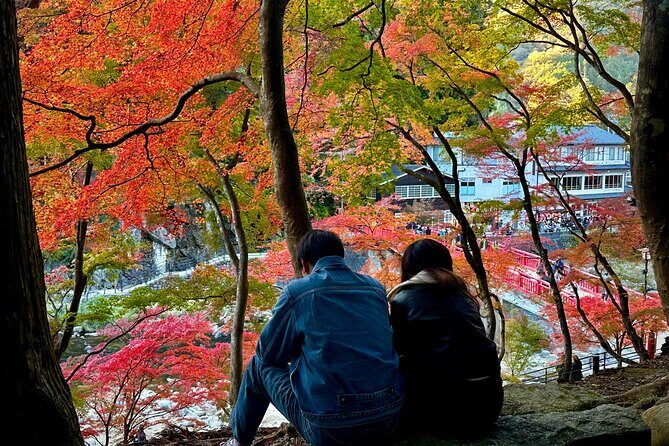
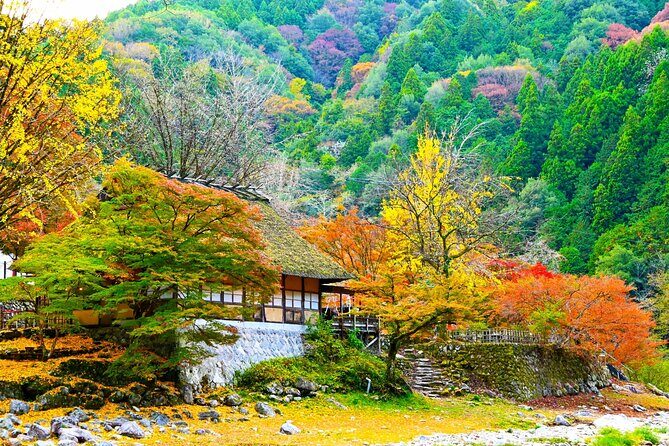
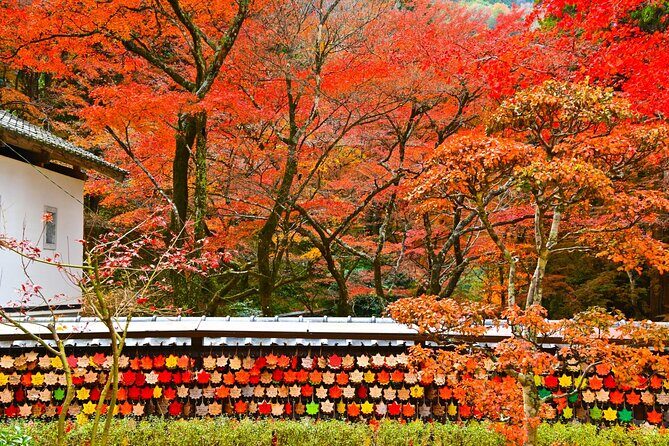
Then comes Korankei Gorge, one of Japan’s top autumn leaf spots. The visitor center stop is about two hours, and the scale is part of the story: you’re dealing with over 4,000 Japanese maple trees. That number matters because it shapes what you should expect. You’re not chasing one perfect view; you’re looking at a whole area built for seasonal color.
I like that this portion isn’t sold as just a quick viewpoint. Having a dedicated stop at the visitor center helps you understand the geography and what direction to look for the best leaf views as the season changes. It also makes the gorge feel more intentional—you can spend your energy on what the spot is best at, instead of guessing your way through.
Watch-outs that are real: autumn foliage timing can shift with weather, and the gorge is still a place where you may walk more than you think. Even though the stop is at the visitor center, plan for some uphill or uneven ground depending on how you explore.
Miso factory tour: turning Nagoya flavor into a story
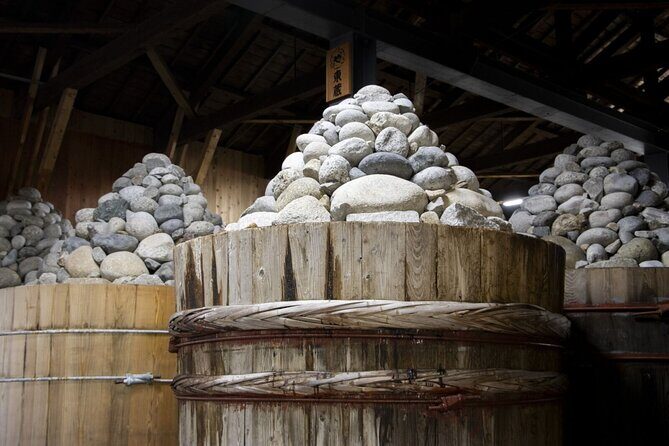
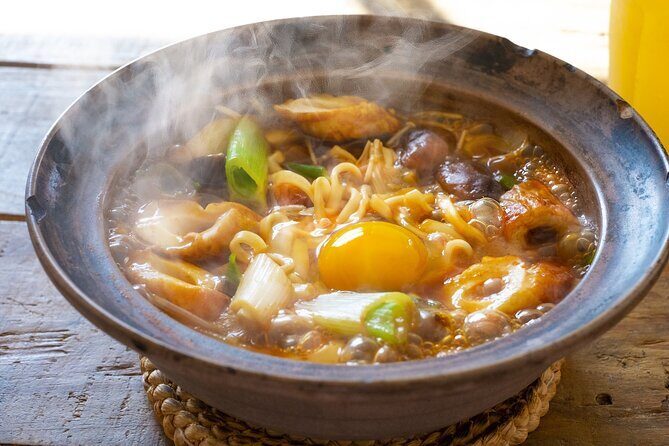
Nagoya miso is one of those things people mention like it’s a shortcut to understanding the region. This tour does a better job than most by giving you a miso factory experience—and a tasting—so you can connect the flavors to how they’re made.
What you’ll get out of this kind of visit is simple but valuable: seeing the process makes the taste make sense. Miso isn’t just one flavor; it can vary by ingredients, fermentation style, and how it’s handled. When you taste after learning, you start noticing differences instead of treating it as one big category called salty paste.
It’s also a great midday reset. After Inari and shopping time, the factory stop brings you back to the hands-on side of Aichi. If you’re a foodie, this is the part that makes you feel like the day earned the price—not just the transportation.
Sanshu Asuke Yashiki Village: crafts you can notice up close
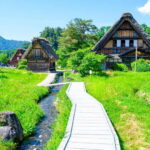
The tour also includes Sanshu Asuke Yashiki Village, described as a picturesque open-air museum where local craftsmen keep traditions alive. This stop is a nice counterweight to the two big-photo anchors (Inari and Korankei). Instead of chasing views, you’re observing process and design—how people make, repair, and preserve.
I like these craft-focused spots because they change your pace. You’ll move slower, look for details, and pay attention to the physical work behind cultural memory. It’s the kind of place where you can get genuine context for why certain regional foods and objects feel the way they do.
Since this is an open-air setting, dress for the weather. Even in comfortable temperatures, you’ll likely stand and walk at your own speed to look at different workshops or displays.

How the 8.5-hour pacing really works
With an approximate duration of 8 hours 30 minutes, the tour strikes a workable balance for a one-day schedule out of Nagoya. The order makes sense, too: start with the high-impact shrine, add a flexible shopping-and-snack stretch, then shift to nature and seasonal color.
A big advantage is the size. With a maximum of 12 travelers, you’re less likely to feel like you’re being herded through each stop. It also helps the guide handle questions quickly—especially practical ones like where to eat, what to photograph, or how long you want at a specific spot.
The vehicle is air-conditioned, which matters in Japan when the weather decides to be dramatic. And because the tour is built around admissions you can count on (for Toyokawa Inari and Korankei visitor time), you’re less exposed to uncertainty.
Price and value: what $208.10 buys you
At $208.10 per person, this isn’t the cheapest way to do Aichi—but it also isn’t priced like a luxury shopping spree. You’re paying for an official guide, an air-conditioned vehicle, and included admission for key stops like Toyokawa Inari and the Korankei visitor center segment. On top of that, you’re getting a tasting-focused miso experience and time at Sanshu Asuke Yashiki Village.
Here’s how I’d judge the value if you’re trying to decide: this tour makes sense if you want (1) clear context, (2) efficient routing, and (3) someone handling the “what should I do next?” problem. If you enjoy solo travel and don’t mind researching, you might replicate portions on your own. But doing it solo usually turns into more train planning, more timetable checking, and fewer explanations you can’t easily get from signs.
Also, the mobile ticket detail is a small comfort perk. It reduces the friction of day-of logistics when you’re moving between locations.
Who this tour fits best
This is a strong match for you if you’re doing Nagoya as a base and want a real taste of Aichi without wasting half a day in transit planning. It’s also a good fit for nature lovers and photographers, especially in autumn when Korankei’s maple trees are the main event.
Foodies will also like the structure. You’re not only eating on the Omotesando street; you’re learning how Nagoya-region miso flavors come from the factory process and then tasting it.
And if you have dietary restrictions, this tour is worth considering with a heads-up. The guide and driver have been described as especially helpful with food allergies, which suggests the team is attentive, not careless.
Should you book this Aichi day trip from Nagoya?
Book it if you want a guided hit list that feels coherent: Toyokawa Inari’s fox density, Korankei’s autumn views, a miso experience with tasting, and a craft-focused open-air village. The small group setup and the friendly, responsive team make a difference when you’re trying to keep the day enjoyable rather than exhausting.
Skip it or think twice if you’re picky about exact meal timing or you’re hoping lunch is handled for you, because lunch is not included. Also, if you dislike walking or stairs, the moderate fitness requirement is your signal to choose comfortable footwear and plan your energy.
If your goal is a memorable, efficient day in Aichi—full of culture, food, and seasonal scenery—this is the kind of tour that delivers on the promise.
FAQ
How long is the tour?
The tour is approximately 8 hours 30 minutes.
What does the tour cost?
The price is $208.10 per person.
Where do I meet the tour?
You meet at Nagoya Station, 1-chōme-1-4 Meieki, Nakamura Ward, Nagoya, Aichi 450-0002, Japan.
What time does the tour start?
The start time is 9:00 am.
Is lunch included?
No. Lunch is not included, and there is free time at Toyokawa’s Omotesando shopping street.
What’s included in the price?
The tour includes an air-conditioned vehicle and an official guide, plus admission tickets for certain stops (Toyokawa Inari and the Korankei visitor center).
Is there a mobile ticket?
Yes, the tour features a mobile ticket.
How big is the group?
The tour has a maximum of 12 travelers.
What if I want to cancel?
You can cancel up to 24 hours in advance for a full refund.
Does the tour end back where it started?
Yes, it ends back at the meeting point.