REVIEW · TOKYO
Asakusa Traditional Experience
Book on Viator →Operated by Life Journey Nipon · Bookable on Viator
Old Tokyo starts at Sensō-ji. This Asakusa traditional experience pairs a guided walk around Tokyo’s oldest temple area with time to browse the famous market street and finish with hands-on Edo glass art. I especially like how the guide connects what you see to how the neighborhood evolved from old Tokyo.
Two standouts for me: the way you get clear, practical context at Senso-ji (not just photos and head nods), and the creative part at Sumida Edo Kiriko Kan, where you design a pattern and cut it into your own glass piece. One thing to plan for: the kiriko workshop costs extra (and snacks/wagashi are also not included), so the final spend will be higher than the base tour price.
In This Review
- Key highlights to plan around
- Starting at Kaminarimon: Senso-ji and the Edo-era feel you can actually see
- Nakamise-dori: turn a famous souvenir street into a useful cultural walk
- Sumida Edo Kiriko Kan: make your own pattern, then cut it into glass
- How the 4-hour format works in real life (and how to make it feel un-rushed)
- Price and value: what you’re paying for beyond the sightseeing
- Who this tour suits best (and who should look elsewhere)
- Should you book this Asakusa Traditional Experience?
- FAQ
- How long is the Asakusa traditional experience?
- What does the tour price include?
- Is Senso-ji admission included?
- Do I need to pay extra for the Edo kiriko workshop?
- Where do we meet, and where does the tour end?
- Can I get a full refund if plans change?
Key highlights to plan around
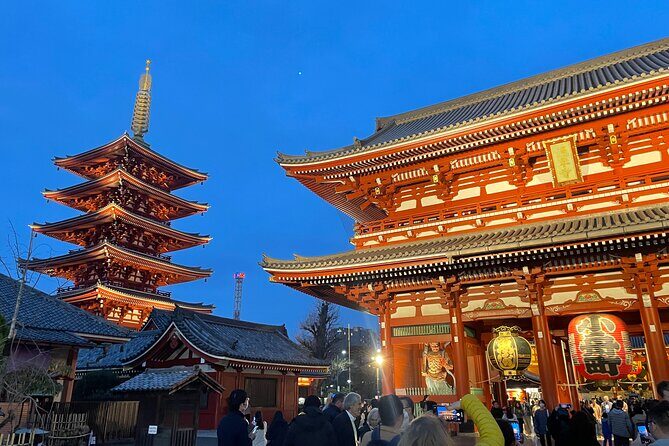
- Senso-ji, completed in 645: start where old Tokyo still shows up in architecture and layout
- Nakamise-dori shopping street: snack and souvenir stops in a lane about 200 meters long
- Hands-on Edo kiriko workshop: design your own pattern, then cut the glass
- Small private group (up to 5): you can move at a comfortable pace and ask questions
- Mobile ticket and good transit access: easier start from Kaminarimon area without extra hassles
Starting at Kaminarimon: Senso-ji and the Edo-era feel you can actually see
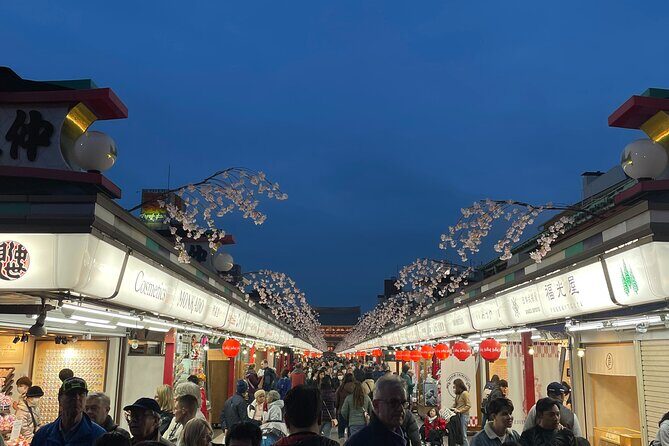
You’ll meet around Kaminarimon near Senso-ji, which is a smart way to start your day. From the first steps in this area, the vibe is distinctly Asakusa: temples, street life, and that sense of Tokyo’s older identity living right beside modern crowds.
Senso-ji is not just another stop on the map. It was completed in 645, and it’s often described as Tokyo’s oldest temple. The point of a guide-led start is that you don’t just walk past big sights. You learn how the space works—what to notice in the surroundings, and how the Edo-era atmosphere shows up through the way the area developed.
The best part here is simple: you’ll get oriented fast. You’ll know what you’re looking at, why it’s there, and how it connects to the larger Asakusa neighborhood. If you like travel that turns into real understanding (without needing a history degree), this beginning is the payoff.
A small consideration: Senso-ji’s popularity means you should expect movement and lines, especially around peak times. The tour is scheduled with about 1 hour for this stop, so you’ll want to go in ready to look, not to linger too long in one spot.
You can also read our reviews of more tours and experiences in Tokyo.



Nakamise-dori: turn a famous souvenir street into a useful cultural walk
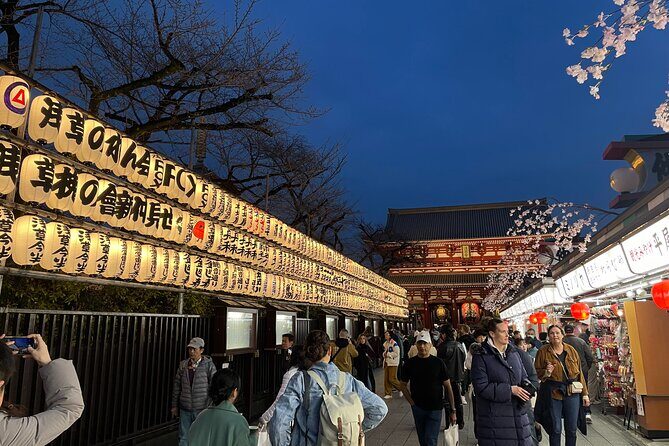
After Senso-ji, you move into Nakamise-dori, the classic shopping street attached to the temple approach. It stretches a bit over 200 meters, and it’s where you’ll see the everyday rhythm of old-school Tokyo commerce: snacks, small crafts, and tourist-friendly goods that still feel tied to the place.
This is a good stretch of time to do two things at once:
1) spot souvenirs that match what the area is known for, and
2) learn what the street is selling and why it’s still here.
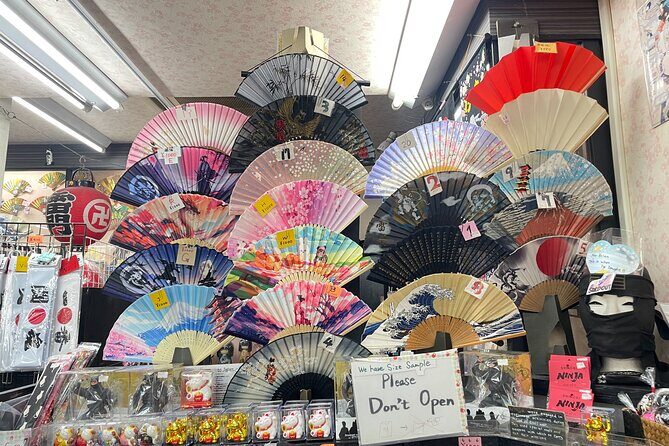
You’ll pass traditional snacks and items like yukata and folding fans, which are exactly the kind of things that help you recreate Asakusa at home. I also like this segment because it’s not a rushed “buy now” lane. You get about 1 hour to wander and choose at your own pace, which matters when you’re trying to balance photos, people, and actual shopping decisions.
The drawback is also predictable: Nakamise-dori can tempt you into impulse buys and expensive impulse snacks. Since snacks aren’t included, you’ll want to set a rough budget beforehand. If you’re picky about quality, take a quick lap first, then buy. And if you’re hungry, pick one snack you truly want, rather than collecting five bites “just because.”
Sumida Edo Kiriko Kan: make your own pattern, then cut it into glass
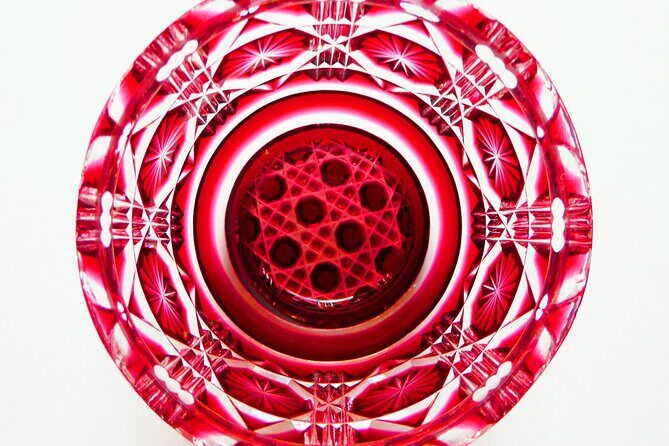
The highlight that changes this from a sightseeing tour into a memory is the Edo kiriko crafting stop at Sumida Edo Kiriko Kan. Edo-kiriko refers to cut glass that originated in Edo (old Tokyo). It’s a neat cultural angle because it’s not only about buildings or street scenes. It’s about a craft tradition tied to the city’s everyday life.
Here’s what makes the workshop valuable: you’re not just watching. You’ll design a pattern and then cut it yourself, which takes about 90 minutes (listed within a 1 hour 30 minute stop). That hands-on time matters because it forces you to slow down just enough to understand the process, even if you don’t have any prior crafting experience.
Workshop admission is not included. The added fee listed for the Edo kiriko workshop is 4,950 JPY, so treat that as part of the real cost of the experience. In exchange, you’ll bring home an original piece, which is often a better souvenir than another keychain.
Practical tip: wear comfortable shoes. Glass crafting is a seated activity, but you’ll still be walking and standing before you sit down. Also, don’t plan for a long shopping spree right after—your time will likely be focused on the workshop and getting your item handled properly.
One more note: there’s also a wagashi making experience fee listed as not included (1,800 JPY). The data doesn’t say it’s part of your included program, so if you see options for sweet-making, just assume it’s an add-on and budget separately.
How the 4-hour format works in real life (and how to make it feel un-rushed)
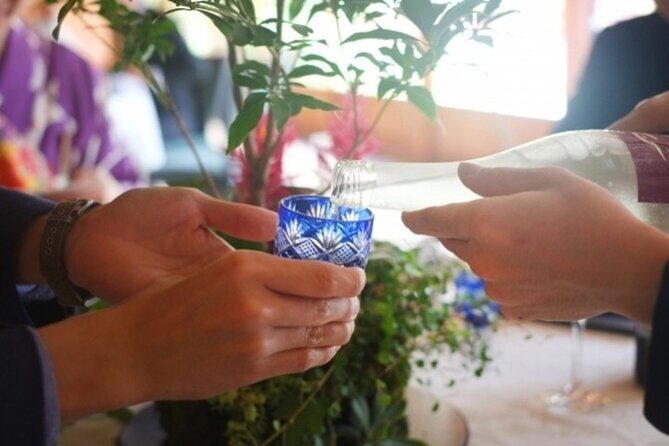
The total duration is about 4 hours, including travel time, with a 10:00 am start. That time window is long enough to feel like a proper Asakusa experience, but short enough that you won’t lose half your day to logistics.
This pacing also helps you avoid the common Tokyo problem: spending your energy on transit and then arriving too tired to enjoy the place. Starting near Kaminarimon keeps things efficient because you’re already positioned in the Asakusa core.
The tour is also private and limited to your group, up to 5 people. That matters more than it sounds. In a small group, you can ask questions without feeling like you’re interrupting a conveyor belt. You can also adjust your pace a bit if one stop feels especially compelling.
Here’s how I’d mentally plan it:
- You’ll spend about 1 hour at Senso-ji, which is enough to get the big sights and the meaning behind them.
- You’ll spend about 1 hour on Nakamise-dori for browsing and picking a few items or snacks.
- You’ll spend about 1.5 hours crafting, where you’ll likely concentrate and lose track of time in a good way.
If you’re the type who likes to photograph everything, you may need to manage your camera time so it doesn’t eat into the workshop. If you’re more into understanding what you’re seeing, the guide-led timing is a real advantage.
Price and value: what you’re paying for beyond the sightseeing
The base price is $142.84 per group, up to 5 people. That can sound steep if you compare it to a budget walking tour, but it makes more sense when you look at what’s included and what isn’t.
What’s included:
- Tour guide cost
- A structured route that begins at Senso-ji and ends back at the meeting point
- A private format, not a crowded join-in group
What’s not included:
- Edo kiriko workshop fee (4,950 JPY)
- Snacks on Nakamise-dori
- Wagashi making experience fee (1,800 JPY), listed as not included
- Any purchases you make along the way
So the real value question is this: are you paying extra for guidance and a hands-on craft, rather than just walking on your own? If yes, then the price is fair. You’re buying time-saving route structure, context at Senso-ji, and a crafting outcome you can physically take home.
Also, private tours tend to be better for groups of 3–5. If you’re traveling solo or as a couple, you may feel the cost more. But if you’re in a small group and you want the craft component, the per-person math usually lands better.
One last value check: the workshop fee is a fixed item. That means once you budget for it, you can plan the rest around your personal snack and souvenir choices.






Who this tour suits best (and who should look elsewhere)
This is a strong fit if you want Asakusa that goes beyond postcards. I think it’s especially good for people who:
- like temple areas but want explanations that make the architecture and layout click
- want a traditional craft souvenir that feels earned, not picked off a shelf
- prefer private pacing over weaving through crowds as part of a large group
It’s also a nice option for first-time Tokyo visitors because the stops are concentrated and meaningful: Senso-ji first, Nakamise-dori second, workshop third. You’re not scattering your day across the city.
If you only want shopping and quick photos, you might find the craft time (and extra workshop cost) less necessary. And if you’re traveling with extremely young kids who get restless in hands-on sessions, you’ll want to consider whether your group is ready for about 90 minutes of crafting.
Should you book this Asakusa Traditional Experience?
If you like the idea of pairing Senso-ji context with a real hands-on Edo craft, I’d say yes. The biggest reason: the day includes both “see it” and “make it,” and it’s structured so the temple visit doesn’t turn into random wandering.
Book it if:
- you value a guide who helps you notice the details that make Asakusa feel specific
- you want your souvenir to be something you designed and cut yourself
- you’re traveling with a group (up to 5) and want a private format
Skip or choose another option if:
- your budget can’t stretch for the workshop fee and extra snacks
- you don’t want to spend time crafting and would rather spend that time on shopping or another district
FAQ
How long is the Asakusa traditional experience?
It runs for about 4 hours total, including travel time.
What does the tour price include?
The price covers the tour guide cost. Senso-ji admission is listed as free, but snacks and the Edo kiriko workshop fee are not included.
Is Senso-ji admission included?
Yes. The stop at Senso-ji Temple lists admission as free.
Do I need to pay extra for the Edo kiriko workshop?
Yes. The Edo kiriko workshop admission is not included, and it’s listed at 4,950 JPY.
Where do we meet, and where does the tour end?
You meet at Kaminari mon 2-chōme-3-1 Asakusa, Taito City, Tokyo 111-0032, Japan, and the tour ends back at the meeting point.
Can I get a full refund if plans change?
Yes. You can cancel up to 24 hours in advance for a full refund.