REVIEW · NAGOYA
From Nagoya: Ise’s Sacred Shrines and Captivating Coastlines
Book on GetYourGuide →Operated by Machinovate Japan Ltd. · Bookable on GetYourGuide
Sacred places feel closer with context. This Nagoya-area day tour pairs a guided visit to Ise-Jingu with big coastal moments at Meoto Iwa, so you get both meaning and scenery. One thing to plan for: it’s a long day with several hours outdoors, and the walking adds up.
What I like is how practical it feels. You’re on a comfortable coach with entry fees handled, plus you’ll take home an included lucky-hope keepsake with an omikuji fortune at Futami-Okitama Shrine. With a small group (up to 14), you’re less likely to feel rushed or lost when questions pop up.
In This Review
- Quick hits
- Getting from Nagoya: simple logistics, low stress
- The shrine-focused heart of the day at Ise-Jingu
- Okage Yokocho: where the break time turns into local flavor
- Meoto Iwa and the Ise Bay views: symbolic sea rocks
- Walking the Isuzu River: seasonal calm between stops
- Food and timing: what to eat when lunch isn’t included
- Small-group guide experience: where this tour wins
- Price and value: what $189 covers (and what it doesn’t)
- What to pack for a 9-hour outdoors day
- Who should book this Ise from Nagoya tour
- Should you book this tour?
- FAQ
- Where is the meeting point in Nagoya Station?
- What time does the tour start?
- How long is the tour?
- What languages are available for the tour guide?
- Is lunch included?
- What’s included besides transportation?
- How big is the group?
- Can I cancel and get a refund?
- Is pay-later booking available?
Quick hits
- Ise-Jingu with a guide: You don’t just see the grounds. You get the Shinto context to help it click.
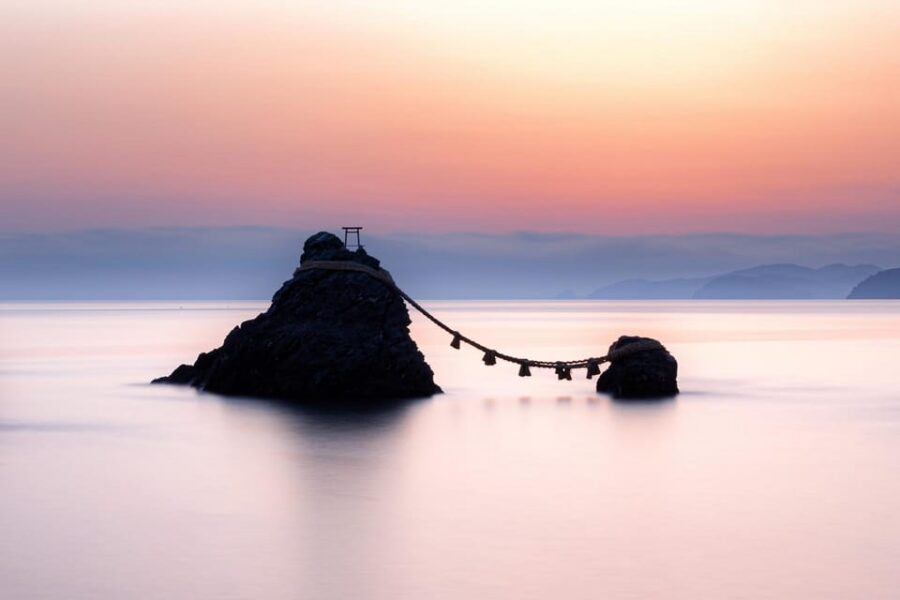
- Meoto Iwa + Ise Bay viewpoints: The guide helps you understand why this sea scene is so symbolic.
- Okage Yokocho break time: Time to snack, browse, and pick up small souvenirs.
- Isuzu River walk (seasonal beauty): A slower, nature-focused stretch with flowers and foliage.
- Small group size (max 14): Better pace control and easier photo help.
Getting from Nagoya: simple logistics, low stress
Starting from Nagoya Station makes a big difference. You meet outside the Shinkansen gates at the base of the SILVER clock tower. If you’re coming in via the Shinkansen, that clock should be directly in front of you as you exit. If you arrive by JR lines, look for signs pointing you toward the Taiko-Dori Gate, and the silver clock is inside near the Taiko-Dori exit. If you enter from outside via Sakura-Dori (gold clock side), walk straight to Taiko-Dori.
The tour starts at 9:00 A.M., and yes, Nagoya Station can be crowded. Arriving a bit early helps you find the guide holding the SNOW MONKEY RESORTS sign without that last-minute scramble.
Once you’re rolling, the day is designed to be low-effort. There’s round-trip transportation, and the core stops are paced so you’re not constantly figuring out trains, tickets, and transfers. That matters most when you’re visiting a sacred area where being flustered is the last thing you want.
You can also read our reviews of more tours and experiences in Nagoya.


The shrine-focused heart of the day at Ise-Jingu
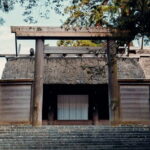
The highlight here is Ise-Jingu, Japan’s most sacred shrine. You’ll have a guided visit for about 1.5 hours, which is exactly the right length to absorb the big picture without feeling like you’re stuck in one place.
Why a guide helps so much: sacred sites can look “just old buildings” if you don’t know what you’re meant to notice. With this tour, you get explanations that connect the spiritual role of Ise to the way people understand purity, tradition, and respect. That’s also why guides like Kim and Camille stand out in the experiences you’re likely to encounter on this route—people report their stories are detailed, passionate, and delivered clearly enough to follow even when languages get tricky.
You’ll want to go into the visit ready to slow down. The grounds are spiritual, and the experience is better when you give yourself a calm pace to walk, look, and listen. If you’re hoping to photograph everything like a checklist, this may feel different. If you want to understand what you’re seeing, it’s a strong fit.
Okage Yokocho: where the break time turns into local flavor
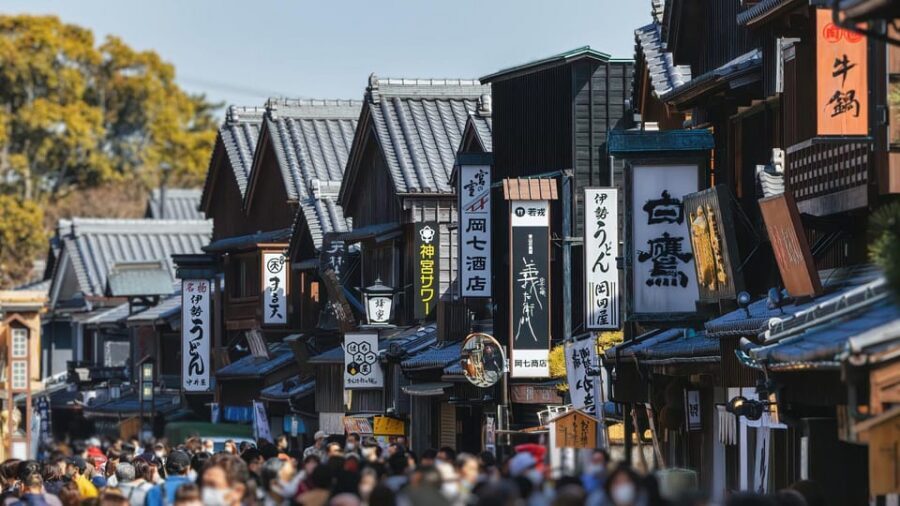
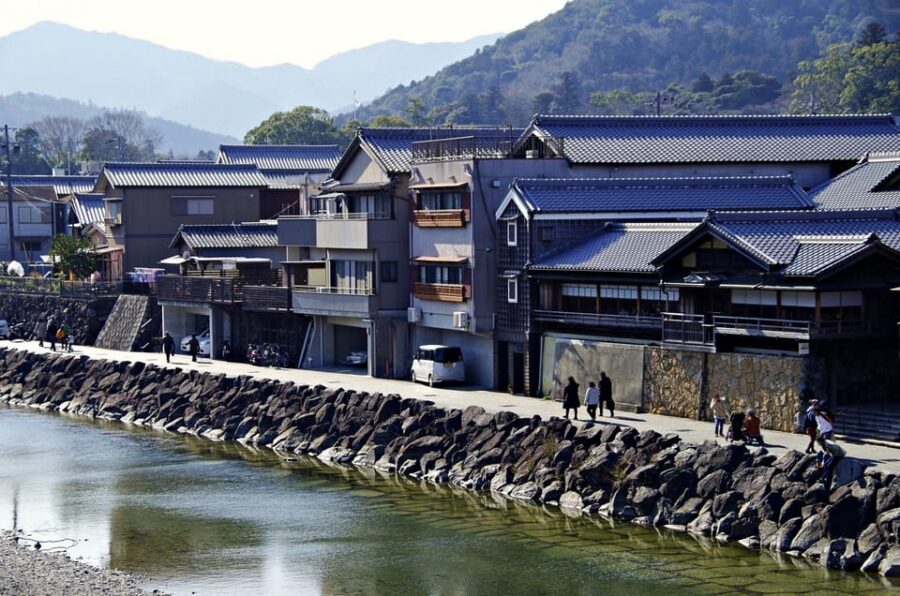
After Ise-Jingu, the day shifts into a more human, everyday rhythm at Okage Yokocho. You’ll get guided time there for about 2 hours, and it’s built as a break period—time to breathe, browse, and eat.
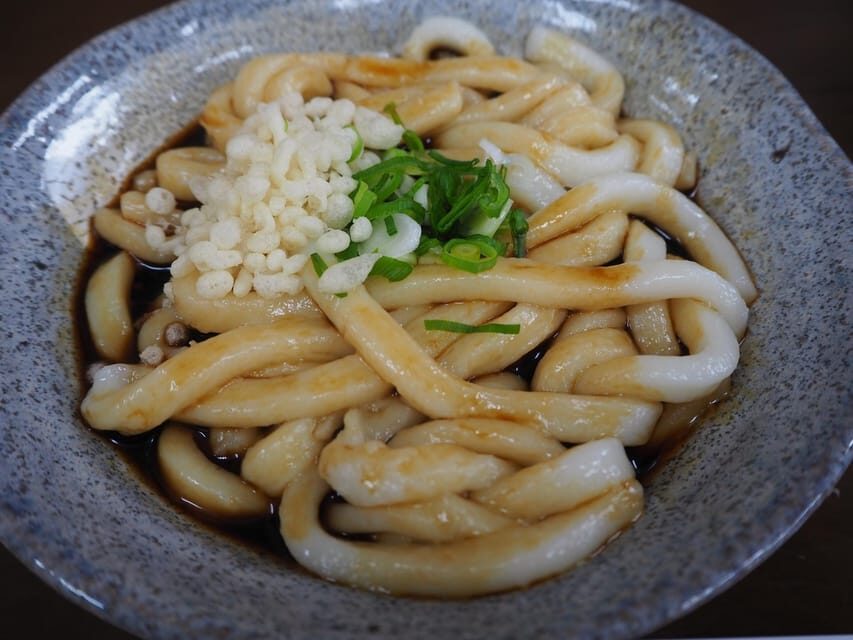
This is also where the local snacks come into play. Expect options like spiny lobster, fried oysters, and Ise udon. Lunch isn’t included, so you’re really using this window to choose what you want (and what you can realistically eat without feeling overstuffed before the sea views).
Okage Yokocho works best when you approach it like a streetside cultural stop rather than a “must-do buffet.” You’ll likely spend time looking around, grabbing a treat, and using the guided conversation to learn what’s worth trying. The guide support here can be practical—helping you decide what to order, and pointing out which items match the flavor of the area.
Potential drawback: since this is the break window, you might end up spending more time than you expect on browsing or taking it easy. If you’re the type who wants maximum shrine-and-coast time, you’ll need to stay aware of the schedule and not get stuck in souvenir mode.
Meoto Iwa and the Ise Bay views: symbolic sea rocks
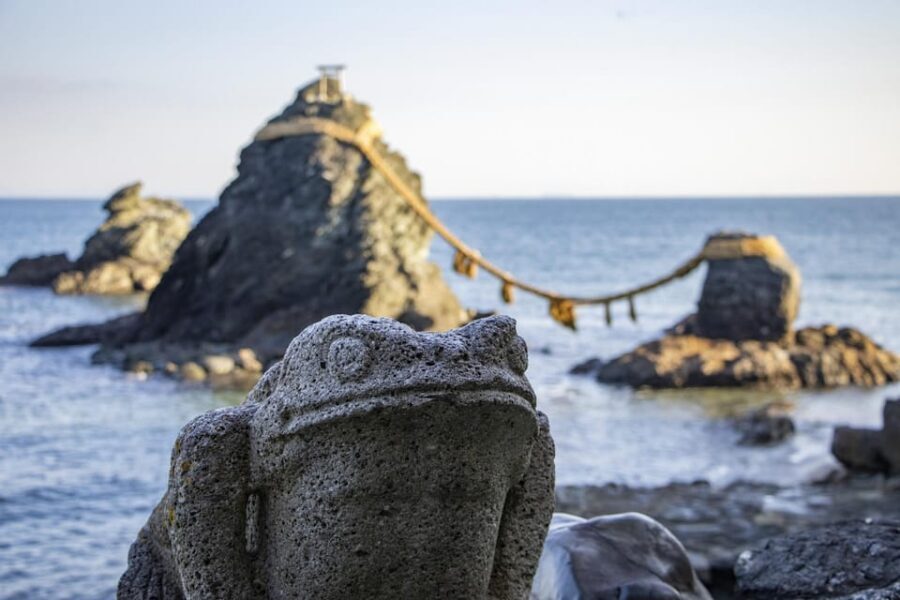
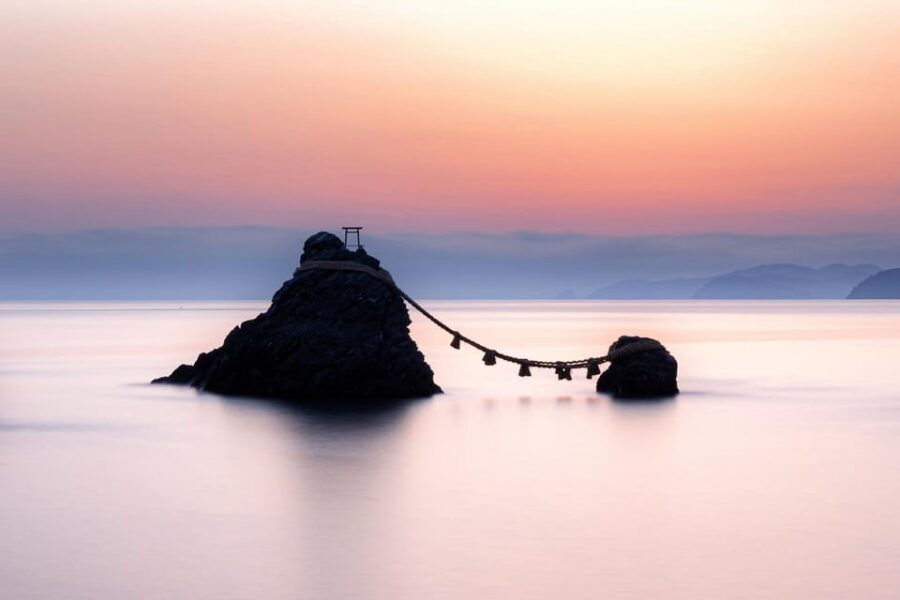
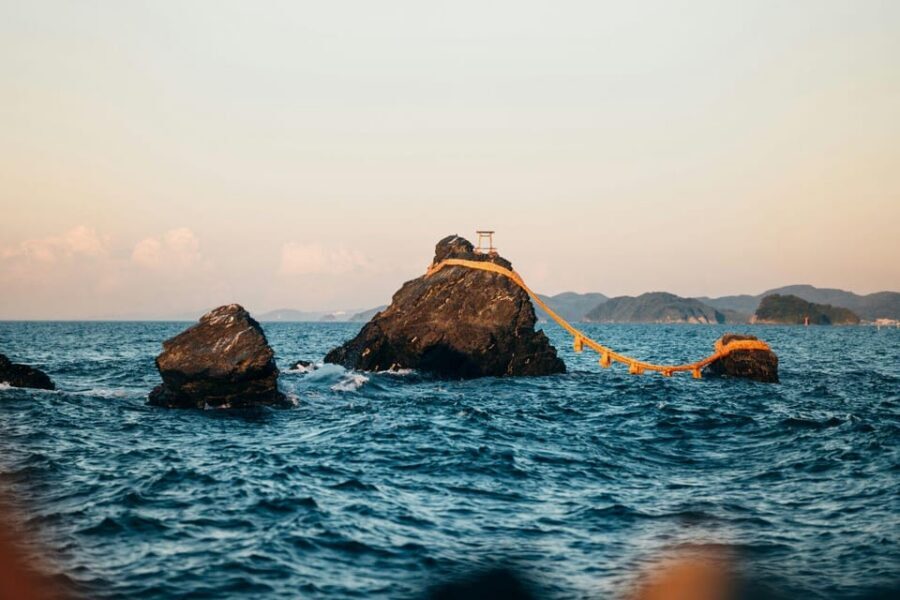
Then comes the scenery you came for: Meoto Iwa (Wedded Rocks). You’ll have about 45 minutes here with a guide, and this is the moment when Ise Bay becomes more than a backdrop.
The big draw is the view—standing in a spot where you can actually gaze at these iconic rocks. But the guide’s role matters just as much as the view. People mention that guides explain the symbolism and the way this place fits into the bigger Shinto picture. That kind of context turns the rocks from a photo op into a “now I get it” stop.
If you’re traveling with weather sensitivity, keep an eye on conditions. Sea-view areas can feel cooler or windier, and walking time can be slightly more tiring than expected. The tour’s pace is generally comfortable, but you’ll still want shoes with grip and clothes you can adjust if the air shifts.
Walking the Isuzu River: seasonal calm between stops
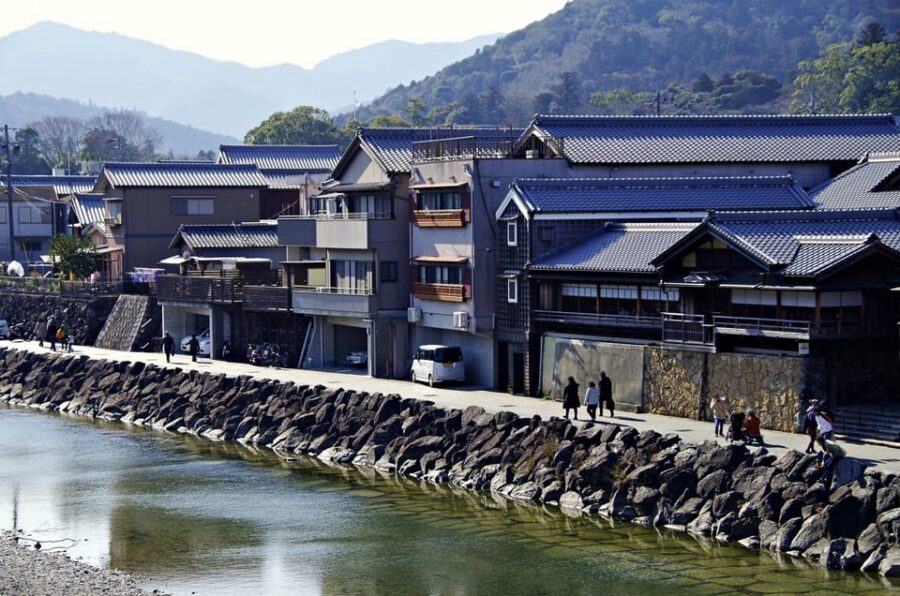
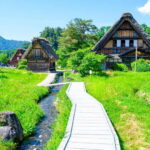
One of the quieter (and honestly, more memorable) parts of this region is the Isuzu River walk, with flowers and foliage. Even though the day is shrine-and-coast heavy, this gives you a nature-focused segment that’s less about explanation and more about slowing down.
This is where you’ll likely appreciate small-group pacing. When there are fewer people, it’s easier to keep a comfortable rhythm—pausing when you want to look at seasonal plants, taking photos without feeling like you’re apologizing for taking time, and getting a bit of breathing room between heavier stops.
Season matters here. In warmer months around Nagoya/Ise, highs can reach 35°C (95°F) with heavy humidity. In winter, it can be 0°C–10°C (32°F–50°F). The tour is outdoors for hours total, so the river walk is a great reminder to dress for what the weather feels like, not what the forecast predicts in an abstract way.

Food and timing: what to eat when lunch isn’t included
Because lunch isn’t included, your best strategy is to treat the day like a “snacks and one proper meal” plan. The tour does give you a break at Okage Yokocho, and that’s your main opportunity to eat something substantial—especially with local choices like spiny lobster, fried oysters, and Ise udon available.
Here’s how to keep it enjoyable:
- Start the day hydrated. The tour runs around 9 hours, and it’s mostly outdoors.
- Use the Okage Yokocho window to eat before you feel hungry enough to make rushed choices.
- If you’re sensitive to seafood or heat, pick one “big specialty” and one lighter snack. Don’t try to sample everything.
If you’re the type who forgets to eat until you’re cranky (we’ve all met that person), this tour can still work for you. You just need to remember that the best food time is built into that Okage Yokocho segment.
Small-group guide experience: where this tour wins
At this price point, the guide quality is a big part of whether you feel satisfied or merely “okay.” And the strongest praise from real-world experiences is consistent: guides are described as attentive, passionate, and willing to help when something doesn’t translate cleanly.
You might encounter guides such as Kim, Camille, Shoko, and support names like Tomito, depending on the date. What matters isn’t the name on the schedule—it’s the reported delivery style:
- Clear explanations that connect the sites instead of listing facts.
- Enough flexibility to answer questions without breaking the flow.
- Photo help and practical suggestions around the shrine area.
That’s what turns a sacred-site visit into something you can actually understand. Without a guide, Ise can feel like you’re moving through beautiful places while missing the meaning. With one, the day has a spine.
Price and value: what $189 covers (and what it doesn’t)
$189 per person for a 9-hour small-group day trip isn’t cheap, but it’s not random pricing either. Here’s what you’re getting:
- Round-trip transportation from Nagoya via coach (you don’t handle transfers).
- Entry fees at all tour locations.
- A multi-language guide (English, Chinese, French, or Spanish).
- An included omikuji fortune draw at Futami-Okitama Shrine.
- Small-group experience capped at 14 participants.
What you’re not getting: lunch. That’s the main extra cost you’ll plan for yourself, plus any personal spending for snacks, souvenirs, and drinks.
When I look at value here, I think about how these line items add up if you try to do Ise on your own. Transport plus timed entry plus interpretation is the hard part. This tour packages that together and gives you a guided day, which is especially worth it in a sacred context.
The only “value risk” is if you already know the material well and don’t want guided interpretation. If that’s you, you might feel you’re paying mainly for convenience. If you want understanding, the price starts to feel more justified.
What to pack for a 9-hour outdoors day
The tour calls for comfortable walking. You’re outdoors for several hours, so plan for footwear and weather, not just fashion.
Basic packing logic:
- Wear comfortable shoes you can walk in for long stretches.
- Bring layers for temperature swings (summer humidity can hit hard; winter can be cold).
- In summer, sun protection matters a lot—light, airy clothing and a parasol can help.
- In winter, use warm clothing and footwear suited for cold conditions.
- Bring an umbrella or raincoat if weather calls for it.
Also, there’s free time for souvenirs along the way. That means you’ll want a day bag that’s easy to carry and quick to access, especially if you pick up small items at the end.
Who should book this Ise from Nagoya tour
This one fits best if you want:
- A guided understanding of Japan’s sacred side, not just photos.
- A day that blends shrine, street life, and sea views.
- A small group pace that feels calmer than big-bus tours.
- Convenience from Nagoya without planning transportation.
It may be less ideal if you want unlimited time at one stop. The day is structured, and some people note a wish for more time in a specific area. If you’re the type who wants to linger for hours at one sight, you may feel the schedule tightening.
Should you book this tour?
If you’re visiting the Ise area from Nagoya and you’d rather spend your energy learning and looking than figuring out logistics, I think this tour is a smart choice. The biggest strengths are the Ise-Jingu guided experience, the symbolic stop at Meoto Iwa, and the way the day stays organized with a small group and help from guides like Kim, Camille, and Shoko.
Book it if you want meaning and comfort in one go. Skip it if you’re strictly a self-guided explorer who prefers to choose your own pace at every stop and doesn’t care much about Shinto context.
FAQ
Where is the meeting point in Nagoya Station?
Meet at the base of the SILVER clock tower outside the Shinkansen gates. If you’re coming from the JR side, look for signs toward the Taiko-Dori Gate; the silver clock is inside just before the Taiko-Dori exit.
What time does the tour start?
The tour begins at 9:00 A.M. You can wait nearby until it starts.
How long is the tour?
It runs for about 9 hours total.
What languages are available for the tour guide?
You can choose a guide who speaks English, Chinese, French, or Spanish.
Is lunch included?
No. Lunch is not included. You’ll have free time where you can purchase souvenirs and choose local food, especially around Okage Yokocho.
What’s included besides transportation?
The tour includes transportation during the tour, entry fees at all tour locations, and an omikuji (lucky fortune) at Futami-Okitama Shrine.
How big is the group?
The group is small, limited to up to 14 participants.
Can I cancel and get a refund?
Yes. You can cancel up to 24 hours in advance for a full refund.
Is pay-later booking available?
Yes. There’s a reserve now & pay later option, so you can book and pay nothing today.