REVIEW · SAPPORO
Full Day Indigenous Ainu of Hokkaido and Jozankei
Book on Viator →Operated by Snow Monkey Resorts Tours (Machinovate Japan Ltd.) · Bookable on Viator
Two cultures, one soothing day. This full-day outing pairs hands-on Ainu cultural learning at Sapporo Pirka Kotan with time in Jozankei Onsen—including a well-known 2-hour day-bath stop at Hotel Shika no Yu. I like that the Ainu center doesn’t just show objects behind glass; you’re encouraged to hold and touch authentic handcrafts, and the guide uses clear English so the meaning lands fast.
One thing to plan for: Lunch isn’t included, and the day runs about 8 hours, so you’ll want to eat smart before you start and/or save time after you return to Sapporo Station.
In This Review
- Key highlights you’ll care about
- Myomu meeting point and a well-paced 9:00 start
- Sapporo Pirka Kotan: Ainu artifacts, touchable crafts, and outdoor village life
- What to keep in mind at the center
- The bus to Jozankei: leaving Sapporo for hot springs in Shikotsu-Toya National Park
- Jozankei onsen time: 2 hours at Hotel Shika no Yu (and how to make it count)
- How I’d approach the soak
- Price and logistics: what $167.36 really buys you in Sapporo
- Who this is best for
- The guide matters: Scott’s role in making both halves gel
- Practical tips so your day stays enjoyable
- Should you book this full-day Ainu and Jozankei tour?
- FAQ
- Where does the tour meet and where does it end?
- What time does the tour start?
- How long is the full tour?
- Is lunch included?
- What hot spring experience is included in Jozankei?
- What is included in the price?
- Can I cancel for a refund?
Key highlights you’ll care about
- Hands-on Ainu crafts: you can hold and touch many authentic items at the cultural center
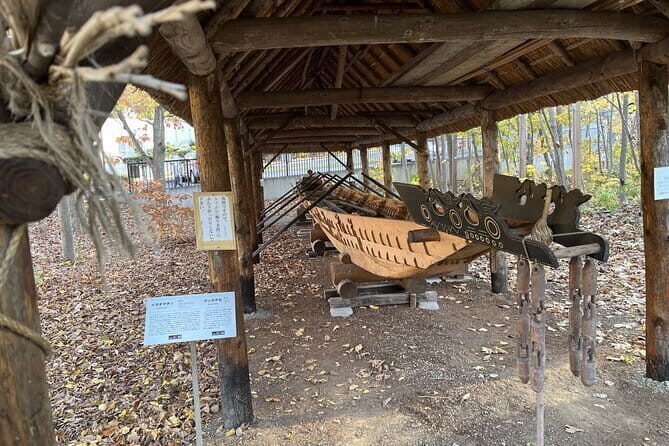
- Real outdoor village setting: traditional Ainu houses and canoes help the exhibits make sense
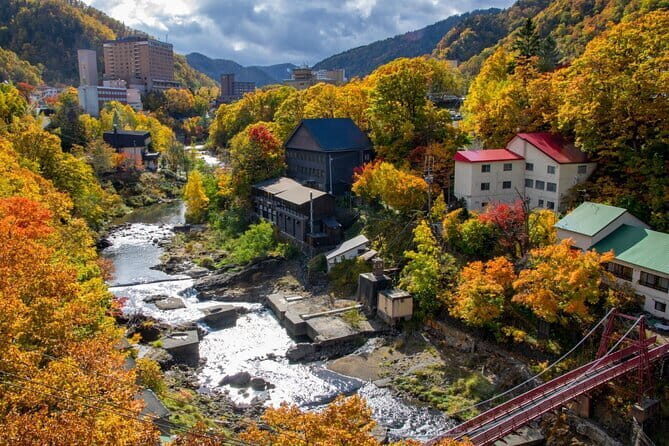
- Jozankei’s onsen geography: 56 hot spring sources around Tsukimibashi/Takayamabashi and along the Toyohira River
- A proper soak, not a photo stop: a 2-hour day-bath at Hotel Shika no Yu
- Small group size: max 15 travelers, which makes questions easier
- English guide support: Scott is specifically called out for being helpful, friendly, and accommodating
Myomu meeting point and a well-paced 9:00 start
This tour begins at MyomuJapan inside Sapporo Station, in the North Exit area, at 9:00 am. If you’ve ever arrived at Sapporo Station and felt like it’s a maze, the upside here is that the meeting point is inside the station complex—so you’re not hunting outside in cold weather before the day even starts.
The day is about 8 hours total, and everything is built around one clear flow: Ainu cultural learning, then bus transfer to Jozankei, then a long-enough onsen stop to actually feel the reset. Transportation and entry fees are included, and you’ll have a mobile ticket, which helps keep the day low-stress.
There’s also a practical comfort factor: the group is capped at 15 travelers. On days like this, smaller groups usually mean fewer bottlenecks for questions, bathroom breaks, and moving through sites without feeling rushed.
A few more Sapporo tours and experiences worth a look
Sapporo Pirka Kotan: Ainu artifacts, touchable crafts, and outdoor village life
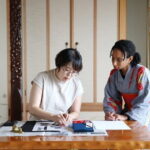
Your first big chunk of time is at the Ainu Cultural Center (Sapporo Pirka Kotan) for about 3 hours, and this is the heart of the cultural side of the day. The thing I’d circle is the way the center is set up to help you understand Ainu material culture—not only through display, but through interaction. You’re encouraged to hold and touch Ainu handcrafts, and that simple detail changes the whole experience. You get a sense of weight, texture, and workmanship that photos can’t give you.
Inside, you’ll see lots of Ainu artifacts, and the layout is designed to feel curated rather than random. That matters because Ainu history and lifeways connect across many topics—tools, clothing and making, everyday objects—so a guided walk helps you connect the dots.
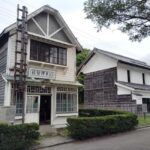
Then there’s the outdoor portion: traditional handcrafted Ainu houses and canoes. Even if you only walk through quickly, this outdoor village element makes the learning feel less like a museum lecture and more like seeing how people actually lived and built things. It’s also one of the most photogenic areas, but it’s not the kind of place where the photos replace the meaning—because you’re learning what you’re looking at while you walk.
What to keep in mind at the center
Because you’re encouraged to handle items, go in with a calm mindset. Wear something comfortable for walking and standing. If you have any mobility concerns, you’ll still likely manage—this kind of center visit is generally feasible for most people—but the outdoor village means you’ll be on uneven ground at least some of the time.
The bus to Jozankei: leaving Sapporo for hot springs in Shikotsu-Toya National Park
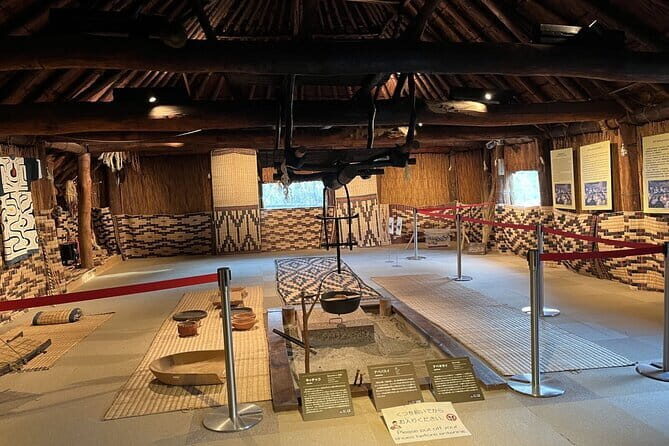
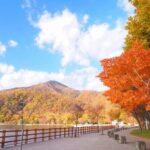
After Pirka Kotan, you’ll head by bus to Jozankei, which sits in the lush area of Shikotsu-Toya National Park. The ride itself isn’t just transit; it’s part of shifting gears from museum time to relaxation time. You’ll have about 2 hours in the Jozankei onsen village area.
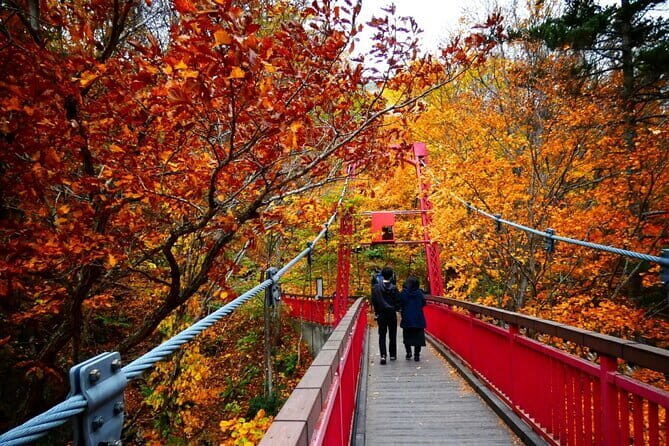
The tour context here is useful: Jozankei is known for 56 hot spring sources, concentrated around the Tsukimibashi and Takayamabashi bridges and along the Toyohira River. That detail helps you understand why the village feels onsen-centered rather than like a single resort with one bath. As you walk around, you’re not just passing scenery—you’re seeing the physical map of where the springs feed into daily life.
Even if you’re not counting sources as you stroll, you’ll feel the rhythm of the place: river-adjacent atmosphere, bridge views, and the sense that the town was built around soaking. One practical plus is that your guide helps connect the dots so the village doesn’t feel like a set of random buildings.
Jozankei onsen time: 2 hours at Hotel Shika no Yu (and how to make it count)
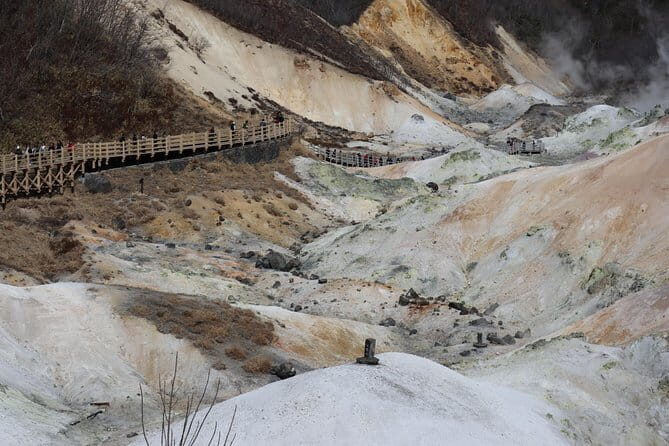
Your last segment finishes at Hotel Shika no Yu with a 2-hour day-bath experience. The total stop is scheduled for longer than just the soak, which is exactly what you want: you need time to change, settle in, and actually enjoy the warm water instead of watching the clock.
This is the relaxing payoff. Jozankei hot spring waters are typically in the 60 to 80 degrees Celsius range, which explains why day-baths can feel so powerful so fast. If you come in tired from walking at the Ainu center, this part is where your body catches up. If you’re traveling with winter in mind, warm water also helps with the mental shift—cold air outside, heat inside.


How I’d approach the soak
I can’t see your comfort level, but a smart strategy for onsen time is to go slow at the beginning. Start warm, then find your pace. If there’s more than one bath area, you can usually rotate between them; if not, just take breaks as needed and stay aware of how your body feels.
Also, keep in mind this is a scheduled experience. You’ll enjoy it most if you’re present—no rushing for photos, no constant standing around. Use the soak time like a reset button.
If the venue offers a small foot-bath area during your visit, take it as a warm-up step. It’s a simple way to smooth out the transition into deeper heat.
Price and logistics: what $167.36 really buys you in Sapporo
At $167.36 per person, this isn’t the cheapest option in Sapporo. But it also isn’t one of those tours where you pay for transportation and then do everything else on your own. Here’s what you’re paying for, based on what’s included:
- English-speaking guide
- Transportation from Sapporo Station to both main stops (and back)
- Admission tickets for each attraction/sightseeing spot
- A full-day structure that protects your time
The big value play is how the day is handled for you. You’re getting a guided cultural experience plus a guided onsen day-bath, with entry fees wrapped in. You don’t have to figure out bus timing between two very different parts of the region.
Two things the price does not include: lunch and transportation before/after the tour. That’s where your planning matters. Because the tour ends back at the meeting point, you’ll likely want a meal either before leaving in the morning or after you return. If you’re the type who likes to eat on a schedule, decide your plan ahead of time so you don’t feel hungry while you’re waiting for the final onsen shift.
Who this is best for
This tour fits you if:
- You want an Ainu experience that’s more than just sightseeing
- You prefer a guided day where transport and tickets are handled
- You like the mix of culture in the morning and relaxation at the end
It might be less ideal if:
- You’re trying to keep costs ultra-low and would rather do everything independently
- You hate fixed schedules and want total freedom in timing
The guide matters: Scott’s role in making both halves gel
A day like this depends on the guide’s ability to translate and guide without turning everything into a lecture. The tour’s English support is a key reason it works. Scott has been specifically praised for being helpful, friendly, and knowledgeable, and for stepping in with assistance even outside the strict boundaries of the tour.
That’s not a small detail. When you’re working across cultural context and onsen etiquette, having someone you can ask makes the whole day smoother. It also helps the Ainu learning feel organized and the onsen time feel calm instead of chaotic.
The best part is that the guide can add small, useful pieces of context so you don’t just see things—you understand why they matter.
Practical tips so your day stays enjoyable
Keep your day efficient with a few simple moves:
- Arrive early enough to find the meeting point calmly inside Sapporo Station.
- Wear layers, especially if you’re visiting when Jozankei is snowy. Warm onsen water will help, but the walk and wait time outside can still feel cold.
- Bring an attitude of respect and curiosity at the Ainu center, especially since you’ll be working with hands-on materials.
- Pack time-friendly energy for a day without lunch included.
If you’re sensitive to strong heat, plan to start the soak gently and take breaks during the 2-hour bath. Onsen time feels best when you’re comfortable, not when you’re trying to tough it out.
If you want photos, do them quickly and then return to soaking and conversation. This day works better when you treat the onsen as the main event.
Should you book this full-day Ainu and Jozankei tour?
I’d book it if you want one day that actually connects two parts of Hokkaido: indigenous cultural learning and a satisfying onsen finish. The best reasons are the hands-on Ainu approach at Sapporo Pirka Kotan and the fact you’re not stuck with a token dip—you get a real 2-hour day-bath at Hotel Shika no Yu with transportation and admission handled for you.
Skip it only if you’re chasing maximum freedom or you’re very budget-sensitive, since lunch is not included and the schedule is fixed around the two main stops.
If you like guided structure, clear English interpretation, and a day that ends with your shoulders unclenching, this one is a strong fit.
FAQ
Where does the tour meet and where does it end?
The tour starts at MyomuJapan inside Sapporo Station (South Exit doors area), and it ends back at the same meeting point.
What time does the tour start?
The start time is 9:00 am.
How long is the full tour?
The duration is about 8 hours.
Is lunch included?
No, lunch is not included.
What hot spring experience is included in Jozankei?
You’ll enjoy a 2-hour hot spring day-bath at Hotel Shika no Yu.
What is included in the price?
The price includes an English-speaking tour guide, transportation from Sapporo Station to the listed destinations and activities, and all admission tickets for each stop.
Can I cancel for a refund?
Yes. You can cancel up to 24 hours before the experience starts for a full refund. If you cancel within 24 hours of the start time, there is no refund.