REVIEW · OSAKA
Have Fun in KANSAI Pass (1 Week Free Pass)
Book on GetYourGuide →Operated by GlobalTix JP · Bookable on GetYourGuide
One week of Kansai freedom starts with a simple pass. This Kansai Pass 1 Week Free Pass is designed for self-guided exploring, with access tied to participating venues in Osaka, Kyoto, and Kobe, plus the big idea of unlimited travel by train, bus, and ferry. I like that you can plan around big hits like Osaka Castle, Kinkaku-ji, and Fushimi Inari without hunting for tickets each time. I also like that you can tack on nature day trips like Mount Yoshino (spring cherry blossoms) and Mount Koya (temple trails). One drawback to think about: using the voucher correctly can be confusing, and some places may require reservations or tighter rules than the marketing makes it sound.
The value is there if you build a realistic route and confirm how the pass works for each stop before you go. Still, at least a couple of buyers reported trouble actually getting full use out of a 6-venue pass, including one case where they only used a single item and another case involving transit or validity confusion.
In This Review
- Key Things To Know Before You Go
- What This Pass Really Is (And What It Isn’t)
- Redeeming Without a Set Meeting Point: How to Think About Your First Day
- Kyoto Temple Time: Kinkaku-ji and Fushimi Inari at Your Pace
- Kinkaku-ji (Golden Pavilion)
- Fushimi Inari Taisha
- Osaka Castle Plus Kobe Food: A Simple Two-City Rhythm
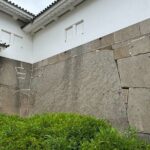
- Osaka Castle
- Kobe
- Beyond the Cities: Mount Yoshino and Mount Koya Day Trips
- Mount Yoshino for cherry blossoms
- Mount Koya (UNESCO World Heritage site)
- Transit Freedom Across Kansai: The Best Part, With One Warning
- Seasonal Perks (From 5/6, 5/7, and 5/8): Coupons and Add-On Tickets
- Starting 5/6: ¥1000 discount coupons at 13 stores
- Starting 5/7: Nara Four Temples Tour Ticket
- Starting 5/8: Kuniyasu Koji Sky Museum
- Price and Value: When $29 Makes Sense (and When It Doesn’t)
- Who This Pass Fits Best
- Should You Book the Have Fun in Kansai Pass?
- FAQ
- Where is the Kansai Pass valid?
- How long is the pass valid?
- How many venues can I access?
- Does it include public transport?
- Can I use the voucher at the same facility more than once?
- How does redemption work?
- Are there any age limits?
- What language support is available?
- What seasonal discounts or extras are mentioned?
Key Things To Know Before You Go
- 3 or 6 venue entries within 7 days: you’re choosing depth (more stops) or breathing room (fewer stops), but each facility can be used only once.
- Unlimited transit in Kansai: trains, buses, and ferries are part of the promise, so you can stitch together Osaka, Kyoto, Kobe, and even further day trips.
- Major Kyoto icons are included in the plan: Kinkaku-ji and Fushimi Inari Taisha are named highlights you can build around.
- Osaka and Kobe are built for easy pairing: Osaka Castle plus Kobe for food and streets is a natural combo if you pick one base city.
- Seasonal extras may change the trip math: from 5/6 there are ¥1000 discount coupons at listed stores, plus other add-ons starting 5/7 and 5/8.
- The “self-paced” freedom has a fine print side: re-entry isn’t allowed and some users found voucher instructions hard to follow.
What This Pass Really Is (And What It Isn’t)
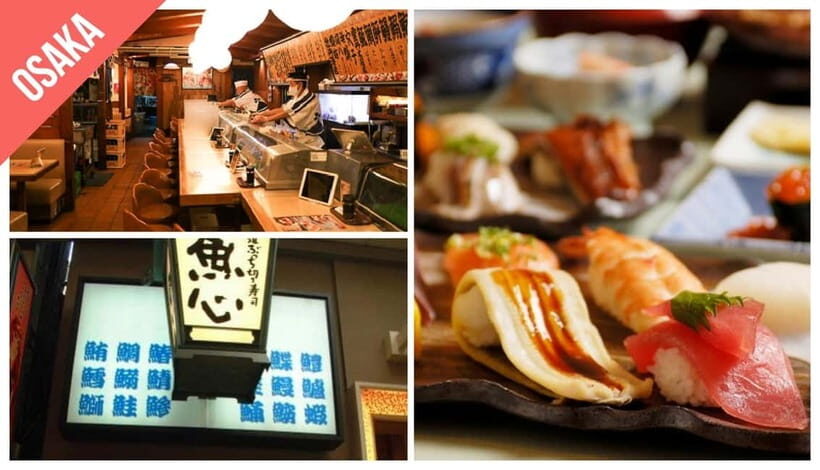
The Kansai Pass 1 Week Free Pass is not a guided tour where someone herds you from stop to stop. It’s a voucher-style pass that mixes two concepts:
1) Venue access in Osaka, Kyoto, and Kobe
You get access to 3 or 6 participating venues (depending on what you buy), and you can use those within 7 days.
2) Unlimited travel across Kansai
The highlights say you can ride trains, buses, and ferries without paying separate tickets.
That combo is where the value can be strong. If you’re the type who wants control—wake up, pick a temple, hop to lunch, ride to the next neighborhood—this fits your travel style. If you want a strict “here’s my day-by-day itinerary with zero decisions,” you might feel like you’re doing more work than you expected.
Also, the rules matter: each facility can only be used once and re-entry is not allowed. So don’t plan on seeing a place twice in one day (or returning later) hoping the pass will cover it.
You can also read our reviews of more tours and experiences in Osaka.

Redeeming Without a Set Meeting Point: How to Think About Your First Day
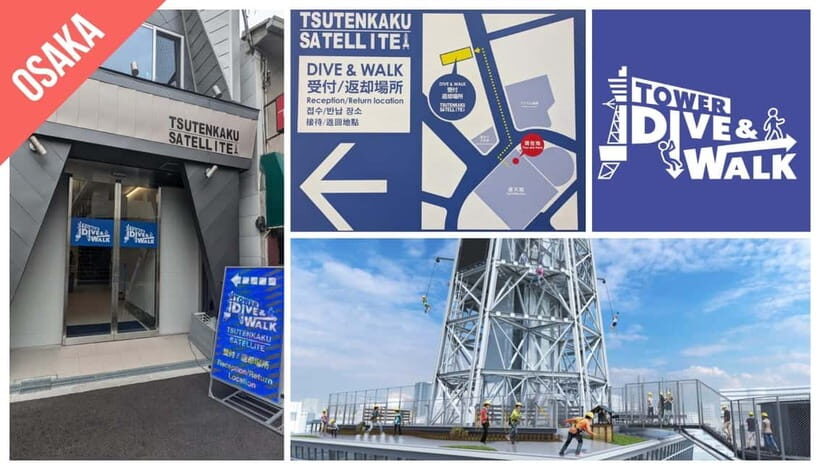
The pass says you should proceed directly to attractions, restaurants, and facilities in Osaka, Kyoto, and Kobe for redemption. In plain terms, there likely isn’t a “meet here at 9:00 and we’ll start” moment. You pick your destinations, then you handle redemption on-site.
That can be great—fewer logistics, more time outside. It also means you need a tiny bit of prep:
- Check each place’s details, business hours, and holidays ahead of time. Some stops simply won’t be open when you arrive.
- Treat the venue count like museum tickets. Once you use one entry, it’s gone.
- If a location requires anything extra (like booking), assume you’ll need to manage that before your visit.
A key reality check from real-world use: one buyer found it too hard to use the voucher, and another reported that the pass didn’t match what they expected for transit coverage. That’s not meant to scare you off—it’s meant to help you plan smarter.
Kyoto Temple Time: Kinkaku-ji and Fushimi Inari at Your Pace
Kyoto is where this pass can feel most magical because you can build a temple day that mixes “wow” landmarks with time to wander.
Kinkaku-ji (Golden Pavilion)
This is the iconic stop you’ll see on every Kyoto list, and the pass highlights it directly. What I like about building your route around Kinkaku-ji is that it’s a strong anchor: even if your schedule shifts (weather, crowds, or energy), you still know your day has a clear center.
You’ll also benefit from unlimited transit across Kansai. Instead of overthinking each rail segment, you can concentrate on arriving early, then enjoying the walk-and-breathe rhythm around the temple area.
Fushimi Inari Taisha
Fushimi Inari is the other named must. The practical advantage here is that it works well for different time styles. If you want a quick visit, you can do the shrine area and the lower trails. If you want a longer outing, you can head further up the path—just remember that your venue entries are limited, so you may want to treat Fushimi Inari as one of your key uses and avoid trying to “maximize” it in ways the voucher won’t support.
One consideration: the pass can help with transport and certain venue access, but it does not automatically solve the day-to-day reality of when places are open, how busy the approach routes are, or how long you’ll want to hike.


Osaka Castle Plus Kobe Food: A Simple Two-City Rhythm
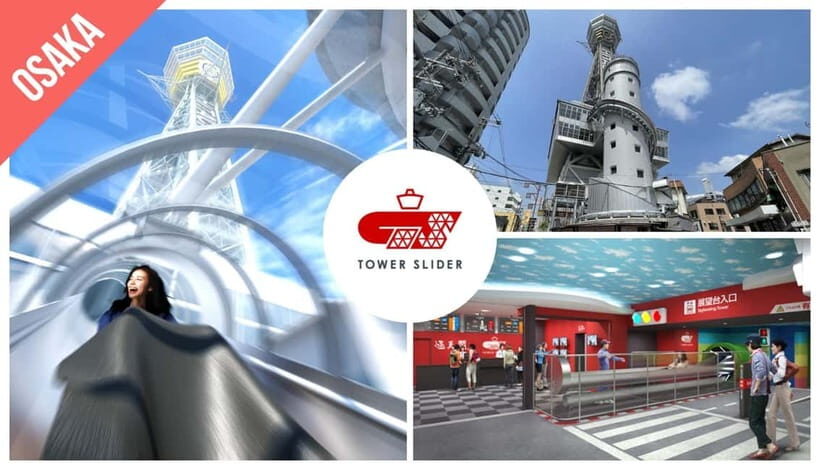
Osaka and Kobe are a natural pairing. The pass highlights Osaka Castle and frames Kobe as a great match for food and street life.
Osaka Castle
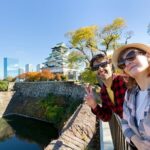
Osaka Castle is a classic “big landmark” stop. For you, it’s useful because it gives your Osaka day a clean storyline: start with the monument, then follow the day outward into neighborhoods and meals.
If you’re trying to maximize value, this is where you can use one of your participating-venue entries and let the rest of your time be pay-as-you-go. That way, you don’t end up rationing your day by “using up” entries too early.
Kobe
Kobe can be a shorter, high-reward add-on: ride in, eat well, wander a bit, then move on or stay overnight. The pass explicitly calls out Kobe’s food and lively streets as part of the experience.
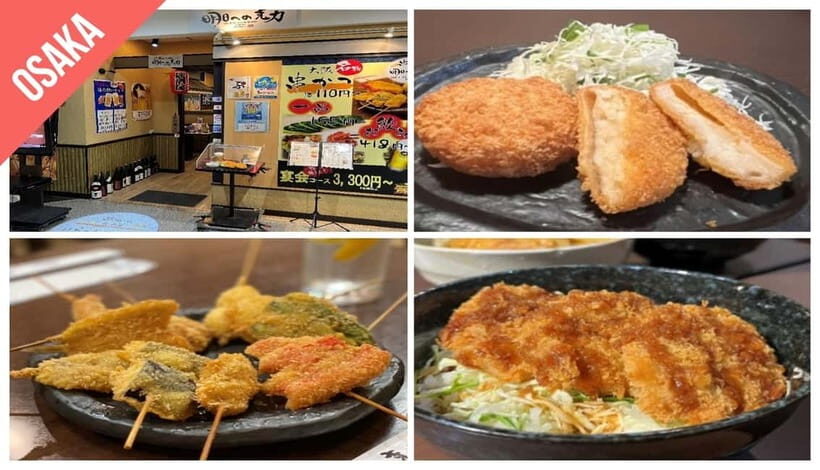
If you’re buying the 6-venue version, Kobe can be where you squeeze in a dining-focused redemption—one buyer reported the only successful use was for food, which suggests food-related participating venues may be where the voucher is easiest to cash in. That’s not guaranteed, but it’s a clue worth noting as you plan.
Beyond the Cities: Mount Yoshino and Mount Koya Day Trips
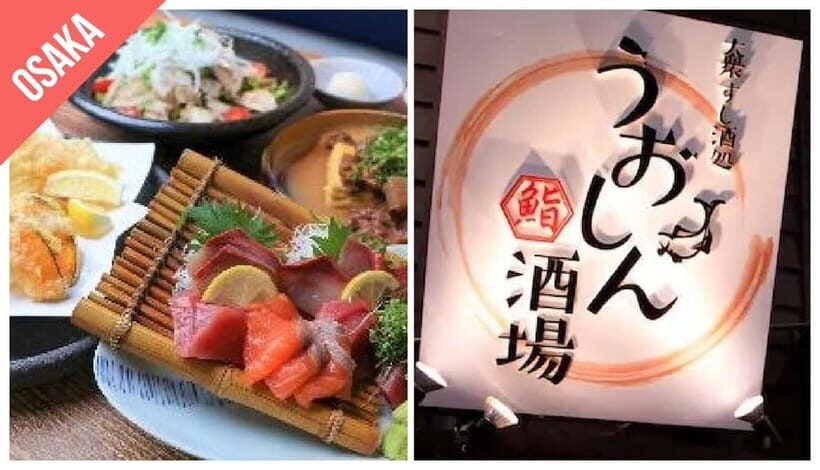
The highlights name two “outside the box” destinations: Mount Yoshino and Mount Koya. They’re not just pretty day-trip slogans. They change the whole feel of a Kansai pass.
Mount Yoshino for cherry blossoms
Mount Yoshino is famous for spring blossoms. If you travel in peak season, you’ll want to think in terms of timing and crowds, but the pass’s unlimited transit idea can help you avoid ticket budgeting panic. The value here is mental: you spend less energy planning fares and more on planning when to depart and where you’ll want to be when things look their best.
Mount Koya (UNESCO World Heritage site)
Mount Koya is another named highlight, especially for its temple trails. This is the kind of place where the “self-paced” style matters. You’re likely to want slower walking, photo breaks, and a little time to look inward rather than sprinting from one stop to another.
A practical note: since the pass’s venue entries are limited to participating facilities in Osaka/Kyoto/Kobe, you may find that Mount Koya is most useful as a transit-and-exploration day trip rather than a guaranteed “use another venue entry” stop. Plan accordingly.
Transit Freedom Across Kansai: The Best Part, With One Warning
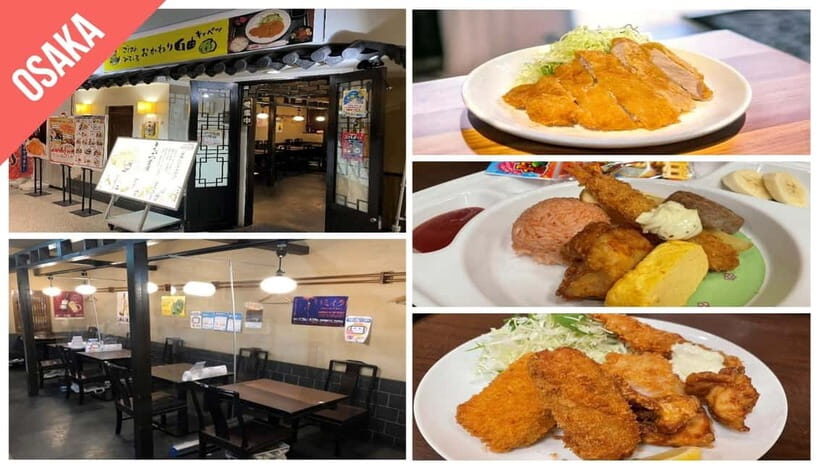
Unlimited transit is what makes this pass feel like it could be powerful. The highlights say you can ride trains, buses, and ferries across Kansai. For you, that means:
- You can string together cities without calculating the cost every time you change lines.
- You can reach viewpoints and day-trip destinations without feeling trapped in a single metro area.
- You can adjust your plan if your first choice is closed or delayed.
Now for the warning. One buyer said public transportation was not available even though it claimed to include transit. Another reported confusion about which trains they were allowed to use, including questions about whether subway rides counted and whether validity differed by day.
So here’s the best practical advice: before you commit to a long ride plan, confirm the transit rules for your exact routes. If you’re aiming for a specific line (especially on a tight schedule), verify it early so you’re not stuck at a gate with an uncertain voucher.
Seasonal Perks (From 5/6, 5/7, and 5/8): Coupons and Add-On Tickets
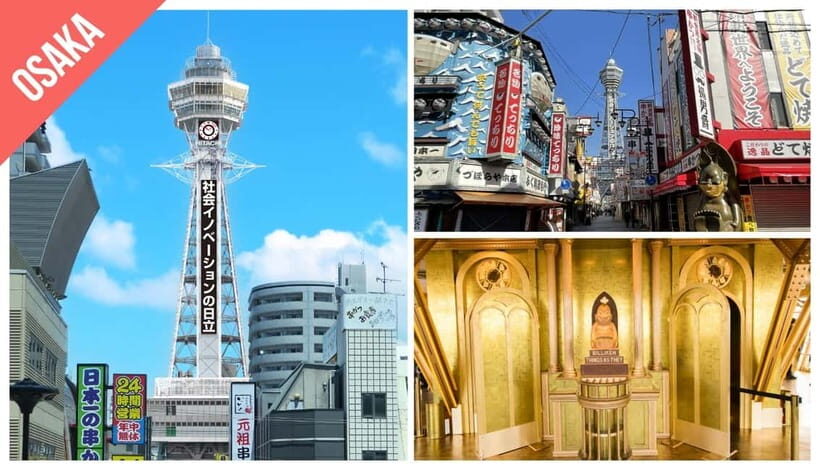
The pass includes time-based extras that can materially affect value if your trip lines up with those dates. If your dates match, it’s worth treating these like mini-upgrades.
Starting 5/6: ¥1000 discount coupons at 13 stores
The info lists stores including:
- Butcher Gyuhya Shinsaibashi
- Showa Horumon
- HAYA
- KODAWARI-TEI
It also says:
- Tsuki To Suppon and Diving Shop KUROCHAN require reservations.
- Ikaruga-cho E-BIKE rental: 2 hours for ¥3000.
- Lunch discount at Traditional House Restaurant Felice Piccione.
This is important for planning. Coupons can be great, but only if you actually want to shop or eat at those places. If you don’t, they’re not “free money.” They’re a bonus only.
Starting 5/7: Nara Four Temples Tour Ticket
From 5/7, you get access to a Nara add-on ticket tied to a Four Temples Tour. Since Nara is within Kansai, this can help you stretch the pass beyond the Osaka-Kyoto-Kobe core.
Starting 5/8: Kuniyasu Koji Sky Museum
From 5/8, the pass includes a visit with an admission ticket for Kuniyasu Koji Sky Museum.
If your dates don’t match these start days, don’t assume you’ll get the extras. Build your plan around the base promise: limited venue entries plus transport.
Price and Value: When $29 Makes Sense (and When It Doesn’t)
At $29 per person, this pass can feel like a bargain—if you use it fully. The hard part is that the value depends on two variables you control:
1) How many of the 3 or 6 participating venues you actually redeem
Because each facility can be used only once, you should choose your “anchor” venues first. Then fill in the rest based on what’s open and reachable.
2) Whether the transport rules match how you plan to ride
If unlimited transit truly works as described for your routes, it can save lots of small costs and planning time. If transit coverage differs from what you expect (subway vs non-subway, day-to-day validity), you can lose value fast.
The real-world signal from low ratings is worth taking seriously. One buyer said they paid for a 6-venue pass but could only use 1 (and that was food). Another described confusing explanations and that it didn’t help on the day they needed it. A third said transport didn’t work as advertised.
I don’t think that means the pass is useless. It means you should approach it like a tool, not a guarantee. If you’re the kind of traveler who can handle voucher rules, double-check lines, and adjust on the fly, you’ll likely get more out of it. If you want everything to work automatically with zero friction, this may test your patience.
Who This Pass Fits Best
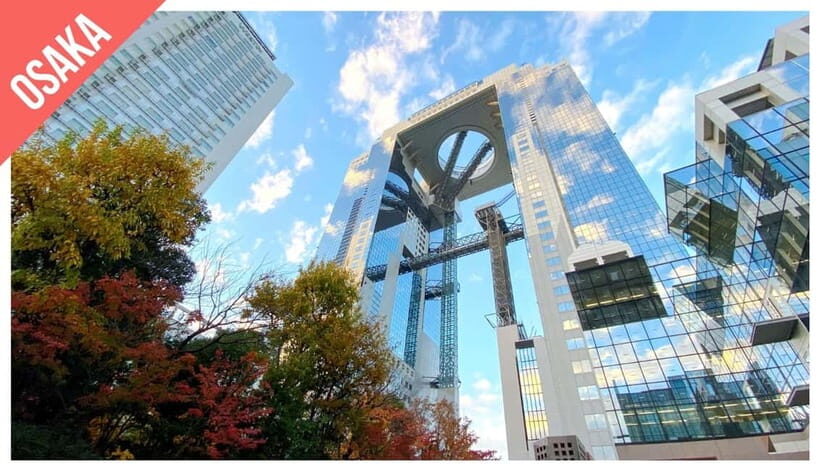
This pass fits best if you:
- Prefer self-guided pacing and building your own day structure.
- Want a Kansai base plan that can include Osaka + Kyoto + Kobe, with extra nature days like Mount Yoshino or Mount Koya.
- Like to mix big sights (like Kinkaku-ji and Fushimi Inari) with practical transit freedom.
It’s less ideal if you:
- Need a clearly explained, foolproof voucher workflow on the first attempt.
- Don’t want to manage possible reservation needs for certain coupon-linked spots.
- Hate re-entry limits and limited venue entries—because you only get so many hits.
Should You Book the Have Fun in Kansai Pass?
I’d book it only if you plan to do two things up front: (1) shortlist the venues you want to redeem so you can use all 3 or 6 entries without wasting them, and (2) sanity-check how the transit rules apply to the specific routes you’ll ride.
If that sounds like your style, $29 can be a smart way to travel light and spend more time on sights like Osaka Castle, Kinkaku-ji, and Fushimi Inari—then stretch into Mount Yoshino or Mount Koya when you want a break from city life. If you’re hoping for effortless use with no rule-checking, the low-use reports are your clue: this pass may require more attention than you’d expect.
FAQ
Where is the Kansai Pass valid?
It’s for Kansai in Japan, specifically Honshu. The participating venue access is in Osaka, Kyoto, and Kobe.
How long is the pass valid?
It’s described as valid for 1 day for starting times. The included venue access can be used within 7 days.
How many venues can I access?
The pass includes access to 3 or 6 participating venues in Osaka, Kyoto, and Kobe within the 7-day window.
Does it include public transport?
The highlights say you get unlimited travel on trains, buses, and ferries across Kansai.
Can I use the voucher at the same facility more than once?
No. Each facility can only be used once, and re-entry is not allowed.
How does redemption work?
You’re told to go directly to attractions, restaurants, and facilities in Osaka, Kyoto, and Kobe for redemption.
Are there any age limits?
No age limit is listed, so it’s suitable for both adults and children.
What language support is available?
Languages are listed as available for cancellations up to 24 hours in advance for a full refund. (No further language details are provided.)
What seasonal discounts or extras are mentioned?
From 5/6 there are ¥1000 discount coupons at listed stores (with some requiring reservations). From 5/7 there’s an Nara Four Temples Tour Ticket, and from 5/8 there’s an admission ticket for Kuniyasu Koji Sky Museum.