REVIEW · KANAZAWA
Kanazawa Like a Local: Private & Personalized Experience 2-3 hrs
Book on Viator →Operated by City Unscripted · Bookable on Viator
Kanazawa feels easier once a local shows you the shortcuts. This private 2–3 hour walking experience introduces you to the city’s everyday rhythm with a route shaped around your interests and a real conversation with your guide. You’ll start near Kanazawa Station, get a plan that’s flexible, and finish back where you began, so you can keep exploring with confidence.
I especially love the flexible route that’s built after you fill out a short questionnaire, and the way the walk mixes calm nature stops with meaningful cultural context (not just photos). The other big plus: you’re not stuck guessing what to do next—your host shares practical recommendations for the rest of your trip. One thing to consider: it’s primarily on foot, and food, attraction tickets, and transport costs are not included, so wear comfy shoes and budget a little extra if you add stops.
In This Review
- Key moments I’d prioritize on this Kanazawa private walk
- Turning a short walk into a personalized plan
- Meeting at Kanazawa Station and building momentum fast
- Utatsuyama Park: a green reset and a gentle way to start
- Bokodai Observatory: views plus the craft context people miss
- The Asano River bridge crossing: iconic scenery with everyday life
- Geisha district museum: real context, not just costumes for photos
- Teahouse streets along the Asano River: where the city slows down
- Price and value: why $66.83 can make sense for a private guide
- How guides personalize beyond the “must-sees”
- Logistics you’ll want to know before you meet
- Should you book this Kanazawa Like a Local private walk?
- FAQ
- How long is the Kanazawa Like a Local private experience?
- How much does the tour cost?
- Is this tour private or group-based?
- Where does the tour start and end?
- Is pickup included?
- Is food included?
- Are attraction tickets included?
- Do I need to walk the whole time?
- Do I get a questionnaire before the tour?
- Is the tour near public transportation and are mobile tickets provided?
Key moments I’d prioritize on this Kanazawa private walk
- Utatsuyama Park for a quiet green start with trails and native wildflowers
- Bokodai Observatory for wide views and a “why this hillside matters” craft explanation
- Asano River bridge photo time with architecture and local river life in frame
- Geisha district museum context on geisha and maiko training, lifestyle, and performance traditions
- Preserved teahouse lanes along the Asano River for slow, atmospheric strolling
Turning a short walk into a personalized plan
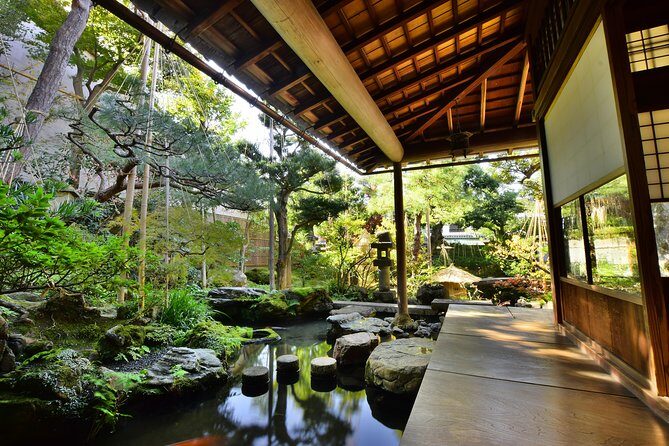
The best part of this experience is that it’s not just a fixed route. After you book, you complete a questionnaire, and your guide reaches out to shape the itinerary around what matters to you. That matters in Kanazawa, because the city can feel a little “systems-and-streets” at first. A local helps you connect the dots quickly: where to look, what to notice, and how each neighborhood fits into the larger story of the city.
You also get direct communication with your host for itinerary planning and local recommendations. In practice, that means you can ask questions before you meet—about timing, what to wear, what to skip, and how to best use your remaining hours. Guides such as Megumi (praised for very strong English and deep knowledge of her hometown) and Mo/Mouri (praised for being lively, polite, and helpful) have a track record of making the experience feel conversational rather than scripted.
This is a private tour, so it’s only your group. No waiting for a larger crowd to catch up, and no feeling like you’re stuck with whatever pace the slowest person sets.
You can also read our reviews of more private tours in Kanazawa


Meeting at Kanazawa Station and building momentum fast
You start at the Kanazawa Station Tourist Information Center, and the tour ends back at the same meeting point. That loop matters. You get orientation near public transport, then you return to a place where you can easily switch gears—heading to dinner, shopping, or major sights if you’re adding them later.
You can choose a start time, and pickup is offered. Even if you end up mostly walking, having pickup options can reduce the “first 30 minutes hassle” that often ruins the vibe on short tours. The tour runs about 2 to 3 hours, which is a sweet spot if you want an introduction without burning half a day.
Most people can participate, but since it’s a walking experience, treat it like a real walk, not a casual stroll. Comfortable shoes are the smart move.
Utatsuyama Park: a green reset and a gentle way to start

Your first stop is Utatsuyama Park, described as a forested slope with tranquil walking paths. It’s known for having over 100 species of native wildflowers, which is a strong clue about what to expect: this isn’t just a random “nice park.” It’s a place with seasonal character, where the city’s natural side shows up right away.
What I like about starting here is the rhythm. You ease into the walk with a calmer pace and a bit of shade and greenery, which makes the rest of Kanazawa’s streets feel more approachable. If you’re the kind of traveler who likes to understand a place from multiple angles—nature, crafts, neighborhoods—Utatsuyama Park gives you that foundation fast.
A practical note: since wildflowers and forest paths can mean uneven ground, I’d keep an eye on your footing, especially if you’re visiting in rainier conditions. Bring a small bottle of water if you tend to get thirsty on walks.
Bokodai Observatory: views plus the craft context people miss
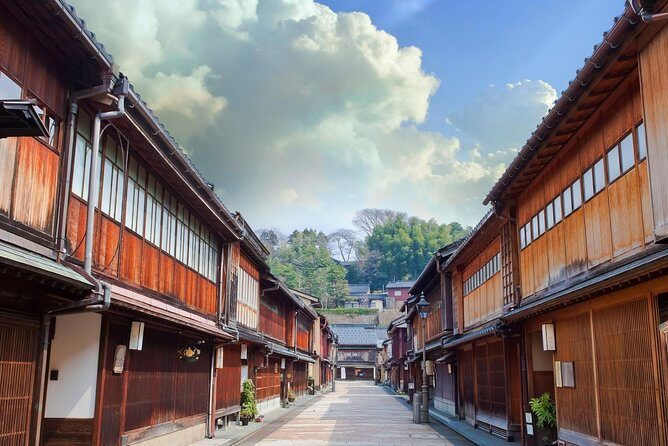
Next up is Bokodai Observatory, with sweeping views of the city. This stop does more than point out scenery. Your host explains how the hillside area supports local craftspeople and helps preserve Kanazawa’s artisan heritage.
That craft connection is the kind of detail that makes a short guide-led tour feel worth it. You’re not just seeing a view; you’re learning why the geography matters. Kanazawa has a reputation for traditional arts, and this kind of explanation helps you understand how the city grew its skills and kept them alive.
If you like architecture and city planning (or even just prefer tours that explain the “why”), this is one of the stops that can stick with you. It’s also a great photo moment without needing a ticket or a long line.
The Asano River bridge crossing: iconic scenery with everyday life
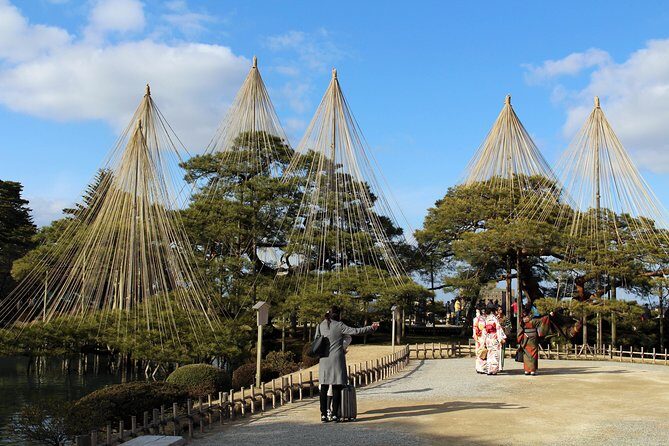
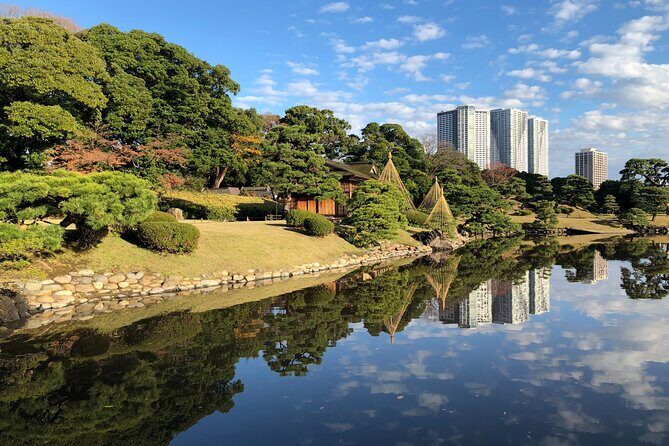
Then you cross one of Kanazawa’s most iconic bridges, with views over the Asano River and surrounding architecture. This is where the tour turns from viewpoints to neighborhood reality.
Bridges are underrated travel tools. They force you to look at a city from a different angle, and in Kanazawa, that angle helps you notice how waterways shape movement and community. Your host will point out details along the river setting, and you’ll get a natural opportunity for photos.
One of my favorite ways to travel is to look for “in-between” moments, the places locals walk through without thinking twice. A bridge crossing is that kind of moment—short, scenic, and grounding.
Geisha district museum: real context, not just costumes for photos
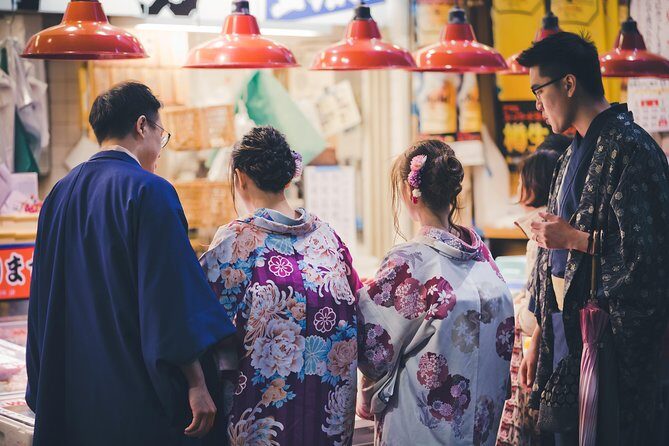
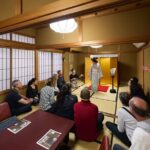
After the river, you explore a historic geisha district. There’s a small museum here that helps you understand the training, lifestyle, and performance traditions of geisha and maiko, both past and present.
This stop is valuable if you care about culture that’s more than a surface-level postcard. The museum format also makes the information easier to process on a walking tour. You can step away from the street noise, absorb the background, and then return to the neighborhood with a clearer sense of what you’re seeing.
Culturally, I also like that it frames the topic respectfully. If your goal is to understand rather than just watch, this section sets the tone. It’s also a great balance point between the outdoor scenery stops and the slower teahouse lanes later on.
Teahouse streets along the Asano River: where the city slows down
The tour ends in a beautifully preserved teahouse district along the Asano River. Expect narrow alleyways, wood-built architecture, and a peaceful atmosphere that blends traditional and modern Japan.
This part of the experience is about atmosphere. By now you’ve learned a bit about why the city values its artisan heritage, you’ve seen the river and the neighborhoods, and you’ve got context for the geisha district. So these lanes hit differently than if you visited cold.
Practically, this is also where you can naturally slow your pace, take photos, and just absorb the feel of the place. If your start time is later in the day, you’ll likely enjoy a calmer, softer light on the wood and stone.
Keep in mind that alleyways can be tight. If you’re traveling with a backpack or shopping bags, you might want to store extra items before the final part of the walk.
Price and value: why $66.83 can make sense for a private guide
At $66.83 per person for about 2 to 3 hours, the price is usually a good value when you want more than a checklist. You’re paying for three things that are hard to replicate on your own:
1) A private local guide who can explain what you’re seeing and connect it to the city’s artisan culture and neighborhoods.
2) Customization, powered by the pre-tour questionnaire and follow-up communication. This isn’t just “here’s the route,” it’s “let’s fit this to your interests.”
3) Time efficiency: you get orientation quickly, and then you can use your remaining time more intelligently.
Also, the experience is booked on average about 50 days in advance. That’s a sign it’s a popular way to get oriented without committing to a full-day schedule. If you’re traveling in peak seasons, planning ahead helps you lock in the start time you want.
You do need to budget smartly for what’s not included. Food, drinks, attraction tickets, and transportation costs between sites aren’t part of the package. The tour is primarily walking, but public transport or taxis may be used for transfers when needed, and exact costs are discussed with your host.
How guides personalize beyond the “must-sees”
A short Kanazawa introduction is most useful when it helps you decide what comes next. That’s exactly what your host is doing. They share personal insights and recommend where to explore after the tour, based on what you said you like.
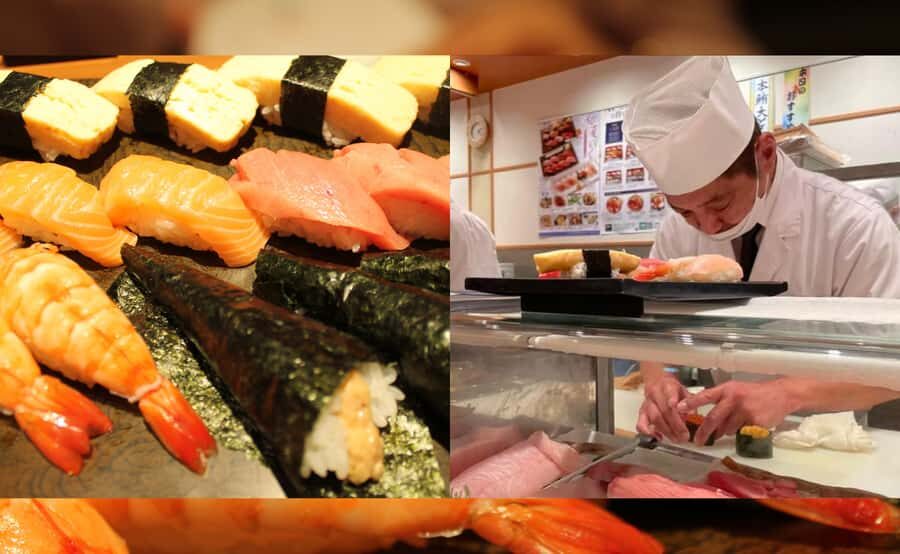
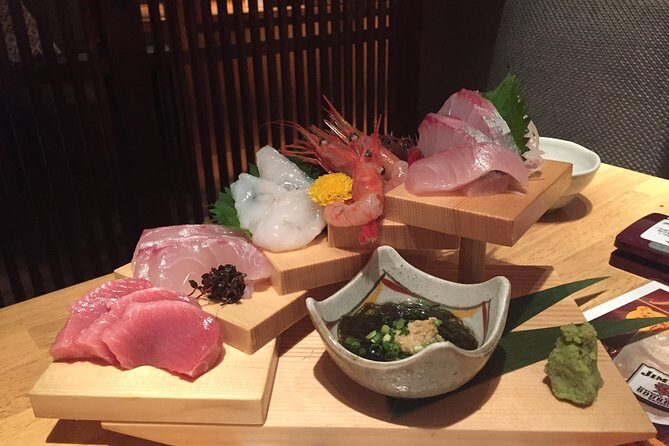
In real situations, that kind of flexibility can lead to adding big-name sights or practical “first-timer” wins. For example, some guides have helped first-time visitors with a sushi order at Omicho Fish Market, and others have steered guests toward major stops like Kenroku-en garden and Kanazawa Castle after the questionnaire—depending on timing and interests.
If you like history, tell them. If you prefer food and local markets, say so. If your priority is traditional neighborhoods and culture, emphasize that too. The better you describe your vibe, the more your route can feel like it belongs to you.
Logistics you’ll want to know before you meet
This is a walking tour with no private vehicle. Pickup is offered, but you should still expect to walk most of the time. Public transportation or local taxis may be used to transfer between sites, and you’ll discuss those costs with your host after your reservation is finalized.
The tour uses a mobile ticket, you’ll get confirmation at booking, and service animals are allowed. It’s near public transportation, so it’s fairly easy to get to the meeting point even if you’re coming from another part of town.
Finally, the experience runs 2–3 hours, which means you’ll want to arrive with a little energy left. If you’re coming right off a long train ride, consider eating beforehand so you can focus on the walk rather than planning food on the move.
Should you book this Kanazawa Like a Local private walk?
Book it if you want a smart introduction that mixes nature (Utatsuyama Park), views (Bokodai Observatory), classic river scenery (Asano River and bridges), and culture with context (geisha district museum and teahouse lanes). It’s also a great choice for solo travelers because the private setup plus questionnaire-driven customization makes the experience feel personal, not generic.
Skip or pair it with other plans if you’re mainly chasing ticketed attractions and you don’t want to handle any extra costs or walking. Since food, drinks, and attraction tickets aren’t included, you’ll likely want to decide in advance which add-ons you truly want and budget for them.
If you’re in Kanazawa for a short stay and you’d rather learn how to look than just collect stamps, this is one of the best ways to start.
FAQ
How long is the Kanazawa Like a Local private experience?
It lasts about 2 to 3 hours.
How much does the tour cost?
The price is $66.83 per person.
Is this tour private or group-based?
This is a private tour. Only your group participates.
Where does the tour start and end?
It starts at the Kanazawa Station Tourist Information Center and ends back at the same meeting point.
Is pickup included?
Pickup is offered, and you can choose your preferred start time when booking.
Is food included?
No. Food and drinks are not included.
Are attraction tickets included?
No. Tickets to attractions are not included.
Do I need to walk the whole time?
It is primarily a walking experience. Transportation between sites may be used, depending on the plan, but you should expect most of the time to be on foot.
Do I get a questionnaire before the tour?
Yes. After booking, you’ll receive a short questionnaire to share your interests and preferences, and your guide will use it to tailor the itinerary.
Is the tour near public transportation and are mobile tickets provided?
Yes, it’s near public transportation and you’ll have a mobile ticket.