REVIEW · KOBE
Kobe: Sake Brewery Tour with Tasting Sake
Book on GetYourGuide →Operated by Yumi Private Travel Tour · Bookable on GetYourGuide
Sake in Kobe is a whole world of its own. This guided loop through the Nada brewing area is interesting because you see how traditional sake is made, taste the differences, and even get a chance to watch barrel work at a sake-barrel factory. I especially like the three-brewery format with included tastings, and I love seeing tools that have been used for centuries. One drawback to plan for: you’re doing some walking and the experience isn’t a fit for everyone since it’s not suitable for kids under 18 (or people under 20) and wheelchair users.
You’ll meet your guide around 11:00 at JR Sumiyoshi Station or right in front of the Hakutsuru Sake Brewery Museum. The tour runs about 210 minutes with a live guide in English, Korean, or Japanese, and it’s set up as a private group. If the shop is open on Fridays, Saturdays, and Sundays, there’s also a special sake tasting bar stop, plus a sake toast at lunchtime.
In This Review
- Key Points That Make This Kobe Sake Tour Worth Your Time
- Why Kobe’s Nada Area Is the Real Sake Classroom
- Price and Value: What $83 Buys in a 210-Minute Tour
- Meeting at 11:00: The Smooth Start Before the Sake Stops
- Stop 1: Hakutsuru Sake Brewery Museum to Set the Flavor Map
- Stop 2: Kiku-Masamune Shuzo Kinenkan for Style Differences That Actually Register
- Stop 3: Hamafukutsuru Brewery and the Barrel-Making Factor
- The Included Tasting Plan vs. Optional Extra Sake
- What You’ll See Beyond the Bottles: Tools and Tradition
- Lunch, Soft Serve, and Staying Comfortable
- What to Buy: Souvenirs That Feel Specific to Nada
- Logistics You Should Not Ignore (Especially Cash and Shoes)
- Who This Tour Is Best For (And Who Should Skip It)
- The Bottom Line: Should You Book This Kobe Sake Brewery Tour?
- FAQ
- Where do I meet for the Kobe sake brewery tour?
- How long is the tour?
- How many sake breweries are visited, and is tasting included?
- Which breweries are included in the tour route?
- What should I bring?
- Can I buy sake during the tour?
- Who is the tour not suitable for, and is smoking allowed?
Key Points That Make This Kobe Sake Tour Worth Your Time
- Three breweries in the best Kobe sake zone so you can compare styles back-to-back
- One free tasting at each brewery, with extra pours available if you want more
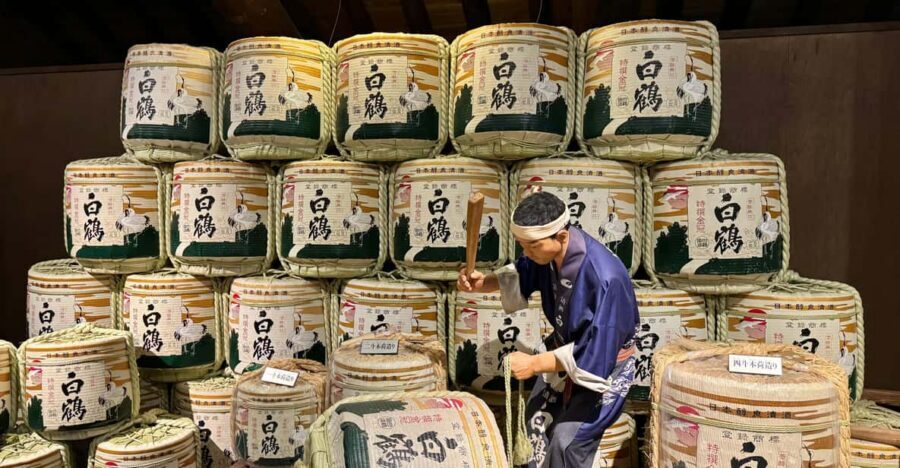
- Ancient sake-brewing tools you can actually see, not just read about
- A possible peek into barrel-making at a valuable wooden barrel factory
- Guide Yumi’s hands-on explanations, including tips on what to buy home
- Limited souvenirs and even sake soft-serve, so it feels like a real day out, not a classroom
Why Kobe’s Nada Area Is the Real Sake Classroom
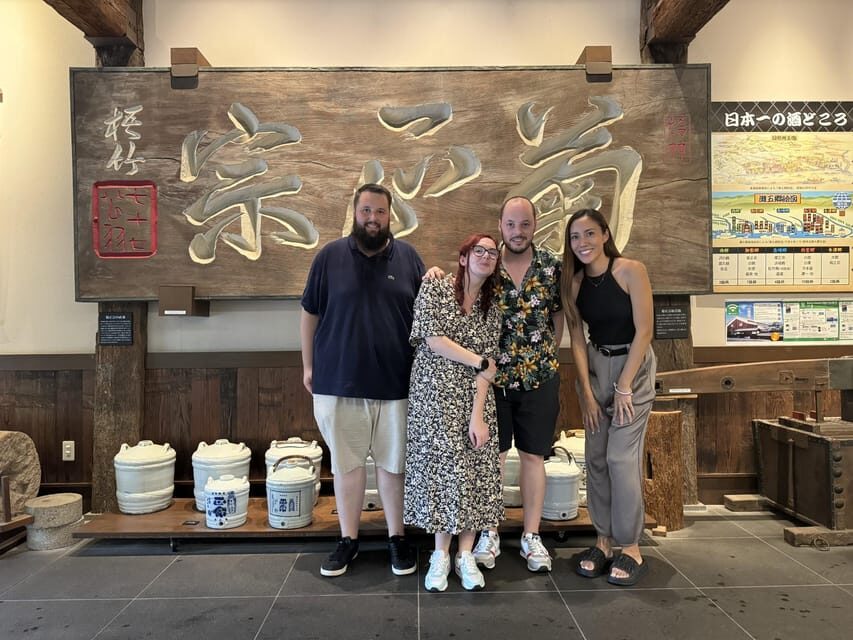
If you only learn sake from a bottle shop, you’ll miss what matters: process, timing, and how small choices change the taste. Kobe’s Nada area is famous for sake production, and this tour gives you a straight shot through that world. You don’t have to figure out transport between breweries or wonder which places are worth your time.
What I like is the pacing. You’re not rushing past locations with a camera and a nod. Instead, you move brewery to brewery with tastings built in, so each stop has a point. One brewery’s flavor makes the next one easier to notice.
Also, you’re getting more than tasting. You’re seeing traditional brewing steps and old tools that have been used for a long time. That helps your brain connect the drink in your glass to the work done earlier that day—usually with more patience than modern life can offer.
You can also read our reviews of more food & drink experiences in Kobe
Price and Value: What $83 Buys in a 210-Minute Tour
At $83 per person for about 210 minutes, this is priced like a serious guided experience rather than a quick “see-and-sip” walk. You’re paying for three brewery visits, a guide throughout, and one included tasting per brewery. If you were to do the same loop on your own, the cost would likely be higher once you add guided interpretation plus entry coordination.
Here’s the practical way to judge value: the tour gives you a baseline comparison. You can leave satisfied with the included tastings, or you can add more sake tastings and purchases if something grabs you. Either way, your first taste isn’t a guess. It’s part of an organized progression.
One small reality check: lunch isn’t included, and additional tastings or a more specialized sake bar stop can cost extra. If you want a relaxed day with no spending surprises, plan for that. If you’re a sake person who loves trying multiple styles, this structure is a good match.
Meeting at 11:00: The Smooth Start Before the Sake Stops
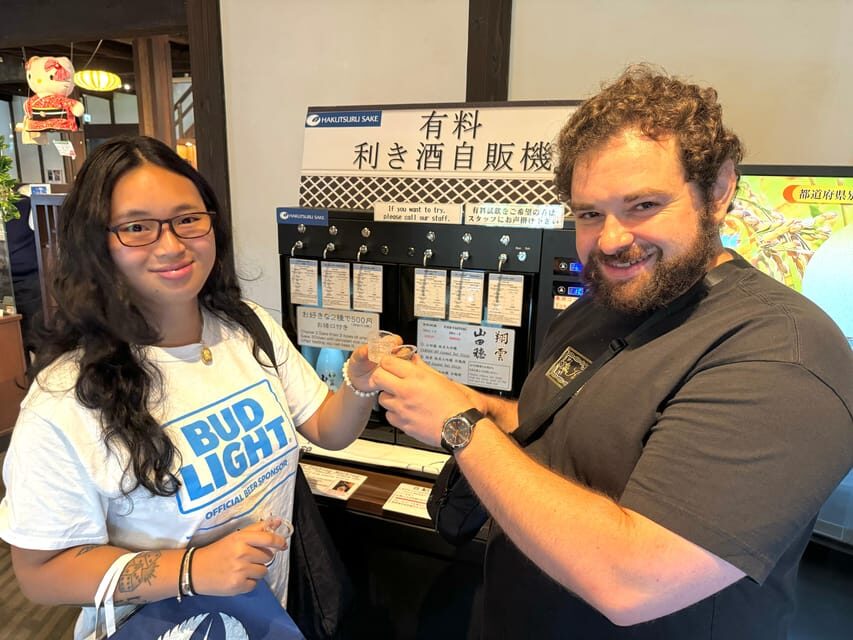
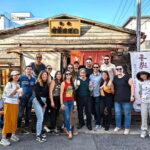
The meetup is simple, but make sure you’re there on time. You meet at JR Sumiyoshi (Kobe) station at 11:00 or directly in front of the Hakutsuru Sake Brewery Museum. From JR Sumiyoshi to the brewery, it’s about a 15-minute walk.
That walk matters because the tour isn’t built for slow wandering. Wear comfortable shoes. Bring water. And keep your camera ready, because you’ll likely want photos when you see brewing tools and barrel-making areas.
Also, bring cash. The tour info specifically suggests credit cards may not be accepted everywhere. And if tax-free shopping is part of your plan, bring your passport for Tax.
If you’re traveling in Osaka and doing Kobe as a day trip, the timing is workable. It’s long enough to feel like a full activity, but not so long that you’ll lose your evening.
Stop 1: Hakutsuru Sake Brewery Museum to Set the Flavor Map
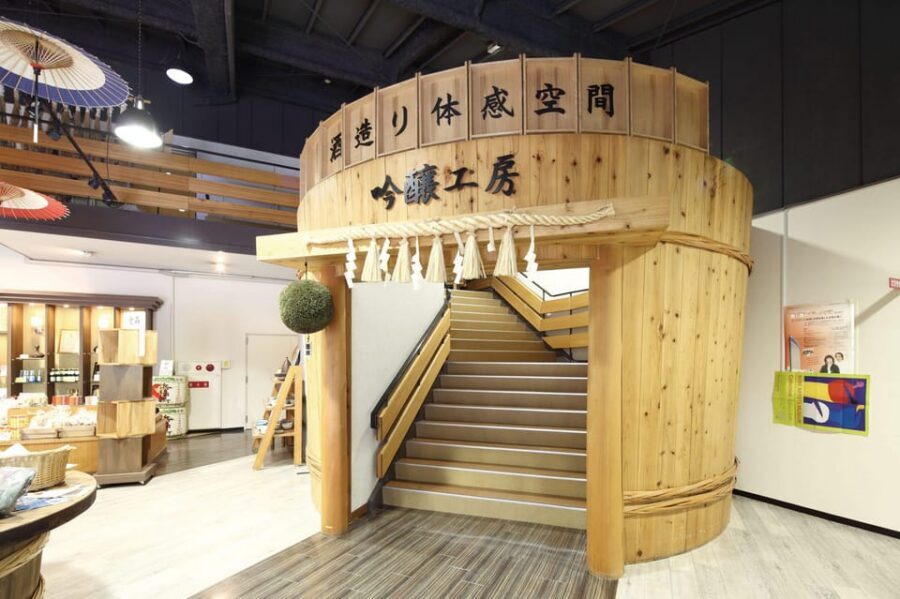
Your first stop is the Hakutsuru Sake Brewery Museum. The tour starts at the museum area, so you’re not jumping in mid-stream. This is where the day starts building context: you get your bearings and begin learning how sake production works before you start comparing styles.
What I like about starting here is that it sets a “flavor map” in your head. Even if you’re new to sake, you’ll start noticing that different breweries emphasize different qualities—texture, aroma, and overall smoothness. Your included tasting at this stop becomes the baseline.
On Fridays, Saturdays, and Sundays, if the shop is open, there can be a special sake tasting bar. That’s a nice bonus because it adds variety early rather than saving everything for later.
At lunchtime, you’ll also toast with sake with the group. That small ritual turns the tour into a shared experience rather than a series of separate tastings.
Stop 2: Kiku-Masamune Shuzo Kinenkan for Style Differences That Actually Register
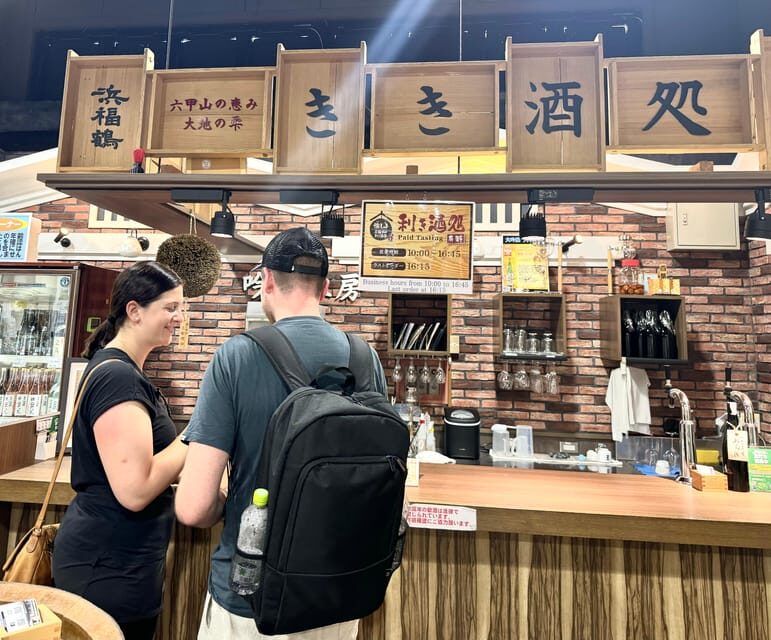
The second brewery stop is Kiku-Masamune Shuzo Kinenkan. This is a shopping-and-sightseeing stop, so it’s not just about a single room and a quick sample. You’ll have time to look around while your guide explains the process and differences tied to each brewery.
This stop matters because it’s where many people start noticing that sake isn’t one flavor. Even within the same category, breweries can produce noticeably different profiles. The included tasting helps you compare without needing to know technical terms.
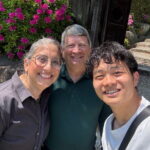
And this is where a strong guide makes a difference. Your guide—often Yumi, based on the experience provider—handles questions and gives insights that help you understand what you’re tasting. In real life, that turns your “I liked it” into something more useful: you’ll better understand what to buy later.
If you’re the type who ends up buying souvenirs based on instinct, you’ll still be fine. But you’ll probably buy more confidently after hearing how each brewery approaches its sake.
You can also read our reviews of more drinking tours in Kobe
Stop 3: Hamafukutsuru Brewery and the Barrel-Making Factor
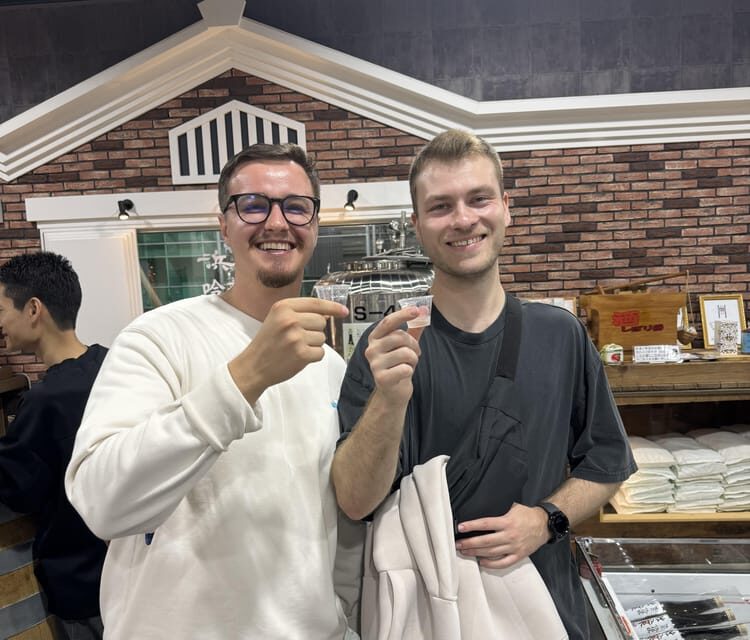
The third and final brewery stop is Hamafukutsuru Brewery. By now, you’ve tasted enough to start comparing, and you’ve seen enough tools and steps to understand why the differences happen.
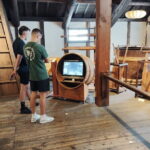
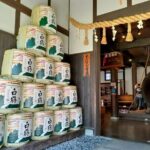
This is also the stop where the tour experience can take on an extra wow-factor. The tour description suggests you may get a chance to sneak into a valuable factory that makes sake barrels. If you’re lucky, you might even see staff actively brewing sake and making barrels.
That barrel-making angle is more than a side quest. Wooden barrels affect aging and storage decisions, and they help explain why “sake process” is bigger than fermentation alone. Even if you’re not a technical drink nerd, seeing the craft in action adds respect fast. It’s the kind of detail you remember later when you open a bottle at home.
Like the other breweries, you’ll have shopping time during the stop. And since each brewery has its own character, your final tasting can help you decide what you want to bring back.
The Included Tasting Plan vs. Optional Extra Sake
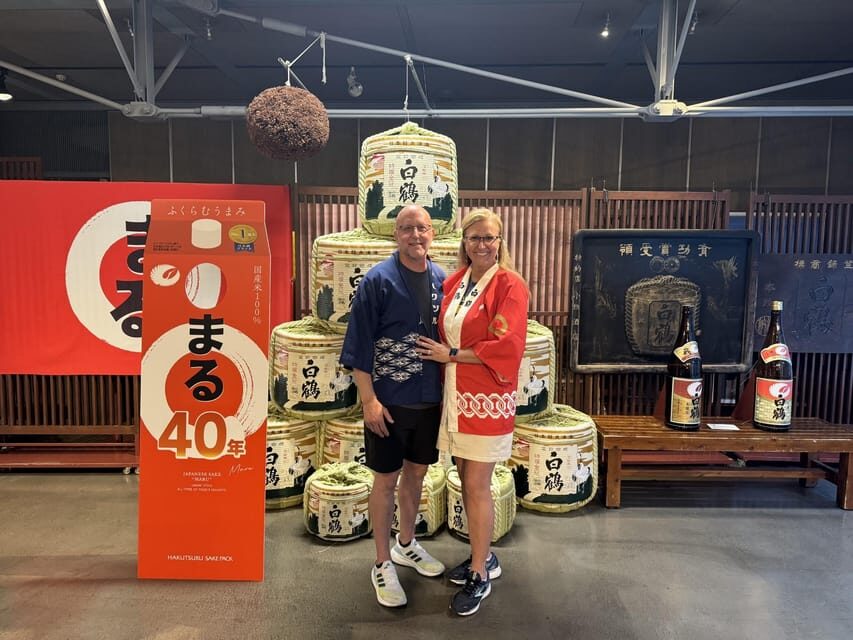
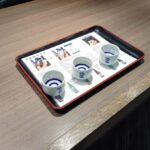
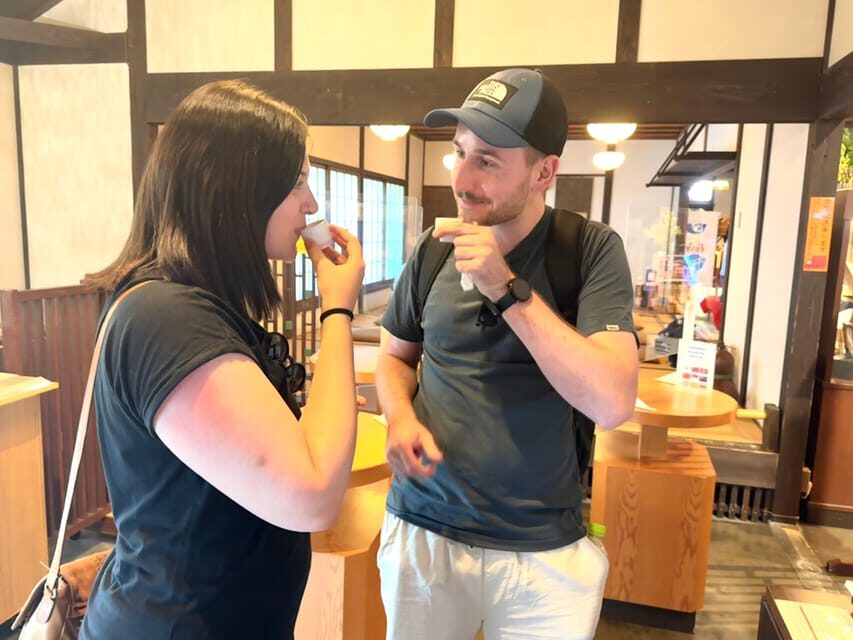
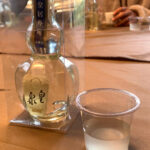
Here’s what you can count on: every brewery includes one free tasting. That means you’ll get three tastings during the tour, one at each stop.
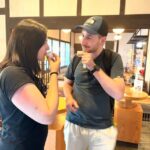
But here’s the fun part—this isn’t just three sips and a wrap. The structure makes it easy to compare. You can line up what you liked earlier against what you like at the end. That makes it less random and more like a mini tasting course.
The tour also gives you a chance to compare free and paid sake. Paid tastings and additional pours can help if you want to go beyond the starter samples. There’s even an optional add-on possibility: if you wish, the tour can include a Japanese style sake bar for an additional fee.
My advice: decide your approach at the start of the day. If you just want a fun introduction, stick to the included pours and use shopping time to pick one bottle that matches what you loved. If you’re in full exploration mode, budget a bit more and let your guide steer you toward types you’ll actually enjoy.
What You’ll See Beyond the Bottles: Tools and Tradition
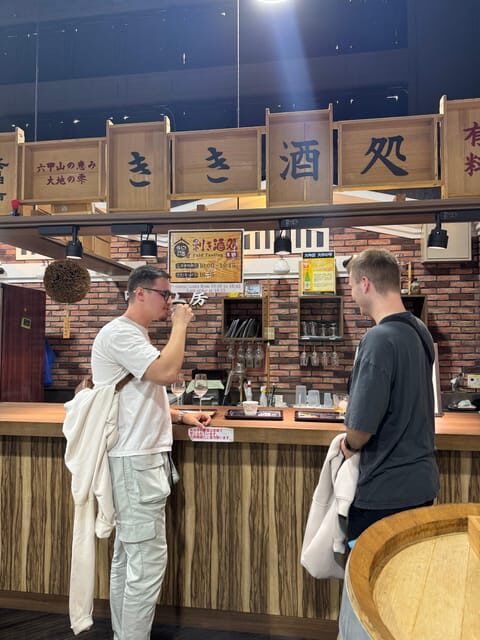
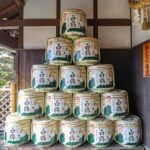
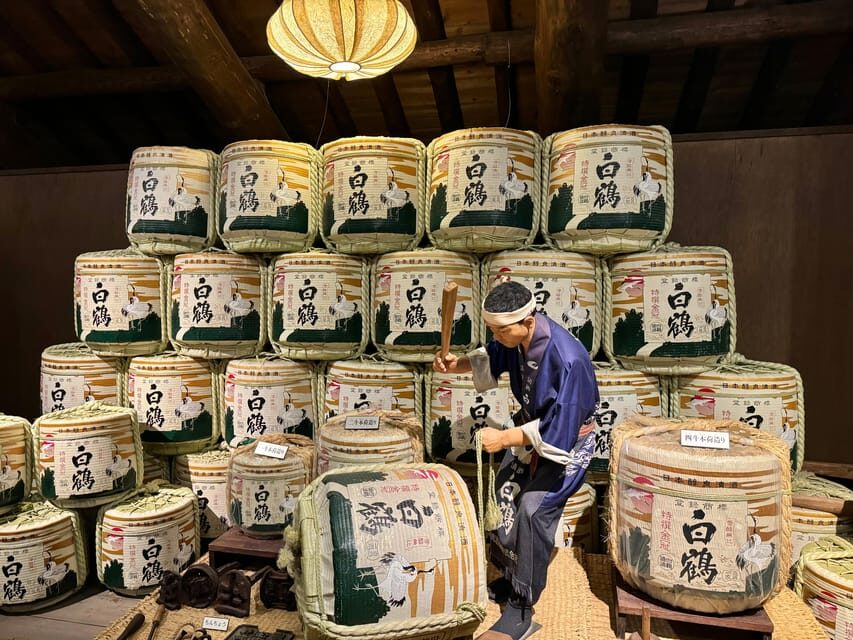
A lot of sake experiences stop at tasting. This one goes further by showing traditional sake-making tools and how sake is made in the first place.
You’ll see tools that have been used in sake brewing for a long time, and the tour notes that you might be able to catch staff brewing sake and making barrels. You might not see everything every day—factories and production schedules vary—but the promise here is real: the tour is built around the process, not just the product.
That matters for your enjoyment. If you understand what’s being done and why, tasting becomes clearer. Even if you’re not taking notes, you start building a sense of cause and effect: what the workers are doing affects what ends up in the glass.
And if you’re the kind of person who likes to bring home stories, those tool-and-craft moments give you something better than a generic souvenir.
Lunch, Soft Serve, and Staying Comfortable
Lunch isn’t included, so plan for that. The tour info mentions a lunchtime toast with sake, which suggests there’s a scheduled break around midday. Still, you’ll likely want to eat something on your own during that window.
One fun detail: you may be able to try sake soft-serve ice cream. That’s a playful way to taste something in a new format, and it can be a good counterbalance to alcohol tasting.
In practical terms, bring water and plan your energy. It’s easy to get a little dehydrated when you’re walking around and tasting. Stay hydrated and take your time with each tasting so you can tell the differences.
What to Buy: Souvenirs That Feel Specific to Nada
The tour gives you shopping time at each brewery, and there’s a key reason that’s worth it: you can purchase sake available through these stops, including sake only available here as a souvenir (the tour info says there are limited options).
This is where the included guide helps. If you don’t know what to buy, you’re not stuck guessing from a shelf. When you compare styles across breweries during the tour, choosing what to bring home becomes easier.
Also, because the tour is private, you can ask your guide what makes the most sense for your tastes. In the experience feedback, guide Yumi is repeatedly praised for helping people pick sake. That kind of direction is gold if you’re worried about ending up with a bottle you don’t love.
Logistics You Should Not Ignore (Especially Cash and Shoes)
This tour has the basics covered, but you should prepare well to keep it smooth.
Bring:
- Comfortable shoes (walking is part of the plan)
- Water (you’ll be out for a while)
- Cash (cards may not work everywhere)
- Passport for Tax if you plan to shop tax-free
- A camera if you want photos
Not allowed: smoking.
And pay attention to the fitness fit. The tour isn’t listed as suitable for wheelchair users or pregnant women, and it’s also not suitable for children under 18 or people under 20. People with food allergies are also listed as not suitable.
If any of those restrictions affect you, respect them. It’s better to choose a different type of experience than try to force a match that isn’t meant to work.
Who This Tour Is Best For (And Who Should Skip It)
You’ll likely love this tour if:
- You’re in Kobe or doing a Kobe day trip from Osaka
- You want a guided taste comparison, not just a self-guided brewery walk
- You like learning how things are made, especially if you enjoy craft details
- You want shopping time with help choosing what to bring home
It may not be the right fit if:
- You can’t do walking (there’s at least a 15-minute walk plus movement between sites)
- You need wheelchair accessibility (it’s not listed as suitable)
- You’re under 20, or traveling with children under 18 (the tour isn’t suitable)
- You have food allergies that could complicate tasting scenarios (it’s listed as not suitable)
- You’re pregnant (it’s listed as not suitable)
If you’re basically an adult traveler who likes to drink responsibly and learn while doing it, this is a strong match.
The Bottom Line: Should You Book This Kobe Sake Brewery Tour?
If your goal is to get more than a quick sip, I think this one is worth booking. Three brewery stops with included tastings gives you a structured comparison, and the process-focused elements—ancient tools and the possible barrel-making factory peek—make the tour feel real, not just commercial.
I’d book it if you:
- Want guided explanations in English, Korean, or Japanese
- Like tours where you can buy limited souvenirs you can’t find anywhere else
- Enjoy tasting enough to make a confident choice at the end of the day
I’d hesitate if you:
- Want a fully accessible tour experience (it’s not set up for wheelchair users)
- Don’t want walking time
- Are hoping for a pure food-and-non-alcohol focus (this tour includes sake tastings)
If you fit the profile, you’ll come away with a better sense of what sake can taste like—and a couple of bottles you picked for reasons, not luck.
FAQ
Where do I meet for the Kobe sake brewery tour?
You meet either at JR Sumiyoshi (Kobe) station at 11:00 or in front of the Hakutsuru Sake Brewery Museum.
How long is the tour?
The duration is 210 minutes.
How many sake breweries are visited, and is tasting included?
You visit three sake breweries, and you get one free tasting at each brewery.
Which breweries are included in the tour route?
The tour includes the Hakutsuru Sake Brewery Museum, Kiku-Masamune Shuzo Kinenkan, and Hamafukutsuru Brewery.
What should I bring?
Bring comfortable shoes, water, and cash. You should also bring your passport for Tax.
Can I buy sake during the tour?
Yes. There is shopping time at the breweries, and you can purchase sake, including sake available as souvenirs from here.
Who is the tour not suitable for, and is smoking allowed?
The tour is not suitable for pregnant women, wheelchair users, children under 18, people with food allergies, and people under 20. Smoking is not allowed.