Sky views, a castle stop, and river cruising. This full-day tour strings together Osaka’s top sights with a licensed English guide, from the height of Umeda Sky Building to a cruise along the Ogawa River on the Aqua Liner. You’ll also get a classic Osaka history lesson during time at Osaka Castle.
What I like most is the Kuchu Teien Observatory experience: an open-air sky bridge high above the city where you can spot landmarks like Mt. Ikoma and Awaji Island. Then you get Osaka Castle itself, with time to see the Toyotomi-era story inside and walk the surrounding grounds.
One thing to consider: this is a real walking day using public transportation with non-reserved seats, so you should plan for crowding and some flexibility in timing.
In This Review
- Key things you should know before you go
- Getting High in Umeda: Kuchu Teien Observatory and the 170-Meter Sky Bridge
- Umeda Footsteps and Lunch at Hotel Hankyu Respire Osaka
- Osaka Castle and the Toyotomi Story on Stone Ramparts
- Aqua Liner Cruise on the Ogawa River and the Museum Backup
- Public Transport Reality: Non-Reserved Seats and a 6 km Walk
- Guide Power and Small-Group Size (Up to 25) with MoMo Energy
- Price and Value for $119.54: What You Actually Get
- Should You Book This Osaka Walking Tour with River Cruise?
- FAQ
- How long is the Osaka 1 Day Walking Tour with River Cruise?
- How much walking is involved?
- Is lunch included?
- What if the Aqua Liner cruise can’t operate?
- Do I get reserved seats on the trains?
- Where do I meet the tour if I’m departing from Kyoto?
Key things you should know before you go
- 170 meters up in Umeda: open-air views plus the sky bridge for photos and fast orientation
- Osaka Castle time that includes the museum interior: not just a quick photo stop
- Aqua Liner on the Ogawa River: a 50-minute water-bus cruise around Nakanoshima
- Lunch is optional and specific: a Western set menu at Hotel Hankyu Respire Osaka, with vegetarian requests handled at booking
- A weather or schedule backup exists: if the Aqua Liner can’t run, you’ll switch plans (sometimes to the Osaka Museum of History)
Getting High in Umeda: Kuchu Teien Observatory and the 170-Meter Sky Bridge
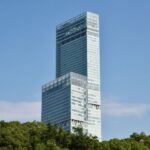
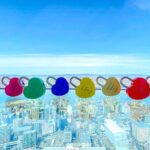
You start by heading to the Umeda Sky Building, then taking the elevator up to the Floating Garden Observatory area, known as the Kuchu Teien Observatory. It sits 170 meters above Osaka, and the open-air sky bridge connects the building’s two towers—perfect for those I-need-to-understand-the-city-from-above moments.
Your guide helps you read the view. You’re pointed toward landmarks such as Mt. Ikoma and Awaji Island, and you’ll likely spend the first block of time simply taking it in and re-centering your bearings. That’s a big deal on a one-day plan—once you know where you are from above, the rest of the day feels less like hopping and more like a route.
The stop is timed for about 40 minutes, with the admission included. That’s just enough for wide shots, skyline browsing, and a calmer pace than if you were rushing through it on your own. The only catch is that you’re indoors-to-outdoors depending on conditions, so dress for cooler wind at height even in mild months.
If you’re the type who likes cities with a “map in your head,” this first viewpoint is the move. It also helps you appreciate what Osaka looks like from land and from water later—same city, different angles.
You can also read our reviews of more walking tours in Osaka

Umeda Footsteps and Lunch at Hotel Hankyu Respire Osaka
After the sky views, you stroll around Umeda for about 30 minutes. This is more of a breather than a museum stop, giving you time to orient on the ground again and grab anything you forgot (think: a snack, water, or a quick photo between stations).
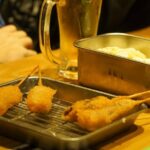
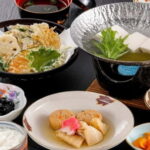
If you choose the With Lunch option, the group gathers at Hotel Hankyu Respire Osaka for a Western-style set menu. Lunch time is scheduled for about 50 minutes, and vegetarian meals are available if you request them at booking. You can’t change the meal plan on the day of, and the data is clear: allergy-friendly or gluten-free meals aren’t available, so plan accordingly if you need special food.
The “why” behind lunch being handled this way is simple. It reduces decision-making, shortens wandering, and keeps the day on schedule. But it also means you’re choosing a specific kind of meal (Western-style, set menu), not shopping for what looks best nearby.
If you skip lunch, you’ll have free time for lunch around Osaka Station. That can be a win if you want to follow your own cravings. The trade-off is that your timing becomes more self-managed, and you’ll want to keep an eye on the group’s departure so you don’t get separated.
Either way, Umeda is a practical base for this tour. You’re in the right area for trains, you’re close to major transit nodes, and you’ll be set up for the Osaka Castle leg without feeling like you’re crossing the whole city blindly.
Osaka Castle and the Toyotomi Story on Stone Ramparts
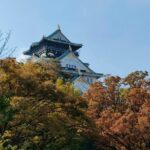
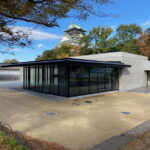
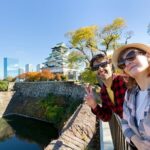
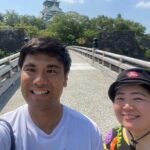
Next comes Osaka Castle, with about 1 hour inside the castle and another 30 minutes in Osaka Castle Park. This is the kind of stop that works well with a guided explanation: it’s not just walls and towers, it’s a power story you can feel.
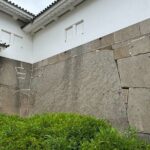
The castle began in 1583 with enormous stone blocks, associated with Toyotomi Hideyoshi, a major figure of the Sengoku period. Inside, you’ll find museum-style exhibits and relics related to old Osaka and the Toyotomi family that originally erected the castle. If you’ve ever wished Japanese castles came with an easy-to-follow narrative, this is your chance.
On the outside, the tour also sets you up to understand what you’re seeing. You’ll get time in the park area to walk among remnants such as Edo-period stone walls and turrets (1603–1868). Depending on the season, the grounds can be a pleasant break from urban walking—especially if you want a breather with trees or blossoms instead of another station-to-station sprint.
The one thing to keep realistic: castle interiors and museum pacing can be slower than you expect, especially if you like reading. The time here is solid for most people, but if you’re a rapid-photo visitor, you might finish feeling like you barely skimmed the story. A guide helps you prioritize what matters.
Photo-wise, you’ll likely get your best shots from the castle context rather than trying to recreate a perfect postcard from one exact spot. Treat it like a historical walk, not a single shot challenge, and you’ll leave happier.
Aqua Liner Cruise on the Ogawa River and the Museum Backup
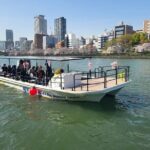
After the castle, you head to the river area for boarding the Aqua Liner at the Osaka Castle Pier. The cruise runs for about 50 minutes, and it’s described as a water-bus style ride that follows the Ogawa River, giving you views around Nakanoshima.
This is the part that changes the rhythm of the day. You stop walking, settle in, and let the city slide past at water level. You also get the kind of perspective you can’t easily replicate from the street, especially around river curves and skyline angles.
There’s also a practical camera payoff: the cruise is set up for photo opportunities of famous places and historic spots seen from the water. If you’re trying to understand Osaka as a city of commerce, movement, and connections, seeing it from the river makes the whole place click faster.
Now the backup plan matters. The tour states that if the Aqua Liner is out of service due to bad weather, temporary suspension, or operational concerns, you’ll instead visit the Osaka Museum of History. And there’s a specific Tuesday note: if the Aqua Liner is unavailable on a Tuesday and the museum is closed, the guide issues refunds of JPY 2,000 for adults and JPY 1,000 for children on the tour day.
So should you worry? Not exactly. But you should mentally prep for the idea that water rides can be weather-sensitive anywhere in Japan. If you’re booking on a day with rough conditions, you’ll feel better knowing the plan changes instead of canceling entirely.
The river cruise is worth it most when you can relax and watch—not when you’re counting minutes or expecting it to replace sightseeing. If you’re the type who loves transit-as-a-experience, you’ll probably enjoy this more than you think.
Public Transport Reality: Non-Reserved Seats and a 6 km Walk
This is a walking tour, with a total walking distance of about 6 km (3.7 miles). The good news: that’s very doable for most people wearing proper shoes. The not-so-fun news: it’s still a full day, and the tour uses public transportation the whole way.
Most importantly, the tour uses public transportation with non-reserved seats, and seating isn’t guaranteed. That affects how you should pack mentally. You may stand on trains, and you’ll want to travel light.
The tour also notes moderate physical fitness level is needed. In other words, don’t schedule this right after a jet-lag night where you slept four hours. Bring comfortable footwear and plan for continuous movement even when there’s time allocated for sightseeing.
Group size is max 25 travelers, and that’s a meaningful factor. Smaller groups tend to move more smoothly through stations and reduces the chaos factor. You’ll still be in a busy city, so you’ll want to stay close to the guide and follow the instructions quickly, especially around station transfers.
If you’re traveling with kids, the tour says children up to 5 can join free of charge, but lunch isn’t provided. Also, there’s an extra JPY 450 to pay at the location for ages 4 and 5 for admission to the Kuchu Teien Observatory (as of June 1, 2025).
All of this is good to know because the tour is designed for people who like a structured day with minimal decision-making—not for people who want to wander slowly at their own pace.
You can also read our reviews of more boat tours in Osaka

Guide Power and Small-Group Size (Up to 25) with MoMo Energy
The tour includes a national government-licensed English guide interpreter fee, so you’re not stuck with a translation app. The guide’s job here is more than reading facts. You’re getting help turning landmarks into context—especially at Kuchu Teien Observatory and at Osaka Castle.
A guide named MoMo has been mentioned for being friendly, enthusiastic, and very attentive to safety, while also answering questions in clear English. That matters because Osaka can feel confusing when you’re trying to move between the Umeda area, Osaka Castle, and the river.
With a group of up to 25, you get a balance: enough people to feel social, but not so many that you’re constantly waiting. You also have built-in time blocks at each stop, which helps you see the essentials without turning the day into a sprint.
Keep one reality in mind: the tour notes that the order of stops and arrival times may shift based on congestion. In practice, this is normal for guided city walking. The best way to handle it is simple: don’t treat every minute like a contract. Treat the schedule as a guide, and you’ll have a smoother day.
If you enjoy learning why things matter—not just what you’re looking at—this guided structure is a real value add. Without that, you could still hit Osaka Castle and the river cruise on your own, but you’d spend more time figuring out what to prioritize and how the pieces connect.
Price and Value for $119.54: What You Actually Get
At $119.54 per person, you’re paying for a tight package: a licensed English guide, admission tickets (for key stops), and transportation support using public transit. You also have the option for lunch (with Lunch choice) at Hotel Hankyu Respire Osaka.
Here’s the value math that matters. The tour includes admission at the Kuchu Teien Observatory, the Aqua Liner cruise, and Osaka Castle, plus transportation costs for the day. For many visitors, that’s the hardest part to stitch together on your own: tickets, timing, and getting from stop to stop without losing time.
You’re also buying convenience. A one-day plan like this is ideal if you don’t want to design your own route. The guide keeps things moving, and the schedule reduces dead time in transit.
Is it cheap? No. But it’s not overpriced for what it bundles: a major skyline viewpoint, a top historic site, and a river experience—plus a guide to connect them.
Still, you should be honest about your preferences. If you already know you’ll only want two of these elements (for example, the castle plus the river), then a DIY day could feel more cost-effective. And if the river cruise isn’t your thing, that portion might feel like wasted time. The tour does, however, include a museum backup, so you’re not completely stuck if the water ride changes.
Should You Book This Osaka Walking Tour with River Cruise?
Book it if you want a structured one-day overview of Osaka with minimal planning stress. This is especially a good fit if you like guided context at Osaka Castle and you’re the type who enjoys getting perspective from height and water.
Skip it or consider a DIY alternative if you’re very price-sensitive or you hate walking with transit timing built in. Also think twice if you strongly dislike the idea of non-reserved seating or you know you’ll resent a weather-dependent river segment.
If you do book, lean into the strengths: start with the sky views to orient yourself, treat the castle like a story (not just photos), and approach the cruise as a slowdown moment in the middle of a moving day.
If you want, tell me your travel dates (especially whether it’s a Tuesday), whether you’ll choose the lunch option, and whether you’re starting from Osaka or Kyoto—and I’ll help you decide if this plan matches your pace.
FAQ
How long is the Osaka 1 Day Walking Tour with River Cruise?
The tour is listed as about 9 hours.
How much walking is involved?
The total walking distance is approximately 6 km (3.7 miles), and you’re advised to wear shoes and clothing suitable for walking.
Is lunch included?
Lunch is included only if you choose the With Lunch option. It’s a Western-style set menu at Hotel Hankyu Respire Osaka, and vegetarian meals must be requested at booking. Allergy-friendly meals and gluten-free meals are not available.
What if the Aqua Liner cruise can’t operate?
If the Aqua Liner is out of service due to bad weather or operational concerns, the tour will visit the Osaka Museum of History instead. If the Aqua Liner is unavailable on a Tuesday (when the museum is closed), refunds of JPY 2,000 for adults and JPY 1,000 for children are issued by the guide on the tour day.
Do I get reserved seats on the trains?
No. The tour uses public transportation with non-reserved seats, and seating is not guaranteed.
Where do I meet the tour if I’m departing from Kyoto?
For Kyoto, you meet at the JTB Sunrise Tours Desk in B1F of KYOTO AVANTI. You then join other travelers who chose Osaka as the meeting point at Hotel Hankyu Respire Osaka.