REVIEW · OSAKA
Kyoto and Nara Day Tour From Osaka with Deer Sightings
Book on Viator →Operated by QHTravel · Bookable on Viator
This is one long, efficient day: Nara Park deer in the morning, then Kyoto’s Fushimi Inari and Kiyomizudera later. I like that it cuts the transport headache with an air-conditioned vehicle and hotel-area pickup style convenience (it starts at Kintetsu-Nippombashi Station). I also like the value angle: many big sights are free from the outside, and you only pay optional temple entry if you want. The main consideration is pace—10 hours means a lot of moving around, and the driver’s English guidance is basic, so you’ll get less storytelling than a full tour guide.
If you want the wow-factor without planning every train hop, this works well. The day is built around iconic, easy-to-find places, plus the deer add a spontaneous, fun layer that no map can replicate. You’ll come away feeling like you ticked off three heavyweight stops in one go, not like you spent your whole vacation in transit.
The possible drawback is exactly the thing you’re buying: speed. With 10 hours and multiple stops, you’ll want to keep expectations realistic about how long you can linger at each landmark—especially during peak hours.
In This Review
- Highlights at a glance
- Why this Osaka-to-Kyoto-Nara day tour makes sense
- Nara Park in the morning: wild deer you can actually interact with
- Fushimi Inari’s red torii gates: the Kyoto photo moment with real walking
- Kiyomizudera later in the day: a view-first stop (and optional entry)
- The driver, the vehicle, and the real-life group rhythm
- Price and value: what $69 really buys you
- Food, timing, and what to pack for a smooth deer-and-temples day
- Should you book this Kyoto and Nara day tour from Osaka?
- FAQ
- How long is the Kyoto and Nara day tour from Osaka?
- Where does the tour start and where does it end?
- Is lunch included?
- Do I need to pay admission fees for Kiyomizudera and Todai-ji?
- What kind of guidance do I get from the driver?
- What if the weather is bad?
Highlights at a glance

- Nara Park deer sightings: wild shika deer roam freely, and they may even bow when food shows up
- Fushimi Inari torii gates: red gates you can walk through for that classic Kyoto tunnel feeling
- Kiyomizudera UNESCO site: plan for optional paid entry if you want to go inside
- A/C vehicle and fixed schedule: you can relax while the day moves you between cities
- Small group limit: up to 45 travelers, so it won’t feel like a moving wall of people
- Mobile ticket: easy to access on your phone, with fewer paper hassles
Why this Osaka-to-Kyoto-Nara day tour makes sense

This is a 10-hour route that connects Osaka with the two most famous “day-trip” pulls: Nara and Kyoto. The tradeoff for convenience is time. You’re not doing deep, slow exploration—this is for getting maximum highlights per hour.
At $69 per person, the math is mostly about what’s included: air-conditioned vehicle transport plus a driver service fee. Lunch isn’t included, and some temple entry can be optional, but the core sights are either free to view from the outside or inexpensive to add. If you’re short on time (or you simply don’t want to wrestle schedules), that structure is the value.
Also, the group size cap (maximum 45) helps. It’s large enough to be cost-effective, but small enough that you’re less likely to feel completely lost or stuck behind a crowd for every step.
You can also read our reviews of more tours and experiences in Osaka.

Nara Park in the morning: wild deer you can actually interact with
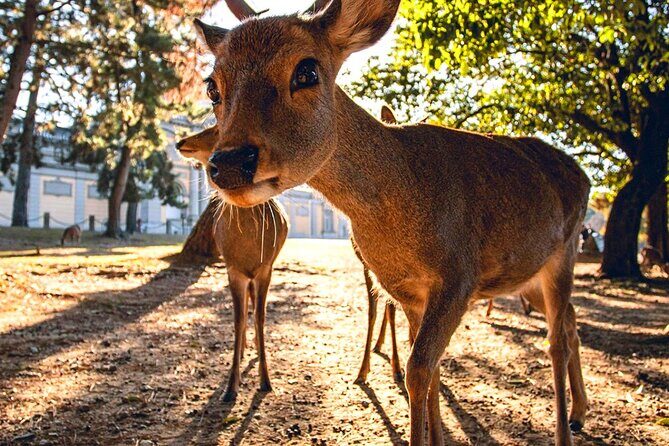
Nara Park is famous for a herd of roughly 1,300 wild deer. They’re treated like special messengers in local tradition, so you’ll see them calmly moving through lawns and pathways instead of being fenced off like a zoo exhibit.
The fun part isn’t just seeing deer. It’s the way they behave when people are around. From the way the deer act up close, I’d plan to be ready for that “are they going to approach me?” moment. They can look bold, but the day stays playful rather than stressful if you follow basic common sense: keep a respectful distance, don’t startle them, and handle any offered snacks carefully.
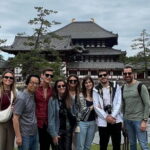
One smart planning note: Nara Park is also your chance to add Todai-ji if you want. You don’t need a ticket just to be outside and look around, but if you want to enter the temple, there’s an on-site admission fee (¥600 per person). That flexibility is useful on a day like this, because you can decide based on your energy after the deer portion.
What to expect
- Deer roaming across wide paths and open spaces
- A lively, family-friendly atmosphere (you’ll feel the energy quickly)
- Optional temple entry choices depending on how your morning goes
A practical drawback
Nara’s deer can make mornings feel hectic if you try to photograph everything at once. If you’re trying to move fast to keep the schedule, set your “must-do shots” early and then shift to walking calmly.
Fushimi Inari’s red torii gates: the Kyoto photo moment with real walking

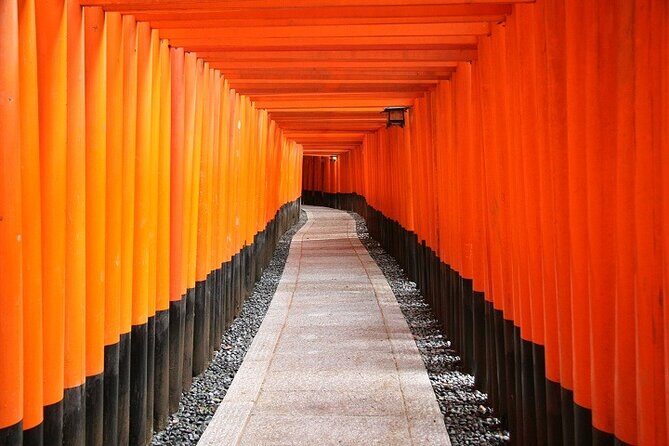
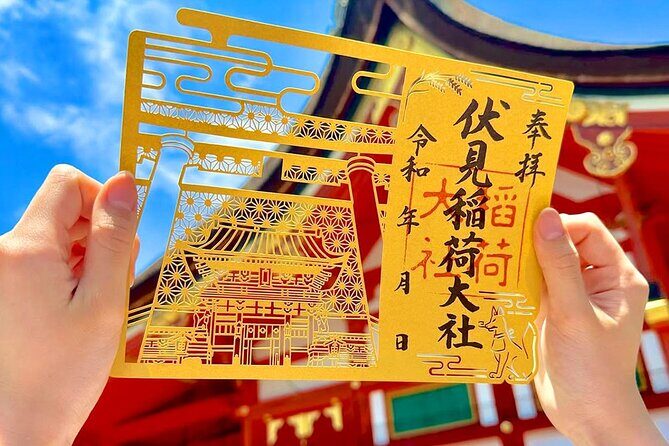
Fushimi-Inari Taisha is one of those places that instantly reads Kyoto. You enter through the atmosphere of countless red torii gates, and you can follow paths deeper into the shrine complex.
This stop is scheduled for about 1 hour 20 minutes, which is enough time to get the signature torii-gate experience without turning it into an all-day hike. The key is setting a goal for yourself: do you want to stay near the entrances for the most classic crowd scenes, or do you want a quieter walk a bit farther in?
The value here is the “easy to understand” sightseeing. Even if you don’t read Japanese or have a guide narrating every detail, the shrine layout is visually satisfying on its own. You’ll still feel like you’re stepping into something cultural and historic—without needing a lot of interpretive effort.
Timing tip
Torii gates create a natural flow, but crowds can swell. If you want more breathing room, keep an eye on where you’re moving and avoid freezing in the middle of the walkway while you zoom photos.
One consideration
Because the driver’s guidance is described as basic, you may not get deep context about every shrine sub-route. That’s not a deal-breaker, but if you love detailed explanations, plan to read a little beforehand or bring a translation app for your own curiosity.
Kiyomizudera later in the day: a view-first stop (and optional entry)
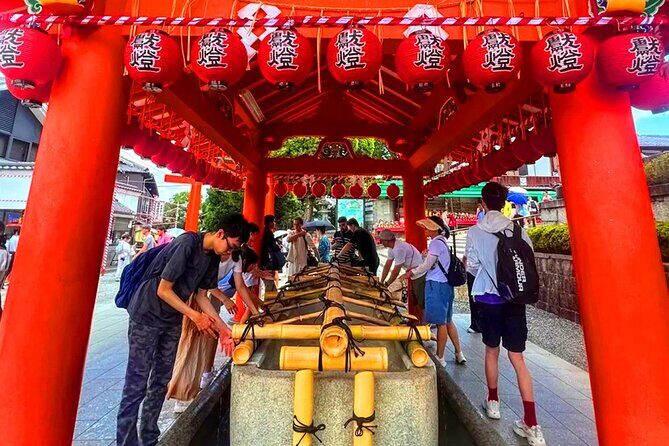
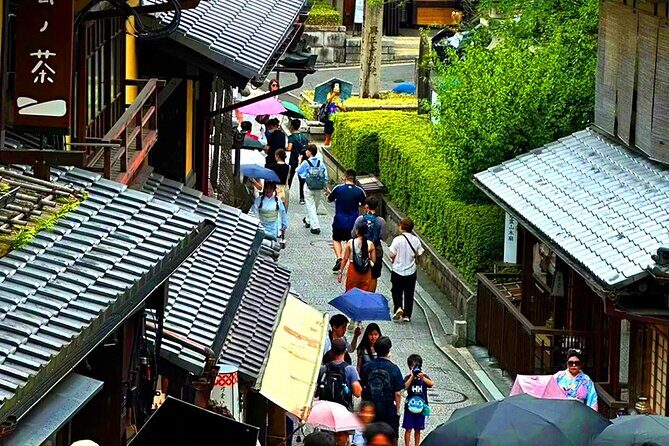
Kiyomizudera is a UNESCO-listed temple area on the slopes of Otowa Mountain. This is a big name in Kyoto, and the reason it’s popular is pretty straightforward: it’s built for views and dramatic temple presence.
Your time here is about 3 hours, which gives you room to slow down compared with the other stops. You’ll be able to walk around the complex, take in viewpoints, and decide how long you want to linger. The only extra cost piece is entry if you want to go inside: ¥400 per person for Kiyomizudera.
That optional fee is helpful. Many people can enjoy the atmosphere from outside, especially if they’re also managing energy after Nara. If you’re the type who wants the full interior experience, this is your moment to add it.
What I’d watch for
- Wear shoes you trust. Temple steps and uneven ground can add up fast on a day tour
- If it’s busy, go slow in one area instead of trying to sprint between everything
Why it feels worth the stop
Kiyomizudera isn’t just a checkpoint. It’s the kind of place where you naturally pause—partly because it’s visually strong, and partly because the area encourages a slower rhythm.
The driver, the vehicle, and the real-life group rhythm
One of the smartest parts of this day is how it’s managed between cities. You get an air-conditioned vehicle and a driver service, which means you’re not coordinating trains, transfers, and platform searches in real time.
The driver provides basic English guidance, not in-depth cultural explanations. That changes how you should approach the day: treat the driver as a route helper, not a walking encyclopedia. If you want deeper context, do a bit of reading on your phone so you can connect the dots as you go.
Group size max is 45 travelers. On a day that includes deer and a torii-gate shrine, that matters. Too-large groups can feel chaotic. Here, the cap helps keep it more manageable.
There’s also a simple “stays together” reality: because the tour ends back at the meeting point, you’re committing to the schedule. If you’re the type who likes to run off and explore for an hour, this route might feel confining.
Extra note for older travelers
If you’re over 70, the tour info says you should be accompanied by a family member. That’s worth taking seriously for comfort and pacing.


Price and value: what $69 really buys you
The price is $69 per person, and the included items are clearly stated: the air-conditioned vehicle and driver service fee. That’s the core value—transport and planning baked into the package.
You still need to budget for two things:
- Lunch (not included)
- Optional temple entry: ¥400 for Kiyomizudera and ¥600 for Todai-ji if you choose to enter
Many major sights are free to view from the outside, so you’re not being forced into constant paid admissions. But the tour won’t automatically “solve” meals for you, and the day is long enough that you’ll feel the impact if you show up without a plan.
My take on the bargain
This is good value if your priority is efficiency. It’s also good if you don’t want to spend your one good trip day comparing transit apps and worrying about missing connections. If you prefer slower travel and deep explanations, you might find you want something more guide-heavy—but for the time it takes, this is solid.
Food, timing, and what to pack for a smooth deer-and-temples day
This tour doesn’t include lunch, so I recommend you treat meals as a scheduling tool. On a day like this, a snack break can be the difference between enjoying the afternoon and feeling drained.
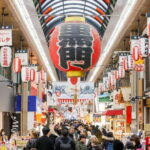
For shopping, the day includes Shinsaibashi-suji Shopping Street in downtown Osaka. That’s a great place to unwind after the temple-heavy hours, grab something quick, and reset your feet. Shopping streets also tend to be easy to navigate once you’re back in Osaka rhythm.
For your bag, I’d pack for the reality of multiple stops:
- Comfortable walking shoes (temple steps and park paths add up)
- A small snack or water you can access without slowing the group
- Cash or card for optional entries like Kiyomizudera and Todai-ji
- A light layer for weather changes, since the day relies on good weather
And since deer are part of the core experience: be ready to see them close up. If you buy crackers or snacks on-site, keep your expectations realistic. The deer can be bold, and kids often find it hilarious—just remind anyone in your group to be calm and respectful.
Should you book this Kyoto and Nara day tour from Osaka?

Book it if you want a high-impact day with iconic Kyoto and a uniquely playful Nara stop, without the stress of coordinating transport. It’s especially well-suited for first-timers who want the famous torii gates and Kiyomizudera, plus the chance to see wild deer up close.
Consider skipping or choosing a different format if:
- You want deep cultural explanations rather than basic route guidance
- You hate fixed schedules and want to linger for hours
- You’re traveling with someone who needs very slow pacing and lots of quiet breaks
My call: if your goal is to make the most of limited time, this is a practical pick. You’ll feel like you got three major “Japan postcard” moments in one day, and the deer portion adds that unpredictable, genuine fun that makes the whole day more memorable than a standard temple-only itinerary.
FAQ
How long is the Kyoto and Nara day tour from Osaka?
It runs for about 10 hours.
Where does the tour start and where does it end?
It starts at Kintetsu-Nippombashi Station and ends back at the same meeting point.
Is lunch included?
No. Lunch is not included, so you’ll want to plan your own meal.
Do I need to pay admission fees for Kiyomizudera and Todai-ji?
Entry inside is optional. Kiyomizudera entry is ¥400 per person, and Todai-ji entry is ¥600 per person. You can visit from the outside without those fees, if you prefer.
What kind of guidance do I get from the driver?
The drivers provide basic English guidance, but they’re not set up to give in-depth explanations of culture and attractions.
What if the weather is bad?
The experience requires good weather. If it’s canceled due to poor weather, you’ll be offered a different date or a full refund.