REVIEW · TOKYO
From Tokyo 1-Day Kyoto English-guided Tour by Bullet Train
Book on Viator →Operated by JTB Global Marketing & Travel Inc. · Bookable on Viator
Kyoto in a day is surprisingly doable. You start in Tokyo, ride the Shinkansen both ways, then get an English-led hit of Fushimi Inari, Sanjusangendo, and Kiyomizu-dera—plus an included hotel lunch. The thing that makes this outing feel worth it is how much of the hard part is handled for you: getting on the right train, meeting staff on both sides, and keeping a tight group day moving.
I love the guided flow. Even if stations are chaotic, the handoffs are built around escorting you at key moments, and names like Tammy, KC, Momo, Yumi, and Nobu show up in guide feedback. I also like the pairing of temples: the red Torii climb at Fushimi Inari, then the quiet jaw-drop of 1,001 Kannon figures at Sanjusangendo, then Kyoto’s postcard views from Kiyomizu-dera.
The main drawback is simple: it’s a long day with limited time at each stop, and crowding can slow you down. Plan for waiting and a pace that sometimes feels more like a tour route than a relaxed Kyoto stroll.
In This Review
- Key things to know before you go
- From Tokyo KITTE to Kyoto Shrines: A Day That Moves Fast
- Shinkansen Details That Actually Affect Your Comfort
- Your Kyoto Countdown: Lunch at a Hotel Near the Station
- Fushimi Inari Taisha: Red Gates, Big Walking, and Crowd Reality
- Sanjusangendo Hall: 1,001 Statues and the Moment That Feels Different
- Kiyomizu-dera at the Hilltop: Views, Shopping Streets, and Tight Timing
- How the Group Format Shapes Your Day (Waiting vs Seeing)
- Price and Value: What You’re Really Paying For at $452.45
- Who This Tour Fits Best (And Who Might Prefer Something Else)
- Should You Book This Tokyo-to-Kyoto Day Trip?
- FAQ
- FAQ
- How long is the tour and what time does it start?
- What Kyoto sights are included?
- Is lunch included, and can I request a vegetarian meal?
- What are my options for the bullet train?
- Will the guide ride the Shinkansen with me?
- Is there a limit on luggage?
Key things to know before you go
- Shinkansen round trip is included, with access to Nozomi service for the Tokyo return
- Hotel lunch is built in and handled before you start sightseeing
- Fushimi Inari + Sanjusangendo + Kiyomizu-dera cover three of Kyoto’s most recognizable experiences
- You’ll see Kyoto views from a hilltop at Kiyomizu-dera, not just shrine gates
- Photography rules can change by site, and you may face restrictions at Sanjusangendo
From Tokyo KITTE to Kyoto Shrines: A Day That Moves Fast
This tour is designed for one big constraint: you’re in Tokyo and you can’t justify an overnight in Kyoto. The format is practical—Shinkansen first, then sightseeing in the afternoon—so you still get Kyoto’s top icons without spending your vacation days wrestling with train transfers.
The logistics matter because Kyoto’s most famous places are popular for a reason. You’ll be there during peak energy, and the schedule is built to keep you moving through the “must-sees” even if lines and crowds stretch.
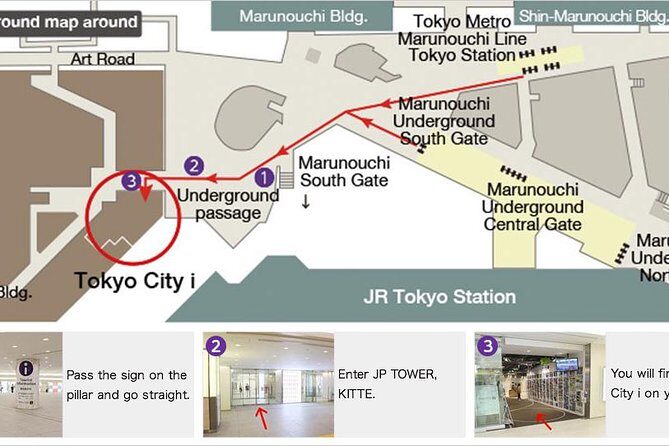
Also, the day starts early enough to be efficient. The meeting point in Tokyo is at Tokyo City iJapan (KITTE B1F), with a scheduled departure time of 9:20 am, and the tour runs about 12 hours total.
You can also read our reviews of more guided tours in Tokyo

Shinkansen Details That Actually Affect Your Comfort
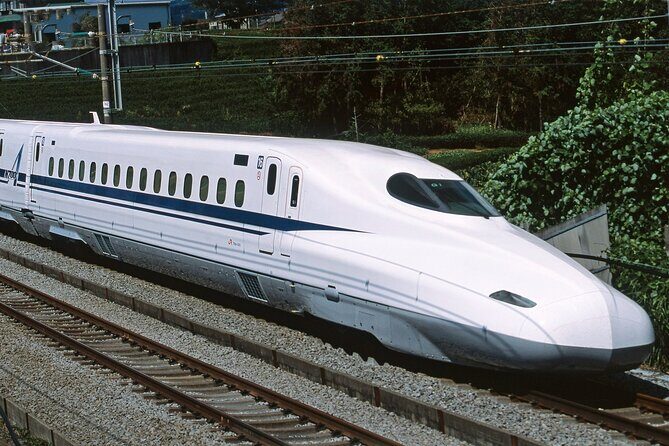
You have a real choice here: standard or first-class bullet train tickets. In feedback from this exact style of tour, people recommend trying the first-class car if your budget allows, mainly because the ride is long enough to matter—especially when you add the rest of the day.
On a clear day, the train route can treat you to a view of Mt. Fuji from your window. That’s not guaranteed, but when the weather cooperates it’s a nice payoff before you hit Kyoto’s temples.
One small detail that can make or break your stress level: you’re not just handed a ticket and pointed somewhere. Staff escort you through the process in Tokyo, and on the Kyoto side you’re met and guided onward. That reduces the chance of the classic “I have the ticket but I’m in the wrong place” problem at major stations.
Your Kyoto Countdown: Lunch at a Hotel Near the Station
After you arrive at Kyoto Station mid-day, you’ll head to a nearby lunch spot at Miyako Hotel Kyoto Hachijo. The lunch is Western-style, and it’s served as a semi-buffet.
If you want vegetarian, you should request it when booking. The guidance notes that in 2025 the vegetarian option changes the main dish, while for 2026 the lunch is described as a vegetarian-friendly Western-style set menu. Either way, the key is that lunch is handled for you, so you don’t burn time figuring out where to eat in a busy station area.
This meal also functions as a reset. Kyoto temple time can be tiring—standing, walking, waiting for the group—so eating before Fushimi Inari helps you enjoy the afternoon instead of running on low energy.
Fushimi Inari Taisha: Red Gates, Big Walking, and Crowd Reality
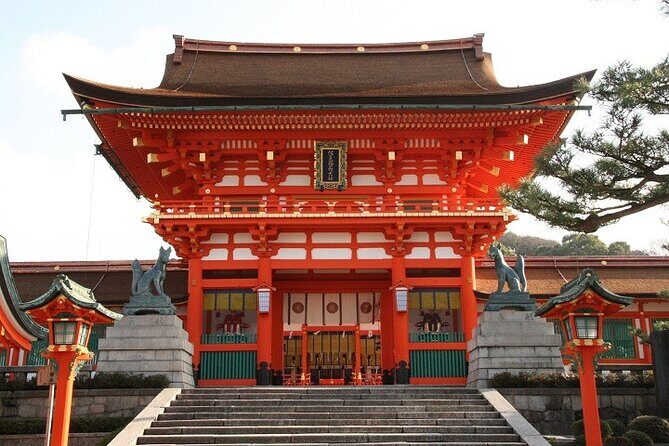
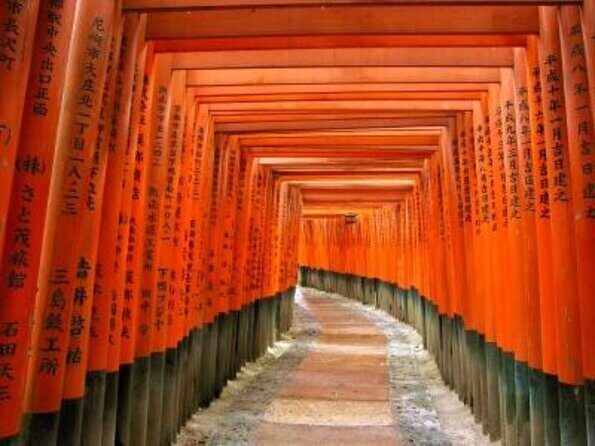
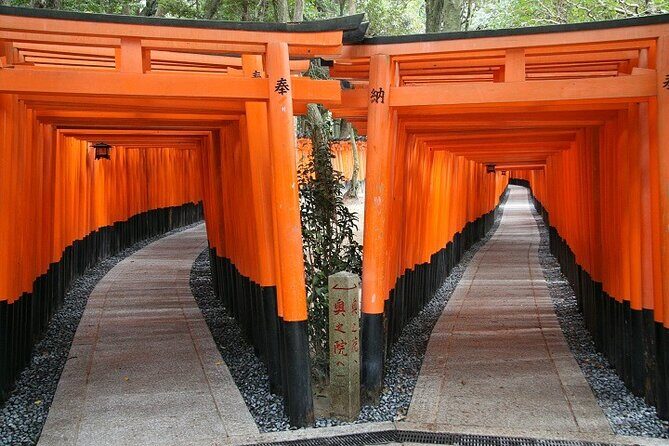
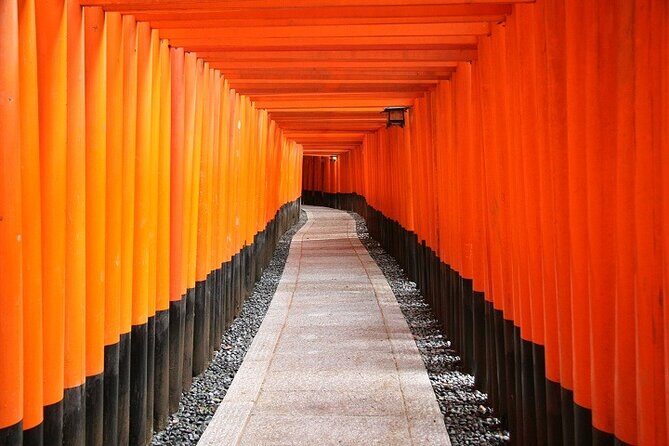
Fushimi Inari Taisha is the head shrine tied to Inari, and the main visual is what you came for: thousands of bright red Torii gates. This stop is short in the schedule, so your goal isn’t to conquer every step to the top. It’s to soak up the most iconic stretch of the experience and get your photos before you move on.
The tour takes you by coach from near Kyoto’s station area, then you’ll walk from the parking area into the shrine grounds. You’ll get time to see the head shrine and spend a moment of quiet reflection if you want it.
The drawback is that this place gets intensely busy. Even when you’re moving efficiently, you may find sidewalks and paths crowded, and that can slow the pace more than you expect. If you’re the type who likes to wander without checking your watch every five minutes, treat this stop like a highlight sprint, not a full exploration.
Sanjusangendo Hall: 1,001 Statues and the Moment That Feels Different
Next comes Sanjusangendo Hall, one of Kyoto’s most distinctive temple experiences. What you’re walking into is a long wooden hall housing 1,001 life-size statues of Buddhist Kannon deities dating back centuries. That scale hits differently than the more open shrine settings—less “walk and look,” more “stand and take it in.”
This stop has admission included, and the schedule gives you a focused block to see the hall and learn the background from your guide. In feedback, the guide explanations tend to be a strong point of the day—people mention history and cultural context that helps the statues make sense beyond just count-and-photo value.
There’s also a practical note: photography rules can be strict here. One set of feedback specifically notes that visitors weren’t allowed to take pictures inside Sanjusangendo. You should plan on putting your phone away and watching what’s in front of you instead of trying to capture everything.
If you want one “quiet brain” moment in the itinerary, this is it. Even in crowds, the inside of Sanjusangendo generally feels like a stop where you slow down—because you’re absorbing a long, repeating visual idea.
A few more Tokyo tours and experiences worth a look





Kiyomizu-dera at the Hilltop: Views, Shopping Streets, and Tight Timing
Your final temple stop is Kiyomizu-dera, a World Heritage site built on a hillside. The famous draw isn’t just the temple buildings—it’s the views over Kyoto you get from that elevation.
On the way up, you’ll pass the historic shopping lane that leads to the temple. That matters because it adds atmosphere. Kyoto isn’t only worship spaces; it’s also the street-life that grows up around them—snacks, small souvenirs, and quick stops that help the day feel less like a checklist.
Time here can be a little tight. Some feedback calls out how crowded conditions can make the walk up feel slower, and that the group has to keep moving to stay on schedule. You may end up with enough time to see the main viewpoints, but not enough to linger for long.
Also watch for weather. Rain doesn’t just make things wet; it changes how fast groups can move, and your day can run closer to the edge. If you’re visiting in a rainy season, pack accordingly and accept that timing may tighten.
How the Group Format Shapes Your Day (Waiting vs Seeing)
This is not a self-guided DIY day. It’s a guided route built around meeting points, escorting you between transport, and keeping groups together across different locations.
The good news: you get the stress off your plate. Multiple pieces of feedback describe guides and operators walking people to the right train door, waiting to confirm you got onto the correct Shinkansen, and then meeting you on the Kyoto side to move you through lunch and the afternoon route.
The trade-off is time. Some feedback says there’s extra waiting—after lunch or during transitions—when the schedule has to line up with the full group. There are also comments that the day feels rushed in Kyoto, with just a snapshot of each site.
This is the real decision point for you:
- If you’re okay with a “big hits only” day, the structure is a win.
- If you want room to breathe, this might feel like too much compression.
Price and Value: What You’re Really Paying For at $452.45
At $452.45 per person, this isn’t a cheap day trip. But the cost is buying you more than sightseeing tickets.
You’re paying for:
- Round-trip Shinkansen fare between Tokyo and Kyoto
- A guided afternoon through three major attractions with English interpretation
- Lunch included at a hotel restaurant (not a random convenience meal)
- The coordination work that helps you navigate busy stations and meet the right people
If you were to DIY this, you’d still spend money on trains, you’d still need to figure out where to eat, and you’d still face crowd timing at the temples. The value here is that your plan is locked in and your “where do I go next?” moments are handled.
That said, the day is long. You’re trading time and comfort for convenience. If you’d rather spend that time actually walking Kyoto at a slower rhythm, an overnight in Kyoto usually wins.
Who This Tour Fits Best (And Who Might Prefer Something Else)
This works best if you:
- Are short on days in Japan and want Kyoto highlights without an overnight
- Prefer English guidance to help make sense of what you’re seeing
- Like having someone manage transfers in huge stations
It may not fit you if you:
- Want a relaxed, wander-at-will pace at each temple
- Hate crowds and dislike tight time windows for photos
- Plan to spend lots of time shopping, resting, or looping back for extra views
Also, this tour caps at 40 travelers. That size is big enough to feel efficient, but small enough that you’re not swallowed by an endless swarm.
Should You Book This Tokyo-to-Kyoto Day Trip?
I’d book it if your top goal is Kyoto’s best-known temple hits with minimal planning. The Shinkansen round trip plus English-guided sightseeing and included lunch is exactly the kind of “high structure, low stress” day that helps when your time is tight.
Skip it—or at least think hard—if you’re hoping for a slow Kyoto day or you’re sensitive to crowding and compressed schedules. Reviews for this kind of route repeatedly circle back to the same reality: it’s doable, but it’s not leisurely.
If you do book, one practical move can help a lot: consider first-class/“green car” seating if it’s within your budget. The ride is long enough to matter, and your comfort on the return leg can change how you feel at the last stop.
FAQ
FAQ
How long is the tour and what time does it start?
The tour is about 12 hours and starts at 9:20 am from the Tokyo meeting point. The tour ends with an arrival window back around 8:30 pm to 9:30 pm.
What Kyoto sights are included?
You’ll visit Fushimi Inari Taisha, Sanjusangendo Temple (with admission included), and Kiyomizu-dera Temple (with admission included). Fushimi Inari admission is noted as free.
Is lunch included, and can I request a vegetarian meal?
Yes. Lunch is included at Miyako Hotel Kyoto Hachijo as a semi-buffet (for 2025). Vegetarian requests should be made when booking, and the notes explain how the vegetarian option works in 2025 and what changes for 2026.
What are my options for the bullet train?
You can choose between standard and first-class bullet train tickets. The return journey from Kyoto Station to Tokyo uses the Nozomi Shinkansen.
Will the guide ride the Shinkansen with me?
No. The information states that guides and other staff do not ride on the Shinkansen with tour participants. You’ll be escorted to meet staff on the other side in Kyoto, though.
Is there a limit on luggage?
Yes. You can’t bring large luggage over 160 cm total in height, width, and length onto the Shinkansen. If you have large luggage, the notes suggest using a delivery service on your own.