REVIEW · TOKYO
Tokyo: Shinjuku Bar Hopping & Night Walking Tour
Book on Viator →Operated by Local Guide Stars · Bookable on Viator
Shinjuku at night is a whole other city. This small-group bar hopping tour takes you through three classic nightlife zones while a local guide keeps things smooth and street-smart. You’ll eat well, follow the rhythm of the bars, and get a better sense of how Tokyo feels after dark.
I really like the small group size (max 15) because it makes it easier to ask questions and actually talk to your guide instead of being herded along. I also love that the food is focused on real local favorites, like gyoza, sushi, and kushikatsu, rather than tourist-bait “set menus.” One thing to consider: alcohol is not included, so if you want lots of sake, you’ll be paying extra.
The route is designed for people who want to walk, snack, and compare different izakaya styles without spending the whole night guessing. You also get to see areas most first-timers miss, including lively alleyways and arcade-style streets that feel very Shinjuku.
In This Review
- Key things to know before you go
- Why Shinjuku at night feels easier (and more fun) with a guide
- Value check: What you’re really paying for at $36.33
- Meeting point and pacing: how the 3-hour night walk works
- Stop 1: Shinjuku Golden Gai, micro-bars and alley logic
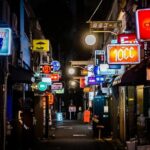
- Stop 2: Omoide Yokocho for gyoza and old-school night energy
- Stop 3: Kabukicho District and the big-night feel of Shinjuku
- How the food and sake fit together (and what to budget)
- Guide style and small-group energy: why it feels personal
- Who this tour suits best in real life
- When you might want to choose something else
- Should you book this Shinjuku night tour?
- FAQ
- How long is the Tokyo Shinjuku bar hopping and night walking tour?
- How much does the tour cost?
- How many stops are included?
- Is alcohol included in the tour price?
- What food can I expect to eat?
- Do I need to pay entry fees at the venues?
- Where do I meet the guide?
- Where does the tour end?
- Can I get a full refund if my plans change?
Key things to know before you go
- Three stops in three different nightlife styles, centered on Golden Gai, Omoide Yokocho, and Kabukicho
- Local guide help at night, so you’re not figuring out tiny entrances and alley logic on your own
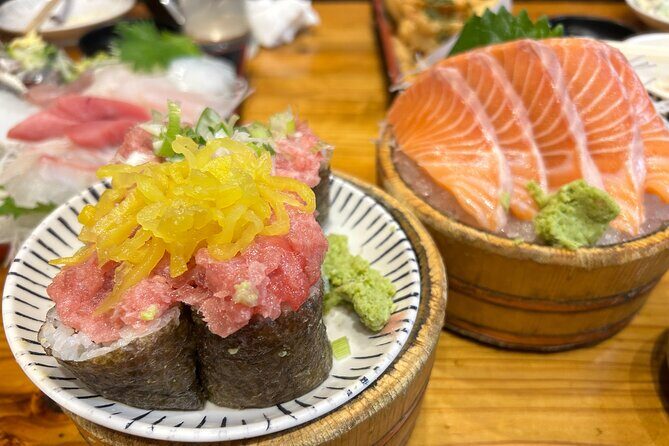
- Food-forward planning, with items like gyoza, sushi, and crispy kushikatsu built into the experience
- Sake is part of the vibe, but alcoholic drinks are on you since they are not included
- Mobile ticket convenience, plus an easy meeting location near Shinjuku Station
- Arcades and hidden alleys get included, so the walk feels like Tokyo, not just bars
Why Shinjuku at night feels easier (and more fun) with a guide

Tokyo nightlife can be intimidating in a good way. Neon everywhere. Side streets with tiny doorways. No obvious signs in English. The kind of place where you might walk right past what you came to see. That’s exactly why this tour works: you get local guide help to move you into the right lanes and keep you from spending your limited time hunting for the next spot.
Shinjuku also changes character block by block. This tour’s value is that you don’t just stay in one area. You shift from the tight, quirky mood of Golden Gai to the more food-and-stall energy of Omoide Yokocho, then out toward the larger, louder scale of Kabukicho. You end up with a more complete picture of the district than you would from wandering alone.
I also like that the tour is set up for conversation. The pace is built around stopping, eating, and listening. That matters on a night crawl, because the best part isn’t only the food. It’s understanding what you’re looking at as you go—how the spaces work, why locals choose them, and what to pay attention to when you order.
You can also read our reviews of more walking tours in Tokyo
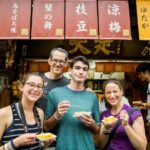
Value check: What you’re really paying for at $36.33
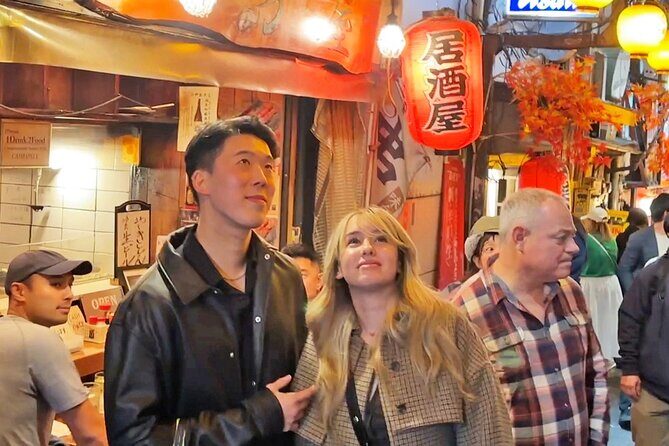
At about $36.33 per person for roughly 3 hours, this isn’t an expensive private dinner tour. You’re mainly paying for a guide and the structure that gets you into the right places quickly and safely.
Here’s what that price usually means in practice:
- You get a local guide and the tour includes an admission fee that’s free (so you’re not adding extra entry costs on top).
- You should expect to eat during the tour—the experience highlights include items like gyoza, sushi, and kushikatsu.
- Alcoholic beverages are not included, and dinner isn’t included either, so you’ll want to budget for sake and any extra food after the tour.
If you love food but hate spending time researching nightlife listings, the value jumps. Instead of spending hours mapping bars and checking which places welcome groups, you show up and follow a plan. The small-group cap (15) also keeps it from feeling like a factory line.
The best part: you’re buying convenience plus local guidance, not just a meal. In a city like Tokyo, that combo can be the difference between a fun night and a stressful one.
Meeting point and pacing: how the 3-hour night walk works
The tour starts at the Shinjuku Station East Exit Police Box (3-chōme-38-1 Shinjuku). It ends back at the same meeting point, so you won’t be stuck figuring out how to get home from some random corner at the end of the night.
A 3-hour format is a sweet spot. Long enough to cover multiple neighborhoods and try different food styles. Short enough that you can still have energy for a late-night drink after, or a final stroll to your hotel if that’s your plan.
Because it’s a bar hopping tour, you’ll want to come ready to walk and stand. The tour also includes time moving through lively arcades and hidden alleys that aren’t always obvious to visitors. That’s fun, but it’s also why shoes matter. Comfortable footwear turns this from “I hope my legs survive” into “this is great, let’s keep going.”
Most travelers can participate, and the tour runs near public transportation, so getting to the start spot should be manageable. Just remember it’s Tokyo at night: the streets are busy, and the vibe is part of the point.
Stop 1: Shinjuku Golden Gai, micro-bars and alley logic
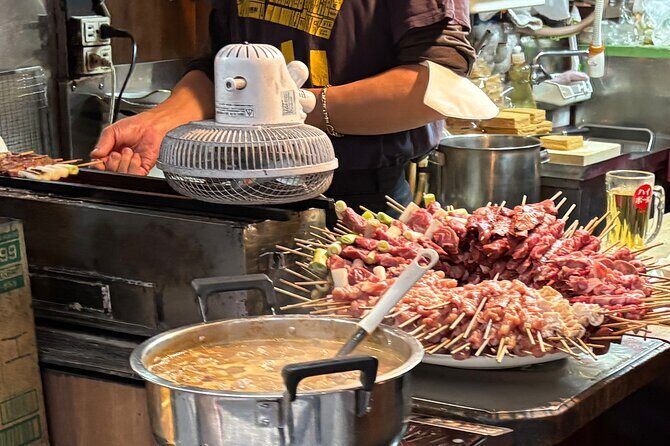
Shinjuku Golden Gai is the kind of place that makes Tokyo feel artistic and strange—in the best way. Think narrow lanes, tiny venues, and the feeling that each doorway leads to a different mood. This stop is perfect for getting your bearings early, because it teaches you how these nightlife blocks function.
Golden Gai is often associated with small spaces and a social style where people talk, eat, and order at a measured pace. That’s also why it’s a good first stop on a guided crawl. Your guide can help with what to expect when you arrive, and you can focus on the experience rather than standing there deciding what kind of place you just walked into.
The drawback? This area can feel tight and crowded, and you’ll be close to other groups. If you prefer wide-open spaces or you don’t like standing near strangers, this is the part of Shinjuku that might test your patience a bit. Still, if you want the real texture of the district, Golden Gai delivers.
Food-wise, you should expect one of the tour’s classic tastings here—part of the overall mix that includes gyoza, sushi, and crispy bites later on. The goal isn’t a fancy meal. It’s understanding how locals snack and drink through the evening.
Stop 2: Omoide Yokocho for gyoza and old-school night energy
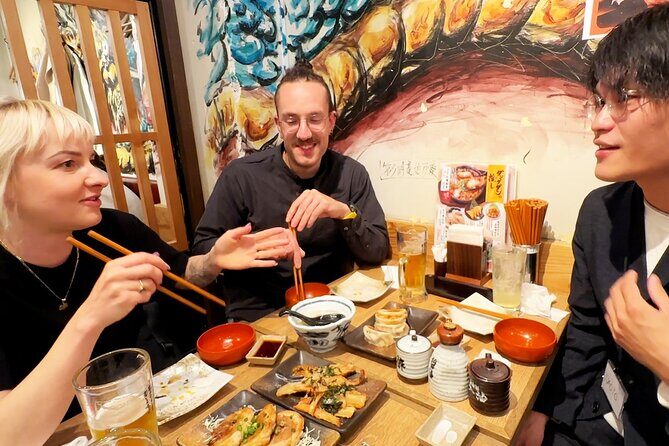
Omoide Yokocho is the kind of place that feels like Tokyo preserved a little longer than the rest of the city. It’s known for its food-focused nightlife, and it’s exactly the sort of spot where people come for flavor, not for a photo.
This stop matters because it adds variety. Golden Gai is tiny-venue quirky. Omoide Yokocho leans more into street-level comfort food energy—where you can settle in, eat, and keep the night moving without feeling like you’re constantly switching gears.
The experience highlights include juicy gyoza and other hearty, no-frills dishes made with care. That line is important. This isn’t “gourmet everything.” It’s the comfort-food approach that locals actually want on a night out: satisfying, not precious, and easy to share.
One practical note: this part of Shinjuku can also be lively and a bit crowded, especially during peak hours. The tour helps here by keeping your group moving and managing timing between stops. You’ll spend more time eating and less time waiting in lines that can grow when everyone arrives at once.
If your main goal is to taste Tokyo nightlife through its food, Omoide Yokocho is the stop that tends to click fast.
You can also read our reviews of more evening experiences in Tokyo


Stop 3: Kabukicho District and the big-night feel of Shinjuku
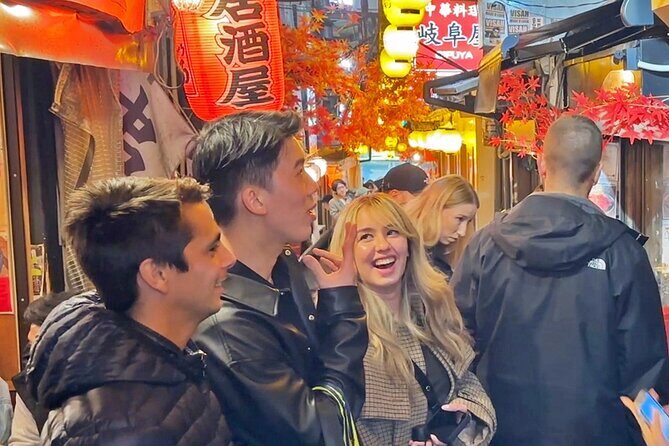
Then you shift gears into Kabukicho District, the louder, brighter side of Shinjuku that many people picture when they think of the neighborhood. This is the moment where the tour stops being about micro-alleys only and becomes about the broader nightlife scale.
Kabukicho can be overwhelming if you’re trying to navigate it solo—there’s a lot happening and the streets can feel visually busy. With a guide, you get to experience it without losing your way. It’s also where you’ll likely notice the contrast between the smaller, food-and-talk bars and the bigger nightlife flow.
This stop is also where the tour’s “night walking” theme really shows. You’ll likely pass through arcades and hidden alleys that add Tokyo-specific texture. That’s the part I’d call the bonus value. Even if you end up loving the food most, those in-between moments help you understand Shinjuku as a lived-in area, not just a set of restaurants.
Food-wise, the tour’s overall highlights include items like sushi and kushikatsu somewhere across the crawl. This final stop is part of that mix, so you’re not just ending with drinks. You’re finishing with more flavor and a sense of how the night keeps flowing.
If you’re sensitive to noise or crowd density, you may want to pace yourself with water and small bites. Kabukicho is not a quiet neighborhood.
How the food and sake fit together (and what to budget)
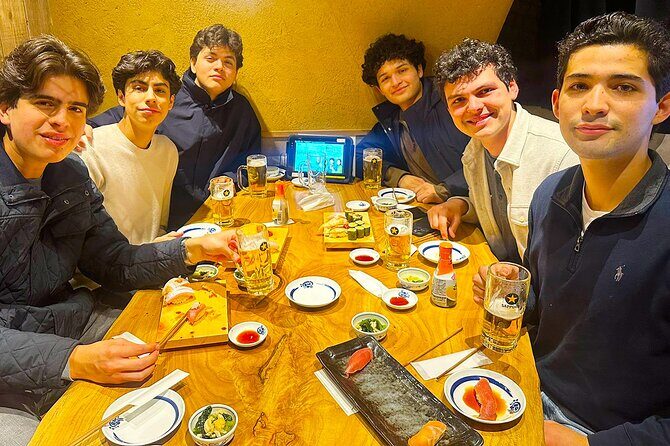
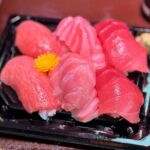
The tour is food-forward with a clear theme: authentic dishes, not fancy “one plate, one bite” meals. The highlights call out fresh sushi, crispy kushikatsu, juicy gyoza, plus plenty of sake.
But here’s the key financial reality: alcoholic beverages aren’t included. The idea of plenty of sake is part of the experience vibe, yet it’s still your expense. So if you want to treat sake like a guided tasting menu, plan extra money.
How to manage it smartly:
- Decide early if you’re doing sake or keeping it to one or two drinks. The tour is designed so you can enjoy the food either way.
- Pace your bites. Trying several street-style items sounds fun, but your stomach will thank you for slowing down between drinks.
- If you want dinner afterward, remember dinner isn’t included. You might still find yourself hungry after 3 hours, depending on what you eat and how much you drink.
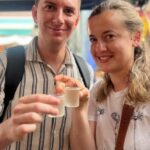
One more helpful detail from the experience style: the sake tasting tends to stand out when people do it. Even if you’re not a heavy drinker, a guided explanation of what you’re tasting can make the whole night more interesting than ordering blindly.
Guide style and small-group energy: why it feels personal
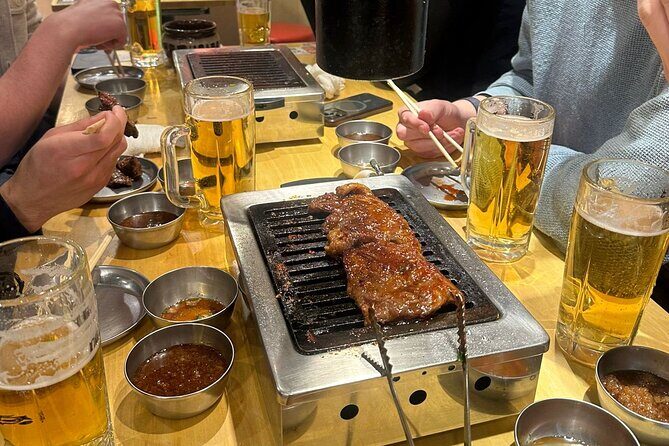
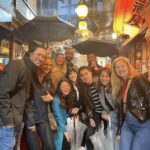
This tour caps at 15 travelers, and that changes everything. In a group that size, your guide can tailor pacing, explain what you’re seeing, and answer questions without shouting over each other.
The name details from the guides people mention are a nice bonus. You may meet a guide such as Sato or Anaya, and what stands out is the combination of friendly energy and practical help—especially around finding spots you’d never locate on your own. That’s exactly what you want from a night tour: a guide who treats the evening like a plan, not a mystery.
Because the tour includes three distinct types of izakayas, your guide also plays translator and interpreter. You’re not just tasting food. You’re learning how each place works and what makes each style different.
The guide’s job is also safety by night. Shinjuku at night is manageable, but it still pays to have someone who knows the sidewalks, the side streets, and the right timing between stops.
Who this tour suits best in real life
This is a great fit if you:
- Love food that’s made for eating, like gyoza and kushikatsu
- Want a night walk that feels like Tokyo, with alley streets and arcade areas
- Prefer a small group where you can talk to people instead of just waiting in line
- Are traveling with friends or going solo and want an easy way to meet people
It’s also smart for your “last night in Tokyo” scenario. If you’re short on time, a 3-hour plan that covers multiple nightlife zones can give you a win without turning your whole trip into research.
If you’re celebrating something, this kind of crawl tends to feel social and fun, especially because you’re sharing tastings across different places.
When you might want to choose something else
This tour may not be ideal if:
- You want a fully included alcohol experience. Sake is part of the plan, but alcohol is not included, and you should expect extra spending.
- You want a sit-down dinner. Dinner isn’t included, and the focus is on tastings and bar-style food.
- You dislike busy nightlife streets. Kabukicho especially is not a quiet place.
Also, because it’s a guided walk with multiple stops, you’ll spend time standing and moving between areas. If you prefer a slow, seated evening, look for a different style of tour.
Should you book this Shinjuku night tour?
Yes, book it if you want Shinjuku’s nightlife through food, not just photos. The combo of small group size, three strong nightlife stops, and a local guide who can steer you through alleyways is the real reason this tour works. You’ll walk away with a better mental map of Shinjuku and a taste of different izakaya styles in one night.
Before you go, do two quick checks:
- Plan for extra money for sake and other drinks, since alcohol isn’t included.
- Wear comfortable shoes and be ready to stand and walk for a few hours.
If that fits your travel style, this is a high-value way to experience Tokyo after dark.
FAQ
How long is the Tokyo Shinjuku bar hopping and night walking tour?
It runs for about 3 hours.
How much does the tour cost?
The price is listed as $36.33 per person.
How many stops are included?
You visit 3 stops: Shinjuku Golden Gai, Omoide Yokocho, and Kabukicho District.
Is alcohol included in the tour price?
No. Alcoholic beverages are not included. The experience notes that sake is available to wash things down, but it is on you since alcoholic drinks are not part of the included cost.
What food can I expect to eat?
You can expect tastings such as gyoza, sushi, and kushikatsu, along with other dishes served in the izakayas.
Do I need to pay entry fees at the venues?
The tour includes admission details as free admission as part of what’s included, with the guide covered in the ticket price.
Where do I meet the guide?
The meeting point is at the Shinjuku Station East Exit Police Box (3-chōme-38-1 Shinjuku, Shinjuku City, Tokyo 160-0022, Japan).
Where does the tour end?
The tour ends back at the meeting point.
Can I get a full refund if my plans change?
Yes. You can cancel for a full refund if you cancel at least 24 hours before the experience start time.