REVIEW · NIKKO
Luxury Nikko Gateway;Private Guided tour
Book on GetYourGuide →Operated by Japantokyotour · Bookable on GetYourGuide
Nikko feels personal with a private guide. I like the door-to-door pickup and the way you get real explanations as you move through the day, including Toshogu Shrine (UNESCO). You also get solid time at key sights like Lake Chūzenji and Kegon Falls, which is extra special in autumn. One catch: entrance fees aren’t included, so you should plan for extra spending on-site and bring cash.
This is a 10-hour private group tour priced at $445 per group (up to 6), with air-conditioned transportation and an English-speaking driver. In the best moments, you’ll also have a live guide in English, Japanese, or Hindi who keeps things organized and moves at a pace that fits your questions. The main drawback is simple: it’s a full day, so if you want lots of free wandering, the schedule may feel a bit structured.
In This Review
- Key Highlights Worth Planning For
- Private Pickup From Tokyo, Hakone, or Nikko (Without the Stress)
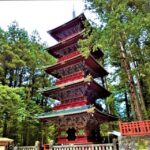
- Toshogu Shrine: UNESCO Sights With Explanations That Actually Help
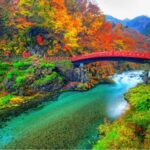
- Shinkyo Bridge: A Guided Stop That Keeps You Moving (At Your Pace)
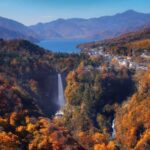
- Lake Chūzenji: Serene Water Views, Built Into a Busy Day
- Nikkō National Park in Autumn: Better With a Plan
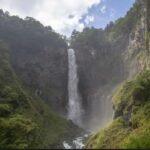
- Kegon Falls: Guided Time at the Waterfall, Not Just a Quick Peek
- Nikkōzan Rinnoji Temple and an Extra 40-Minute Nikko Slot
- Nikko City Time: Shopping and Snacks Without Losing the Day
- Your Guide and Driver: The Real Difference in a Private Tour
- Is $445 Worth It for a Private Nikko Day?
- What You Need to Bring (And One Small Timing Tip)
- Who This Tour Suits Best
- Should You Book This Private Guided Nikko Tour?
- FAQ
- Where can the tour pick me up?
- How long is the tour?
- What is the price?
- Which sights are included in the guided day?
- What language will the guide speak?
- Are entrance fees included?
- What does the tour include for transportation?
- Is wheelchair access available?
- What should I bring?
Key Highlights Worth Planning For
- Private group up to 6 means your questions don’t get lost in a crowd
- Toshogu Shrine is the centerpiece and it’s guided and UNESCO-listed
- Autumn timing in Nikko National Park adds seasonal atmosphere to the stops
- Lake Chūzenji + Kegon Falls give you a calm-to-waterfall rhythm through the day
- Pickup from Tokyo, Hakone, or Nikko makes it easy to fit Nikko into a bigger trip
Private Pickup From Tokyo, Hakone, or Nikko (Without the Stress)
What makes this tour feel like a good value isn’t just the sights. It’s the fact that you’re not stitching the day together yourself. You can choose one of three pickup options—Nikko, Hakone, or Tokyo—and then you get a matching drop-off at the end of the tour.
The setup is designed to cut friction: your driver meets you outside your hotel, and you’ll connect using WhatsApp, text message, and a call. That matters in Japan, where catching the right bus at the right time can turn into a puzzle when you’re tired. Since this is a full-day plan, you’ll also want an early start to beat traffic and make room for all stops without feeling rushed.
You can also read our reviews of more guided tours in Nikko
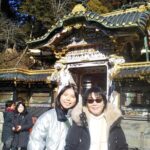
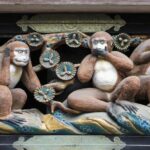
Toshogu Shrine: UNESCO Sights With Explanations That Actually Help
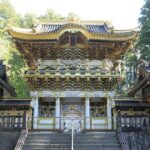
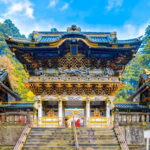
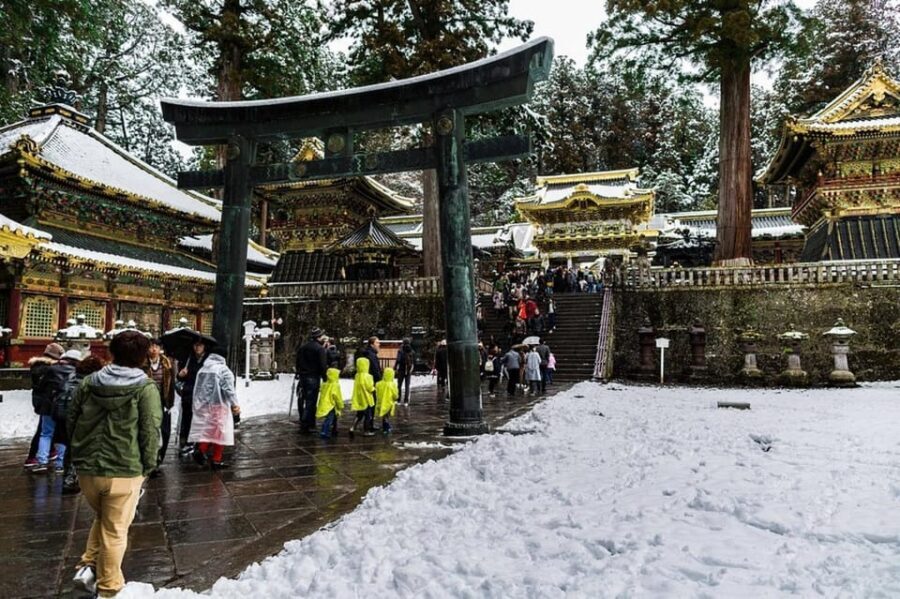
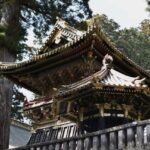
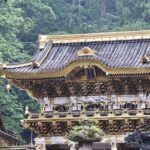
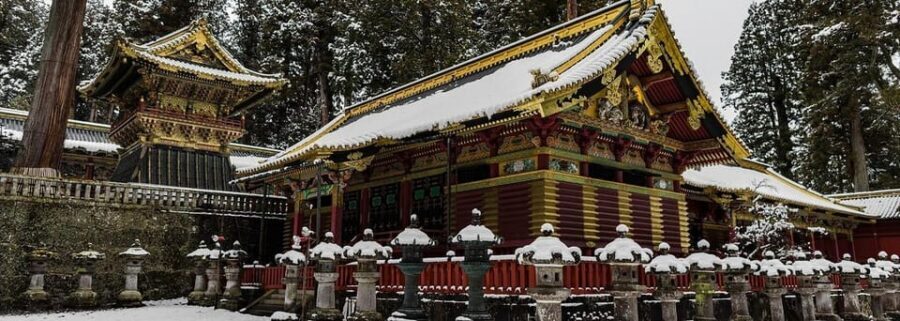
Toshogu Shrine is the headliner, and it’s guided for about an hour. Even if you’re not a deep shrine scholar, a good guide changes the experience from looking to understanding. You’re not just seeing buildings and carvings; you’re hearing how Nikko’s spirituality and stories connect to the place.
In my kind of travel, I like when a guide gives context without turning the day into a lecture. Here, that’s exactly the intent, with commentary on Nikko’s history and mythology as you move through the shrine area. I also appreciate that your visit time is clearly set—so you can relax into it instead of wondering whether you’re going to lose time.
One practical point: shrine and temple entrance fees are not included. If you’re budgeting, this is where cash comes in handy, especially if your day also includes multiple religious sites.
Shinkyo Bridge: A Guided Stop That Keeps You Moving (At Your Pace)
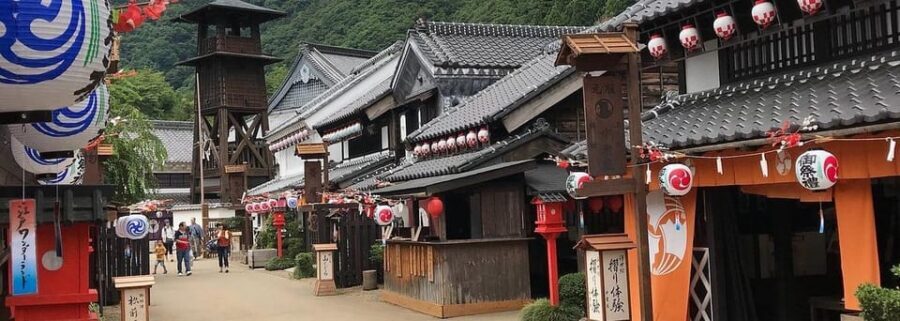
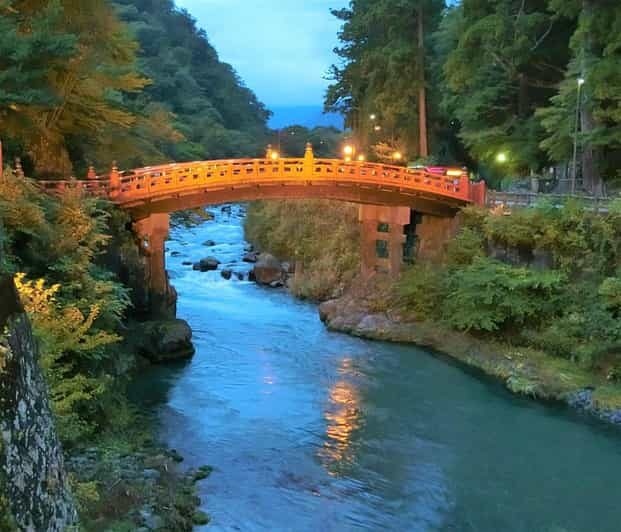
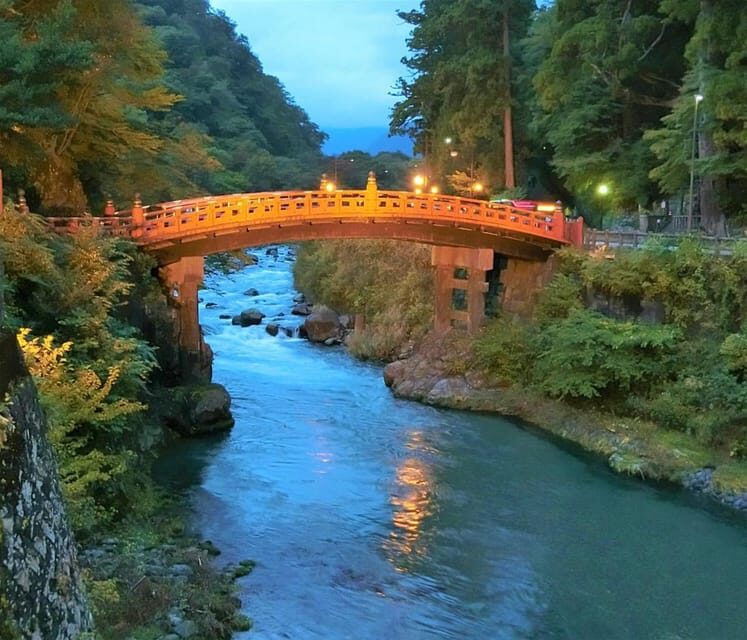
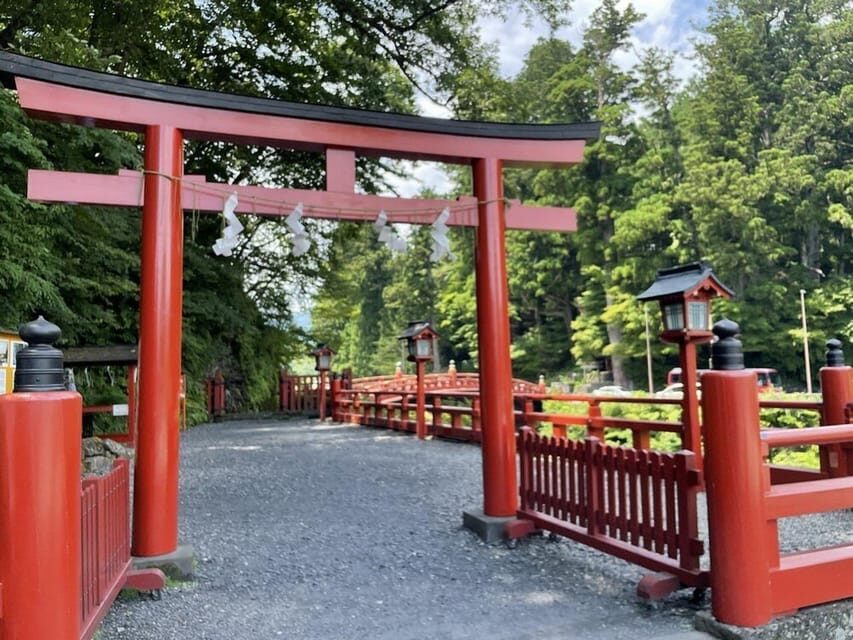
After Toshogu, you head to Shinkyo Bridge for another guided sightseeing block, about one hour. This is one of those stops where the guide helps you slow down just enough to notice what you’d otherwise skim.
What I like about how this tour handles the bridge-and-viewpoints style of sightseeing is the pacing. You’re not being dragged from one photo spot to the next with no time to ask questions. Instead, the day keeps a rhythm: shrine storytelling, then a guided look at a major Nikko landmark, then on to water and nature.
If you’re the type who likes to stop and rest your feet often, you’ll probably feel comfortable here. If you’re chasing speed and you hate structured timing, you might find the one-hour block a little limiting—but that’s the tradeoff for having private transportation and guidance.
Lake Chūzenji: Serene Water Views, Built Into a Busy Day
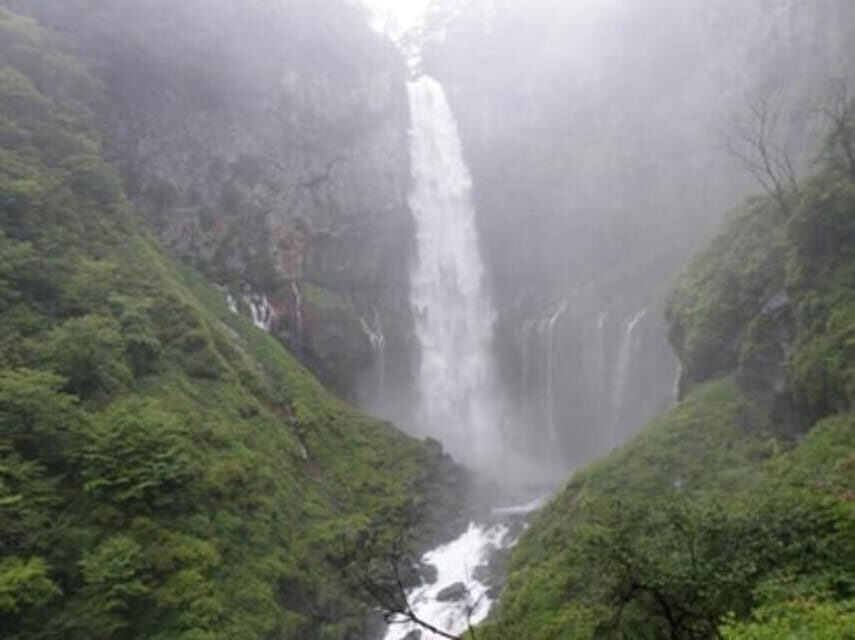
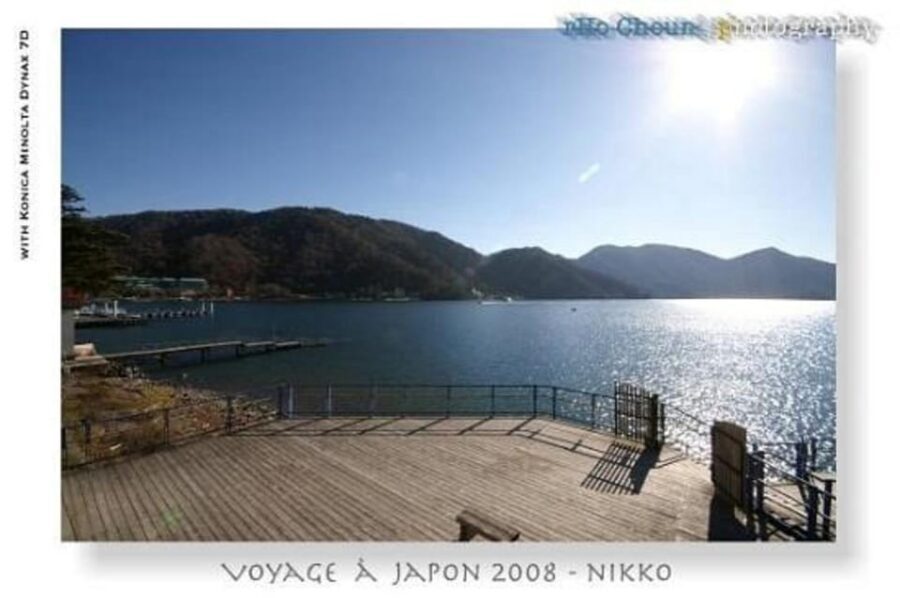
Lake Chūzenji is on the itinerary as a guided visit with about an hour allocated for sightseeing. This is where the day balances sacred sites with calmer nature time, and that balance is one of the biggest reasons I’d consider booking this instead of doing Nikko on your own.
The tour description specifically frames the natural side as including serene lakes, hidden waterfalls, and autumn foliage depending on the season. Lake Chūzenji fits that perfectly: it’s a breather after shrine time, and it gives you a scenic moment that doesn’t feel like a detour.
In a 10-hour itinerary, I always ask: where does the day slow down? Here, Lake Chūzenji is that answer. You get a guided experience without it turning into an endurance march, and it gives you time to take in the seasonal atmosphere.
Nikkō National Park in Autumn: Better With a Plan
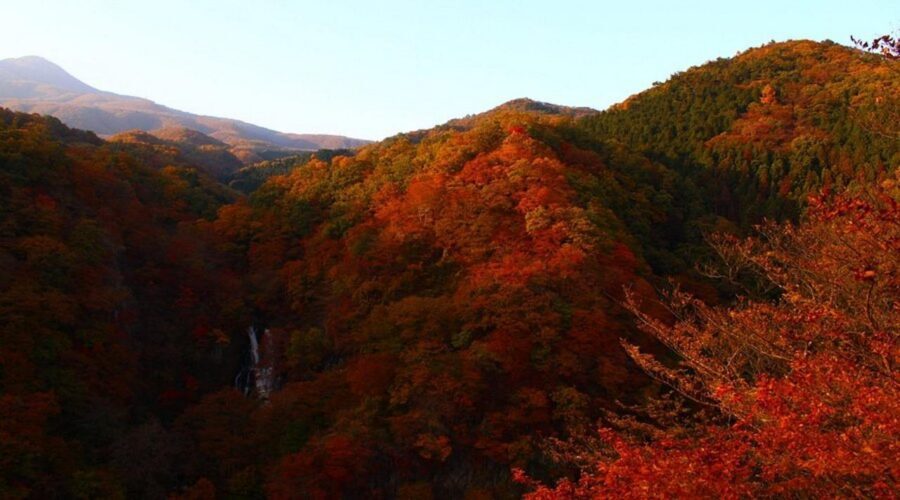
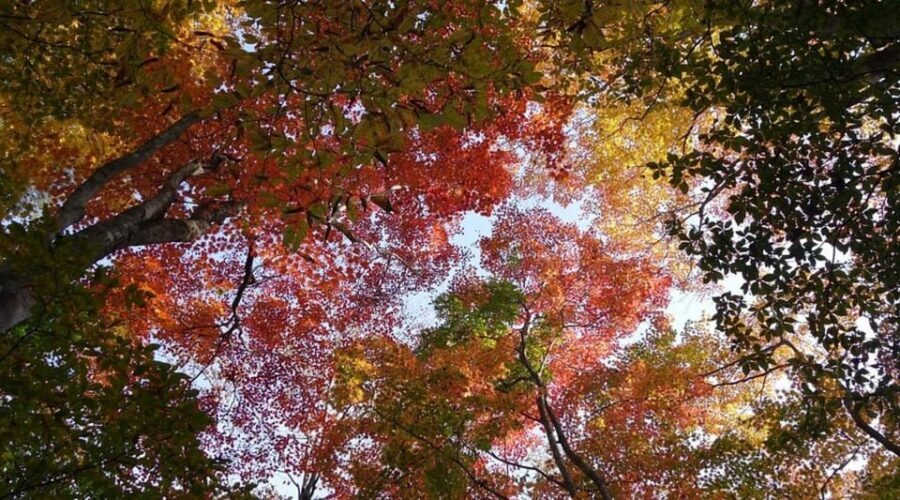
Next comes Nikkō National Park, with about an hour of guided sightseeing. This is the part of Nikko that pairs well with autumn timing, when the foliage is part of what you came for. Your guide’s job here isn’t magic; it’s making sure you’re in the right areas and moving efficiently so you get the most out of limited daylight.
I also like that the day doesn’t treat nature as an afterthought. It’s scheduled, guided, and paired with other stops instead of being replaced by museum-style sightseeing. If you’re visiting in autumn, the park stop is one of the key moments that can make the whole trip feel special instead of just “a checklist of shrines.”
Because this is a private tour, you can also ask what to prioritize if conditions change. Bad weather can happen, and having your own guide helps you adjust your focus rather than waiting for a generic group plan.
You can also read our reviews of more private tours in Nikko

Kegon Falls: Guided Time at the Waterfall, Not Just a Quick Peek
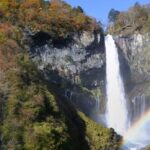
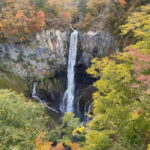
Kegon Falls appears as a guided visit with about an hour of sightseeing time. From a traveler’s standpoint, waterfalls are one of those places where timing matters. You want enough time to get your bearings, choose a viewpoint, and not feel like you’re constantly rushing.
The tour description supports this kind of waterfall stop by mentioning hidden waterfalls as part of the experience. That’s a clue that the guide isn’t just there for logistics; they’re there to help you experience the area in a way that feels intentional.
You’ll also appreciate the structure here. After the park and lake time, the waterfall becomes the dramatic payoff before you return toward the city/shrine areas. If you’re visiting Nikko as a day trip, this sequencing can keep the day from feeling random.
Nikkōzan Rinnoji Temple and an Extra 40-Minute Nikko Slot
Rinnoji Temple shows up as a guided sightseeing stop for about 40 minutes. Short, focused visits like this are often exactly right in a tight 10-hour day. It’s enough time to take in the spirit of the site and understand what you’re seeing, without turning your feet into a sore-foot festival.
Then there’s also an additional guided sightseeing block for 40 minutes, with the specific stop not listed in the information I received. I’d treat this as flexibility time in your planning: it’s there so the day can flow with logistics and timing, and you won’t feel like you’re constantly waiting around.
After all that nature and shrine time, that shorter segment can be useful. If you like to shop for small gifts or grab a snack before you’re done, it’s the kind of buffer that makes the day feel more human.
Nikko City Time: Shopping and Snacks Without Losing the Day
There’s also a 1-hour guided sightseeing stop simply labeled Nikko. This is the slot where I’d expect you’ll have time for practical Nikko life—walking around, picking up a specialty item, or trying something local. The tour description explicitly mentions indulging in local delicacies and specialty shopping, so this is likely where that fits.
I find that these “city” windows are where a tour can either feel limiting or feel rewarding. If it’s too short, you might wish you had more time to roam. If it matches your energy level, it becomes a nice reward after the heavier shrine and nature stops.
Since this is a private tour, you’re not forced into one rigid route. You can ask your guide how to spend that hour in a way that fits what you care about—more photos, more walking, or more time to buy gifts.
Your Guide and Driver: The Real Difference in a Private Tour
Here’s where the tour earns its high scores in a way you can feel. Private tours live or die by the person explaining the place. In prior bookings, English-speaking guides such as Ali and Shamas have been described as friendly and knowledgeable, with enough time to see a lot and clear explanations along the way.
That aligns with what you’re paying for: personalized insights and commentary. You want someone who can answer the questions you’ll actually think of while you’re there. In a place like Nikko, where mythology and sacred sites overlap, context isn’t optional—it’s what turns sightseeing into understanding.
You also get private transportation with an English-speaking driver, using modern and clean vehicles with air-conditioning. That’s not glam, but it’s huge on a day that’s already packed. You’ll be able to focus on the sights instead of wrestling with routes, transfers, or timing.
Is $445 Worth It for a Private Nikko Day?
Let’s talk value plainly. At $445 per group up to 6, you’re paying for comfort, time efficiency, and a guide-driven experience. If you split the cost across multiple people, the per-person price can look a lot better than a solo taxi-style approach or multiple transit tickets plus wandering.
You’re also buying fewer unknowns. Entrance fees are extra, but the big-ticket items—transport, pickup/drop-off, and guided time at each location—are included. Highway tolls, petrol/gas, and an air-conditioned vehicle are handled, which saves you from piecing together transport logistics while trying to enjoy the day.
My honest take: this is a good value if you want a day that runs on rails. If you love planning every detail and you’re comfortable navigating on your own, you might prefer DIY. But if you’d rather spend energy on the shrines and scenery instead of transport puzzles, this price can feel fair fast.
What You Need to Bring (And One Small Timing Tip)
Bring cash. Entrance fees are not included, and you don’t want to realize that on-site when options are limited. Cash also helps for any local snacks or specialty shopping during city time.
Also, start early. The tour recommends an early start to avoid anticipated traffic congestion. Even with private pickup, timing matters in Honshu. A fast start gives your guide room to do the day properly instead of compressing stops at the end.
If you’re going in autumn, plan for seasonal conditions and keep your pace steady. The tour gives you timed segments, but you’ll still want to wear shoes that can handle lots of walking between stops.
Who This Tour Suits Best
I’d point you toward this private Nikko day if:
- You want guided context at major sites like Toshogu Shrine rather than just photos
- You’re traveling with a small group (up to 6) and want everyone’s experience to feel coordinated
- You care about autumn scenery and want nature stops planned into a 10-hour schedule
- You prefer pickup and drop-off from Tokyo, Hakone, or Nikko instead of coordinating transport
It’s less ideal if your dream trip is lots of free time and slow wandering all day. This tour is structured, and that structure is the point.
If you use a wheelchair, it’s listed as wheelchair accessible, which is a strong reason to consider it rather than hunting for an option that fits your mobility needs.
Should You Book This Private Guided Nikko Tour?
Book it if you want a smooth, guide-led day with private transportation, door-to-door pickup, and a plan that covers the main Nikko highlights without you doing the heavy logistics work. The structure matters here: Toshogu Shrine, Shinkyo Bridge, Lake Chūzenji, Nikko National Park, Kegon Falls, and Rinnoji Temple are all built into the day with guided time.
Skip it if you’re traveling solo with a tight budget and you don’t care about explanations. Also skip it if you strongly prefer long unscheduled stretches in one area, because this tour moves between specific segments throughout the 10 hours.
FAQ
Where can the tour pick me up?
You can choose from three pickup locations: Nikko, Hakone, or Tokyo.
How long is the tour?
The tour duration is 10 hours.
What is the price?
It’s priced at $445 per group, up to 6 people.
Which sights are included in the guided day?
The tour includes Toshogu Shrine, Shinkyo Bridge, Lake Chūzenji, Nikkō National Park, Rinnoji Temple, Kegon Falls, and additional guided sightseeing time in the Nikko area, plus a guided time in Nikko.
What language will the guide speak?
The live tour guide is listed as English, Japanese, or Hindi.
Are entrance fees included?
No. Entrance fees for shrines and temples are not included.
What does the tour include for transportation?
You get a private, air-conditioned vehicle, with petrol/gas, and highway tolls included. Pickup and drop-off are included.
Is wheelchair access available?
Yes, the tour is listed as wheelchair accessible.
What should I bring?
You should bring cash, since entrance fees are not included.