REVIEW · TOKYO
Tokyo: Meiji Jingu, Yoyogi Park & Takeshita Street Tour
Book on GetYourGuide →Operated by TripGuru Japan · Bookable on GetYourGuide
Tokyo’s best contrast is walking distance. Start with Meiji Jingu’s hush, then switch gears to Harajuku’s fashion chaos and Omotesando’s sleek boutiques—all in one afternoon. What I like most is the way this tour balances traditional Shinto culture with modern youth culture, without feeling rushed or stiff. I also like that you’re led by an English-speaking guide, and several reviews call out how personal the storytelling feels with guides like Chit Ng Li, Ritsuko, and Aska.
One consideration: you’re moving for about 3 hours on foot, so you’ll want comfortable shoes and a pace that works for you. Also, there’s an extra Meiji shrine museum entrance fee (1,000 yen per person) if you choose to go inside.
In This Review
- Key highlights at a glance
- Why this Tokyo walk works: shrine calm to street style
- Meiji Jingu: the forest-first introduction to Shinto
- What you’ll enjoy most
- A practical note on the museum
- Yoyogi Park: a green pause that feels local
- Timing that keeps you sane
- Harajuku’s Takeshita Street: pop culture in full volume
- How the guide helps
- Shopping and food expectations
- Omotesando Avenue: where Tokyo looks polished
- Why this ending is smart
- Guides make the difference: what the best reviews highlight
- Who this tour suits best
- Value and price: what $36 buys you in Tokyo
- The day plan in plain terms (so you can picture it)
- What to bring (and how to make it easier on yourself)
- Should you book this Tokyo walking tour?
- FAQ
- Where do I meet the guide?
- How long is the tour?
- Is the tour in English?
- What’s included in the price?
- Do I have to pay an entrance fee for Meiji?
- What should I bring?
- How early should I arrive at the meeting point?
- Who is this tour not suitable for?
- Can I cancel and still get a refund?
- What about meals and drinks?
Key highlights at a glance
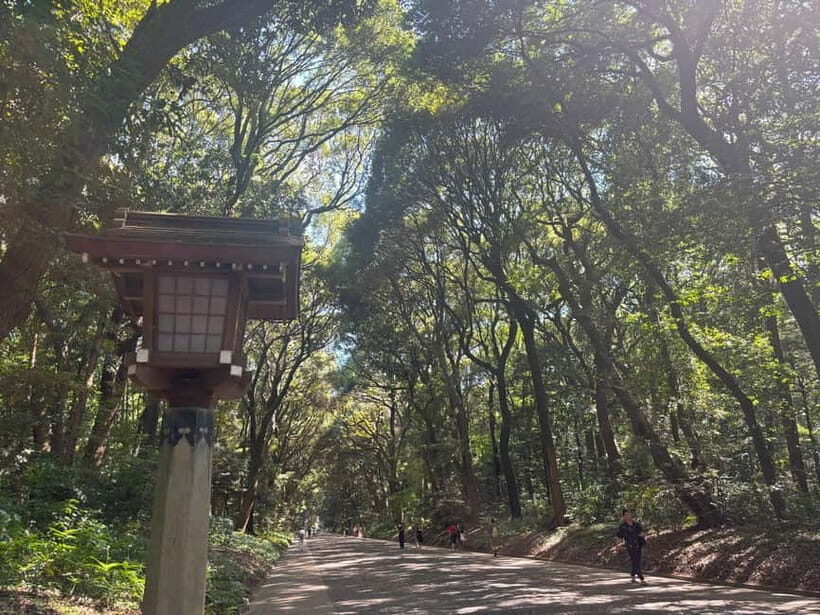
- Meiji Jingu’s forest setting: A big Tokyo sensory shift, from city noise to shrine calm
- Yoyogi Park reset time: Green space for a breather between sightseeing stops
- Takeshita Street fun-factor: Youth fashion, pop culture, and quick snacks
- Omotesando Avenue style check: Modern architecture plus boutiques and cafes
- Small-group flexibility: Private or small group options for a more relaxed walk
- Strong guide impact: Reviews highlight guides like Ritsuko and Aska for lively, clear explanations
Why this Tokyo walk works: shrine calm to street style
Tokyo has plenty of attractions. The hard part is stringing them together so your day feels smooth, not like a checklist. This tour is built for that sweet spot: culture, nature, and fashion all on foot, with just enough structure to keep you oriented.
I like the flow because it actually tells a story. You begin at Harajuku Station, where you’re close to the energy of the neighborhood. Then the first big change hits: you step into the forest approach of Meiji Jingu, and suddenly the city fades. After that mental reset, you’re ready for Takeshita Street’s loud visuals and quick shopping temptations.
The best part is that you’re not choosing between Tokyo’s “traditional” and “modern” personalities. You get both, side-by-side, and you can see how they coexist in real life.
You can also read our reviews of more tours and experiences in Tokyo.



Meiji Jingu: the forest-first introduction to Shinto
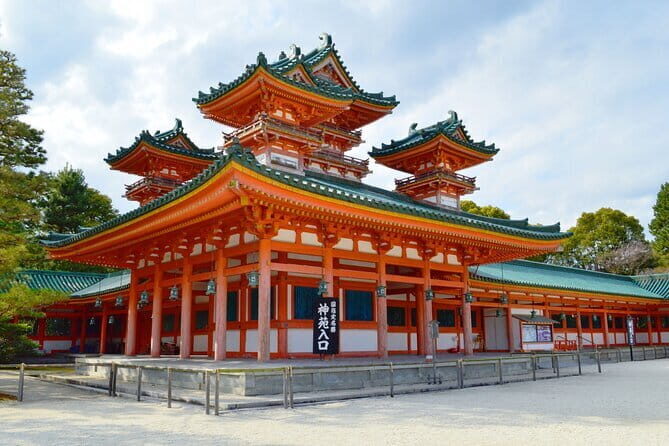
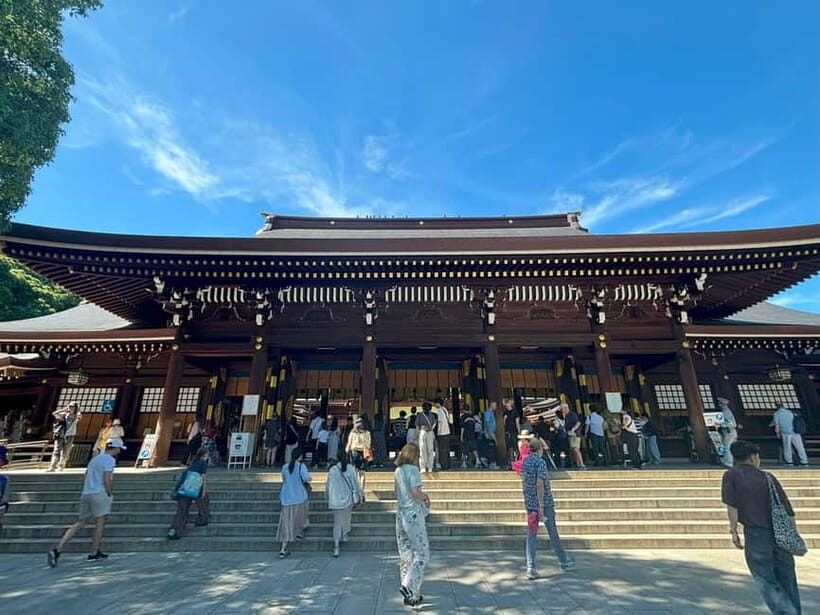
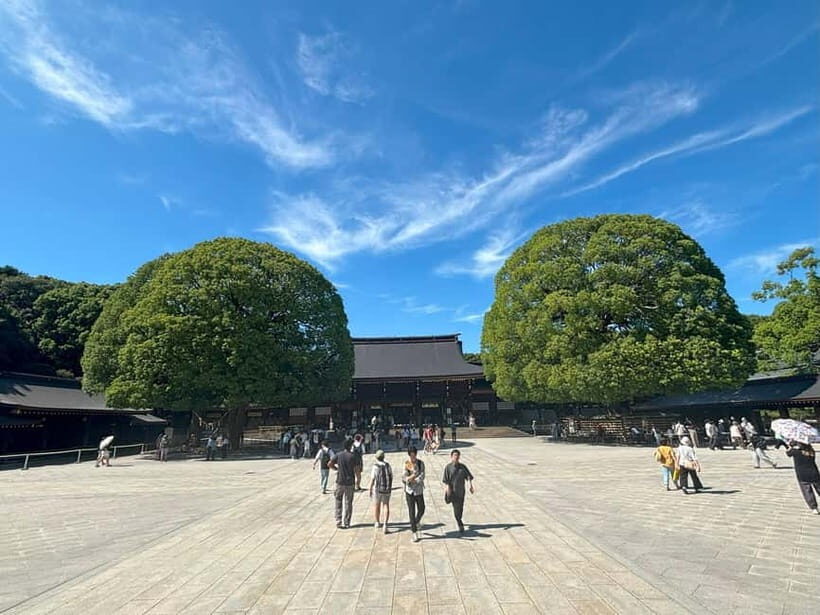
Meiji Jingu is Tokyo’s most famous Shinto shrine, and it starts working on you the moment you enter the shaded grounds. The experience here isn’t about ticking off a photo spot. It’s about noticing the shift in sound and pace as you walk through the trees.
Your guide plays a key role. Several guides are praised for making traditions and rituals feel understandable, not like a lecture. If you’re the type who likes context—why something is done, what it means, how visitors should behave—this stop is where the tour earns its keep.
What you’ll enjoy most
- The walk through a serene forest setting right in the middle of the city
- A chance to see shrine customs in a calm, guided way (instead of guessing)
- Optional extra time if you want museum-style learning during the shrine area
A practical note on the museum
There’s an entrance fee for the Meiji shrine museum: 1,000 yen per person. It’s not included, so decide based on your interests. If you love history and artifacts, it can be a good add-on. If you’d rather stay focused on the outdoor shrine experience, you can skip it.
Yoyogi Park: a green pause that feels local
Right after the shrine, you head to Yoyogi Park, a favorite for people who want a break without leaving Tokyo. This isn’t just “more nature.” It’s a breather stop that helps you reset your attention after a cultural site and before you hit Harajuku’s shopping streets.
I find this kind of pause matters on short tours. Without it, the day turns into a sprint: walk, look, move on. With Yoyogi Park in the middle, the tour gives you time to breathe, take photos, and just watch daily life flow in a relaxed way.





Timing that keeps you sane
You’re given a focused block of time here. That’s useful because Yoyogi Park is big, and it’s easy to get lost in “I’ll just wander for a while” mode. A guided plan keeps it enjoyable rather than exhausting.
Harajuku’s Takeshita Street: pop culture in full volume
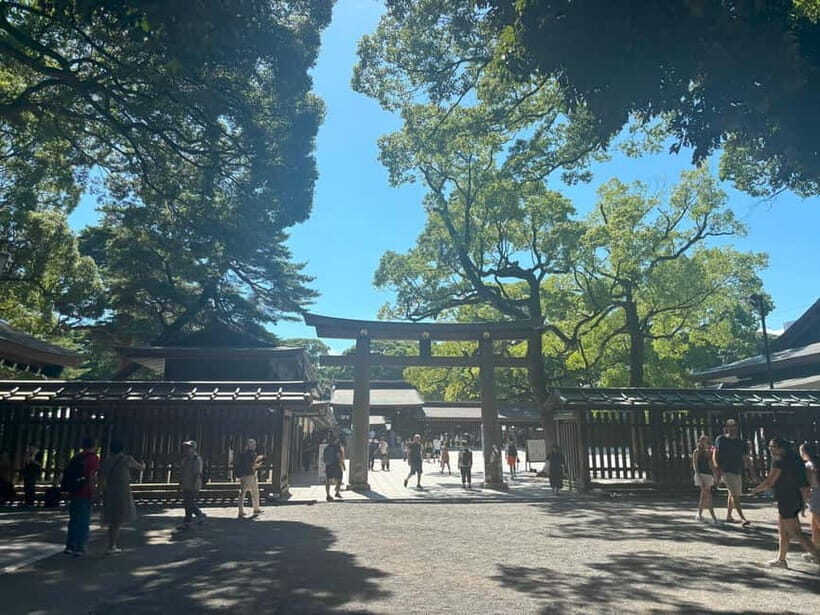
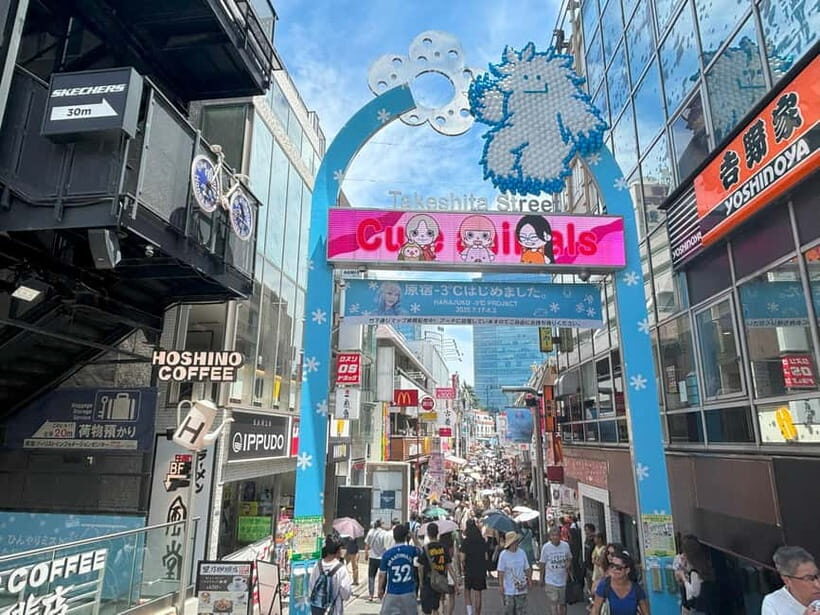
Then comes the fun switch: Takeshita Street. This is the famous hub of Harajuku’s youth fashion and pop culture, and it’s a place where Tokyo’s playful side shows up fast. If you like street-style photos, quirky shops, and quick snack stops, this is your payoff moment.
Takeshita Street is also a good reality check. It’s not subtle, and it’s not meant to be. It’s a snapshot of what’s trendy right now, and the density of shops can feel overwhelming if you’re solo and don’t know where to look.
How the guide helps
A few reviews mention guides showing people around streets and shops they wouldn’t have found on their own. That matters here because Takeshita Street can be repetitive if you just wander randomly. Having someone point you toward the right pockets of interest makes your time more efficient.
Shopping and food expectations
You’ll have time for shopping and sightseeing. The tour doesn’t include meals or beverages, so treat snacks as personal choice. Bring cash or a card you feel confident using, and remember that popular items can sell out quickly during busy times.
Omotesando Avenue: where Tokyo looks polished
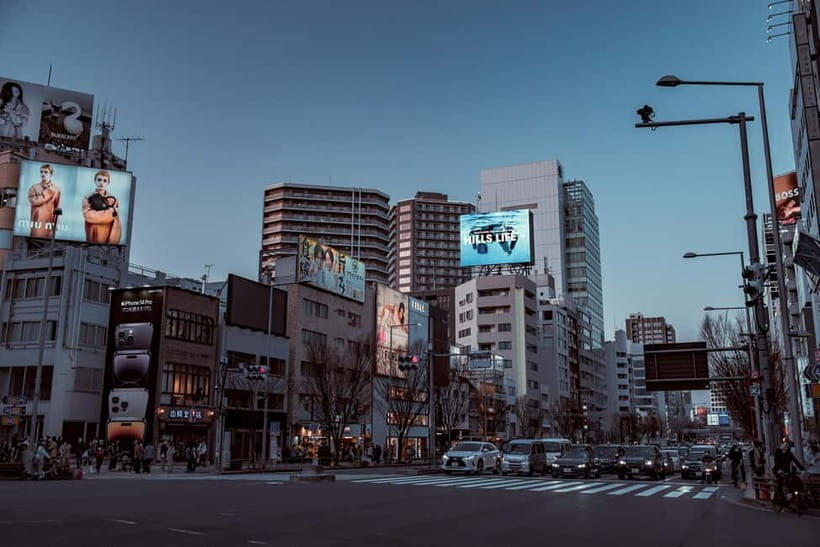
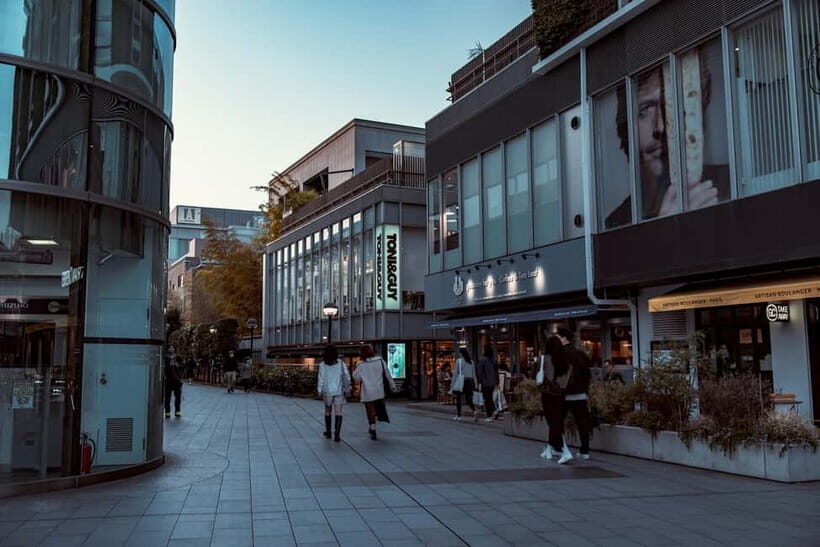
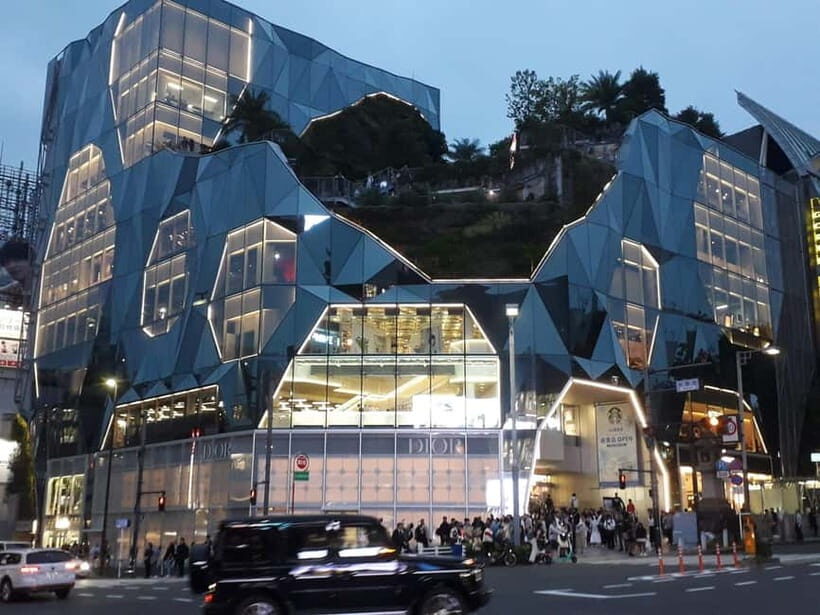
After Harajuku’s energetic chaos, you end in Omotesando Avenue—often compared to a stylish boulevard with modern architecture and boutique shopping. This finish feels like a shift from “street experiment” to “designed city life.”
If you’re a visual person, Omotesando is a great place to wrap up. Even if you don’t buy much, the area makes it easy to slow down and appreciate Tokyo’s modern design language. You also get a chance to choose a cafe or store that fits your taste before you move on.
Why this ending is smart
Tour pacing usually matters as much as the attractions. Ending with a calmer, more stylish district gives you room to decompress and decide what to do next—whether that’s one more stop for photos or a planned meal after the tour ends.
Guides make the difference: what the best reviews highlight
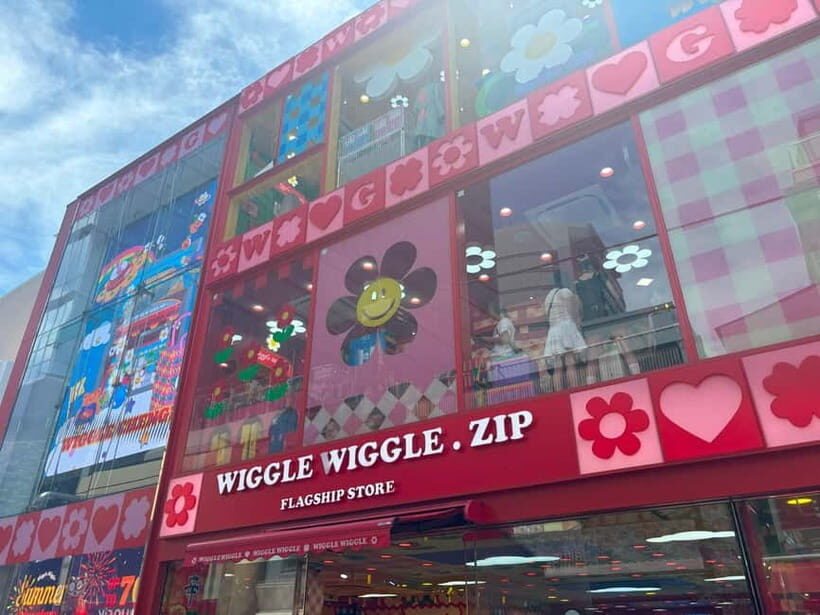
This kind of short tour lives or dies on the guide. The strongest reviews consistently praise the guides for being friendly, professional, and genuinely engaging—especially when it comes to explaining Japanese culture clearly.
Names that come up in feedback include Chit Ng Li, Ritsuko, and Aska. What stands out is that the storytelling doesn’t feel like a script. It feels responsive—able to answer questions and keep the pace moving in a way that works for small groups. One review even highlights a family-group connection, where the guide matched the tone of the group.
If you’re worried that a walking tour will be rigid or overly formal, that’s worth noting. The tone reported in reviews suggests you’ll get information with humor and warmth, not just a list of facts.
Who this tour suits best
This is a great fit if you’re:
- visiting Tokyo for the first time and want a quick, well-balanced slice of the city
- interested in both culture and modern street life
- short on time and want an easy plan for Harajuku and surrounding areas
- the type who enjoys walking with a guide rather than mapping everything yourself
It may not be ideal if you:
- need step-free routes or have mobility limitations, since it’s a walking-focused experience
- have respiratory issues or similar health considerations (this is explicitly listed as not suitable)
- have high blood pressure or want to avoid sustained walking and standing
Value and price: what $36 buys you in Tokyo
At $36 per person for about 3 hours, this is priced for a guided walking experience that prevents decision fatigue. What you’re really paying for isn’t just movement between sights. It’s:
- a clear route from Harajuku into Meiji Jingu and back through the city
- an English-speaking guide who can explain what you’re seeing
- time efficiency—so you spend your limited hours on the right streets and the right order
Also remember the one extra cost potential: the Meiji shrine museum entrance fee (1,000 yen per person) if you add it. Meals aren’t included, so budgeting for snacks or a drink is on you. Still, considering you get multiple major stops in a single afternoon, the value holds up—especially if you’d otherwise spend that time researching and getting lost.
The day plan in plain terms (so you can picture it)
You meet at JR Harajuku Station West Exit. Look for a guide wearing a TripGuru shirt or holding a TripGuru sign. Arriving about 10 minutes early is smart. The guide waits up to 10 minutes, then the walk continues.
From there, the rhythm is straightforward:
1) start near Harajuku
2) head into Meiji Jingu for the forest-shrine experience
3) take a breather in Yoyogi Park
4) jump into Takeshita Street for youth fashion and pop culture
5) finish in Omotesando Avenue for modern shopping and cafes
That’s a compact loop. It’s also a smart loop: each stop contrasts with the next, so you don’t feel stuck in one vibe all day.
What to bring (and how to make it easier on yourself)
Tokyo walking days go better when you’re prepared. The tour suggests practical items, and I agree with all of them:
- Comfortable shoes (non-negotiable)
- Umbrella and sunscreen, because weather can change fast
- Sunglasses for brightness around open streets and parks
- A reusable water bottle so you can stay hydrated without buying extra drinks every time
If you plan to shop, consider bringing a small bag that won’t swing around too much in crowds.
Should you book this Tokyo walking tour?
If you want a short, high-impact afternoon that covers Meiji Jingu’s calm, Yoyogi Park’s reset, Harajuku’s street energy, and Omotesando’s modern style, this is an easy yes. The combination is practical: it groups nearby major sights and reduces the stress of figuring out the order.
I’d especially recommend it if you care about explanations—traditions at the shrine, what you’re looking at on the street, and how the city’s different “faces” connect. Based on the guide-focused praise (including Ritsuko and Aska), you’re likely to get a more human experience than a generic walk.
Hold off only if you can’t do sustained walking or you want a slower pace with more independent wandering. This tour is structured for movement, not for drifting.
FAQ
Where do I meet the guide?
Meet at JR Harajuku Station West Exit. Look for a guide wearing a TripGuru shirt or holding a TripGuru sign.
How long is the tour?
The tour runs for 3 hours.
Is the tour in English?
Yes, the tour offers an English-speaking live guide.
What’s included in the price?
You get the English-speaking tour guide and the 3 hours guided walking tour.
Do I have to pay an entrance fee for Meiji?
The Meiji shrine museum has an entrance fee of 1,000 yen per person, and it is not included.
What should I bring?
Wear comfortable shoes and bring sunglasses, an umbrella, sunscreen, and a reusable water bottle.
How early should I arrive at the meeting point?
Be there at least 10 minutes before the stated meeting time. The guide will wait a maximum of 10 minutes.
Who is this tour not suitable for?
It is listed as not suitable for pregnant women, people with mobility impairments, people with respiratory issues, and people with high blood pressure.
Can I cancel and still get a refund?
Yes. The tour offers free cancellation up to 24 hours in advance for a full refund.
What about meals and drinks?
Meals and beverages are not included, so you’ll want to plan for your own food and drinks.