REVIEW · TOKYO
Asakusa: TOKYO SKYTREE Exploration after History Tour
Book on Viator →Operated by Arumachi · Bookable on Viator
Asakusa feels like Tokyo in slow motion. This tour links classic stops around Kaminarimon and Sensō-ji with a ride up to Tokyo Skytree, so you get context fast and you can relax about timing and directions. I like that it’s built for a smooth afternoon: a guided walk through the neighborhood first, then observation-deck time with shopping right below.
One thing to consider: because the Skytree entry tickets are secured as soon as you book and can’t be changed, you need to be confident about your date. You’ll also cover a small train fare between Asakusa and Skytree on your own.
In This Review
- Key highlights to know before you go
- A 3.5-hour Asakusa-to-Skytree plan that fits your afternoon
- Sumida River edges and Edo isolation at Sumida Park
- Asakusa Culture Tourist Information Center: Buddhism and Shinto, explained simply
- Kaminarimon and Nakamise: dragons, icons, and ukiyo-e you’ll actually notice
- Hōzōmon to Sensō-ji: how prayer differs, with real-world examples
- Asakusa Shrine: a Shinto shrine and a Buddhist temple together
- Tokyo Skytree: two observation decks plus shopping time
- Price and value: what $118.24 is actually buying
- Who should book this Asakusa and Skytree tour
- Should you book this tour?
- FAQ
- FAQ
- How long is the Asakusa and Skytree exploration tour?
- What time does the tour start, and where does it meet?
- Where does the tour end?
- Are Tokyo Skytree observation deck tickets included?
- Do I have to pay for the train between Asakusa and Skytree?
- How large is the group?
- Is there audio support during the walk?
- Is the tour refundable or can the Skytree ticket date be changed?
- What if the tour is canceled because the minimum number of travelers isn’t met?
Key highlights to know before you go
- Small group size (max 8) keeps the pace easy and questions on topic.
- Two-deck Skytree combo tickets included so you don’t scramble for reservations later.
- Headsets for groups of 3+ help you hear the guide clearly even when walking a bit away.
- Temple-and-symbol stops you can actually use (dragons, Buddhist icons, prayer differences).
- A friendly, question-ready guide experience with guides like Taka, Junko Yamashita, Sue, and Keiko leading this tour on different days.
- Time for shopping at the Skytree complex after you’ve seen the views.
A 3.5-hour Asakusa-to-Skytree plan that fits your afternoon
This is a 3 hours 30 minutes guided outing that starts at 1:30 pm. You’ll meet at 2-chōme-20-6 Kaminarimon, Taito City, then finish at Tokyo Skytree at Oshiage (end point: Tokyo Skytree1-chōme-1-2). The route is designed so you can do something meaningful without turning your day into a logistics project.
Group size is capped at 8 people, which matters in a place like Asakusa where sidewalks can get crowded. In my experience, small groups move more smoothly and you’re less likely to feel like you’re herding cats. And if you’re traveling as a group of three or more, you’ll each get headsets so you can hear the guide’s voice without constantly playing catch-up.
You’re also not paying for hotel pickup here, so arrive a little early and plan to use public transit to reach Kaminarimon. The tour itself handles the sequence of sights and the trip toward Skytree, but you’ll cover one short train fare on your own.
You can also read our reviews of more historical tours in Tokyo
Sumida River edges and Edo isolation at Sumida Park
Your walk begins at Sumida Park, right along the river. This is a smart warm-up stop because it gives you a geographic anchor before you start hopping from gate to temple. The guide explains why Japan spent more than 200 years in an isolation period under the Edo shogunate, and how contact was limited—particularly with the Netherlands.
Even if you’ve read a few history basics before, this kind of framing changes how you look at everything after it. Instead of treating Asakusa as a set of photo stops, you start noticing how trade, contact, and worldviews shaped Japanese culture—and how that shows up in art, religion, and daily life.
What I like here: you’re not dropped into the crowds immediately. You ease in, get the story started, then walk toward the iconic gates and temples with better context.
How to be ready: expect a short outdoor stretch, so bring layers you can adjust and something for rain if the forecast looks iffy.
Asakusa Culture Tourist Information Center: Buddhism and Shinto, explained simply
Next comes a stop at the Asakusa Culture Tourist Information Center. This is one of those “small but powerful” moves. The guide sets you up to understand the two major religions you’ll see all day—Buddhism and Shinto—and how their symbols and behaviors differ in daily practice.
Why this matters: later you’ll be standing in front of places where both traditions intersect. Without a quick primer, it’s easy to think it’s just aesthetic variety. With the primer, you start recognizing patterns: offerings, worship styles, and what people might be doing differently depending on the space.
This is also where you’ll likely hear the guide connect historical thinking to the present. And since you’re in a small group, it’s easier to ask a question without feeling like you’re interrupting a whole bus.
Kaminarimon and Nakamise: dragons, icons, and ukiyo-e you’ll actually notice
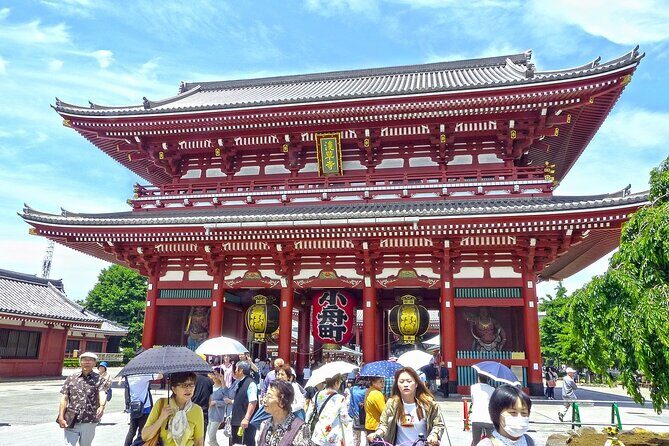
At Kaminarimon, you hit the most famous gate in Asakusa. The guide calls attention to the dramatic dragons and explains the contrast between Japanese and Western dragon symbolism—specifically how their roles are treated in opposite ways. It’s the kind of detail you’d miss if you’re just taking a quick picture while walking.
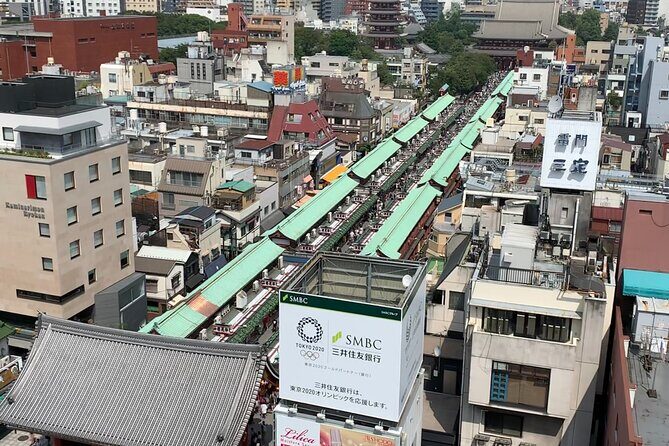
Then you move into Nakamise Shopping Street, which runs right from the Kaminarimon side. This part is for browsing, but you’re not browsing blindly. The guide points out Buddhist symbols such as the vajra (tokko) and connects the visual culture you see in shop displays to the influence of ukiyo-e woodblock prints.
You can think of Nakamise as your “translation layer.” The snacks, souvenirs, and trinkets aren’t random. The symbols and artwork tell you what themes mattered to people—especially what was popular and portable through print.
A practical tip: take your time here, but don’t let it swallow your whole afternoon. Shopping is easier when you still have your Skytree plan intact.
Hōzōmon to Sensō-ji: how prayer differs, with real-world examples
From there, the tour leads you to Hozomon and then Sensō-ji Temple. At Hozomon, you’ll hear a surprising comparison about how people in Japan and the West thought in similar ways about a thousand years ago. That sounds abstract until the guide ties it back to the kind of ideas you can recognize when you look at temple design and religious rituals.
Then you reach Sensō-ji, Tokyo’s oldest Buddhist temple. Here, the guide keeps returning to the theme of comparison—medieval Japan versus Europe—while also focusing on the big practical point: how prayer functions differently in Buddhism and Shinto. You’re not just hearing facts. You’re learning a lens you can use while people around you pray or make offerings.
In one highlight from past tours, guides have been careful about pacing and respect at worship spots, including being sensitive when guests want to participate in prayer in their own way. That matters. Temple visits feel better when you’re not treated like you’re speed-walking through someone else’s sacred space.
What I like: Sensō-ji is one of those places where crowds can make it hard to read the “why.” A guide helps you slow down just enough to see it.






Asakusa Shrine: a Shinto shrine and a Buddhist temple together
The tour ends the walking portion at Asakusa Shrine. This is a powerful stop because the guide explains why a Shinto shrine and a Buddhist temple share the same grounds and have done so peacefully for over a millennium.
This is where the earlier religion primer becomes useful. Instead of treating the shrine-temple mix as a tourist curiosity, you understand it as a long-running social and spiritual reality. People have navigated both traditions here through generations, and the spaces reflect that history.
If you’re the type who likes details: this stop is where you’ll probably remember the explanations most clearly. It’s also a nice “quiet-down” moment before the energy level ramps up again for Skytree.
Tokyo Skytree: two observation decks plus shopping time
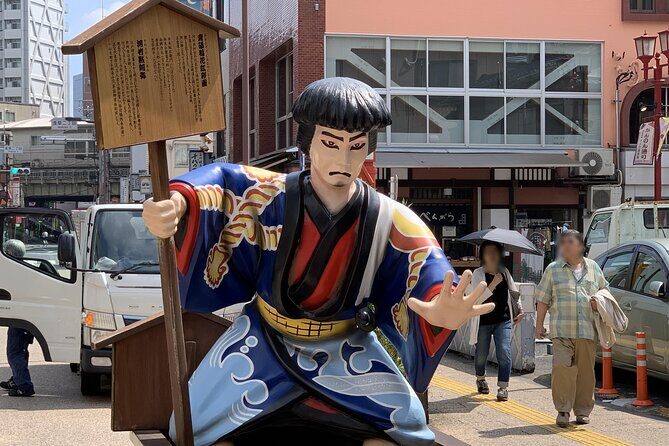
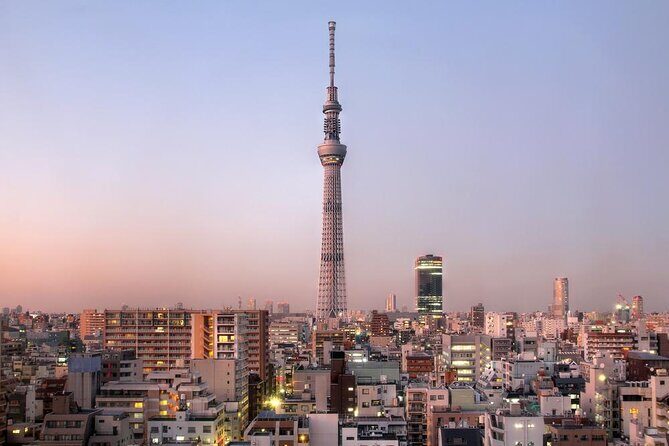
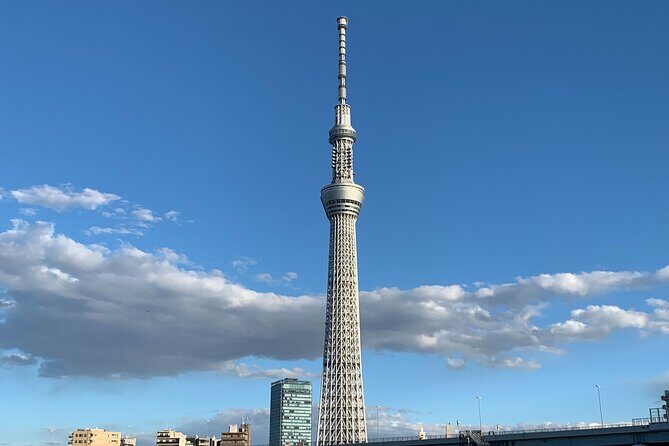
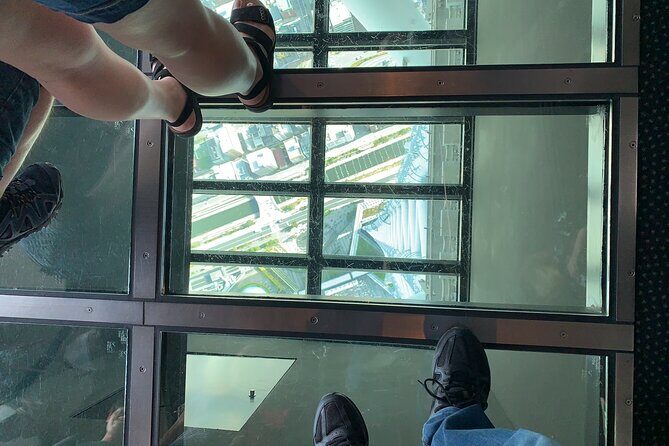
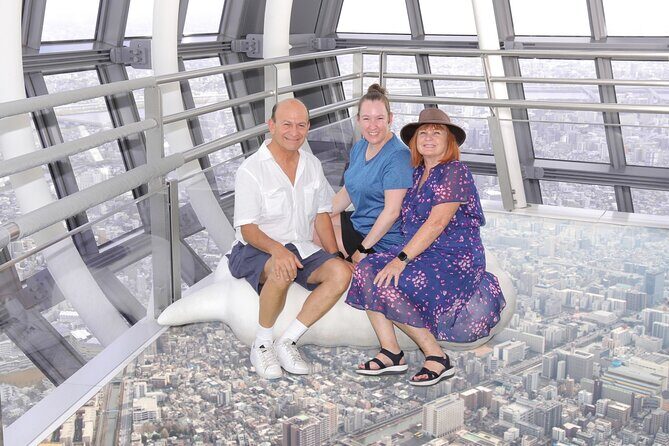
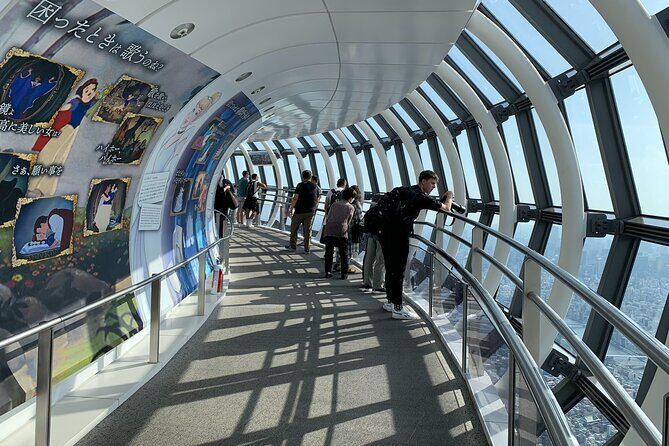
After the temple-and-street portion, you take a short train ride to Tokyo Skytree, the tallest structure in Japan. The tour includes combo tickets for both the upper and lower observation decks, which is a real value because you’re covering two deck experiences instead of just one.
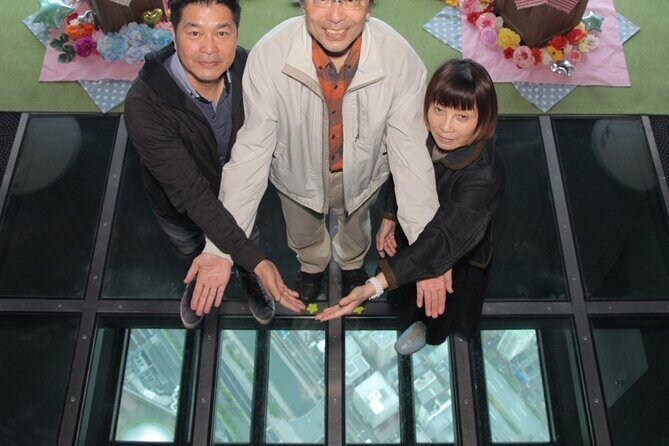
Once you’re up there, the point is simple: you get a high, sweeping view of Tokyo, and you can take photos from angles that feel very different from ground level. Views can be best when you give yourself a few minutes to just look, not just snap.
Then the tour shifts gears. You get time for shopping and dining at the Skytree complex below. This is a great use of time because you don’t have to plan a separate stop afterward. If you want souvenirs, snacks, or a place to sit for a bit, it’s all there.
One cost note: the train fare (JPY 160) from Asakusa Station to Tokyo Skytree Station is not included, so keep a little cash or a transit card balance ready.
Price and value: what $118.24 is actually buying
At $118.24 per person, this isn’t a budget-only option. The value comes from a few specific things that add up:
- Skytree admission is included, and it covers both upper and lower decks.
- You’re getting a guided walk across multiple key Asakusa landmarks, not just a straight sightseeing list.
- The tour is capped at 8 people, and you get headsets if your group is 3+.
- The guide does interpretation work: religion context, symbolism (dragons, vajra), and the “why” behind what you’re seeing.
If you’re traveling solo and you would otherwise need to buy observation-deck tickets and figure out the route on your own, the cost makes more sense. If you’re the kind of traveler who likes self-guided exploration and already knows Asakusa well, you might decide a free-and-flex approach works better. But for most people, the included tickets plus the guided context is what turns this from a simple outing into a smoother, more educational afternoon.
Also, Skytree tickets sell quickly, so the operator purchases them as soon as your booking is made. That’s why the date is locked once you reserve.
Who should book this Asakusa and Skytree tour
This is a strong fit if you want a clear plan and less mental load. It’s especially good for:
- Families who want a guided pace through Asakusa’s highlights without losing kids in crowds
- History and culture lovers who enjoy explanations tied to real symbols and places
- Question-makers—past guides like Taka, Junko Yamashita, Sue, and Keiko have led this tour with friendly, attentive interaction and a pace that doesn’t feel rushed
- People who want a respectful temple experience, with guidance that helps you move appropriately around worshippers
If you dislike structured tours and prefer wandering with no schedule, this might feel a bit tight. It’s also wise to consider weather since a big chunk is walking around open areas and streets.
Should you book this tour?
If you want Asakusa with context—and you also want Skytree without ticket stress—this is a smart, efficient combo. The small group size, the headset option, and the fact that two-deck Skytree tickets are included make it feel like you’re paying for convenience plus interpretation, not just for walking alongside someone.
I’d book it if:
- you’re going on a fixed date and can commit once tickets are locked,
- you want a guided route through temples and shopping streets,
- and you’d rather learn the “why” while you’re standing there.
I’d skip (or compare options) if:
- you’re unsure you’ll keep your date,
- you already know Asakusa deeply and just want a view and a snack stop,
- or you’re traveling with a group that wants total freedom every minute.
FAQ
FAQ
How long is the Asakusa and Skytree exploration tour?
It lasts about 3 hours 30 minutes.
What time does the tour start, and where does it meet?
It starts at 1:30 pm. The meeting point is 2-chōme-20-6 Kaminarimon, Taito City, Tokyo.
Where does the tour end?
The tour ends at Tokyo Skytree, at 1-chōme-1-2 Oshiage, Sumida City, Tokyo.
Are Tokyo Skytree observation deck tickets included?
Yes. You receive combo tickets for both the upper and lower observation decks.
Do I have to pay for the train between Asakusa and Skytree?
Yes. Train fare of JPY 160 from Asakusa Station to Tokyo Skytree Station is not included.
How large is the group?
The tour has a maximum of 8 travelers.
Is there audio support during the walk?
For groups of 3 or more, the tour includes headsets for each participant so you can hear the guide clearly.
Is the tour refundable or can the Skytree ticket date be changed?
No. The activity is non-refundable and the date can’t be changed because the Skytree tickets are bought once you book.
What if the tour is canceled because the minimum number of travelers isn’t met?
If the minimum isn’t met, you’ll be offered a different date/experience or a full refund.
If you want, tell me your travel dates and whether you’re going solo or as a family. I can help you sanity-check whether this fixed-date Skytree ticket setup matches your plans.