REVIEW · KANAZAWA
Make original accessories with Mizuhiki, experience Kanazawa’s traditional craft
Book on Viator →Operated by Mizuhiki Accessory Workshop Kanazawa Kurumi · Bookable on Viator
A paper-cord craft turns into jewelry fast. In Kanazawa, this small-group workshop teaches mizuhiki, a traditional art where twisted paper becomes wearable accessories, and you can finish with pieces you’ll actually use. I like that you’re not stuck with one generic souvenir. You can choose what you make, from earrings to a necklace or even a hair accessory.
What I also like is the color choice: 50+ shades lets you match your style instead of settling for whatever’s left. One thing to consider: this is detailed work, so if you’re going with kids under 10, they may find the fine twisting a bit tough.
In This Review
- Key points that make this workshop worth your time
- Kanazawa’s Mizuhiki: Paper Cord That Turns Into Real Jewelry
- From Meeting Point to Finished Accessories: How the 2-Hour Workshop Works
- Choosing Earrings, a Necklace, or a Hair Accessory (and Matching Them to Your Style)
- The Color Wall: Picking From 50+ Shades Without Overthinking
- Skill Level, Glasses, and Who This Workshop Fits Best
- Price and Logistics: What About $50 Really Buys You
- Small-Group Help: Why Max Four Changes the Experience
- Take-Home Practicalities: Packing, Wearing, and Gifting
- Should You Book This Mizuhiki Workshop in Kanazawa?
- FAQ
- What can I make in the mizuhiki workshop?
- How long is the workshop?
- What is the group size?
- Where do we meet for the workshop?
- Do I need to bring anything?
- What payment method is accepted?
Key points that make this workshop worth your time
- Small-group setup (max 4) for hands-on help when your fingers get stuck on the twist
- Pick your accessory: earrings and necklace are the basic course, with options like brooch or hair accessory
- 50+ mizuhiki colors so you can make something that feels like you
- Take-home pieces that pack easily and make genuinely personal gifts
- Good “starter craft” challenge for adults who want skill + a finish product in about two hours
Kanazawa’s Mizuhiki: Paper Cord That Turns Into Real Jewelry
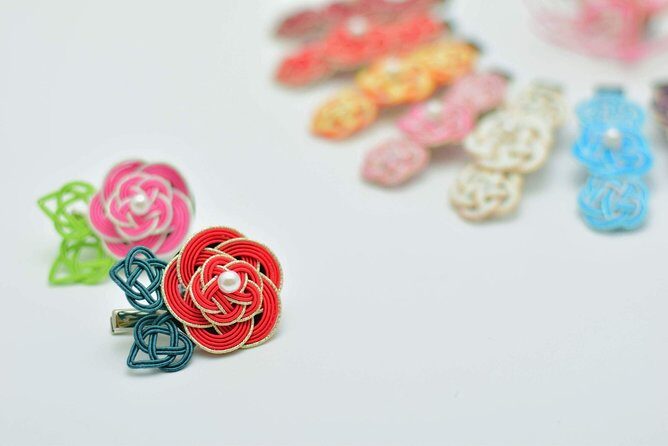
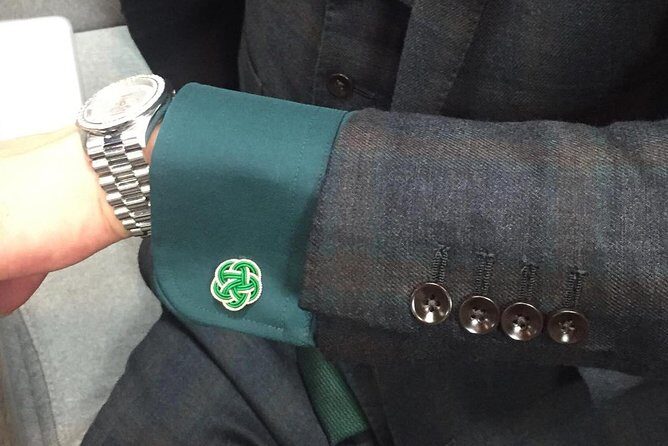
Mizuhiki is one of those crafts that sounds simple until you try it. It’s made from Japanese paper twisted into cords, then shaped into decorative forms. In Kanazawa, it’s not just a hobby craft. It has a traditional role in celebrations like engagement and marriage, and it’s often tied to the idea of good luck.
What makes the workshop fun is the direct payoff. You’re not studying a technique for weeks. In about two hours, you’re making something you can wear or gift. That matters because souvenir shopping in Japan can get repetitive fast—this gives you a skill and an object, both.
Also, mizuhiki accessories are light. That’s a real advantage if you’re carrying luggage and trying not to pack fragile glass figurines. These pieces are meant to be worn, taken home, and used again.
You can also read our reviews of more tours and experiences in Kanazawa.



From Meeting Point to Finished Accessories: How the 2-Hour Workshop Works
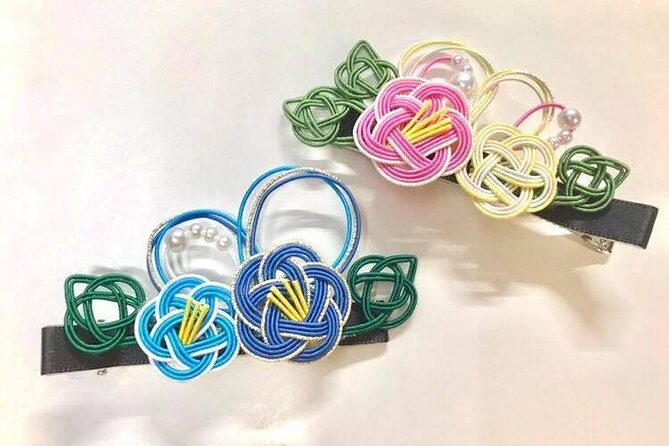
Your experience starts at 1-15 Yasuechō, Kanazawa, Ishikawa 920-0854, and it ends back there. It’s a straightforward set-up: you meet, learn the method, make your accessory, and leave with the finished pieces.
Here’s how the session typically feels in practice:
You’ll begin with an overview of how mizuhiki “cords” are handled—how they’re guided into shape, how tightness affects the look, and how to keep your work neat. Since this is detailed, don’t expect a casual, watch-and-copy class. You’ll be doing the twisting and shaping.
Next comes choosing your build. The basic course is designed around earrings and a necklace, so you’ll likely start with those if you go with the standard option. If you want a different result, you can choose other items such as a brooch or a hair accessory.
Then you work through each step until the accessory takes its final form. You can think of it as a craft “sequence”: prepare, twist/shape, secure, and refine the look. The pace stays friendly, but it’s still precise work.
Finally, you’ll leave with your completed accessory and the satisfaction that you made it with your own hands—plus the relief that you didn’t have to transport a heavy art object on the train.
Tip I’d give you: bring glasses if you need them. The work involves close-up attention, and the twisting details can be hard if your vision isn’t sharp.
Choosing Earrings, a Necklace, or a Hair Accessory (and Matching Them to Your Style)
The workshop is built around the idea that mizuhiki looks best when it’s personal. That’s why you get choices, not just instructions.
Most people start with the earrings and necklace plan. Earrings are a smart choice because they show the mizuhiki style clearly and they’re easy to wear after the workshop. A necklace also works well if you want something you can dress up or down—especially because mizuhiki pieces are light.
If you prefer something less jewelry-forward, you can opt for a brooch or a hair accessory. Those are practical if you’re traveling with limited wardrobe space. Hair accessories can refresh your look without needing extra clothing. A brooch is great for bags or coats, too, depending on what you’re wearing back home.
One more detail I appreciate: mizuhiki matches many outfits. It’s not “one-trend” craft jewelry. The shapes and cord textures can read as delicate and understated, especially when you pick colors that fit your personal palette.
Before you decide, think about where you’ll actually wear it. If you rarely wear necklaces at home, go earrings or hair. If you like styling details, hair accessory or brooch can be more satisfying.
The Color Wall: Picking From 50+ Shades Without Overthinking
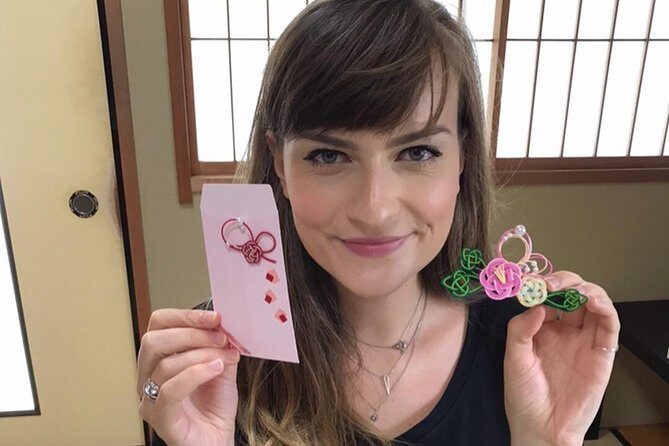
You can pick your favorite colors from more than 50 mizuhiki colors. That’s wonderful—also a little dangerous for decision-making.
Here’s a simple way to choose that won’t slow you down during the workshop:
- Pick one color you genuinely love
- Pick a second color that supports it (a lighter companion, a darker accent, or a neutral-like tone)
- If you’re unsure, go with colors you already wear often in your day-to-day life
Because the pieces are light and meant to match outfits, your choice will matter more than with heavier souvenirs. If you choose colors you’ll never wear, you’ll end up with a nice handmade craft that stays in a drawer.
Also, the color options help you make this feel less like a generic activity and more like a mini personal project. You’re not just following steps—you’re designing.
Skill Level, Glasses, and Who This Workshop Fits Best
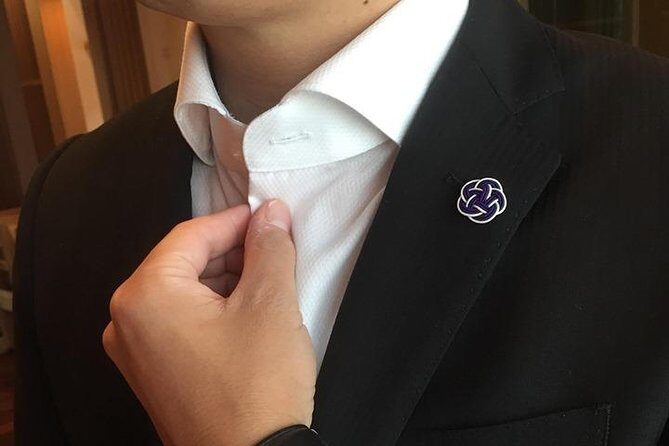
This is hands-on, detailed work. That’s the whole point. You’ll twist and form the paper cords into an accessory, which requires patience and steady finger control.
The workshop includes a helpful note: mizuhiki may be too difficult for children under 10. If you’re traveling as a family, consider age carefully. Kids who love arts-and-crafts might still struggle with the twisting precision. Older kids with steady fine motor skills will likely handle it better.
For most adults, it’s approachable. The experience says that most people can participate, and the class format is small enough to get support when you hit a snag.
Bring:
- Glasses if you need them for close work
- A calm mindset for precision tasks (you don’t have to be fast)
It also helps to go in with realistic expectations. You might not get your first attempt perfect-looking. That’s normal. The craft is built around careful tightening and shaping—your final look improves as your hands get used to the cord.
If you want a break from “walking for hours” sightseeing, this is a nice swap. Two hours of focused making can be a relief, especially in busy travel days.



Price and Logistics: What About $50 Really Buys You
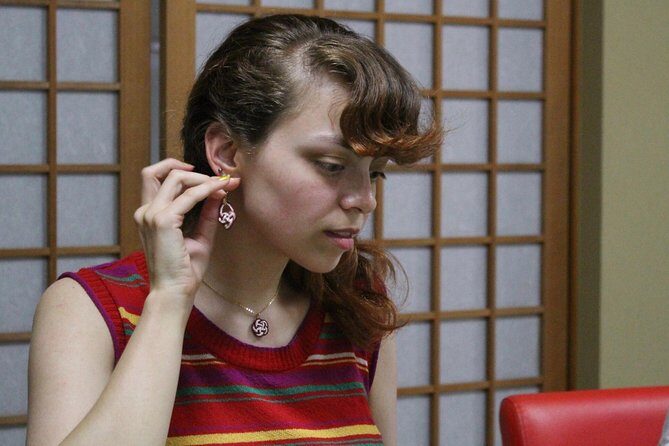
The price is $50.17 per person for about 2 hours, and it’s booked through TripAdvisor with a mobile ticket. In plain terms: you’re paying for instruction, guidance through a traditional craft, and the chance to take home wearable or giftable accessories you made yourself.
Is it worth it? For me, it comes down to two things:
- Do you want a usable souvenir, not just a shop-bought trinket?
- Do you enjoy making something, even if it’s detail-heavy?
If yes, this feels like a solid use of time. You’re not spending the whole day in a store. You’re doing a skill that’s tied to Kanazawa’s identity and you’re leaving with something light, personal, and easy to pack.
A couple practical points to keep in mind:
- It runs on Saturdays, Sundays, and Japanese national holidays
- It’s best to reserve ahead. On average, it’s booked about 80 days in advance
- It’s a small-group workshop with a maximum of four
- Please book with two or more people. If you’re one participant, the workshop will be cancelled
Also, payment is credit card through TripAdvisor. You won’t want to show up expecting to pay in cash.
Small-Group Help: Why Max Four Changes the Experience
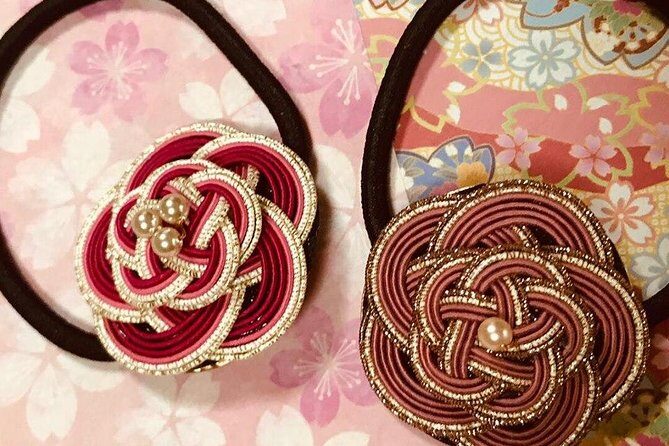
The class is limited to 2 to 4 people, and it’s described as private for your group. That matters more than people think.
In larger workshops, you might spend time waiting for correction, or you might copy steps without fully understanding what to adjust. With a small group, your instructor can likely help you correct twisting and shaping while you’re still in the learning phase.
It also means you can ask practical questions like:
- How tight should the twist feel?
- What does “neat” look like at this stage?
- How do you prevent your cord from looking uneven?
Even if you’re calm and confident, those micro-adjustments can be the difference between jewelry that looks casual versus jewelry that looks intentional.
This small size is also a nice comfort factor. You’ll be focusing on the craft, not competing for attention.
Take-Home Practicalities: Packing, Wearing, and Gifting
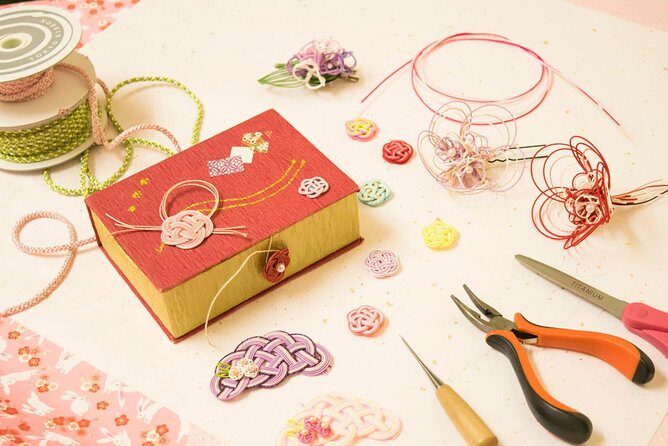
One of the strongest reasons mizuhiki makes a great souvenir is the physical reality of it. These accessories are light. You can take them home without needing special packing like you’d for fragile ceramics.
They’re also meant to match outfits. That’s why earrings, necklaces, brooches, and hair accessories are such good choices. They aren’t just symbolic objects. You’ll see them in daily life.
For gifting, mizuhiki has an extra layer of meaning. Since it has ties to celebratory occasions and good luck, it’s not just “random Japan craft.” It’s the kind of present that feels thoughtful and personal because you made it.
If you’re traveling with limited luggage, you’ll appreciate that mizuhiki doesn’t demand a big space commitment. It’s also relatively easy to pack and transport compared to heavier crafts.
If you’re wearing the finished piece right away, think about how your accessories match what you’ll do that day. Earrings and hair accessories are usually the easiest to wear immediately, while necklaces can depend on your outfit neckline.
Should You Book This Mizuhiki Workshop in Kanazawa?
Book it if you want a hands-on Kanazawa experience with a real end product. This workshop hits a sweet spot: traditional craft, short time commitment, small group attention, and wearable take-home results.
Skip or reconsider if you’re very short on time, don’t enjoy precise crafts, or you’re bringing a younger child under 10 who may struggle with fine twisting. Also, plan ahead for group availability, since booking with only one participant can lead to cancellation.
If you want something more personal than shopping—and you like the idea of making a light accessory in a traditional style—this is a strong choice in Kanazawa.
FAQ
What can I make in the mizuhiki workshop?
The basic course focuses on earrings and a necklace. Other options may include a brooch or a hair accessory.
How long is the workshop?
The experience lasts about 2 hours.
What is the group size?
The workshop is small-group with a maximum of four people, and the experience capacity is 2 to 4.
Where do we meet for the workshop?
The meeting point is 1-15 Yasuechō, Kanazawa, Ishikawa 920-0854, Japan, and the activity ends back at the same meeting point.
Do I need to bring anything?
If you need them for close work, bring glasses. Mizuhiki work is detailed.
What payment method is accepted?
Payment is accepted by credit card through TripAdvisor.