REVIEW · NAGOYA
Nagoya: Samurai Kendo Practice Experience
Book on GetYourGuide →Operated by Park for us Co.,Ltd · Bookable on GetYourGuide
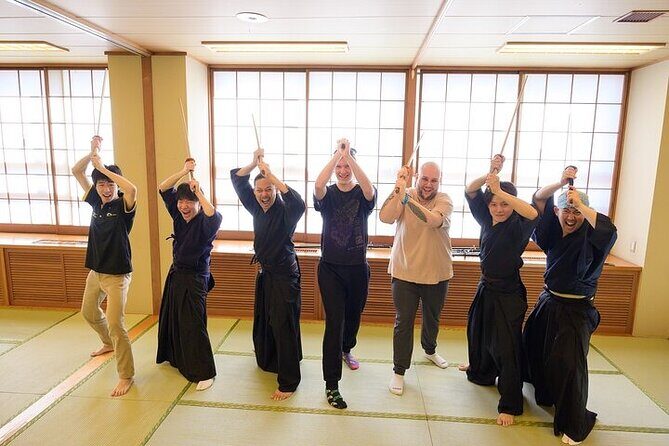
Kendo in armor turns practice into a workout. In Nagoya, you step into a real dojo rhythm for bamboo-sword training, starting with etiquette and moving toward controlled fighting while wearing kendo armor and getting English-and-Japanese coaching. You get a session that feels serious, but beginner-friendly.
Do plan for one catch: eye-wear. The head protector makes glasses difficult, and spectacles can be damaged, so contact lenses are the safer plan.
In This Review
- Key Reasons This Kendo Session Is Worth Your Time
- Why Kendo Practice in Nagoya Feels More Real Than a Demo
- Getting There: Kasugai Station Meeting Point and What 40 Minutes Means
- The 2-Hour Flow: From Etiquette to Wearing the Gi (and Getting Ready)
- Putting On Full Kendo Gear: Why the Equipment Part Matters
- Bamboo Sword Training: Footwork, Distance, and Safe Striking
- The Coach and Interpreter Support: How You Learn Faster
- Value and Price: What $116 Buys You (and What You Should Check)
- Who This Fits Best (And Who Might Want to Adjust Expectations)
- Practical Tips Before You Go (Small Things That Save Your Session)
- Should You Book Samurai Kendo Practice in Nagoya?
- FAQ
- Is the kendo armor and equipment included?
- What languages are used during the practice?
- How long is the kendo experience?
- Where do I meet the instructor?
- What extra items are included besides the instruction?
- Should I wear glasses during the session?
Key Reasons This Kendo Session Is Worth Your Time
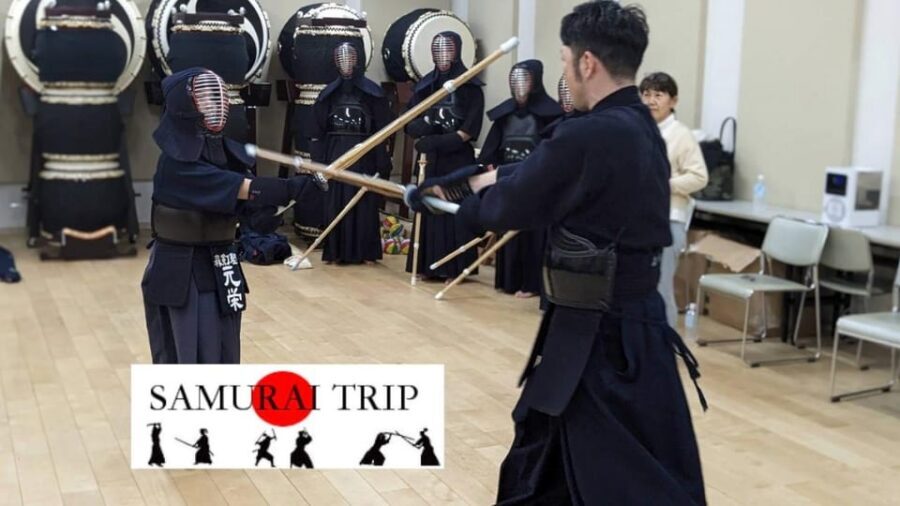
- Full armor practice, so it feels like the real thing, not a performance
- Beginner guidance inside a strict etiquette culture, so you know how to behave and what to do
- Real sparring basics with Japanese terminology, which makes the drills click faster
- Instructor support in English and Japanese, plus an interpreter when needed
- Free extras that actually help: mineral water and a Japanese hand towel
Why Kendo Practice in Nagoya Feels More Real Than a Demo
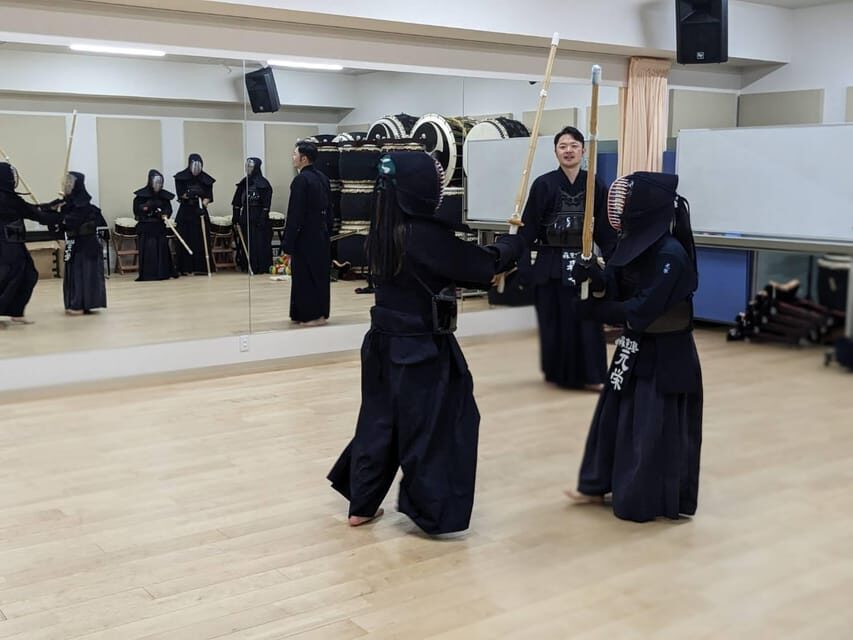
Kendo is one of the few martial arts where you can practice genuine fighting movements without needing to punch or go full chaos. That matters in a beginner experience. You’re not just watching. You’re wearing the gear, learning the guard, then practicing the striking and footwork that make kendo work as a sport and a discipline.
What I like about this setup is how it mixes calm dojo behavior with physical effort. You get the sense of quiet rules and respectful training, but you also get the sweat. One reviewer even summed it up as a great workout and genuinely fun time, which matches the spirit of kendo: controlled intensity, not showboating.
The other strong point is instruction quality with language support. You get coaching in English and Japanese. Plus, there’s interpreter support when it’s helpful, and that makes your learning faster and less stressful when you’re figuring out basics like stance, distance, and terminology.
You can also read our reviews of more tours and experiences in Nagoya.
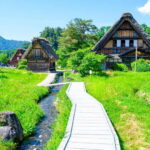

Getting There: Kasugai Station Meeting Point and What 40 Minutes Means
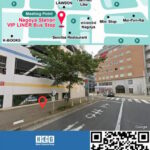
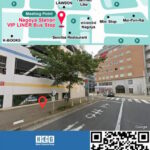
You meet at JR Kasugai Station, North Exit, specifically in front of the car terminal, not the bus area. It’s the kind of detail that saves time, because Japanese station exits can look similar at first glance.
From Nagoya Station, it’s about 40 minutes by JR Chuo-honsen Line (Central Line). That’s close enough that you can realistically fit the session into a Nagoya day without turning your schedule into a sprint. Still, give yourself a little buffer, because dojo-style activities start when they start.
Once you’re at the meeting point, the experience is guided from there. You’re not left to figure out how to get into the training space or what to do first.
The 2-Hour Flow: From Etiquette to Wearing the Gi (and Getting Ready)
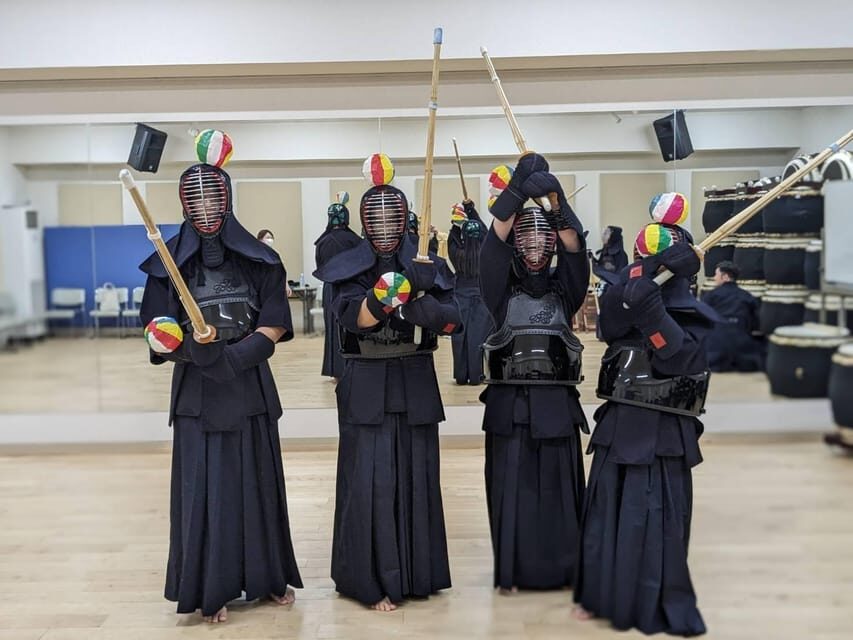
This is a 2-hour practice session. The training time is the main event, but the full program can run a little over or under depending on how things go on the day. So plan your day so you’re not racing to your next reservation.
Here’s the rhythm you can expect:
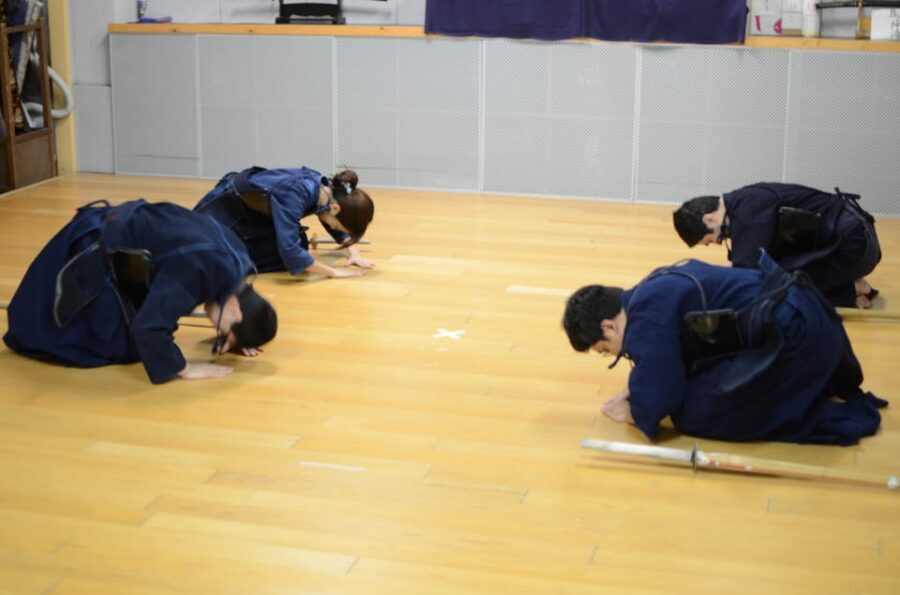
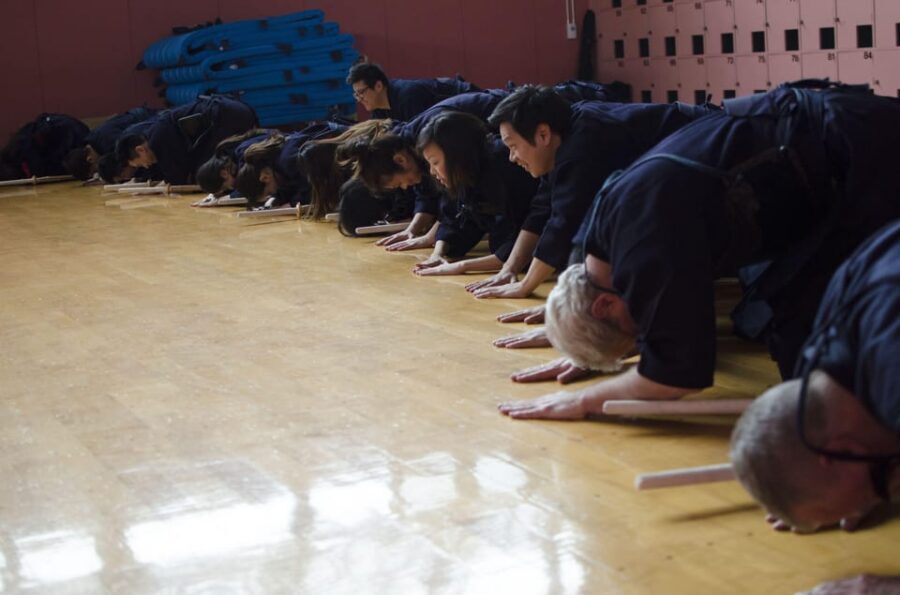
- You’ll start with instruction about how kendo works in a dojo setting.
- You’ll get help getting into the proper training clothing and then fitted for equipment.
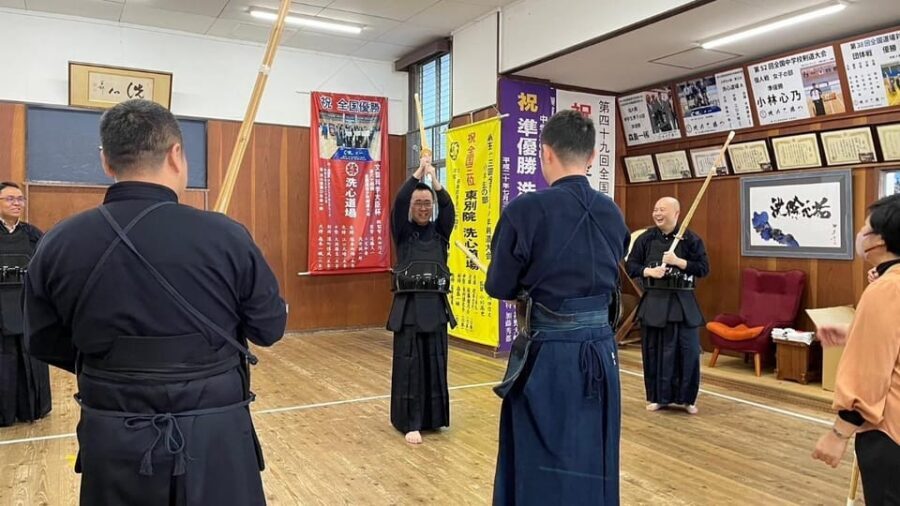
- Then you move into bamboo-sword practice, with attention to basics first.
One thing that stood out in real feedback: people received practical help getting ready. If you’re used to traveling light and don’t have martial-arts experience, that kind of assistance matters. Review notes included getting help putting on the gi, which is exactly what you want at the start.
Putting On Full Kendo Gear: Why the Equipment Part Matters
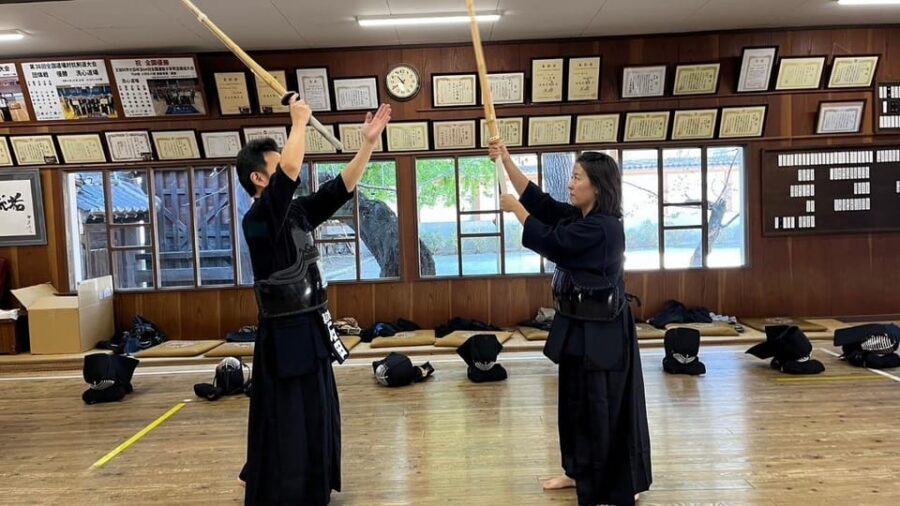
Wearing full kendo armor isn’t a gimmick here. It’s part of learning. When you put on the protective headgear and armor, your brain shifts from casual movement to proper technique. Your body learns boundaries: how to move safely, where to place your feet, and how to manage distance when you strike.
You should also know what the experience expects from your clothing:
- Bring or wear loose fitted exercise clothing if you can.
- If kendo wear isn’t available in the right size, you might be asked to practice using your own clothing.
Also, plan for your hydration. Mineral water is included, and there’s a hand towel gift, but drink isn’t otherwise provided, so bring your own if you get thirsty.
And here’s the practical safety note: avoid spectacles during headgear use. The training gear can make glasses hard to wear, and damage is possible. Contact lenses are the safer choice.
Bamboo Sword Training: Footwork, Distance, and Safe Striking
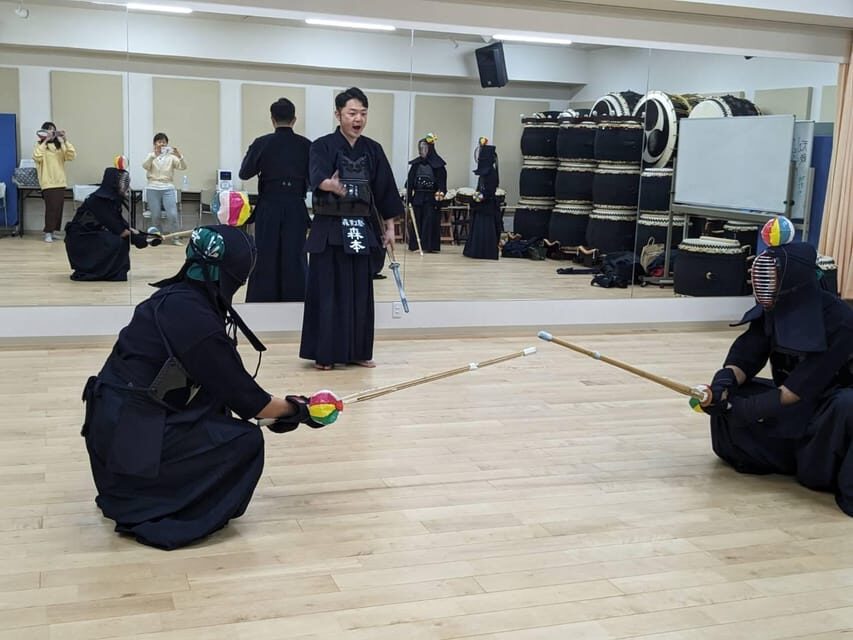
Kendo training has a specific logic. You don’t win by swinging hard. You win by controlling:
- timing,
- footwork,
- and the correct striking path.
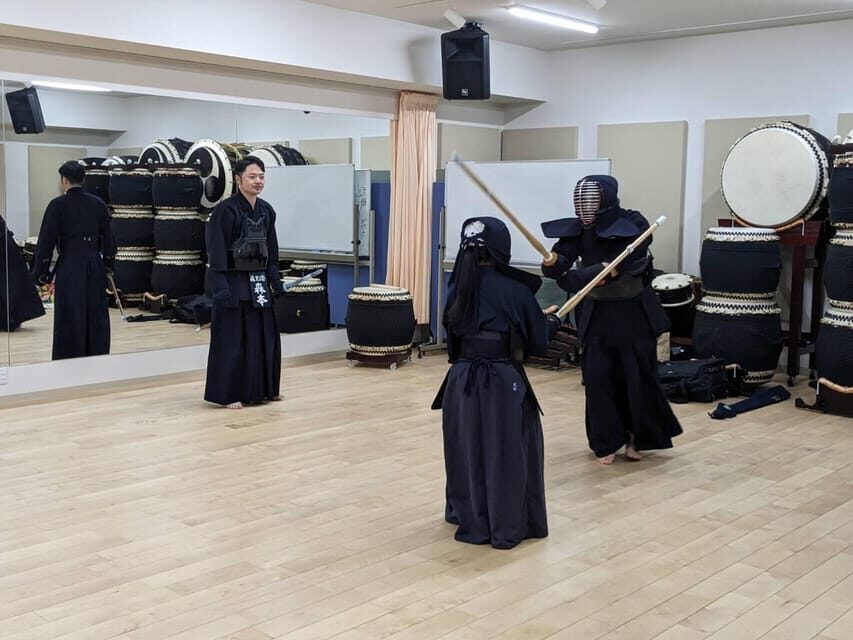
In the session, you’ll practice the fundamentals like basic footwork and safe striking skills. You’ll also learn Japanese terminology, which helps you follow the instructor faster during drills. That language piece can be surprisingly useful even if you only know a few words, because commands in kendo often rely on consistent terms.
One review described instruction in sparring techniques with a focus on learning basic footwork and striking skills, and that matches how the best beginner sessions are built: you start with the movements, then apply them in partner practice.
So what does this look like day-to-day in practice?
- You’ll get coached on how to stand and move.
- You’ll work on repeated strikes with the bamboo sword.
- Then you’ll apply those skills with a safer sparring format appropriate for beginners.
Even beginners are guided as if it’s a real game, but inside a controlled, safe structure.
The Coach and Interpreter Support: How You Learn Faster
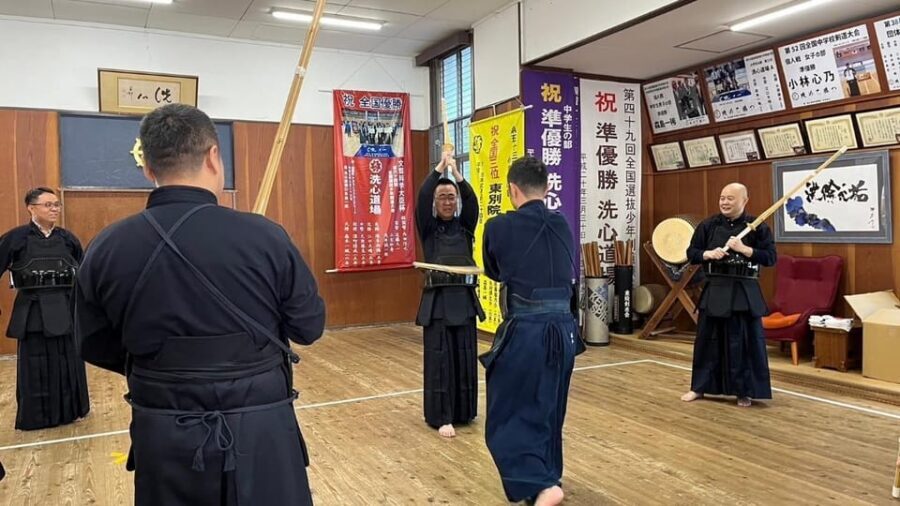
This experience is guided by a professional kendo instructor with experience training kendo for longer than most hobby instructors. The materials specify a background that includes Keio University kendo training and experience connected to training foreigners in kendo contexts.
What this means for you on the ground: the coaching is more than just counting repetitions. It’s technical. Your instructor can correct posture, foot placement, and strike form so you don’t practice the wrong thing for 90 minutes.
English support is also a big deal. The session is conducted in English and Japanese. In one feedback, an interpreter was noted as having pretty good English and being very sweet, which points to a smooth communication setup when you need clarification.
If you’re worried about feeling lost in a fast-moving sport, that support reduces the mental load. You can focus on the physical steps instead of trying to guess what the instructor means.
Value and Price: What $116 Buys You (and What You Should Check)
The price is $116 per person for 2 hours, including key items:
- professional instructor/guidance,
- rental of kendo armor and equipment,
- mineral water,
- and a Japanese hand towel.
For value, you’re paying for three things that are hard to replicate on your own:
- Real coaching in form and technique (not just trying on gear),
- Proper equipment rental (kendo armor is not something you casually bring),
- A safe structure for beginner practice so you can actually participate.
If you’re in Nagoya for a short stay, this is also time-efficient. You don’t need to hunt down a gym, find a partner, or figure out how to join a dojo. You walk in, you train, you leave with a feeling for how kendo works.
One thing to factor in: you’re also paying for the guided experience length, not just “access to a space.” That’s why the session format matters.
Who This Fits Best (And Who Might Want to Adjust Expectations)
This session suits you if:
- you want a hands-on way to experience Japanese martial arts culture,
- you’re okay with wearing full gear and moving actively,
- you enjoy learning technique instead of just watching.
It also fits beginners well, since the training is designed to be safe and fun while still feeling real. One review even highlighted one-on-one-style focus, where the instructor could tailor sparring to the participant’s abilities. You shouldn’t assume you’ll get the exact same attention level every time, but it signals that the instruction style can be personal when possible.
You might want to reconsider if:
- you have strong concerns about wearing headgear,
- you rely on glasses and don’t use contact lenses,
- you don’t like structured physical activity.
If you’re the type who prefers couch-to-sightseeing, kendo isn’t that. This is work, with a clear skill-building payoff.
Practical Tips Before You Go (Small Things That Save Your Session)
A good kendo session is won before you even step onto the training space. Here’s what will help you avoid annoying friction:
- Wear or bring loose exercise clothing in case kendo wear sizing is limited.
- Bring contact lenses (and avoid spectacles if possible during headgear use).
- Bring your own extra drink since only mineral water is included.
- Use comfortable socks/footwear for getting to and from the dojo area.
- Arrive a bit early so you’re not rushing through the gear fitting.
Also, since English and Japanese are used, keep your questions simple. Ask about footwork, striking basics, or how the instructor wants your stance to feel. Those questions line up with what you’ll practice.
Should You Book Samurai Kendo Practice in Nagoya?
If you want an authentic, hands-on Japanese experience that’s still beginner-friendly, I’d book it. The biggest reasons are practical: you get full equipment training, real instruction, and a structured way to try sparring basics in a safe setting. The free hand towel and mineral water are nice, but the real value is that you’re learning how kendo actually feels and works.
Book this if you like the idea of bamboo-sword strikes, etiquette, and technique-heavy movement. Skip it if you’re expecting a light cultural walk-through or you’re not comfortable with headgear and physical training.
If your schedule is tight, remember this runs about 2 hours, and timing can shift slightly. With the meeting point spelled out at JR Kasugai Station North Exit (car terminal side), it’s straightforward to plan around.
FAQ
Is the kendo armor and equipment included?
Yes. Rental of kendo armor and equipment is included in the price.
What languages are used during the practice?
The session is conducted in English and Japanese.
How long is the kendo experience?
It lasts about 2 hours.
Where do I meet the instructor?
You meet at JR Kasugai Station North Exit, in front of the car terminal (not the bus area).
What extra items are included besides the instruction?
You get free mineral water and a free Japanese hand towel.
Should I wear glasses during the session?
Glasses are not advisable because of difficulty wearing the head protector and the possibility of damage to spectacles. Contact lenses are recommended.