REVIEW · NAHA
Okinawa 2-Hours Genuine Kendo/Samurai Experience in Japan
Book on Viator →Operated by SAMURAI TRIP · Bookable on Viator
There is something about striking forward in armor. This 2-hour Kendo/Samurai experience in Naha pairs a guided introduction to samurai culture with real practice, including getting into kendo armor. Two big things I like: you’re not just watching, and you’re learning etiquette alongside technique.
One caution: English levels can vary a bit by instructor, so go with a patient, do-your-best attitude if you need extra clarification.
In This Review
- Key Kendo/Samurai Highlights You’ll Care About
- Why This Kendo Experience Feels So Direct in Naha
- Getting Started at 52 Ōnoyamachō: What Your Arrival Looks Like
- Suiting Up in Kendo Armor (and Why It’s the Real Deal)
- The Class Structure: Unify Your Spirits, Manners, Lifelong Kendo
- Unify Your Spirits
- Manners
- Lifelong Kendo
- You’ll Learn Kendo Etiquette While You Train Technique
- Instructor Energy: What to Expect from Taiji Sensei and Others
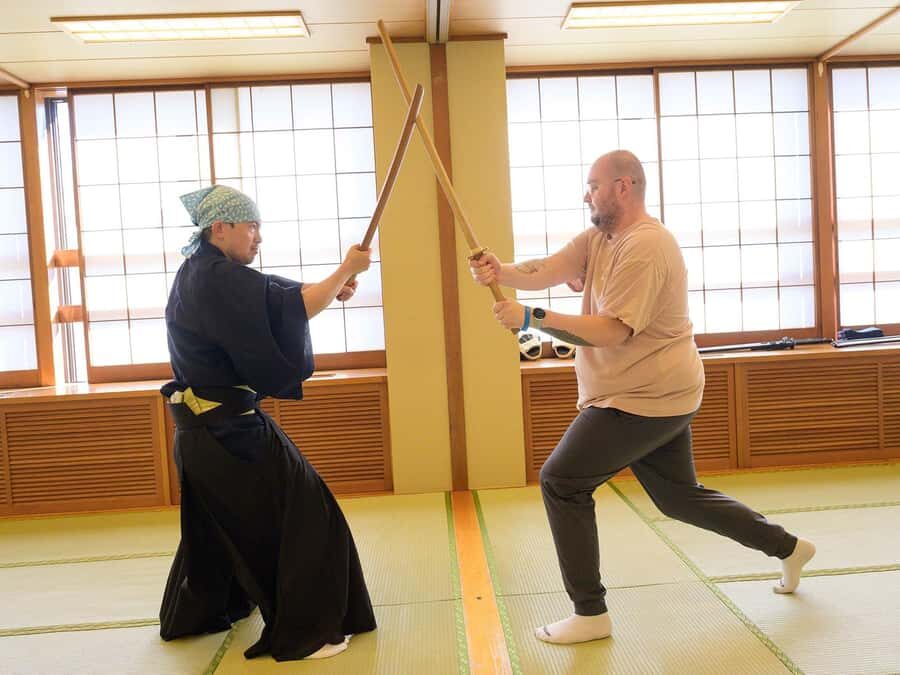
- The Hands-On Part: Practicing While Staying Safe
- Price and Value: Is $118.60 Worth It?
- Logistics That Actually Affect Your Day in Naha
- Who This Kendo/Samurai Experience Is Best For
- Should You Book This Kendo Experience?
- FAQ
- How long is the Okinawa 2-Hours genuine Kendo/Samurai experience?
- Where does the experience meet in Naha?
- What time does it start?
- What’s the group size limit?
- What’s included in the price?
- Do I need to bring my own kendo gear?
- Is hotel pickup or drop-off included?
- Is lunch included?
- Do I need a certain fitness level?
- What is the cancellation policy?
Key Kendo/Samurai Highlights You’ll Care About
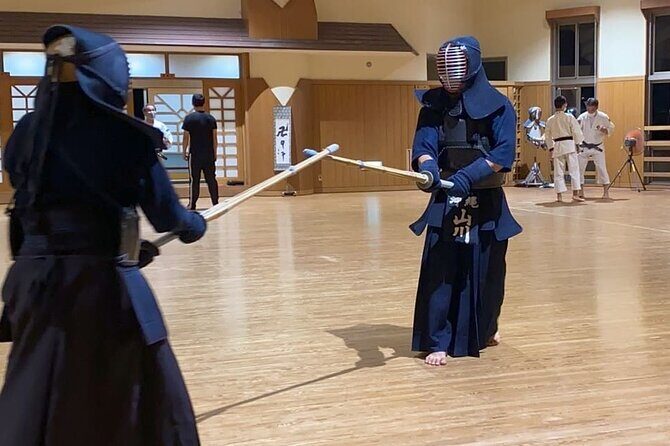
- Armor time, not just theory: you suit up and practice in protective gear
- Small group size (max 5), which helps you get hands-on attention
- Etiquette + history, including how kendo connects to samurai values
- Strong instruction track record, guided by long-time kendo practitioners
- Included extras: bottled water and a free kendo towel gift
Why This Kendo Experience Feels So Direct in Naha
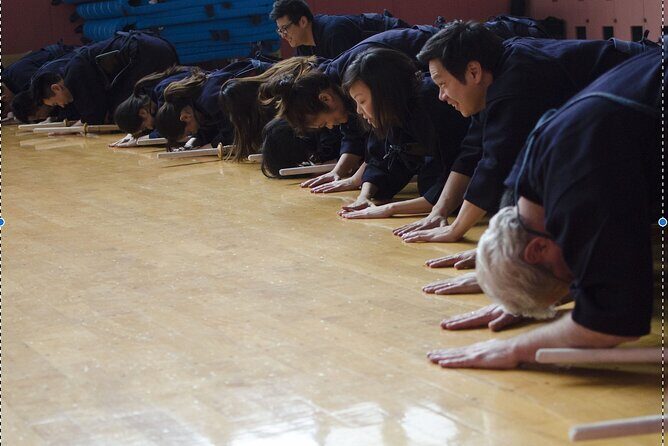
If you’ve ever tried to learn Japanese culture from a screen, you know the limits. Kendo is different because it’s physical, structured, and tied to behavior—what you do with your body and how you act toward others.
In this class, the format stays human-sized: about 2 hours, with a group capped at 5 travelers. That matters because kendo is all about timing, distance, and correction. When the group is small, you spend more time practicing and less time waiting.
It’s also priced at $118.60 per person, which sounds steep until you look at what’s included. You get full kendo equipment rental, bottled water, and a kendo towel, plus an experienced instructor guiding you through both the “how” and the “why.”
You can also read our reviews of more tours and experiences in Naha.



Getting Started at 52 Ōnoyamachō: What Your Arrival Looks Like
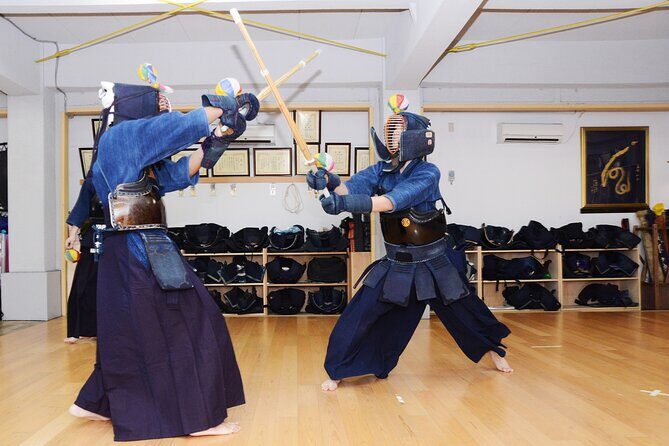
The meeting point is 52 Ōnoyamachō, Naha, Okinawa 900-0026, Japan. The session starts at 1:00 pm, and it ends back at the meeting point, so you won’t have to figure out a second transfer.
Practically, this is the kind of activity that fits neatly into a day in Naha. You don’t need a half-day plan with complicated logistics. Also, it’s noted as near public transportation, so you’re not forced into a long taxi ride just to get to the lesson.
You’ll use a mobile ticket. That’s one less thing to worry about—no printing, no fuss.
Once you’re there, the first phase is typically about getting you oriented and ready to move safely. Expect the instructor to set the tone: how to handle gear, how to stand, and how to behave in a kendo space. This isn’t about looking cool. It’s about learning the rules that keep training respectful.
Suiting Up in Kendo Armor (and Why It’s the Real Deal)
The headline here isn’t just kendo as a sport—it’s kendo as a cultural practice. That’s why the armor matters.
When you put on kendo protective gear, everything changes. Your body feels the boundaries of technique: where you can strike, how you shift, and how you recover. Even if you’ve never trained, the equipment gives you a framework for what the training is trying to do.
This is also where the “samurai culture” angle becomes more than a slogan. Kendo grew out of the samurai era fencing tradition, and training in protective armor helps you experience that discipline—controlled movement, focus, and respect. You’re not learning to swing randomly. You’re learning to do it with structure.
And yes, you get a complimentary kendo towel gift too. It’s a small touch, but it fits the theme: kendo includes care for the tools and the mindset behind repetition.
The Class Structure: Unify Your Spirits, Manners, Lifelong Kendo
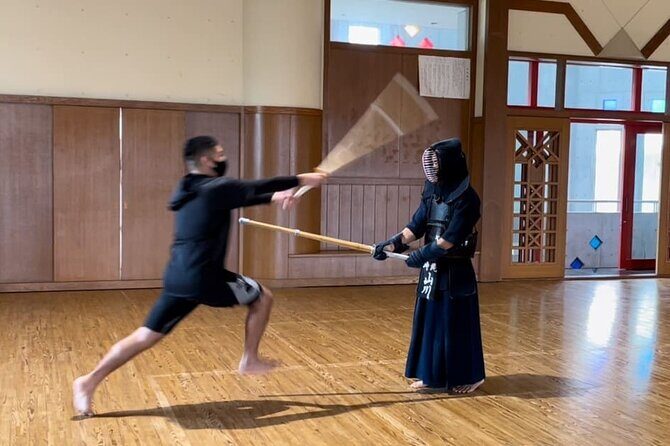
The experience is built around three ideas: Unify your spirits, Manners, and Lifelong Kendo. You can treat this like a mini curriculum for how to train—mentally and physically.
Unify Your Spirits
This is about focus. Kendo demands that your attention and intention match your movements. It’s not only about power; it’s about aligning timing and mindset. Even beginners feel the difference when the instructor keeps resetting you to the same core concepts.





Manners
Kendo etiquette is a big deal, and it’s not extra fluff. The way you enter, hold yourself, and interact during training teaches you how to respect opponents and the training space. It also helps beginners feel less awkward, because everyone follows the same behavioral script.
Lifelong Kendo
This part is essentially the long game. You learn not only how to hit, but how kendo is meant to keep teaching you. The instructor connects technique with history and the idea of training as something you can continue beyond one session.
You’ll likely move through explanation, basic practice, and then some back-and-forth experience once the basics are in place. That blend—mindset first, then movement—is what makes the 2 hours feel complete.
You’ll Learn Kendo Etiquette While You Train Technique
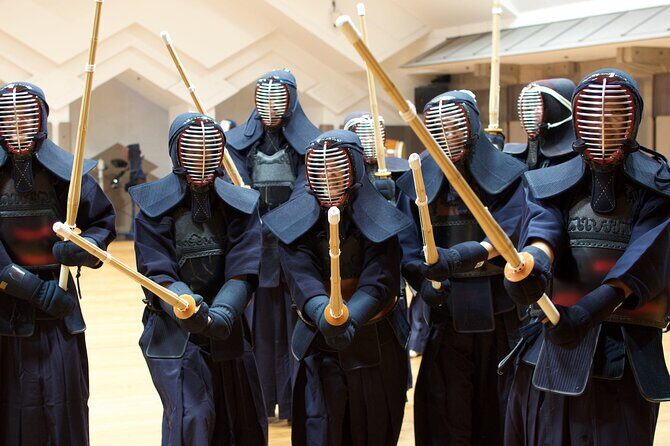
A lot of “martial arts experiences” are basically cosplay with a few poses. This one leans into etiquette and culture, not just action.
The class is guided by an English-speaking kendo instructor with 20 years of kendo experience. In real terms, that means you should expect clear instruction on what to do with your body and why.
Also, the course highlights the idea that kendo isn’t only about competitiveness. It’s about practicing material techniques while touching the spiritual and cultural side too. That translates to a class that doesn’t feel like random sparring.
You can think of it as controlled learning: you’re given structure, corrected when needed, and trained to respect the process.
Instructor Energy: What to Expect from Taiji Sensei and Others
The quality of a kendo class often comes down to the instructor’s coaching style. Here, the instruction has a strong track record.
One instructor you may meet is Taiji Sensei, and he’s been described as patient and funny, which matters a lot for first-timers. Another instructor mentioned is Taiji Yamakawa, with praise for making the experience a highlight of the trip.
There’s also a note that one teacher was an ex Okinawa champion. That’s the kind of detail that hints at real credibility—not just someone who can explain the moves, but someone who’s lived them.
One practical consideration: English can be limited for some instructors. The good news is that directions can still be very clear even when language isn’t perfect. I’d approach this like any hands-on activity in Japan: watch, listen, ask if you can, and focus on doing the exercise correctly.
The Hands-On Part: Practicing While Staying Safe
This experience is meant for people with moderate physical fitness. That doesn’t mean you need to be an athlete. It does mean you should be ready to move, wear gear, and do repeated drills for about two hours.
Kendo practice can be surprisingly physical once you start doing real stances and controlled strikes. The armor adds weight and changes your movement. Because of that, pacing and instruction matter.
What I’d do as a practical prep: show up comfortable and ready to move. You don’t need to overthink it, but you should treat it like a real class, not a casual photo moment. The training works best when you’re willing to follow the cues and reset as needed.
Also included is bottled water, which helps you stay functional during practice. Hydration sounds basic, but two hours in protective equipment can be more tiring than you expect.
Price and Value: Is $118.60 Worth It?
Let’s talk about the actual value, not just the number.
At $118.60 per person for about 2 hours, the question is: do you get enough real training to justify the cost? In this case, the value comes from the inclusions and the group size.
Here’s what you get that would cost extra elsewhere:
- Rental all kendo equipment (big-ticket item in any hands-on sport training)
- Bottled water
- Free kendo towel
Then there’s the teaching component: an experienced instructor with long-term kendo background, guiding you through technique plus etiquette plus samurai-cultural context. And with a maximum of 5 travelers, you’re more likely to get personalized correction instead of being one face in a crowd.
Finally, the experience has a strong satisfaction signal: it’s rated 5/5 with 100% recommendation in the available summaries. For a niche cultural activity like this, that kind of consistent feedback usually means the class is doing what it promises.
Logistics That Actually Affect Your Day in Naha
This is one of those activities where small logistics matter because the time window is tight.
- Duration: about 2 hours
- Start time: 1:00 pm
- Meeting point: 52 Ōnoyamachō, Naha
- Ends: back at the meeting point
- Hotel pickup/drop-off: not included
Because there’s no hotel pickup, you’ll want to plan your arrival with public transportation in mind. The location is described as near public transportation, which is helpful. If you’re staying in Naha’s busier areas, this should be easy to slot in.
Also, the tour is capped at 5 travelers, so it’s not a huge mass event. You’ll get a more focused experience, but that also means schedules can be tight depending on availability.
Who This Kendo/Samurai Experience Is Best For
This class is ideal if you want more than sightseeing. Choose it if you like learning culture through action—discipline you can feel in your posture, manners you can apply immediately, and technique you can understand instead of just watch.
It’s also a good pick for:
- First-timers who want structured guidance
- People who enjoy hands-on activities with clear rules
- Travelers interested in samurai-era roots of modern Japan
Who might hesitate?
- If you’re expecting a mostly English lecture, you may find it better to treat it as a practice class first and a culture lesson second.
- If you’re not comfortable with moderate physical activity, the armor practice could feel too strenuous.
Should You Book This Kendo Experience?
If your goal is authentic Japanese culture you can physically participate in, this is a strong option. I like that it’s small, equipment-included, and built around etiquette and mindset—not just strikes.
Book it if you can make the 1:00 pm start time and you’re comfortable moving for about two hours. You’ll get a real sense of what kendo training is trying to teach: unity of spirit, manners, and the idea that practice continues for life.
Skip it only if you want a low-effort activity or you’re hoping for a long, language-heavy explanation. Otherwise, this is exactly the kind of experience that turns a trip memory into a skill—and a new way to understand samurai culture.
FAQ
How long is the Okinawa 2-Hours genuine Kendo/Samurai experience?
It’s approximately 2 hours.
Where does the experience meet in Naha?
The meeting point is 52 Ōnoyamachō, Naha, Okinawa 900-0026, Japan.
What time does it start?
The start time is 1:00 pm.
What’s the group size limit?
The experience has a maximum of 5 travelers.
What’s included in the price?
Rental all kendo equipment, bottled water, and a free kendo towel are included.
Do I need to bring my own kendo gear?
No. The class includes rental all kendo equipment.
Is hotel pickup or drop-off included?
No, hotel pickup/drop-off is not included.
Is lunch included?
No, lunch is not included.
Do I need a certain fitness level?
Travelers should have a moderate physical fitness level.
What is the cancellation policy?
You can cancel for free up to 24 hours in advance of the experience start time for a full refund. Cancellation inside 24 hours isn’t refunded.