REVIEW · TOKYO
Private Tokyo Walking Tour with A Guide: Higlights & Customizable
Book on Viator →Operated by Guydeez · Bookable on Viator
Tokyo has a thousand ways to surprise you.
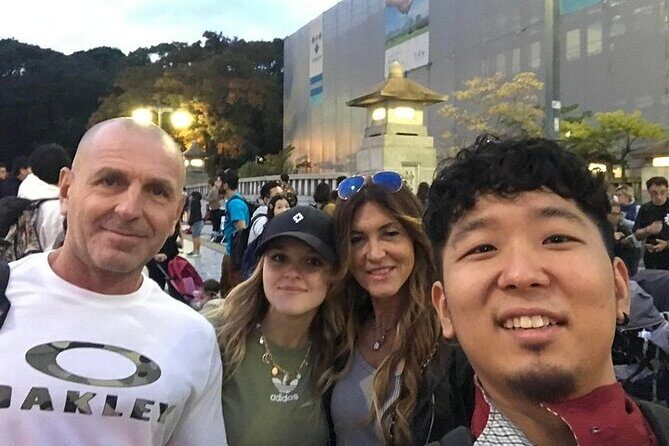
This private walking tour strings together classic landmarks and modern icons, with a guide who can steer the route based on what you actually want to see. I like the mix of famous stops (like Sensō-ji and Meiji Jingu) and pop-culture Tokyo (hello Akihabara), all without feeling like you’re following a rigid checklist.
Two things I’m especially glad about: you get customization with a professional guide, and you also get practical help with navigation and context so you don’t just pass by cool sights. One possible drawback is simple: it’s a fast 2-hour walk, so you’ll want to keep your expectations realistic about how much you can linger at each place.
In This Review
- Key Highlights Worth Planning For
- Why This Private Tokyo Route Works Better Than a Generic Checklist
- The Money Question: Is $52.86 a Person Good Value for Two Hours?
- Hotel Pickup and a Truly Custom Plan (Without the Chaos)
- Tsukiji Outer Market: Seafood, Street Food, and How to Read the Scene
- Sensō-ji in Asakusa: Thunder Gate, Rituals, and Respectful Watching
- Meiji Jingu: Torii Gate Meaning and the Forest Calm
- Akihabara, Skytree, and Ginza: Tech Culture, Sky Views, and Upscale Tokyo
- Akihabara: Electronics, Anime, and More Than Just Storefronts
- Tokyo Skytree area: Construction Context and Panorama Time
- Ginza: History, Shopping Choices, and Where to Look
- Ueno Park and Roppongi Hills: Museums, Cherry Blossom Timing, and Modern Tokyo
- Ueno Park: Museums and Seasonal Highlights
- Roppongi Hills: Art, Architecture, and the Mori Art Museum Area
- Practical Tips That Make This Walk Feel Easy
- Who This Tour Fits Best (And Who Might Want Something Different)
- FAQ
- FAQ
- How long is the Tokyo walking tour?
- What places does the tour visit?
- Is this a private tour?
- Is hotel pickup included?
- Are language barriers a concern?
- Does the tour include food, drinks, or tips?
- Should You Book This Private Tokyo Walking Tour?
Key Highlights Worth Planning For
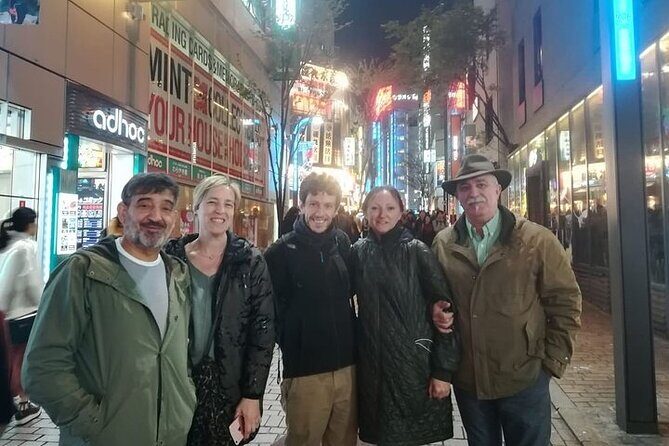
- Private and exclusive: it’s just your group, not a shared scramble with strangers
- Hotel pickup available: meet your guide at your accommodation if it’s in the city
- Four language choices: you can avoid frustration with translation gaps
- A tight 8-stop route: 15 minutes per stop keeps the pace moving
- Wheelchair accessible: the experience is set up to work for travelers who need it
- Customizable itinerary: you can pick your priorities and adjust along the way
Why This Private Tokyo Route Works Better Than a Generic Checklist
Tokyo is big. And it’s layered. On a standard group tour, you often spend your time staring at what you already know from photos. Here, the guide’s job is to help you connect the dots between neighborhoods, rituals, and everyday life.
The route is also unusually balanced. You get spiritual Tokyo (Meiji Jingu), historic Tokyo (Asakusa), snack-friendly Tokyo (Tsukiji Outer Market), and gear-and-glow Tokyo (Akihabara). That matters because Tokyo doesn’t really make sense unless you see how different parts of the city talk to each other.
And since this is private, you can ask questions in the moment. Want to know what people are doing at a shrine ritual? Or what the deal is with a particular store in Akihabara? You’re not stuck waiting for the next scheduled explanation.
You can also read our reviews of more walking tours in Tokyo

The Money Question: Is $52.86 a Person Good Value for Two Hours?
At $52.86 per person for about 2 hours, the value depends on how you like to travel.
If you enjoy doing your own exploring, a guided tour can feel pricey. But if you want context and smoother navigation, it’s easier to justify—especially because you’re covering a lot of ground in a short time. Eight stops in two hours is the kind of plan that saves you from spending half the day figuring out where to go next, and from missing what makes each place worth your time.
Also, the plan lists stops with free admission tickets. That’s a big deal when you’re trying to keep costs predictable. Food and drinks aren’t included, so you’ll still pay for what you eat, but you’re not paying separate entry fees at every stop.
One more value angle: the customization. If you spend the tour steering toward what you care about most, the price becomes less about “paying for famous sights” and more about buying time with a guide who can read your interests.
Hotel Pickup and a Truly Custom Plan (Without the Chaos)
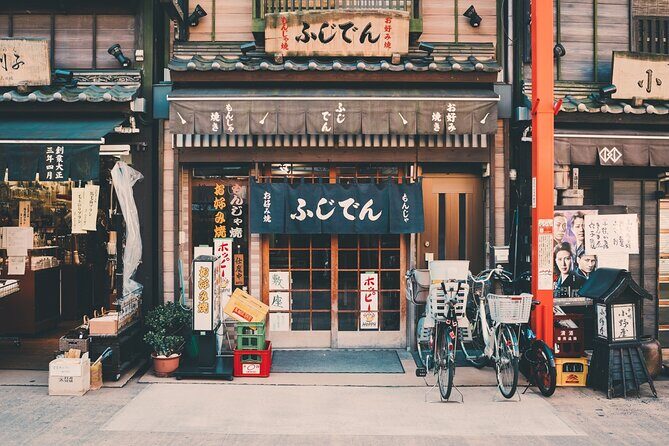
I like when a walking tour starts cleanly. With hotel pickup (when you’re located in the city), you’re not spending your first 20 minutes hunting a meetup point. That’s especially helpful in Tokyo, where streets can twist and station exits can feel like a maze designed by a prankster.
From there, the key is that your itinerary is customizable. That means you’re not forced to treat every stop equally. You can push for more time where you’re most interested—while still keeping the overall pacing that fits a two-hour window.
You also have flexibility if language is a worry. The experience offers four language choices, so you can match your comfort level. That’s huge because the difference between “seeing” and “understanding” is often a handful of key phrases explained in plain human terms.
Tsukiji Outer Market: Seafood, Street Food, and How to Read the Scene
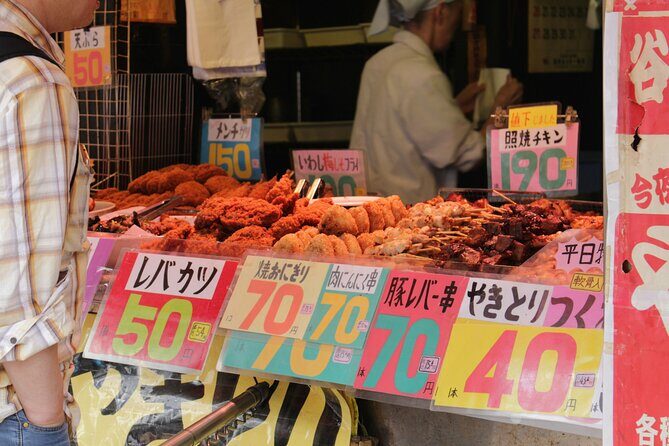
Tsukiji Outer Market is the kind of place where your eyes go wide and your brain goes blank. That’s where a guide earns their keep.
Your stop is about 15 minutes, and the whole point is orientation. A guide can help you navigate the crowds, explain why different types of seafood are treated differently, and point you toward street food so you’re not guessing blindly. This is one of those locations where knowing what you’re looking at makes the experience feel 10x more satisfying.
What to expect here:
- It’s a sensory stop: smells, steam, chatter, and quick transactions
- The guide helps you focus on the most interesting items in the time you have
- If you want to taste things, you can line up what to try—though food isn’t included, so plan to spend a bit
A practical consideration: Tsukiji moves fast. If you’re the type who likes to shop slowly, you’ll likely use your 15 minutes for tasting and questions, not browsing every stall. Use your guide to pick 2–3 high-impact choices rather than trying to do everything.
Sensō-ji in Asakusa: Thunder Gate, Rituals, and Respectful Watching
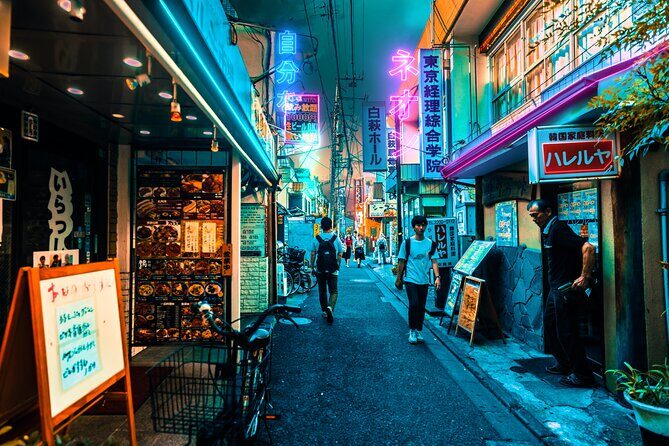
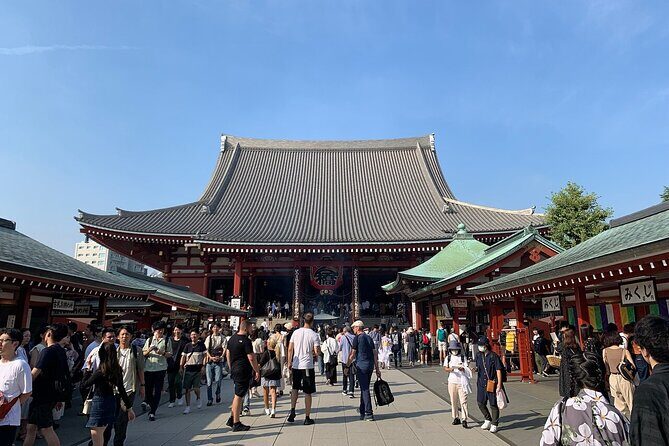
Asakusa’s Sensō-ji is one of Tokyo’s most recognizable temple areas, and it’s also one of the easiest places to do “photo worship” without really understanding what you’re seeing.
This stop helps you avoid that. You’ll walk the historic district with a guide who can explain the temple’s backstory, take you through the Thunder Gate, and help you participate in traditional rituals. That last bit matters. If you’ve ever wondered whether you’re doing something wrong at a shrine, a guide clears that up quickly.
What I think makes this stop work on a walking tour:
- You get the meaning behind key moments, not just the location
- You can join rituals with less uncertainty about what’s expected
- The guide turns what looks like a busy tourist circuit into something more human
A small timing note: 15 minutes is tight. You’ll want to decide ahead of time whether you’re here mainly for the temple grounds, for ritual participation, or for photos. If you try to do all three equally, you might feel rushed.
You can also read our reviews of more guided tours in Tokyo



Meiji Jingu: Torii Gate Meaning and the Forest Calm
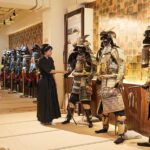
Meiji Jingu is Tokyo’s reminder that not everything is about crowds and neon. This stop is designed to give you context for what you’ll experience as you walk through the shrine area.
A guide can explain the significance of the torii gate, break down the Shinto rituals you might see, and share stories about the shrine’s history and the surrounding forest. That’s not just trivia. When you understand the symbolism, the space feels quieter and more intentional—even if you’re surrounded by visitors.
What to expect during your ~15-minute window:
- A shift in atmosphere as you move into the shrine grounds
- Clear explanations of ritual steps so you can observe (and participate appropriately)
- A better sense of why the forest setting matters
Possible drawback? If you’re the kind of traveler who likes long sits and slow wandering, you might wish this stop had more time. But for a two-hour route, this is a smart way to get the emotional and cultural payoff without sacrificing the rest of Tokyo’s variety.
Akihabara, Skytree, and Ginza: Tech Culture, Sky Views, and Upscale Tokyo
This tour cleverly groups three very different worlds close together: Akihabara (tech and pop culture), the Tokyo Skytree area (views and engineering pride), and Ginza (shopping and entertainment at a higher end).
Akihabara: Electronics, Anime, and More Than Just Storefronts
Your guide can help you navigate the electronics, anime, and gaming ecosystem, and also point you toward places that aren’t obvious on first glance. That’s where you get value—store clusters can look the same until someone explains the differences.
In 15 minutes, your best use of time is to tell your guide what you like:
- games vs. figures
- electronics vs. themed shops
- browsing vs. buying
Tokyo Skytree area: Construction Context and Panorama Time
The Skytree stop is framed around learning why the tower matters and enjoying panoramic views from the observation decks. Your guide can share interesting facts about construction and significance while you take in the skyline.
One consideration: this is a visual payoff stop. If the weather is dull, ask your guide whether there’s a better time window or viewpoint emphasis. Don’t fight the weather—just plan what you want to “get” from the views.
Ginza: History, Shopping Choices, and Where to Look
Then you move into Ginza, where the vibe shifts into polished shopping streets and upscale entertainment. A guide can explain Ginza’s history and help you identify places worth your money and attention, including options that feel more local and less generic.
In a short tour slot, I’d treat Ginza like a guided “orientation plus one or two choices” stop. Decide in advance what you want: window shopping, a souvenir, or a specific kind of meal nearby after the tour.
Ueno Park and Roppongi Hills: Museums, Cherry Blossom Timing, and Modern Tokyo
After the high-energy tech-and-shopping stretch, the route finishes with two areas that show different faces of Tokyo’s culture.
Ueno Park: Museums and Seasonal Highlights
In Ueno Park, your guide can lead you through the park and point out museums and attractions, plus share stories about the area’s cultural significance. If your visit aligns with cherry blossom season, your guide can also help you identify good cherry blossom viewing spots.
Why this stop is worth it even on a short tour:
- It connects Tokyo’s past and present through cultural institutions
- You get direction on what matters in the park without guessing
- It’s a calmer change of pace before the more modern end of the route
Roppongi Hills: Art, Architecture, and the Mori Art Museum Area
Then you finish at Roppongi Hills, where the city leans sleek and designed. Your guide can show you the art, shopping, and entertainment options, and provide info about the Mori Art Museum, along with notes about architecture and cultural events in the area.
The practical magic here is pacing. By the time you reach Roppongi Hills, you’ve already seen spiritual and historic Tokyo. Now you can look at modern Tokyo with the right context, noticing how different the city feels when it’s built for galleries and world-class venues.
Practical Tips That Make This Walk Feel Easy
This is a walking tour, so you’ll feel every step. You’ll have a smoother time if you plan for the basics:
- Wear comfortable shoes you trust for uneven sidewalks
- Bring water and a small snack if you hate sudden hunger (food isn’t included)
- Keep your phone charged for photos and quick navigation
- If you care about specific stores or rituals, tell your guide early so they can prioritize
One fun detail: guides working this style of route often go beyond sightseeing into useful city-life problem solving. For example, a guide named Amy was praised in a separate walking tour context for pointing out where recycling bins were—something that can be surprisingly hard to spot in Japan. If your guide has that same practical habit, you’ll likely leave the tour feeling like you can handle day-to-day Tokyo, not just check off landmarks.
Also, don’t treat the 15-minute stops as “sit and stare” time. Think of them as fast, guided chapters. You’ll get more out of the tour by asking targeted questions during each stop rather than trying to memorize everything at once.
Who This Tour Fits Best (And Who Might Want Something Different)
This tour is a great match if:
- you want a fast, focused introduction to Tokyo without missing major areas
- you like having a guide explain context and help you navigate
- you want flexibility through customization rather than strict pacing
It’s less ideal if:
- you want long, slow time in one neighborhood
- you dislike being on a schedule even when it’s a “short” schedule
- you’re hoping for food or drinks included (they’re not)
Because it’s private, it’s also a smart choice for families, couples, and small groups who want their own rhythm. And if you need wheelchair accessibility, that’s explicitly supported.
FAQ
FAQ
How long is the Tokyo walking tour?
It runs for about 2 hours.
What places does the tour visit?
It includes stops at Tsukiji Outer Market, Sensō-ji, Meiji Jingu, Akihabara, the Tokyo Skytree area, Ginza, Ueno Park, and Roppongi Hills.
Is this a private tour?
Yes. It’s private and exclusive, so only your group participates.
Is hotel pickup included?
Hotel pickup is offered, and you meet your guide at your accommodation if it’s located in the city.
Are language barriers a concern?
The tour offers four language options.
Does the tour include food, drinks, or tips?
Food and drinks are not included, and tips are optional.
Should You Book This Private Tokyo Walking Tour?
I’d book it if you want a smart first pass through Tokyo that mixes culture, history, and pop culture in a tight, guided format. The customizable approach is the real win here: you can steer the experience toward what you care about instead of marching through the city on autopilot.
I’d skip it if you plan to spend most of your day lingering in just one area, because the tour is built around short stops. But if you’re okay with fast, guided chapters—and you want your Tokyo to make sense as you walk—you’ll likely come away feeling you covered the right neighborhoods in the right order.