REVIEW · OSAKA
Osaka: Kimono Rental Traditional Experience at WARGO
Book on GetYourGuide →Operated by Kyoto Kimono Rental WARGO · Bookable on GetYourGuide
A kimono rental turns an ordinary walk into a photo mission. At WARGO in Osaka, you show up, get dressed properly, and head out wearing a traditional outfit that instantly changes how you experience the city.
I love two things right away: the quality of the kimono designs (everything from traditional patterns to more modern looks), and the fact that the staff help you with every step, including getting the obi tied correctly. The result feels neat and wearable, not like a costume you have to fight all day.
One thing to plan for: depending on the season and your time slot, you may deal with a waiting time of 30 to 90 minutes, and the dressing itself can be slower if it’s busy.
In This Review
- Key Highlights at a Glance
- First Stop: Getting Fitted at WARGO (and Why the 2nd Floor Matters)
- Choosing Your Kimono: Traditional Prints and Modern Styles
- The Dressing Process: How You Get Into the Kimono Correctly
- What You Wear: The Package Includes the Stuff People Forget
- Osaka in Kimono: Photo Stops and Historical Street Vibes
- Price and Value: What $34 Really Means in Practice
- Timing Tips: Avoiding the Wait and Returning Before 6:30
- Who This Suits Best (and Who Should Skip It)
- Deluxe Upgrades: Better Kimono Grades and Optional Hair
- Should You Book WARGO Kimono Rental in Osaka?
- FAQ
- Where is the meeting point for the Osaka kimono rental?
- How long does the experience take?
- What time do I need to return the kimono by?
- What’s included in the rental?
- Can I add hairstyle options?
- Does the price stay the same after I choose a kimono?
- Is there a waiting time before dressing?
- Can I keep the kimono into the evening or return the next day?
- Who is this experience not suitable for?
Key Highlights at a Glance
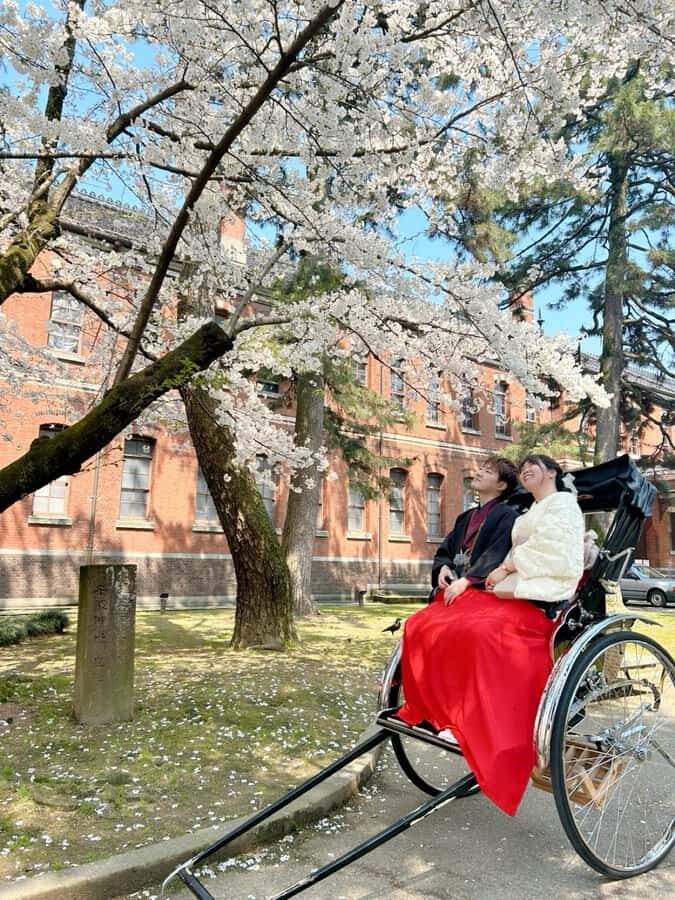
- Fast dressing when it’s not crowded: when things move smoothly, the fitting can be under an hour
- Lots of kimono variety: classic motifs plus modern styles you can actually feel comfortable in
- You leave fully equipped: obi, Japanese satchel, socks, and traditional sandal-like shoes are included
- Photo-ready by design: your outfit does the heavy lifting for street photos
- Optional next-day return: if you want to keep the look for evening time, it’s possible for an extra fee
- Price can adjust at the store: your final total depends on the specific kimono you select
First Stop: Getting Fitted at WARGO (and Why the 2nd Floor Matters)
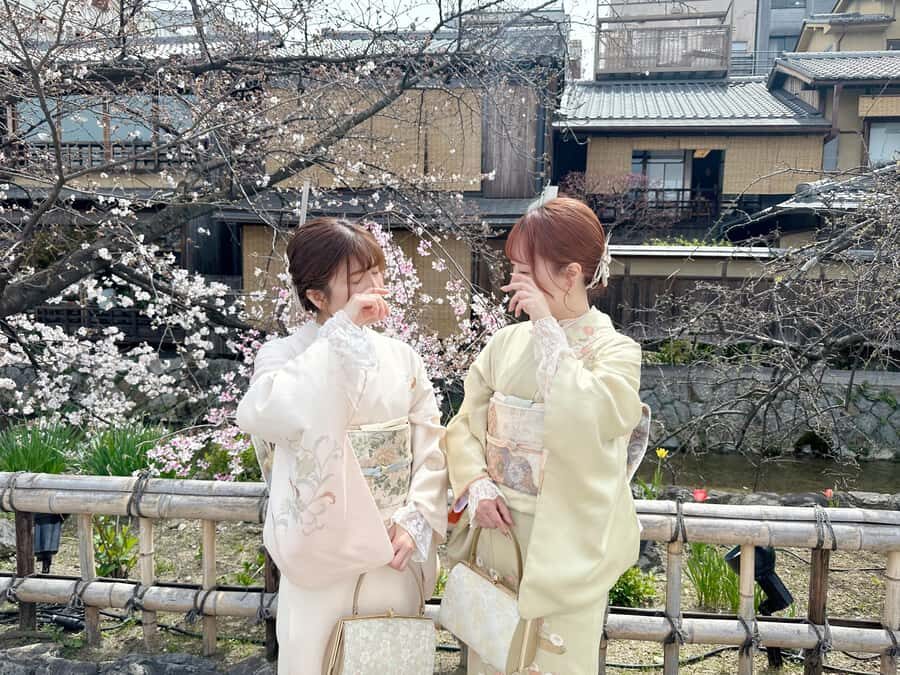
Your day starts at the WARGO store inside a building in Osaka. When you arrive, go up to the 2nd floor to find the shop, and plan to end right back where you started.
This sounds basic, but it’s a big deal for two reasons. First, kimono time is short—your rental runs while you’re active in the city, and you need enough buffer to return on time. Second, you’re relying on someone else for the fit. The easier it is to find the store quickly, the smoother your whole experience goes.
Also note the shop hours: they operate from 11:00 AM to 6:30 PM, so you’ll want to be ready to bring the kimono back no later than that time. If you’re the kind of traveler who likes a relaxed schedule, you’ll appreciate having a clearly defined stop-and-return plan.
You can also read our reviews of more tours and experiences in Osaka.



Choosing Your Kimono: Traditional Prints and Modern Styles
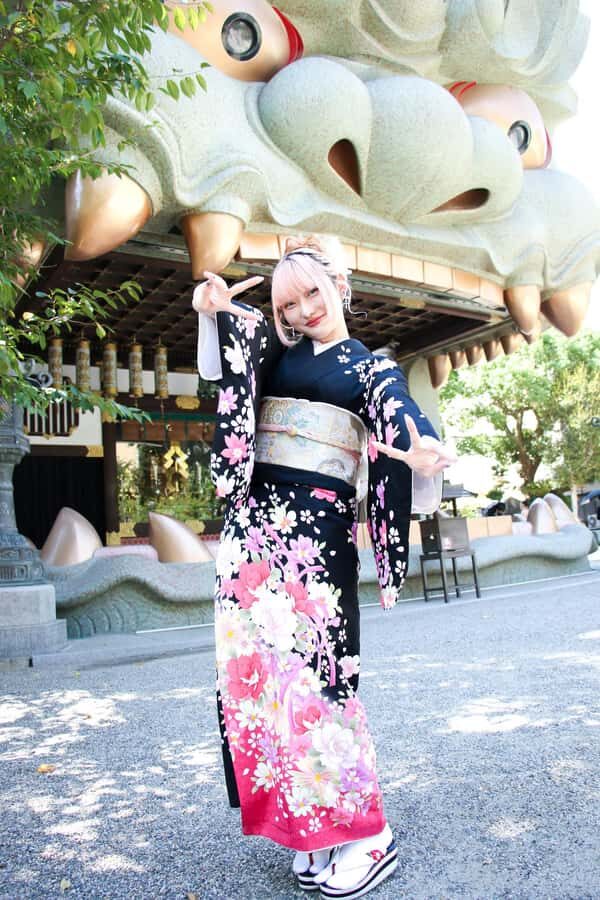
One of the best parts of renting a kimono is the moment you get to pick your look. WARGO offers a wide selection that covers traditional patterns and also more modern designs. That matters more than you might think.
Traditional patterns look fantastic for classic photo backgrounds, but modern styles can feel easier if you’re not sure you want something very formal-looking all day. Either way, you’re not stuck with one outfit. You’re selecting something that fits the day you want to have.
Just be aware of pricing reality: the information you get ahead of time notes that the final cost varies based on the actual kimono selected. In other words, the published price is your starting point, but the store selection can change the total. Plan for that mentally so it doesn’t feel like an unexpected surprise.
The Dressing Process: How You Get Into the Kimono Correctly
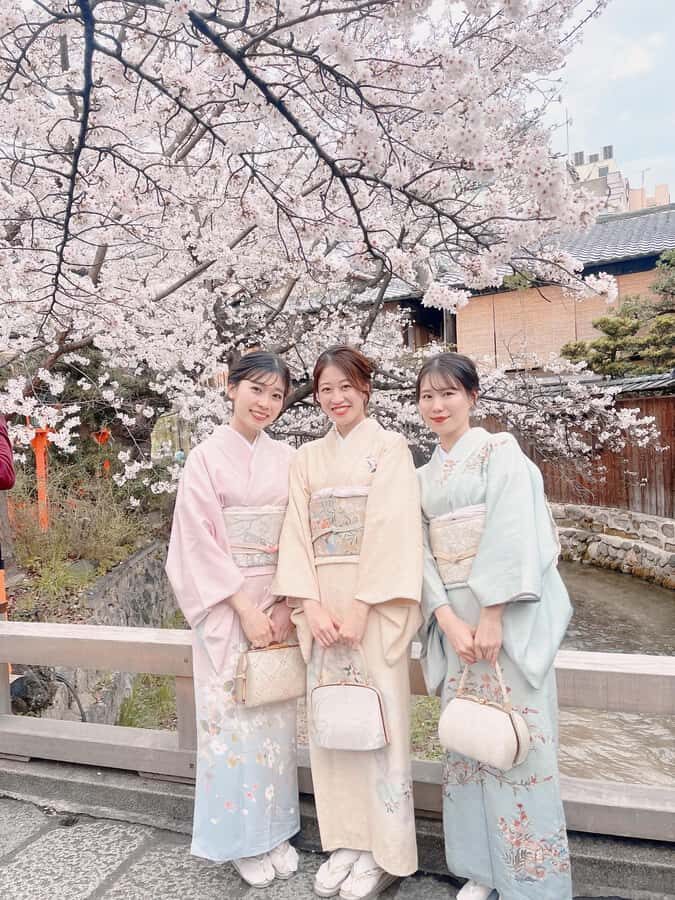
The whole experience is designed around one main idea: you shouldn’t have to figure out Japanese clothing mechanics alone. Staff assist you with dressing, and if it’s not too busy, the process should take less than an hour.
What I like about this setup is that it protects your day. Walking around in the wrong fit (or with an obi that’s too loose) can turn fun into fuss fast. Here, the dressing is handled for you, and that means you can focus on what matters: enjoying the city and getting your photos.
Still, it’s not always instant. Depending on your time slot and the season, there may be a 30 to 90 minute waiting time. If you come during peak hours, expect more time spent in the shop area before you’re fully dressed.
Practical tip: if you’re aiming for a tight sightseeing plan, choose a slot that gives you slack. You’ll waste less energy rushing, and you’ll be in a better mood when you step outside in your kimono.
What You Wear: The Package Includes the Stuff People Forget
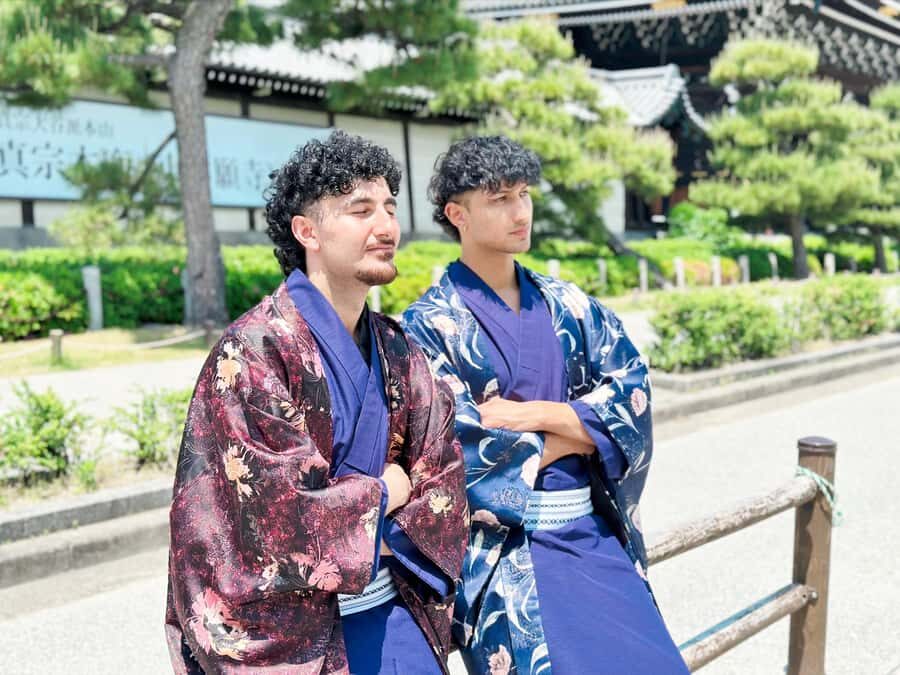
Wearing a kimono is not just fabric and pictures. The experience includes the items that make it actually work in public.
Here’s what’s listed as included:
- Kimono rental fee
- Dressing fee
- Insurance fee
- The sash belt (obi)
- Japanese satchel
- Traditional sandal-like footwear
- Socks
- Hair set: a simple hairstyle with kanzashi (ornamental hairpin)
There’s also mention of hairstyling availability at an additional cost, and a deluxe option that can include a standard hairstyle for women. The key takeaway: you can plan on hair being part of the experience, but exact offerings can vary depending on package and what the shop is offering that day.
My advice: if hair is important to you for the full look, don’t treat it as optional. Even a simple hairstyle with kanzashi can make the outfit feel more complete and photo-ready.
And yes, the shoes matter. The included sandal-like footwear is designed for kimono wear, but it also means you’ll want to wear with your walking pace in mind. If you’re expecting long distances on uneven pavement, build in breaks.
Osaka in Kimono: Photo Stops and Historical Street Vibes
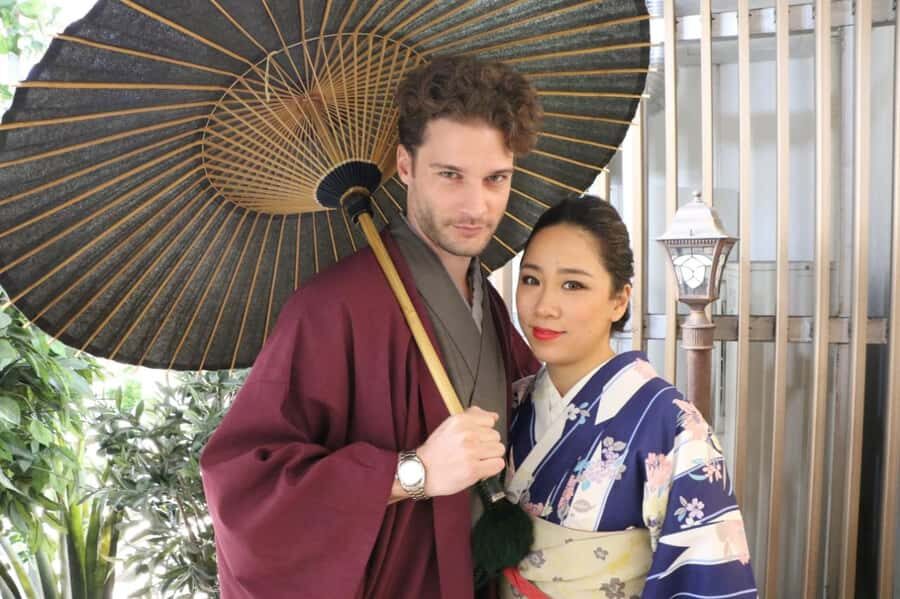
Once you’re dressed, the experience shifts from fitting room to street life. You set out wearing your kimono to explore Osaka’s historical streets and get beautiful photo opportunities.
I’ll be honest: your outfit is the star here. The kimono changes how you move through the city and how people notice you. That can make even ordinary streets feel special, especially if you’re the type who enjoys capturing details—textures, patterns, the way fabric sits, and how the obi frames your silhouette.
The best way to think about it is like this: you’re not signing up for a guided route that tells you every turn. You’re getting your “mode of travel” and then choosing how to use it.
A note on staying comfortable: kimono and obi are meant to look elegant, but that doesn’t mean they’re weightless. If something pinches or pulls, tell the staff and ask for adjustment rather than waiting until you’re already outside. Small fixes early prevent a long, annoying day.





Price and Value: What $34 Really Means in Practice
At $34 per person, this is one of those experiences that can feel either like a steal or like too much, depending on your expectations.
Here’s the value math as I see it:
- You’re paying for the kimono rental, the dressing, and insurance.
- You also get a full outfit package: obi, satchel, socks, and shoes.
- Hair is included as a simple option (with kanzashi), and there are upsells for upgrades and more styling.
If you’re someone who wants a one-time, high-impact cultural look without dealing with buying, sizing, and learning how to wear everything, this is actually good value. The cost covers the hardest part—getting dressed correctly—so you spend your energy outside enjoying the day.
The part that requires your attention is the final cost adjustment based on the kimono you select. That doesn’t make it “bad value,” but it changes how you plan. If you set your budget assuming only the starting price, you might feel a little squeezed when you see the specific grade options at the store.
Best move: go in ready to choose. If you want a higher-grade look, treat the upsell like part of the cost of admission. If you just want a classic, solid kimono for photos, you can likely keep things simpler.
Timing Tips: Avoiding the Wait and Returning Before 6:30
The big timing constraints are simple:
- WARGO operates 11:00 AM to 6:30 PM
- You must return the kimono by 6:30 PM
- Expect possible waiting time of 30 to 90 minutes depending on season and time slot
- If you reserve after 3:00 PM the day before, you may have to wait a bit at the store
This is the part that can make or break your experience. If you schedule too tightly, you’ll lose the calm, fun vibe that kimono rentals are meant to give you.
A smarter approach is to plan your day with the kimono as a “center block.” Do less walking before you get dressed. Then, once you’re fitted, you can comfortably spend a few hours taking photos and strolling without feeling like you’re constantly watching the clock.
Also, if you want the kimono later into the day, there is an option for next-day return for an additional fee. That can be great if you’re trying to experience evening atmosphere in the outfit—but only do it if you truly have evening plans. Otherwise, it’s just extra time managing the rental.
Who This Suits Best (and Who Should Skip It)
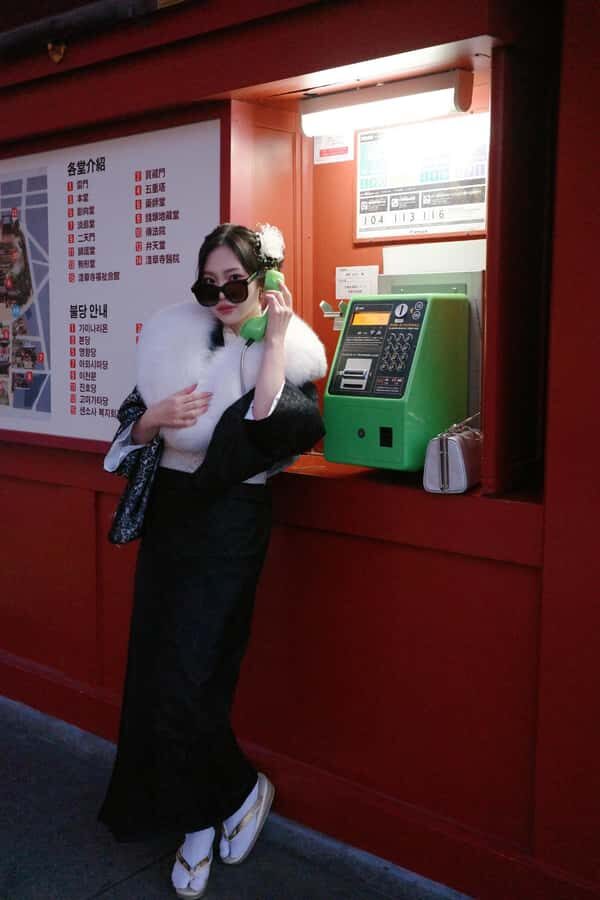
This experience is built for travelers who want to look like they belong in Japan for a day, without the hassle of learning clothing rules.
It’s not suitable for:
- Pregnant women
- Wheelchair users
- People with pre-existing medical conditions
If you have any mobility or medical concerns, don’t assume you’ll be able to make adjustments. The info is explicit, and you should treat it as a clear guideline.
On the positive side, it’s a great fit if:
- You want cultural photos that look authentic, not like a rushed rental
- You prefer staff assistance over DIY dressing
- You like independent walking after you’re dressed
And if you’re traveling solo or as a couple, it still works well because the experience is centered on getting dressed and then using the look on your own terms.
Deluxe Upgrades: Better Kimono Grades and Optional Hair
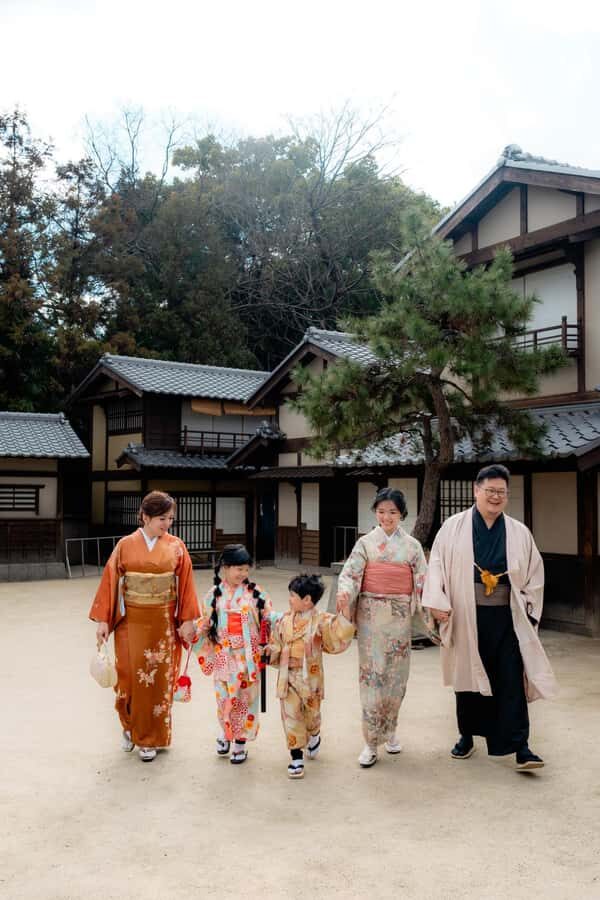
If you choose the WARGO Deluxe Plan, you gain flexibility with add-ons. The deluxe details mention:
- Upgrading the grade of the kimono and obi up to a certain level
- A standard hairstyle included (noted as for women)
The available kimono grades can vary by store, so the exact options you’ll see are something to confirm directly at the location.
My take: upgrades are worth it if you’re picky about the look and want stronger visual impact in photos. A higher grade tends to mean nicer fabric and finishing, and you’ll feel that difference the moment you see it on.
If you just want a beautiful kimono for a few hours of strolling, you may not need the deluxe upgrade. Decide based on what you care about: picture-perfect detail or a well-rounded, good-looking day.
Should You Book WARGO Kimono Rental in Osaka?
I’d book it if you want a simple, high-impact experience: arrive, get dressed with professional help, and spend a few hours exploring Osaka in a real kimono setup—with obi, shoes, satchel, and hair support built in.
Skip it or think twice if:
- You’re scheduling a super tight timeline and can’t handle potential 30–90 minute wait in the shop
- You’re sensitive to clothing discomfort and don’t have time to adjust
- Your plans depend on the kimono staying perfect through lots of long-distance walking
For most people—especially first-timers—this is a practical way to get the kimono experience without turning your day into a DIY project. If you treat the day like kimono time (not just a quick costume stop), it’s likely to feel worth it.
FAQ
Where is the meeting point for the Osaka kimono rental?
When you arrive at the building, go up to the 2nd floor to find the store. The activity ends back at the meeting point.
How long does the experience take?
It’s listed as 1 day. If it’s not too busy, the dressing process should take less than an hour.
What time do I need to return the kimono by?
You need to return it no later than 6:30 PM, since operating hours are 11:00 AM to 6:30 PM.
What’s included in the rental?
The package includes the kimono rental fee and dressing fee, insurance fee, the obi (sash belt), a Japanese satchel, socks, and traditional sandal-like footwear. A simple hair set with kanzashi is also listed as included.
Can I add hairstyle options?
Hair styling is described as available at an additional cost, and the deluxe plan includes a standard hairstyle (only for women). Exact options can vary by plan.
Does the price stay the same after I choose a kimono?
No. The final cost can vary based on the kimono you select, and any additional amount can be settled at the store with cash or card.
Is there a waiting time before dressing?
Depending on the time slot and season, there might be a waiting time of approximately 30 to 90 minutes.
Can I keep the kimono into the evening or return the next day?
Next-day return is possible if you want to wear the kimono throughout the evening, but it’s for an additional fee.
Who is this experience not suitable for?
It’s not suitable for pregnant women, wheelchair users, and people with pre-existing medical conditions.