REVIEW · OSAKA
Osaka: Private Tour of Shitennoji, Osaka’s Oldest Temple
Book on GetYourGuide →Operated by DeepExperience, Inc. · Bookable on GetYourGuide
You’ll meet Osaka’s older soul at Shitennoji. I love how a private guide explains Buddhism’s roots with real context for today, and I like the quiet you get in the Honbou Japanese Garden at Shitennoji.
One consideration: this temple is hugely important, but it’s not as headline-famous as some other Osaka sights, so it’s naturally calmer than you might expect for a first-time temple stop.
In This Review
- Key Points to Know Before You Go
- Why Shitennoji Feels Like Osaka’s Off-Radar Temple
- The 90-Minute Plan: Stone Torii to Honbou Garden
- Stop 1: Meeting at the Shitennoji Stone Torii Gate
- Stop 2: Guided Time in Shitennoji’s Central Temple Area
- Stop 3: Honbou Japanese Garden Time and the Kind of Quiet You Can Feel
- Stop 4: Viewpoint Stop for Context Beyond the Temple Walls
- Finish at 本坊庭園(極楽浄土の庭)
- Private Guide Value: What You’re Really Paying For at $60
- What to Expect on the Ground (and How to Prep)
- Who This Tour Suits Best
- Should You Book This Private Shitennoji Tour?
- FAQ
- Where does the tour meet?
- How long is the tour?
- What’s included in the price?
- Is this a private tour?
- What languages is the guide available in?
- Is food included?
Key Points to Know Before You Go
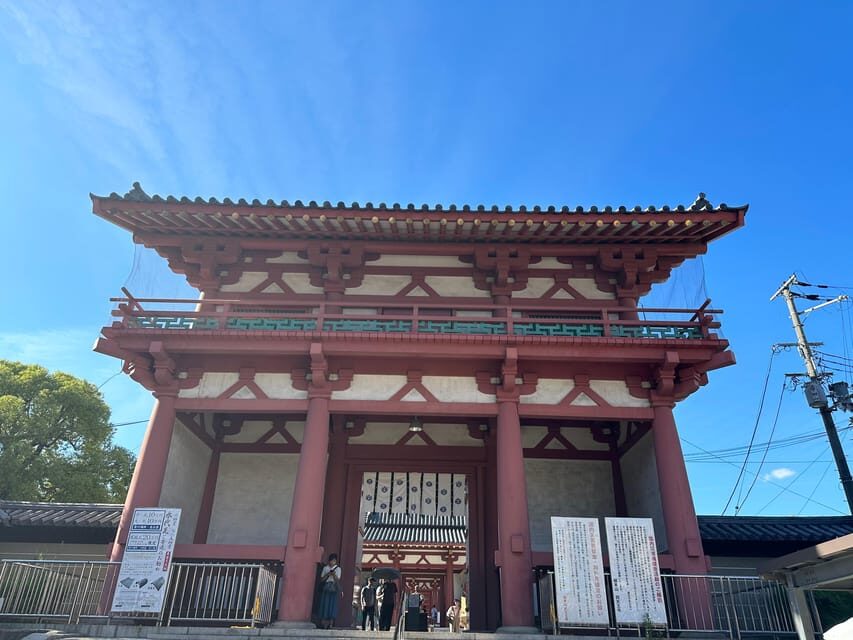
- Start at the Stone Torii Gate so you ease into the grounds in the right order
- Central temple access and Honbou garden entry are included, which keeps the visit simple
- A private English or Japanese guide helps the history feel practical, not like a lecture
- You’ll get a garden-focused block of time, not just a quick photo stop
- A viewpoint stop adds context for how Shitennoji fits into Osaka
- Good value at $60 per person when you care about meaning, not just stamps
Why Shitennoji Feels Like Osaka’s Off-Radar Temple
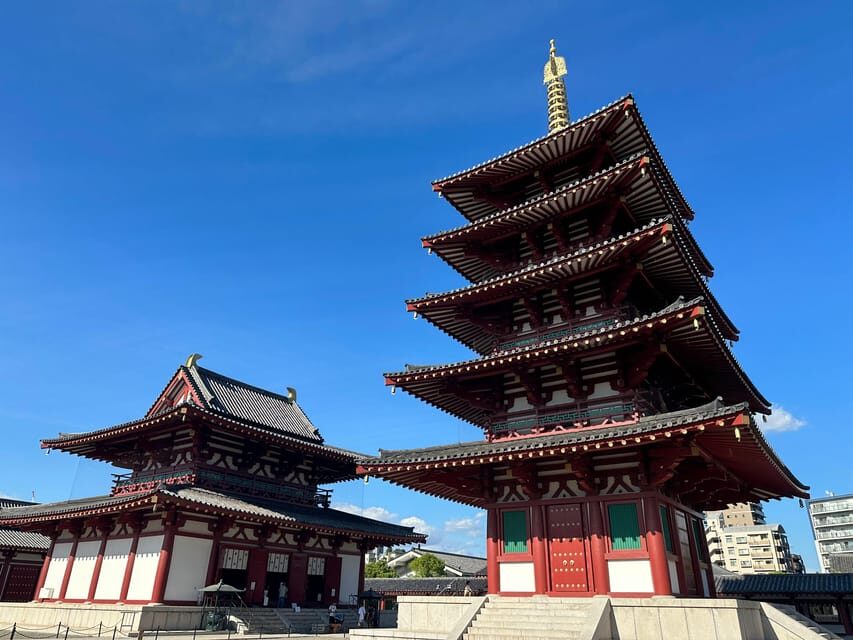
Shitennoji matters in Japan’s Buddhist story. It was founded way back in 593 by Prince Shotoku, a key figure in spreading Buddhism across the country. That alone makes it worth your time. But what makes this tour special is how the guide frames that history so it clicks with what you’re actually seeing on the ground.
I also love the pace here. Instead of rushing through five famous stops, you get a short, focused visit to the core places: the central temple area and the Honbou Japanese Garden. The garden gives you the kind of calm that’s hard to find in Osaka when you’re bouncing between stations, street food lines, and crowds. If you’re craving a quieter Osaka moment, this tour delivers.
And because it’s a private group, you can ask the follow-up questions that usually get skipped on big group tours. One review specifically praised a guide named Adi for connecting temple history with city life and even offering practical advice for a first stay in Japan. That’s the kind of guide value you can feel in real time, not just read about later.
You can also read our reviews of more private tours in Osaka


The 90-Minute Plan: Stone Torii to Honbou Garden
The tour is listed as 90 minutes, and the on-site flow moves through a handful of well-defined stops. Your guide meets you at the Stone Torii Gate, then you’ll spend time with the guided temple visit, a separate garden session, and a short viewpoint stop before finishing at the Honbou garden area.
Here’s the practical takeaway: even if the individual segments feel more detailed than the headline duration suggests, your guide will manage the timing so you don’t feel like you’re sprinting. The structure is designed to keep you on the most meaningful parts of the grounds without turning it into a marathon.
You’ll also want to know what the tour does not include. Food isn’t included, so plan to eat before or after. If you tend to get hungry on walks, keep a small snack and water handy.
Stop 1: Meeting at the Shitennoji Stone Torii Gate
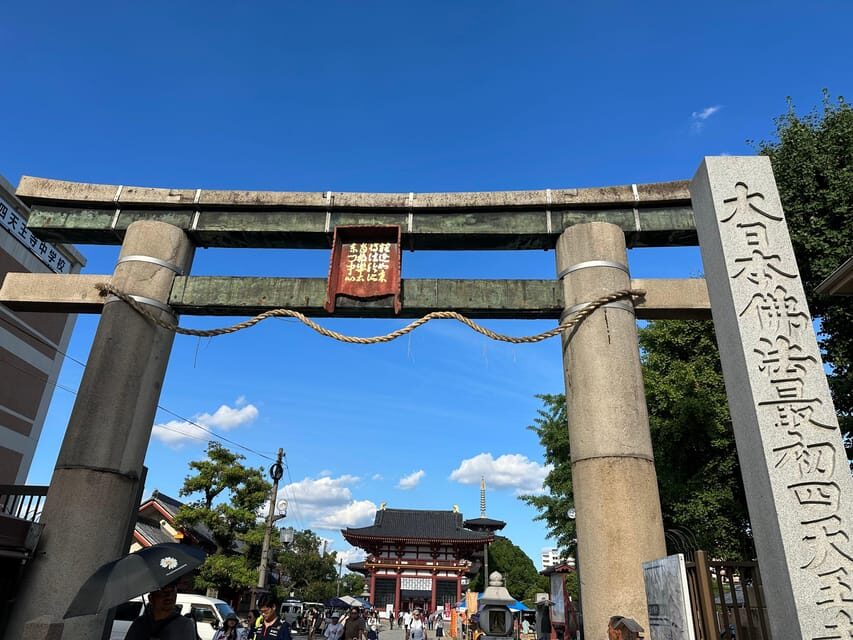
Your first moment is simple and smart: you meet the guide in front of the Shitennoji Ishinotorii (Stone Torii Gate). Your guide will be holding a yellow sign with the DeepExperience logo, so you’re not hunting around.
Why start here? Because the torii acts like a mental reset. It’s a clear transition point from regular city energy into sacred grounds. Even if you’re not a temple expert, standing at the gate helps you understand what kind of experience you’re walking into.
Practical tip: arrive a few minutes early. Torii-gate meetups sound straightforward, but Shitennoji’s entrances can still feel busy. Starting on time also helps you enjoy the quieter parts of the visit instead of squeezing them.
Stop 2: Guided Time in Shitennoji’s Central Temple Area
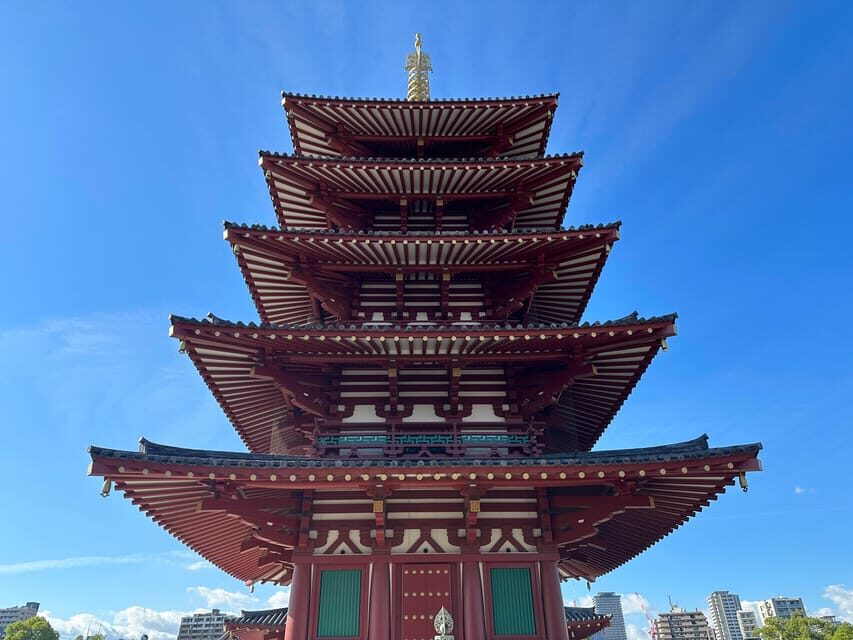
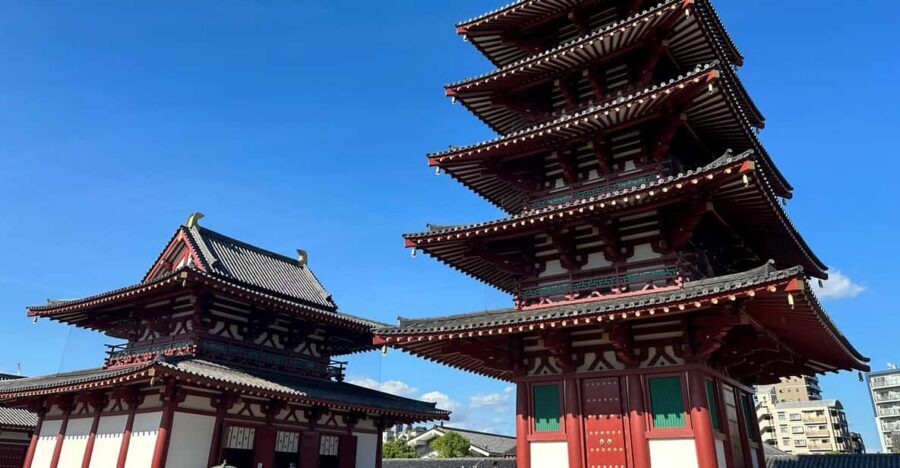
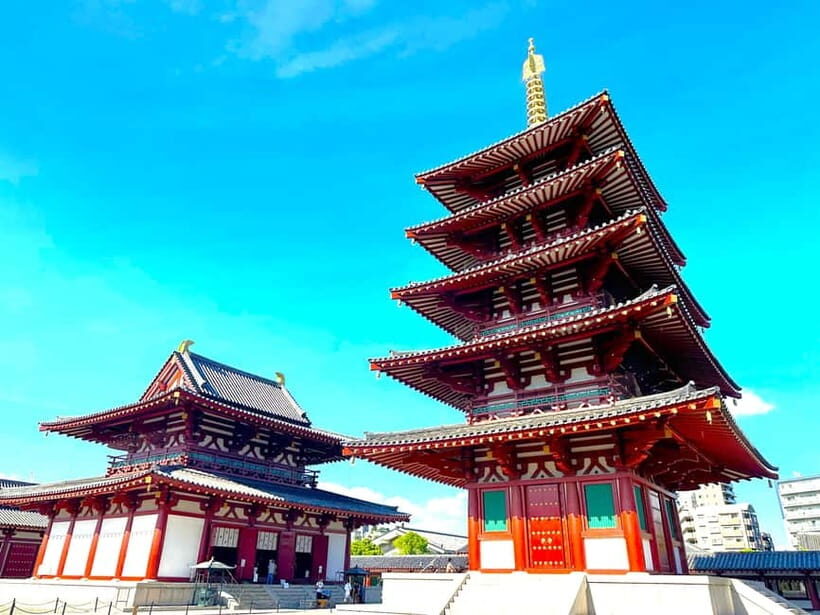
After meeting, you move into the Shitennoji area for the guided temple portion. This is where the tour earns its keep: you’re not just looking at buildings. You’re learning why they’re important.
Shitennoji is one of Japan’s oldest and most significant temples, and Prince Shotoku’s involvement is the central thread. A good guide will help you connect that early Buddhist influence to what you see at the temple today—so it feels less like distant legend and more like a living cultural foundation.
Here’s what I like about this approach: you get a curated focus on the central buildings, not a scattershot wander. When you’re in a temple complex, it’s easy to drift. A guide keeps your attention anchored on the meaningful structures and the stories behind them.
Also, you’ll likely get a better sense of the spiritual atmosphere. You’re not asked to perform anything or follow complicated rules. Instead, the tour gives you context for how Buddhist spaces are designed for reflection and respect.
Stop 3: Honbou Japanese Garden Time and the Kind of Quiet You Can Feel
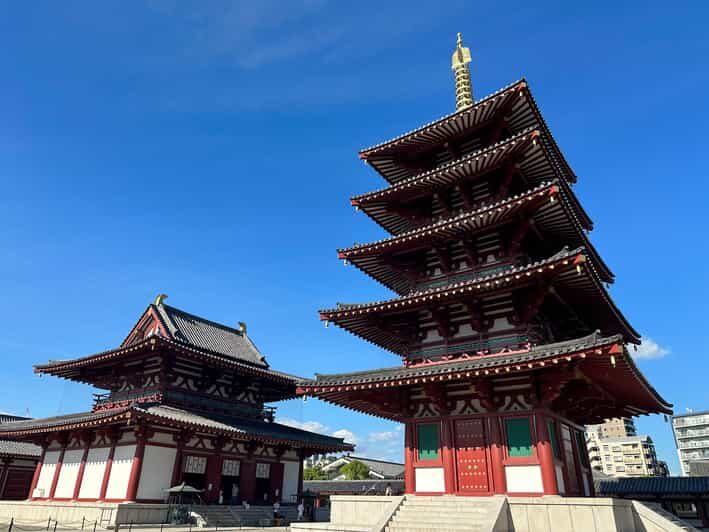
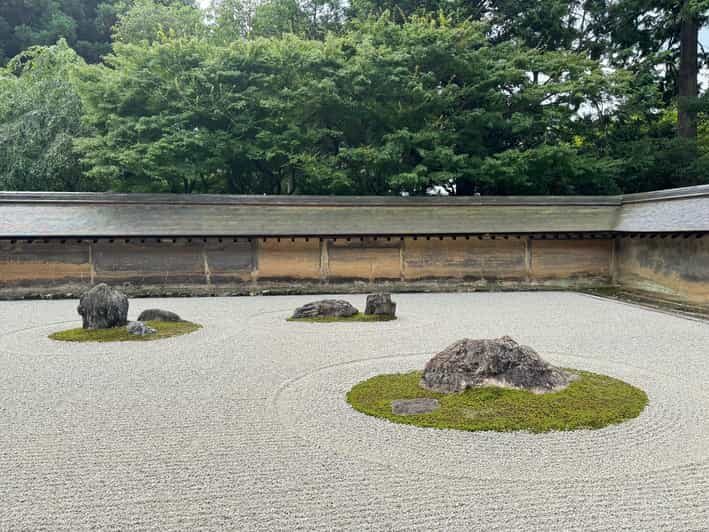
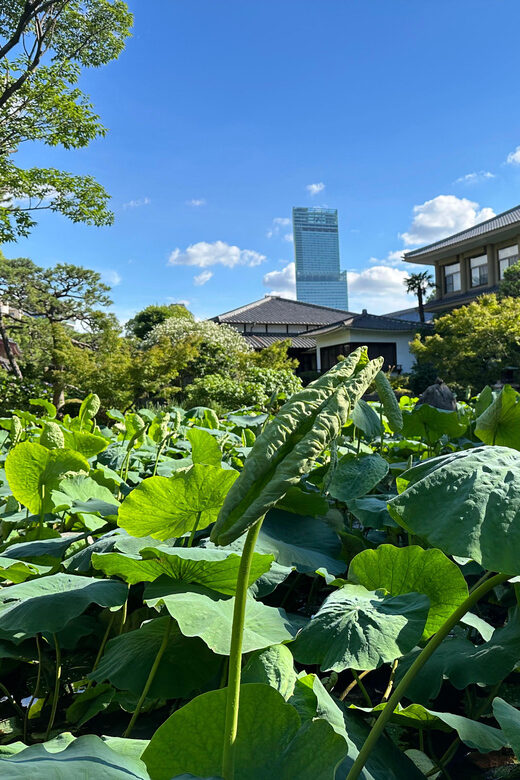
Then comes the garden—one of the best reasons to book this particular tour. You get entry to the Honbou Japanese Garden, and you’ll have guided time for it.
Japanese gardens can be tricky. If you don’t know what you’re looking for, you can end up thinking you’re just watching greenery. With a guide, you understand the garden as a designed experience: pathways, sightlines, and the way stillness is part of the architecture of calm.
This is where you’ll feel the difference between a hurried temple visit and one that actually gives you a breath. The garden’s tranquility is a highlighted feature, and it shows up in how the schedule is built: you don’t just stop for one quick glance and move on.
Photo tip, without getting too obsessive: pause before you snap. Let your eyes adjust. In gardens, the composition often makes more sense after you stop moving.



Stop 4: Viewpoint Stop for Context Beyond the Temple Walls
A short viewpoint stop rounds out the experience with a helpful change of pace. You’ll have guided time for sightseeing from a viewpoint.
Why include this? Because it helps you place Shitennoji in Osaka. Temples don’t sit in isolation. They’re part of the city’s history and geography. A viewpoint moment gives your brain a broader map, so the temple feels like it belongs to a real neighborhood story, not just a tourist photo spot.
If you like history, this is also a nice bridge between the sacred and the practical. You’re reminded that the temple is old, but the city around it is alive and changing.
Finish at 本坊庭園(極楽浄土の庭)
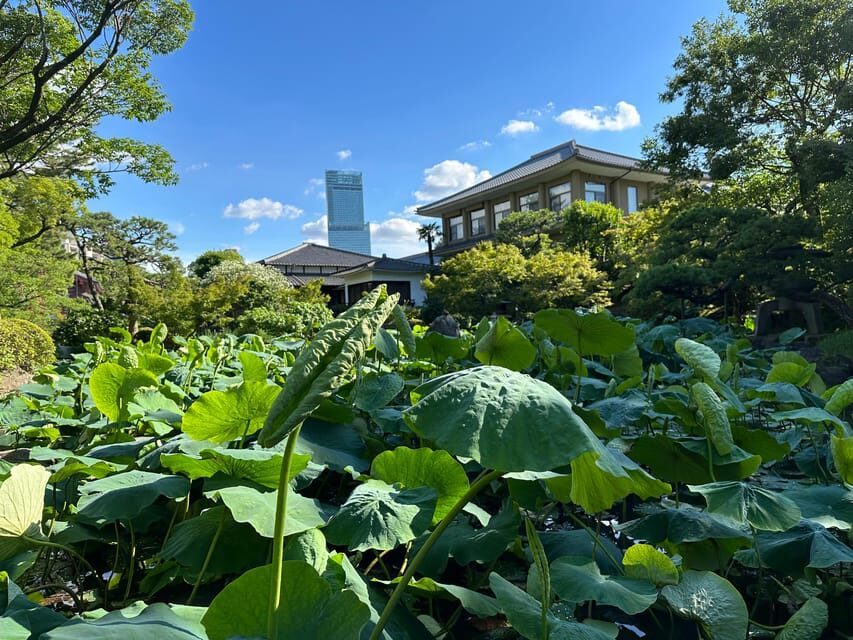
The tour finishes at 本坊庭園(極楽浄土の庭). Even the name points to the idea of an idealized realm—something spiritual and symbolic that gardens often express through layout, perspective, and mood.
This ending matters. Finishing in the garden zone helps you leave on a calm note instead of rushing back out right after the central buildings. It’s a gentle close that fits the theme of the day.
If you’re the type who likes to linger when something clicks, this finish point is a good moment to slow down, take a few last photos, and just absorb the quiet.
Private Guide Value: What You’re Really Paying For at $60
$60 per person for a private tour sounds straightforward, but the value depends on what you want from Osaka.
If you want a “see it, stamp it, move on” day, you could probably piece together a DIY temple visit. But if you care about meaning, this price starts making sense quickly. The tour includes:
- Entry tickets to the central temple area and the Honbou garden
- A live guide (English and Japanese)
That means you’re paying for context and time. A guide helps you understand why Shitennoji is important (Prince Shotoku, early Buddhism in Japan) and helps you interpret what you’re looking at (central buildings, the garden design, the spiritual vibe). You’re also getting a private format, so questions don’t have to wait for a group leader to find the next pause in the schedule.
And based on guide feedback, the best part may be the human connection. One review highlighted Adi’s ability to connect temple history with Osaka’s modern life and offered helpful advice for someone’s first stay in Japan. That’s the kind of value you only get with a real guide, not a pamphlet.
What to Expect on the Ground (and How to Prep)
This is a temple experience with a guided pace, so plan for walking and time outdoors.
A few practical prep ideas:
- Wear comfortable shoes. Temple grounds involve uneven surfaces and slow walking.
- Bring water. Food isn’t included, and a garden visit can take longer than you think when you’re actually enjoying it.
- Keep your expectations calm. Shitennoji is significant, but it isn’t framed as a loud “must-see parade” the way some other stops are.
Also, don’t worry if you’re not a Buddhism expert. The tour is set up for people who want the story explained clearly. That’s the point of having an English or Japanese guide in the first place.
Language note: the tour is offered in English and Japanese. If you want the richest experience and you’re comfortable with Japanese, ask about language timing. If not, English will still give you the core meaning.
Who This Tour Suits Best
This is a great fit if you:
- Want a quieter Osaka experience with a strong cultural base
- Enjoy temple history but don’t want to spend hours researching before you go
- Prefer a private format where you can ask questions
- Care more about a garden moment than ticking off a long list
It may be less ideal if you:
- Only want the biggest, most crowded “headline” attractions
- Are strictly looking for food or shopping during a tour window
- Hate structured walking schedules, even if they’re short
Should You Book This Private Shitennoji Tour?
I’d book it if you’re in Osaka and you want one meaningful temple moment done right. The combination of central temple access, Honbou garden entry, and a private guide makes it feel efficient without being rushed. And the garden tranquility is the kind of payoff that stays with you after you leave.
I wouldn’t book it as your only temple plan if you’re chasing the most famous Osaka temple crowd vibes. Shitennoji is important, but this experience leans calm and reflective.
If your goal is to understand Osaka’s older spirit, learn why Prince Shotoku’s legacy still matters, and end in a peaceful garden setting, this tour is a solid choice.
FAQ
Where does the tour meet?
Meet your guide in front of the Stone Torii Gate at Shitennoji temple. Your guide will be holding a yellow sign with the DeepExperience logo.
How long is the tour?
The duration is listed as 90 minutes.
What’s included in the price?
Entry tickets to the Central Temple and Honbou Japanese Garden are included, along with a live guide.
Is this a private tour?
Yes, this is a private group tour.
What languages is the guide available in?
The live tour guide is available in English and Japanese.
Is food included?
No, food is not included.