REVIEW · OSAKA
Sumo Tournament Experience in Osaka
Book on Viator →Operated by Japan Awaits · Bookable on Viator
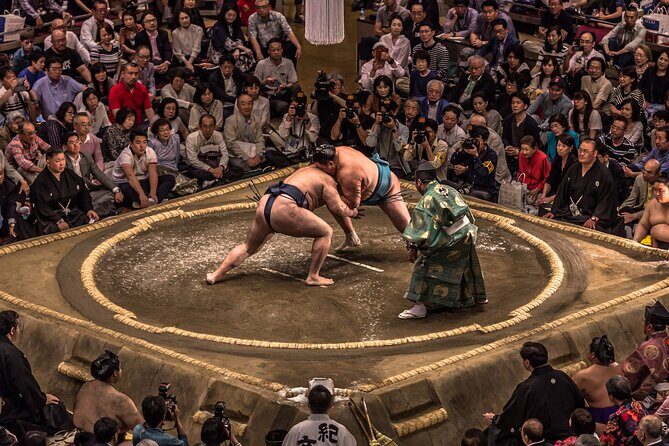
Sumo in Osaka is louder than you expect. This official basho experience pairs an English-speaking sumo expert with reserved stadium seating, so you’re not just watching—you’re following what’s happening and why. I like that your seats are planned in advance (from D up to A/S), and I love the audio headset for clear explanations during the action. One thing to plan for: there can be a wait before you’re seated, because the arena seating happens after the matches end.
The event is timed to the big annual moment in Osaka (the March tournament), so it feels more special than a random day at a museum. You also get a small “gear-up kit” on the way in: a banzuke-style rankings table and a pamphlet to help you recognize names and roles as the bouts unfold.
And yes, it’s group travel—up to 24 people—so you’ll move together rather than roam. If you hate crowds or you’re the type who wants total freedom, you may find the pace a bit structured. But if you’re after a smart, guided way to experience sumo at its best, this does the job.
In This Review
- Key things to know before you go
- March Sumo in Osaka: Why this timing matters
- EDION Arena Osaka: what the 4–5 hour match day feels like
- Your English sumo expert: how the guide turns noise into meaning
- Reserved seats at EDION Arena: choosing D, B/C, or A/S
- The tour rhythm around the matches (and why waiting is normal)
- Optional dinner: chanko nabe (and the sukiyaki or vegetarian switch)
- Price and value: is $142.40 a fair deal?
- Who this Osaka sumo tour is best for
- Practical tips to make your afternoon smoother
- Should you book the Sumo Tournament Experience in Osaka?
- FAQ
- Is the sumo tournament in Osaka only in March?
- How long is the experience?
- Where does the tour take place?
- What time does the tour start?
- Is the admission ticket included?
- What seat options are available?
- Are audio headsets provided?
- Is dinner included?
- What is the dinner option if I select dinner?
- Can I bring outside food or drinks into the arena?
- What if I’m late to the meeting point?
Key things to know before you go
- March only in Osaka: this is built around the annual tournament that takes place once a year in the city
- Reserved seat tiers (D, B/C, A/S): you choose the view level, and binoculars are recommended for closer viewing
- English sumo expert + audio headset: you’ll hear explanations clearly while you watch
- Banzuke-style rankings table included: helps you track wrestlers and the day’s context
- Optional chanko nabe dinner: an actual sumo-style hot pot meal, with sukiyaki or vegetarian options by request
March Sumo in Osaka: Why this timing matters
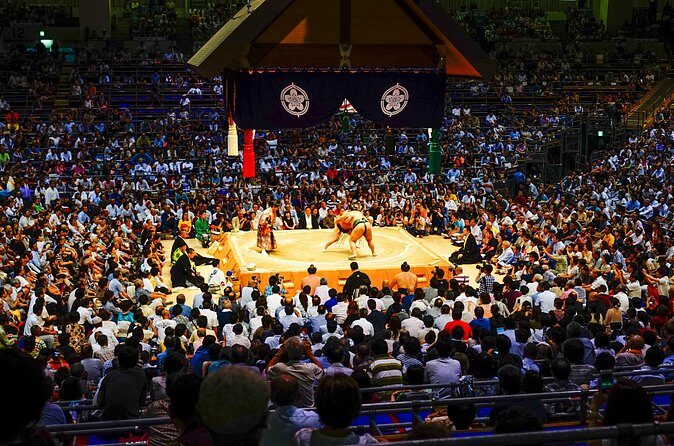
Japan runs sumo tournaments—official basho—six times a year, and each one lasts 15 days. For this tour, the focus is the Osaka edition in March, which makes the whole experience feel like a snapshot of sumo at peak public attention, not a casual off-season peek.
That timing matters because you’re seeing the sport in its “real season” format: scheduled bouts, familiar stadium rhythm, and the kind of fan energy that builds around each day of the tournament. Even if you know nothing going in, the guided context helps you connect the traditions to what you’re actually watching.
It also means your planning window is narrow. If you’re visiting Osaka outside March, you’ll be looking at other sumo-related experiences instead. Here, you’re committing to the main event.
You can also read our reviews of more tours and experiences in Osaka.
EDION Arena Osaka: what the 4–5 hour match day feels like
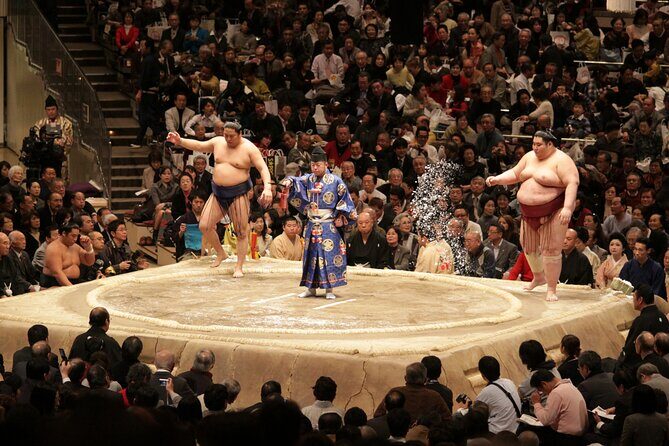
This is a 4-hour official basho experience, with the full tour time listed as about 4 to 5 hours. It starts at 2:00 pm, which is helpful because it avoids an early-morning scramble and lets you build a normal day around it.
You’ll meet near public transportation and head into EDION Arena Osaka with your group. Seating happens after the tournament schedule clears, so there may be a wait before you’re allowed into your seats. That’s not a problem with the tour—it’s how the venue manages people as different bouts conclude. If you’re prone to getting antsy, bring a calm mindset and water (you can buy drinks inside; outside food and drinks are not allowed).
The other thing to know is that you’re not going to wander the stadium freely as a solo visitor. This is structured group time: you follow your guide, you stay together, and you focus on the matches. If your main goal is to understand sumo fast and see the bouts from good seats, that structure is a feature, not a bug.
Your English sumo expert: how the guide turns noise into meaning
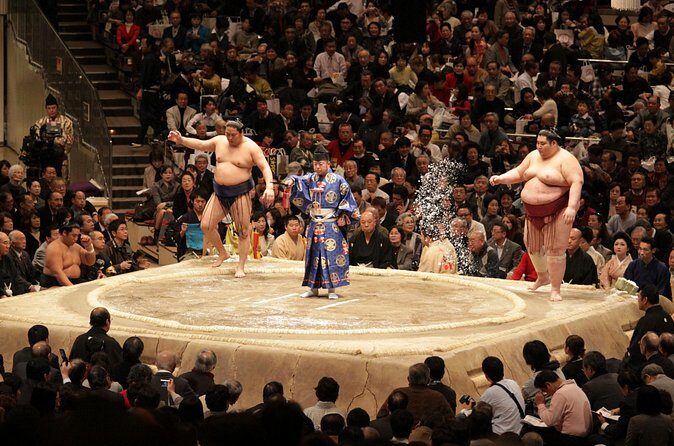
I like guided sumo because it makes the whole thing legible. Sumo is full of ceremony—things move slowly right before the action, and there are lots of rules fans learn over years. With an English-speaking guide who’s an expert in sumo wrestling, you’re not just listening to general facts. You get explanations that match what’s happening in the ring.
You’ll learn about preserved traditions, including ritual elements such as the use of salt purification. That’s the kind of detail you’d easily miss if you just watched passively. With the guide’s context, you can see the meaning behind the steps, instead of treating them as background choreography.
You’ll also hear about famous wrestlers—both historical and current. Since you’re provided with a banzuke-style rankings table, the names and roles make more sense as you watch bouts progress. And because you get an audio headset, you’re not forced to lean in and shout over stadium noise. That headset matters. In a venue like this, you’ll forget about “hearing the guide” unless you’re supplied with the right tech.
One guide name that showed up in feedback is Yuka, praised for being easy to find and warm. That’s not a guarantee you’ll have the same guide, but it’s a clue about the kind of personality you may encounter: someone comfortable talking sumo in a friendly, approachable way.
Reserved seats at EDION Arena: choosing D, B/C, or A/S
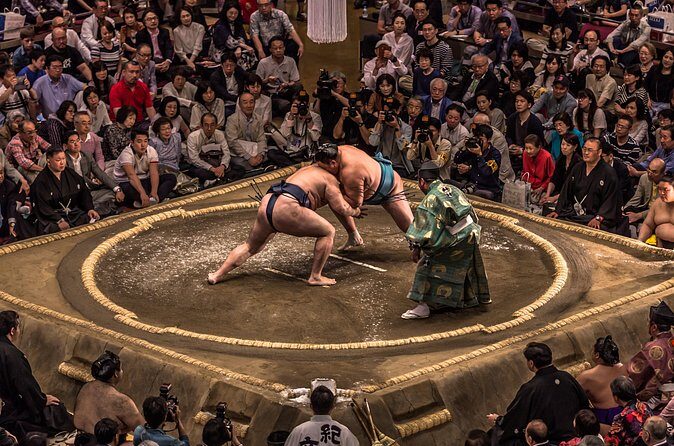
Your seat tier is one of the biggest value levers in this tour, and it’s worth choosing carefully.
- Basic (D-class seats) are in the upper corners. The view is full but distant. The arena is compact, so visibility usually stays clear, but binoculars are recommended if you want details in the ring.
- Standard (B or C-class seats) are chair seats with good visibility of both the ring and the atmosphere. If you want the “I’m watching the fight, not just the stage” feeling, this is often the sweet spot. Again, binoculars help.
- Premium (A or S-class seats) are closest to the ring, in the front arena section. This is the most exciting option if you want to feel how physical the bouts are.
Because this is reserved seating, you’re not stuck trying to figure out where to stand once you arrive. You’re allocated a seat tier in advance by your selection, which makes the whole day smoother.
Here’s the trade-off in plain terms: the higher the tier, the more money you spend—but also the more you can actually see. If you’re traveling with someone who cares about the action and you want photos and close-looking details, it can be worth stretching for better seats.
The tour rhythm around the matches (and why waiting is normal)
Even with reserved seats, you may experience congestion at certain areas, and there can be a wait prior to seating. The reason is simple: the tour group has to enter after the preceding matches have ended.
Also, the Sumo Museum area can get crowded. If that happens, your guide may ask you to visit on your own rather than trying to keep a large group moving through tight spaces. So if you’re the type who loves museums, you should treat it as optional time, not the core of the day.
This is why I recommend you keep expectations realistic: the tour is about the tournament experience in the arena, not about constant sightseeing stops. If you want a smooth “learn, watch, cheer” flow, you’ll like how this is set up.

Optional dinner: chanko nabe (and the sukiyaki or vegetarian switch)
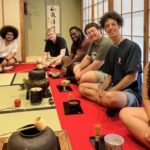
One of the best value add-ons here is food that matches the sport. If you select dinner at checkout, you’ll get chanko hot pot, a sumo-style meal commonly linked with training stables.
The details you should know:
- The default dinner is chanko nabe broth (and the listing notes it’s typically made with pork or chicken, unless you request vegetarian).
- If you request sukiyaki or vegetarian, it needs to be submitted at least one week in advance.
- Dinner is described as without drinks by default.
Chanko nabe is practical for wrestlers because it’s a hot pot designed for cooking in larger batches—useful when many people eat around the same time after training. As a visitor, that context makes the meal more than just comfort food. It’s a look at how sumo culture supports a wrestler’s daily rhythm.
If you have dietary restrictions, use the special requirements field at checkout and keep your request realistic based on what the restaurant can substitute. The key is timing: changes aren’t allowed inside the one-week window after your request is accepted.
Price and value: is $142.40 a fair deal?
The price is listed at $142.40 per person, and the tour includes a lot of “hidden” value that DIY plans often miss.
You’re paying for:
- An admission ticket to the basho experience
- A licensed setup with an English-speaking sumo expert
- Reserved seating already handled for you
- Audio headset
- A banzuke-style rankings table and pamphlet
- A service fee for ticket handling
You’re also paying for time savings. Buying the right seat tier at the right time, figuring out entry flow, and matching match context to what you’re seeing can be confusing—especially if you don’t speak Japanese. Here, the structure does that thinking for you.
The trade-off is flexibility. This is non-refundable and can’t be changed, so you’re committing. If your plans are shaky, that’s the part to weigh. If you’re sure you’ll be in Osaka in March and you want the tournament day experience without stress, it reads like good value.
Who this Osaka sumo tour is best for
This tour is especially suited to:
- First-timers who want to understand sumo’s traditions in real time
- People who care about good seating more than random wandering
- Travelers who like having a local expert explain what they’re seeing, not just where to go
It’s less ideal if you:
- Want total freedom and do-it-yourself pacing
- Don’t handle crowds well, since this is group-sized and involves venue congestion
- Get impatient with any waiting before seating
If you’re traveling with family, the mix of chair seating, guided explanations, and stadium energy can work well—just remember that sumo has both quiet ceremony moments and intense bouts, so bring the mindset that the “quiet parts” matter too.
Practical tips to make your afternoon smoother
Here’s what will help you get the most out of the experience.
- Arrive early enough: the group asks guests to arrive at least 10 minutes before the 2:00 pm start. In a group tour, being late can leave you waiting for the next stop.
- Bring binoculars if you have them (or plan to borrow/buy if allowed). Even in Standard tiers, binoculars are recommended for closer viewing.
- Don’t plan on outside snacks: the arena doesn’t allow outside food or drinks. Vendors inside can fill the gap.
- Use the headset: it’s provided so you can hear explanations cleanly. Put it on early and keep it handy.
- Treat the museum as optional: if congestion is heavy, your guide may shift focus away from walking through it together.
A small note on the group size: you’ll be in a group of up to 24, and there’s a stated minimum number needed to operate. If the minimum isn’t met, the tour may be canceled and you’ll be offered an alternative date/experience or a full refund.
Should you book the Sumo Tournament Experience in Osaka?
If you’re in Osaka during March and you want sumo at full power, I’d book this. The big reasons are the guided explanations that make the ceremony and rules click, plus the reserved seats that remove the hassle of figuring things out on the fly.
Choose this especially if:
- You want English guidance with expert context
- You care about seat location enough to select D vs B/C vs A/S
- You might add the chanko nabe dinner to round out the culture piece
Skip it if:
- Your schedule is uncertain (because there’s no flexibility once booked)
- You hate waiting and crowds, since seating and venue movement can be slow at peak times
- You’re expecting a lot of freedom between stops
FAQ
Is the sumo tournament in Osaka only in March?
Yes. This experience is for the official basho that takes place in Osaka in March.
How long is the experience?
The experience is about 4 hours, with the overall tour time listed as approximately 4 to 5 hours.
Where does the tour take place?
The main stop is EDION Arena Osaka.
What time does the tour start?
The start time is 2:00 pm.
Is the admission ticket included?
Yes. Admission ticket is included, and you’ll receive reserved seats as part of the package.
What seat options are available?
You can select Basic (D-class seats), Standard (B- or C-class seats), or Premium (A- or S-class seats). Reserved seats are arranged in advance based on your selection.
Are audio headsets provided?
Yes. Audio headset is included so you can hear the guide clearly.
Is dinner included?
Dinner is included only if you select the dinner option at checkout.
What is the dinner option if I select dinner?
The default dinner is chanko hot pot (without drinks). You can request sukiyaki or a vegetarian option on the “Special Requirements” field at least one week in advance.
Can I bring outside food or drinks into the arena?
No. Outside food and drinks are not allowed in the arena.
What if I’m late to the meeting point?
You’re asked to arrive at least 10 minutes early. If you’re late, the tour may begin without you, and you can meet the group at the next location using the tour guide’s provided phone number.