REVIEW · TOKYO
Calligraphy Experience at Tokyo Ginza and Tsukiji Area
Book on Viator →Operated by Hanabusa_calligraphy · Bookable on Viator
Brushstrokes, then instant pride. A private calligraphy class in Tsukiji turns Tokyo noise into a focused, creative hour and a half with Yuko sensei and her assistant Kenji-san. You’ll learn the basic mechanics, then write a word that feels like yours.
What I like most is the one-on-one feel. You can ask questions without waiting for a group, and the pacing stays friendly even when your first strokes wobble. The other big win: you’ll leave with finished pieces for display at home, not just photos.
The only thing to consider: calligraphy takes concentration. If you’re hoping for a purely hands-off souvenir hunt, this may feel like work—even though it’s fun work.
In This Review
- Key calligraphy class takeaways
- Tsukiji calligraphy, right where Tokyo smells like real Tokyo
- Your 1 hour 30 minutes: the lesson flow that keeps you from freezing up
- Choosing your word: how to make the final piece feel personal
- Tools are included, so focus stays on your strokes
- Take-home calligraphy: more than a souvenir
- Where to go after: Ginza shopping and Tsukiji food street ideas
- Price and value: $51.24 for private instruction that leads somewhere
- Who should book this calligraphy class
- FAQ
- Where does the calligraphy class start?
- How long is the private calligraphy lesson?
- What’s included in the class price?
- How does the class work if I don’t know Japanese characters?
- Is this a private class or a group lesson?
- Do I need transportation to get there?
- What if I need to cancel?
- Should you book this Tokyo calligraphy workshop?
Key calligraphy class takeaways
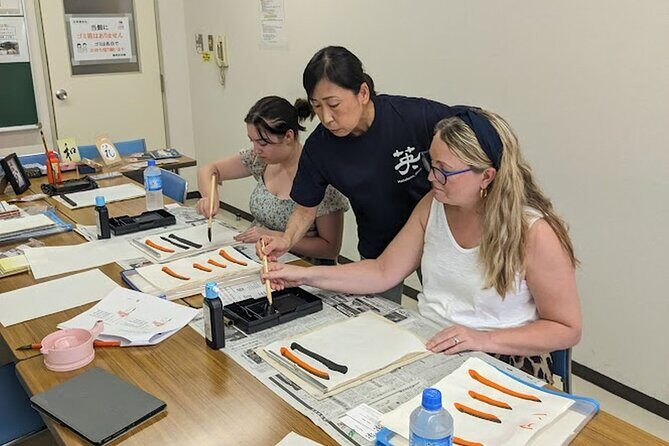
- Private instruction with room for questions so you’re not guessing how your brush should move
- Step-by-step progression from pattern practice to writing a harder character
- A personal Japanese word you choose, so your final piece feels meaningful
- Tools are provided (brush, ink, paper, and paper stone), so you can travel light
- Photos during the class help you remember the day, even after your ink dries
- Tsukiji and Ginza are right there for an easy add-on of food and shopping
Tsukiji calligraphy, right where Tokyo smells like real Tokyo
Tsukiji is a smart base for a calligraphy class because it doesn’t feel like a staged tourist set. You start in Chuo City, Tsukiji (3-chōme-15-1), then you’re close to two very different Tokyo moods: the sleek retail streets around Ginza, and the food-focused energy near Tsukiji’s food street.
The class itself is also set up for comfort. It’s private, meaning it’s only your group. That matters more than it sounds. When instruction is one-on-one, you don’t lose time translating what someone else is doing or watching a teacher correct ten people at once.
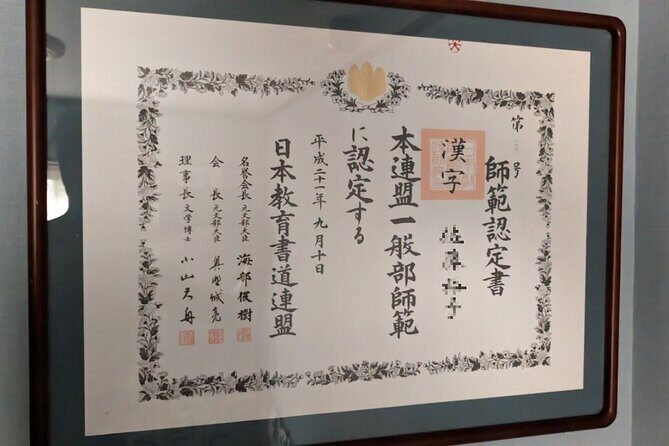
And yes, this is taught by professionals. Yuko sensei is authorized by the Japan Educational Calligraphy Federation and is a professional calligraphy writer, with Kenji-san assisting and keeping things moving with patience and humor, according to what people found in the learning experience.
You can also read our reviews of more tours and experiences in Tokyo.



Your 1 hour 30 minutes: the lesson flow that keeps you from freezing up
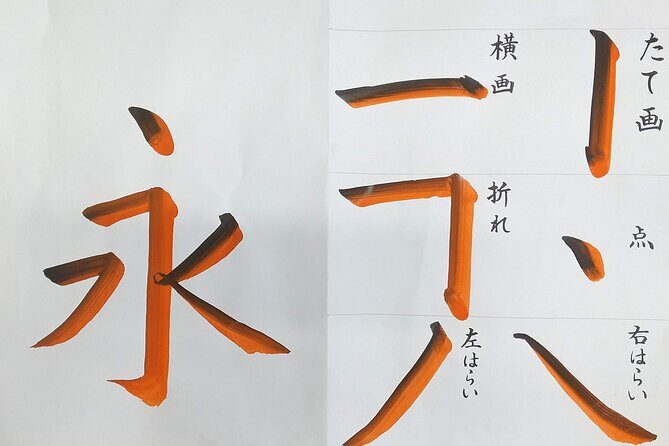
This isn’t a lecture where you admire a finished scroll. You’re actively making marks from the start. The rhythm is clear and practical:
Step 1: Basic pattern writing.
You start with foundations—learning how the brush behaves, how ink pools, and how strokes connect. This is where most people feel the biggest difference between calligraphy and regular handwriting. The goal isn’t speed. It’s control.
Step 2: A challenge character.
Then you move into a more difficult character. This is the “okay, I get it now” moment, because your pattern practice stops being abstract. You can feel the teacher adjusting the way you hold the brush and how long you keep pressure on the downstroke.
Step 3: Choose your favorite Japanese word(s).
Finally, you pick the word(s) you want to write and complete your products. This step is what turns a lesson into a keepsake. You’re not just copying; you’re creating something that represents you—maybe a personal name, a concept, or a word you associate with a place in Japan.
The overall time is about 1 hour and 30 minutes. That’s a good length: long enough for real improvement, short enough that you don’t feel stuck for the rest of your day.
Choosing your word: how to make the final piece feel personal
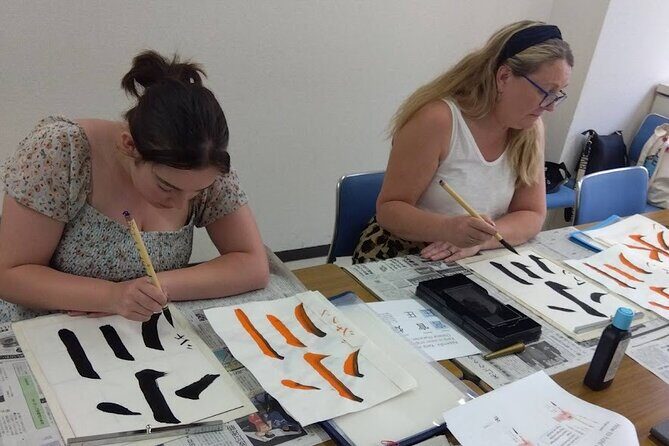
The class gives you a structure, but the outcome is personal. You start from patterns and one challenging character, then you get to choose your favorite Japanese word(s) and finish the products based on that choice.
Here’s how to make that decision work in your favor:
- Pick a word you actually care about, not just one that looks cool. Calligraphy is more fun when the word has meaning for you.
- If you’re unsure what to choose, ask questions. This class explicitly encourages you to ask your tutor as many questions as you like, and the instruction is designed to guide you to something you can complete confidently.
This part also helps you understand Japanese writing better. In the learning experience, people picked up the differences among kanji, hiragana, and katakana, and how they fit into the broader system of Japanese writing. Even if you don’t memorize everything, you’ll leave with a clearer sense of what you’re looking at when you see signs in Tokyo.
Tools are included, so focus stays on your strokes
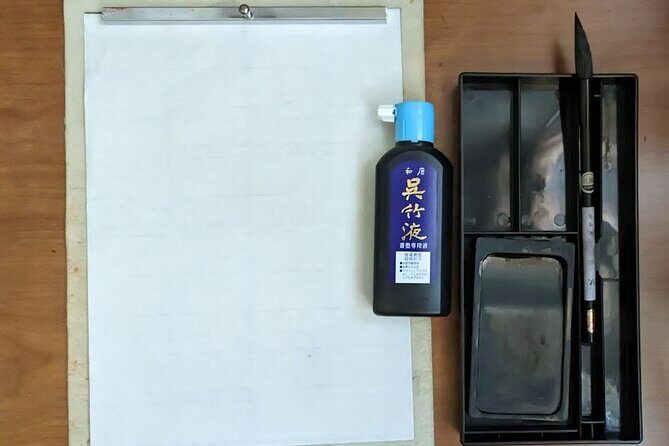
Calligraphy gets easier the moment you stop thinking about supplies. This experience includes the tools you need: brush, ink, paper, and a paper stone (plus whatever supporting setup is necessary for the lesson style).
That means you don’t have to:
- hunt for art materials before your class,
- guess what ink should look like,
- or worry about whether you packed the right kind of brush.
The included tools also improve the value of the price. You’re paying for private teaching, plus the physical materials that let you produce take-home work. You’re not leaving the lesson and discovering you still have to buy the basics.
Take-home calligraphy: more than a souvenir
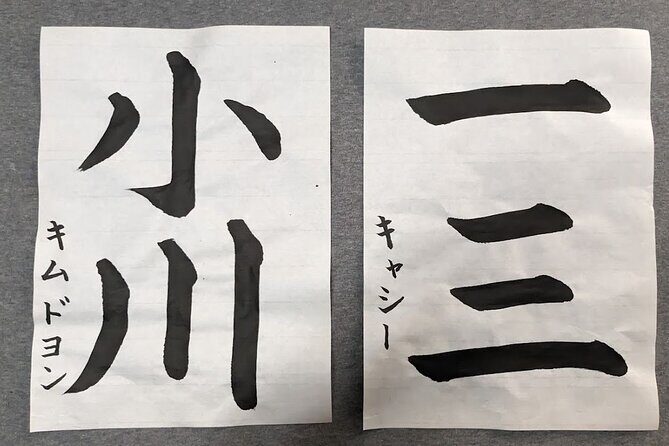
The ending goal is simple: make calligraphy products for display at home. You’ll take your creations with you, and the class is designed so you can finish something you feel proud of.
Two practical details make this especially worthwhile:
You’ll get help refining your strokes during the process.
Private instruction means corrections can happen in real time. That’s important when your brush angle, pressure, and stroke length all affect the final character.
You’ll get photos from the session.
One learning experience highlighted that photos were taken and shared so there’s a record of your process and your finished work. That’s useful because calligraphy art can look different once the ink fully settles, dries, and is photographed under different lighting.
If you’re the kind of person who likes to remember a trip with something you can display—not just a postcard—this fits your style.






Where to go after: Ginza shopping and Tsukiji food street ideas
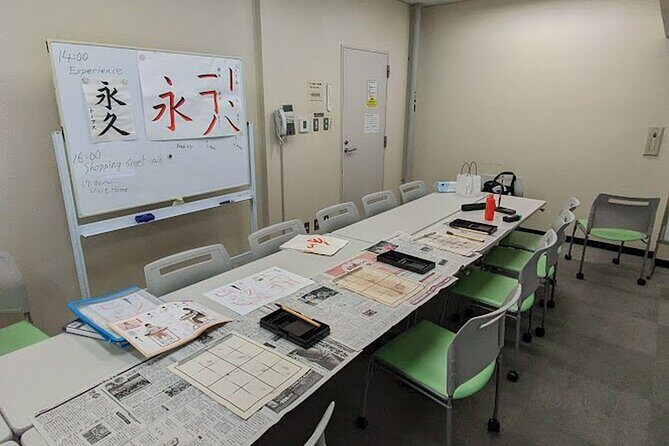
The class doesn’t keep you bottled up in a studio all day. It starts in Tsukiji, and you’re positioned perfectly for two easy add-ons.
Ginza shopping district (nearby).
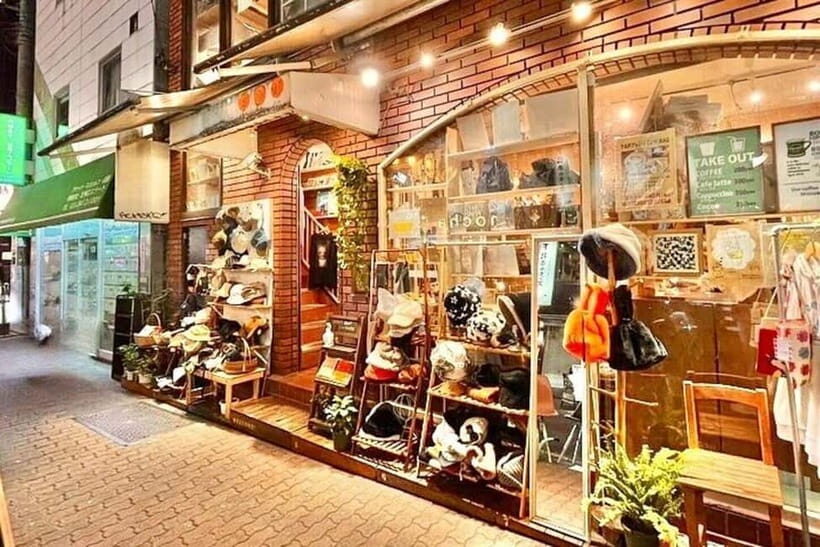
Ginza is great after a creative class because it lets you switch gears. Your brain is still in “making mode,” so shopping feels like part of the same experience: picking out a small gift, browsing stationery, or grabbing something practical you’ll actually use.
Tsukiji food street (nearby dinner option).
If you want a classic Tokyo evening, plan dinner around Tsukiji’s food street area. The lesson ends with time to enjoy the food around you, without turning your day into complicated commuting.
Tip: since your class is private and about 1 hour 30 minutes, plan your dinner nearby so you’re not rushing. Your calligraphy pieces need time to settle in your mind and your bag.
Price and value: $51.24 for private instruction that leads somewhere
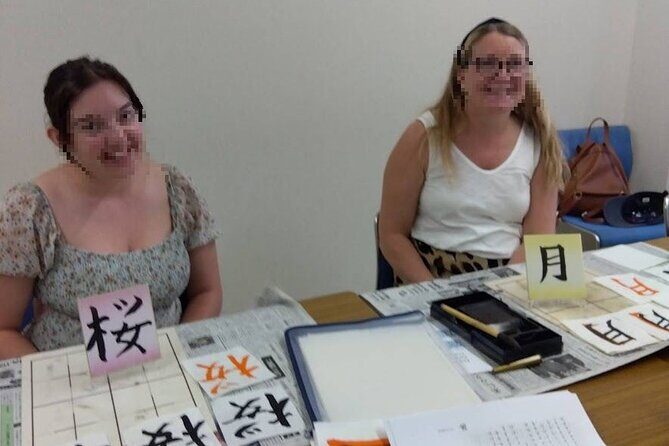
At $51.24 per person, this is priced like a real activity, not a casual demo. The value comes from three things:
- Private class format. You’re paying for instruction that’s tailored to your group only, not a shared schedule.
- A guided skill path. Patterns → challenging character → your chosen word(s). That structure gives you momentum.
- Take-home results. Tools are included, and you produce pieces for display at home.
What isn’t included is also clear. Private transportation is not included, so you’ll handle getting there on your own. The upside: it’s near public transportation, so you can keep logistics simple.
Also, the experience is described as basically no risk. That doesn’t mean you should ignore common sense, but you likely won’t be dealing with anything sketchy or physically demanding beyond careful brush work.
Who should book this calligraphy class
This is a strong fit if you want:
- a hands-on cultural skill you can practice later,
- a private experience where you can ask questions freely,
- and a real souvenir: finished calligraphy you can display.
You’ll probably enjoy it even more if you like learning how things work—why a stroke looks the way it does, how Japanese characters behave, and what makes the process feel different from everyday writing.
If you only want quick photos, prefer highly social group games, or hate anything that requires sitting and concentration, this might feel slower than you want. But if you can give it your attention for 90 minutes, it’s one of those Tokyo activities that turns into a memory you can see on your wall later.
FAQ
Where does the calligraphy class start?
The class starts at 3-chōme-15-1 Tsukiji, Chuo City, Tokyo 104-0045, Japan. It ends back at the meeting point.
How long is the private calligraphy lesson?
The experience is approximately 1 hour 30 minutes.
What’s included in the class price?
Your class includes tools for calligraphy such as brush, ink, paper, and paper stone.
How does the class work if I don’t know Japanese characters?
You’ll start with basic pattern writing, then practice a difficult character, and finally write your favorite Japanese word(s). The instruction is private and allows you to ask questions.
Is this a private class or a group lesson?
This is a private tour/activity. Only your group participates.
Do I need transportation to get there?
Private transportation isn’t included, but the meeting area is near public transportation, so you’ll likely use trains or other transit to reach the start point.
What if I need to cancel?
You can cancel for a full refund up to 24 hours before the experience’s start time. If you cancel less than 24 hours before, the amount paid is not refunded.
Should you book this Tokyo calligraphy workshop?
Yes—if you want a Tokyo memory with actual skill and a take-home result. A private class with Yuko sensei and Kenji-san gives you the coaching time you need, and the structure (patterns to a challenging character to your chosen word) keeps the lesson from feeling random.
Book it especially if you enjoy making something yourself rather than just collecting photos. If you hate sitting still or you want only sightseeing, you might prefer a lighter activity. But if you’re looking for a calm, creative pocket of Tokyo that ends with artwork you can display at home, this one makes a very solid case.