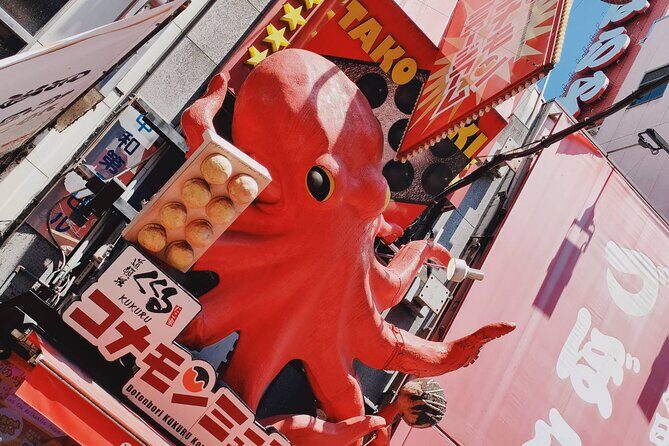
Tokyo’s otaku side hits fast. This small-group Akihabara walk focuses on anime, manga, and video games while routing you to the stores most people skip. I especially like the free stops with real variety, from an exhibition that changes every couple of months to a retro gaming shop stocked with old-school hardware. One thing to plan for: you’ll likely want to buy stuff, and merchandise isn’t included, so this tour can turn into a shopping budget test.
The best part is the guide. The tour is led by an English-speaking pro (often mentioned as iNok), and the tone is part trivia, part practical shopping advice, with a sense of humor that works for both teens and adults. If you prefer browsing with no talking at all, this may feel a bit structured—still, it’s the kind of structure that helps you get your bearings fast in Akihabara.
In This Review
- Key things to know before you go
- Akihabara, simplified: a guided path through anime and games
- Starting point near Sotokanda: where the 2-hour plan begins
- What to bring (so shopping doesn’t become a hassle)
- Stop 1: Tamashii Nations Store Tokyo and the rotating anime exhibition
- Why this stop is worth the quick time
- A possible drawback
- Stop 2: Akihabara Radio Kaikan for figures, models, and small buys
- What you can expect to find
- How the guide helps here
- Stop 3: Super Potato for retro gaming and old-school hardware
- Why retro games feel special in Akihabara
- Consideration
- Stop 4: gee store!! for anime clothing and themed items
- What to watch for
- Why this stop works after the collectibles
- The guide’s real value: humor, tailoring, and smart browsing
- Price and value: what $39.09 buys you in Tokyo
- Where the value is strongest
- Where the value depends on you
- Who this Akihabara anime manga video games tour is for
- A few practical tips to get the most from each stop
- Should you book this Akihabara tour?
- FAQ
- How long is the Tokyo Akihabara Anime Manga Video Games and Hidden Gems Tour?
- How much does the tour cost?
- What’s included in the price?
- What’s not included?
- Are the store visits free?
- What is the cancellation policy?
Key things to know before you go
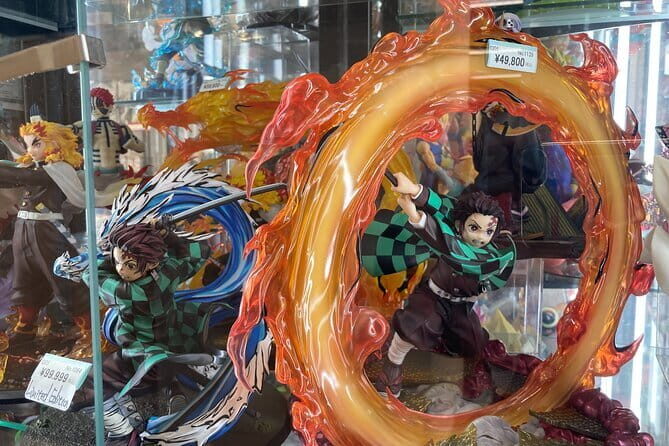
- Small group (max 10): easier questions, less waiting, and a pace that can match your interests.
- Free admission stops: the itinerary’s featured locations list free entry, so your main cost is the guide and your own purchases.
- Exhibition that changes every ~2 months: Tamashii Nations Store Tokyo keeps things fresh if you’re returning or traveling more than once.
- Retro gaming stop with very old hardware: Super Potato is the place for serious nostalgia, including NES-era gear.
- Figure-and-model shopping focus: Akihabara Radio Kaikan is built for collectibles, from big figurines to small add-ons.
- Anime fashion and novelty items: gee store!! is where you can find apparel and themed items (not just posters).
Akihabara, simplified: a guided path through anime and games
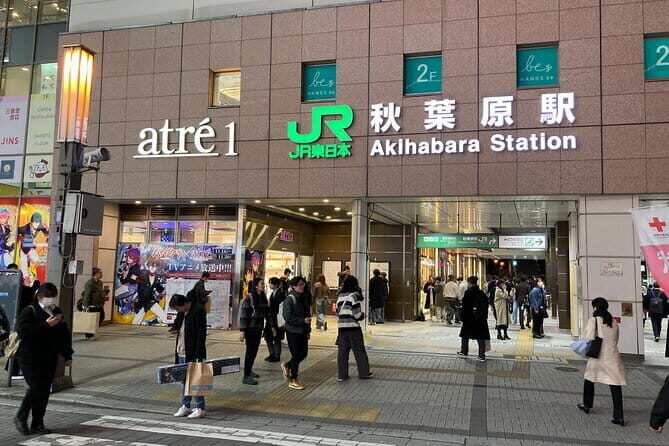
Akihabara can be overwhelming in a hurry. Between streets packed with shops and endless product categories, it’s easy to wander without learning anything—or accidentally miss the places that match your fandom.
This tour keeps you moving in the right direction for two hours, with an English-speaking guide doing the heavy lifting: what to look for, what each shop is actually known for, and how anime/manga/video game culture shaped the area. For you, that means less guesswork and more time inside the shops where the good stuff lives.
You can also read our reviews of more tours and experiences in Tokyo.



Starting point near Sotokanda: where the 2-hour plan begins
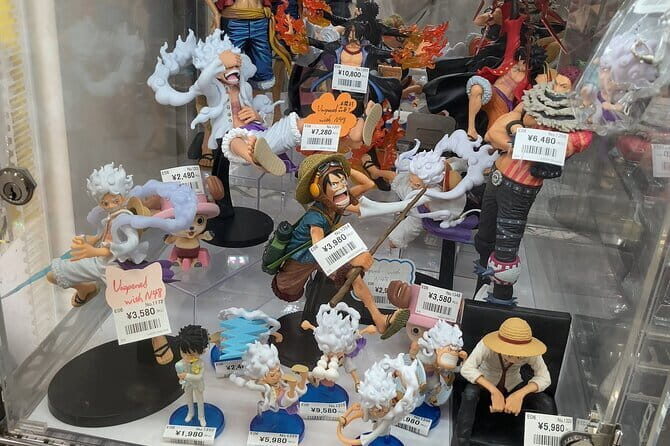
The tour meets at 1 Chome-17 Sotokanda, Chiyoda City, Tokyo 101-0021, Japan, and it returns you back to the meeting point when you’re done. Since you’re on foot, being near public transportation matters, and this area is set up for easy access.
What I like for first-timers is that you’re not required to be Akihabara-literate before you arrive. You’re basically being dropped into the main action area with a route built around the specific types of stores the tour highlights.
What to bring (so shopping doesn’t become a hassle)
- Comfortable walking shoes, because you’re moving between multiple stores
- A plan for payments if you’re aiming to buy merchandise (since purchases aren’t included)
- A small bag for souvenirs you can’t easily carry around all day
Stop 1: Tamashii Nations Store Tokyo and the rotating anime exhibition
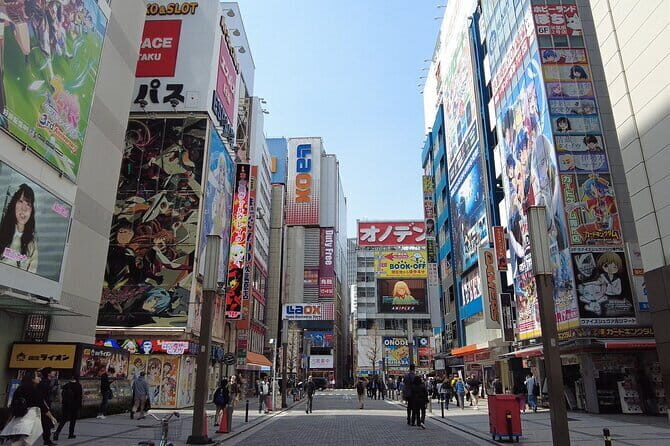
You start at Tamashii Nations Store Tokyo, where you’ll find an anime exhibition. The key detail here is that the exhibit changes every two months, so it’s not the same thing every time you come.
This stop is listed as a short visit (about 10 minutes) and free admission. For me, that makes it a strong opener: you get hit with the theme of the day—anime as a living, changing display—before you shift into stores that cater to purchasing and collecting.
Why this stop is worth the quick time
- It sets context for why Akihabara shops feel the way they do
- The rotating exhibit helps you avoid a “same-same” tour experience
- It’s a low-commitment way to get oriented before the collectible-heavy shops






A possible drawback
If you’re the type who loves long museum-style viewing, 10 minutes may feel too brief. The tour’s strength is movement and variety, not lingering.
Stop 2: Akihabara Radio Kaikan for figures, models, and small buys
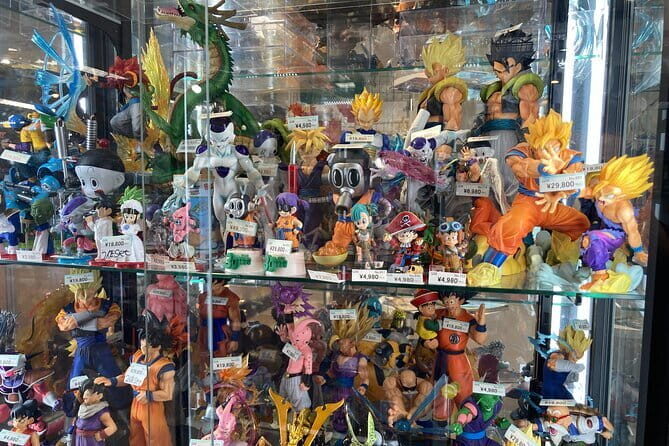
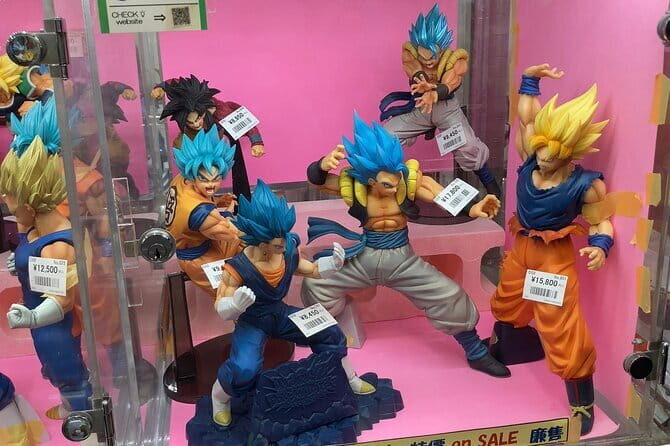
Next up is Akihabara Radio Kaikan. This is a classic Akihabara stop for collectors, with figurine and model-focused stores and a lot of smaller items you can grab without committing to a big-ticket purchase.
You get about 50 minutes here, and admission is listed as free. The tour also notes that there are over 5000 anime products you can buy in the building, so you’re not just looking at one corner of the universe—you’re stepping into an organized chaos of categories.
What you can expect to find
Radio Kaikan is ideal if you want:
- Figures and figurine accessories
- Model-related items (the kind that appeal even if you’re not building anything)
- Small souvenirs that are easier to carry than larger merchandise
How the guide helps here
This is where the guide’s shopping instincts matter. A good Akihabara route isn’t only about seeing shops—it’s about knowing where the “I didn’t realize I wanted that” items show up. The guide’s humor and ability to tailor the tour can also change what you notice, especially if you’re shopping with a teen who knows their franchises better than you do.
Stop 3: Super Potato for retro gaming and old-school hardware
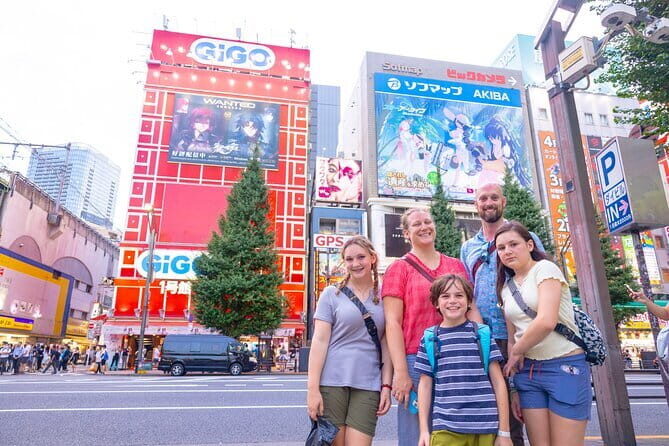
Then comes Super Potato, the retro gaming store that turns nostalgia into an actual shopping destination. The tour time is about 30 minutes, and admission is listed as free.
This is the stop that stands out for anyone who grew up watching or playing older consoles. The tour info even calls out the chance to see very retro devices such as NES—exactly the kind of detail that makes this shop feel different from a generic “video games” store.
Why retro games feel special in Akihabara
Modern gaming is everywhere, but classic hardware has a different energy. At a place like this, you’re seeing the physical artifacts of gaming history: the machines, the eras, and the design choices that defined whole generations.
If you’re traveling with a gamer, this is usually the moment their eyes light up first. If you’re traveling with someone who isn’t a hardcore gamer, it still works because the nostalgia is visual and easy to understand.
Consideration
Because you only have 30 minutes, don’t plan on making this a deep-diagnostics session for collecting rare hardware. Think of it as a look, a browse, and maybe a smart, limited purchase if something truly grabs you.
Stop 4: gee store!! for anime clothing and themed items
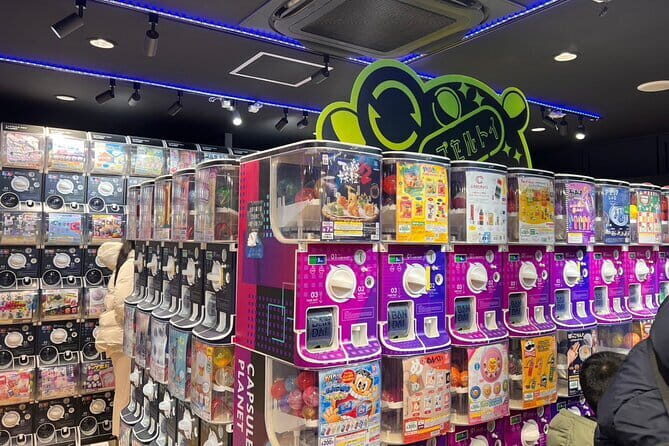
Your final stop is gee store!!, an anime clothes shop. The tour frames it as a place to buy anime-themed clothing and everyday items like t-shirts, plus themed goods such as foodies and similar novelty products.
This stop is about 30 minutes, with free admission listed. For me, this is a practical ending. After figures, models, and retro devices, clothing and wearable items are the kind of souvenir that’s easy to enjoy immediately without finding a special display spot at home.
What to watch for
- Sizes and styles that match what you’ll actually wear
- The difference between a “cool graphic” shirt and something that looks better in a shop than in person (rare, but it happens)
- Smaller themed items if luggage space is tight
Why this stop works after the collectibles
When you start with big visual merchandise, it can be hard to stop spending. Ending with clothes and novelty items gives you more flexibility: you can keep it to a single wearable purchase or grab a few smaller themed extras.
The guide’s real value: humor, tailoring, and smart browsing
The most consistently praised element is the guide. The reviews highlight a guide (often called iNok) who brings humor and tailors the tour to the group’s experience level—especially for a teen who’s deep into anime/manga/gaming, while still entertaining parents who want the fun and the context.
In practice, that matters because Akihabara isn’t just about shopping. It’s about “why this is here” and “how to find what you’ll actually like.” A good guide can point you toward stores that match your interests, and can also keep the pace from becoming either too fast or too slow.
If you’re traveling with mixed interests—say one person is all-in on retro games and another is more into fashion—this kind of tailoring turns the tour from a checklist into a personal experience.
Price and value: what $39.09 buys you in Tokyo

At $39.09 per person for roughly two hours, you’re paying for the structure and local guidance, not for admission fees or guaranteed purchases. The good news: the featured stops list free admission tickets, so your money mostly supports the English-speaking guide and the route between stores.
Where the value is strongest
- You want to see multiple distinct store types in a short window
- You’d rather spend your time browsing with context than wandering without a plan
- You like the idea of a small group (max 10), which reduces the “herding cats” feeling
Where the value depends on you
If you have zero intention to buy anything and only want to look, you may end up feeling like you’re paying for navigation and commentary. Still, the route is designed so even window-shopping gives you new perspective on otaku culture and what each shop focuses on.
Who this Akihabara anime manga video games tour is for
This tour is a strong fit if you:
- Love anime, manga, and video games and want a Tokyo plan that makes sense quickly
- Want an easy introduction to Akihabara’s relationship with Japanese geek culture
- Prefer a small-group walk where you can ask questions and adapt to your own interests
It’s also a good choice for families with older kids who know what they like. The tour is specifically described as suited to different knowledge levels, which is exactly what makes it work when parents and teens don’t share the same “favorite genre.”
A few practical tips to get the most from each stop
Because purchases aren’t included, you’ll get more enjoyment if you decide ahead of time what kind of souvenir you’re chasing.
- If you want figures or models, set a budget and stick to it before Radio Kaikan eats your afternoon.
- If retro hardware is your thing, keep your expectations realistic for time; focus on what’s most meaningful to you.
- If you want clothing, check sizing early at gee store!! so you don’t fall in love with a design that won’t work.
Also, remember you’ll be walking between stops. Taking a second to step back, breathe, and plan your next purchase helps avoid impulse regret.
Should you book this Akihabara tour?
Book it if you want a focused, store-to-store introduction to Akihabara with a real guide behind the scenes. The free entry stops, the retro gaming highlight at Super Potato, and the combo of figures/models plus anime fashion make it a well-rounded two hours for fans.
Skip or reconsider if you want a long, slow shopping day, or if anime/manga/video games aren’t central to your interests. This is a guided route built for people who want meaning and practical direction—not a free-form wander with no structure.
FAQ
How long is the Tokyo Akihabara Anime Manga Video Games and Hidden Gems Tour?
The tour runs for about 2 hours.
How much does the tour cost?
It costs $39.09 per person.
What’s included in the price?
The price includes an English-speaking guide and a walking tour.
What’s not included?
Merchandise purchases, and coffee and/or tea plus snacks are not included.
Are the store visits free?
The itinerary lists free admission tickets for each stop mentioned: Tamashii Nations Store Tokyo, Akihabara Radio Kaikan, Super Potato, and gee store!!.
What is the cancellation policy?
You can cancel for a full refund if you cancel at least 24 hours in advance. If you cancel less than 24 hours before the start time, the amount paid is not refunded.