REVIEW · TOKYO
Tokyo : Authentic Samurai Experience in a Private Space.
Book on GetYourGuide →Operated by rojicoya · Bookable on GetYourGuide
Samurai training, minus the crowds. In an old private house in Tokyo, you dress in kimono, learn basic Bushido etiquette, and handle a real sword—then you go head-to-head with a samurai. It feels theatrical, but it’s taught with actual technique.
Two things I really like: first, the small group (max 3 people) means the instructor can correct your form instead of rushing you. Second, the tea break at the end turns the whole thing from workout into conversation, helped by the host Yukari, who’s there for photos and serving.
One drawback to consider: this isn’t just a costume photo op. You’ll do sword movements and sparring drills, so if you’re worried about the blade or you dislike the feel of the edge, tell the team right away. They also note they won’t point the blade at you.
In This Review
- Key highlights you’ll remember
- Entering Tokyo’s Old-House Samurai Space
- Kimono Dressing and the Samurai-Style Costume Moment
- Bushido Etiquette and Sword Basics (Safety First)
- Real Sword Practice: From Controlled Swings to Sparring
- The Tea Break (Where It Turns Human)
- Price and Value: Is $322 Worth It?
- Who This Samurai Experience Fits Best
- Tips to Get More Out of Your Session
- Should You Book This Samurai Experience in Tokyo?
- FAQ
- How long is the Tokyo samurai experience?
- What’s the price per person?
- Is it a small group?
- Do you get a kimono and samurai outfit change?
- Is a real sword involved?
- What languages does the instructor speak?
- Who is it not suitable for?
Key highlights you’ll remember
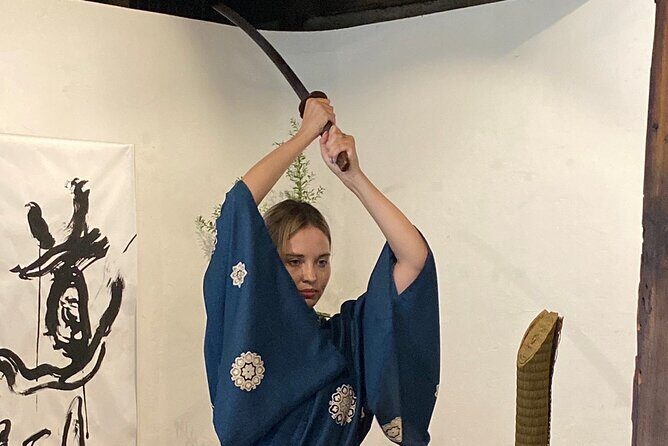
- Old private house setting for a very Japanese photo moment
- Kimono + formal samurai outfit change you actually wear
- Beginner-friendly sword instruction with etiquette as part of the lesson
- Real katana practice and sparring with safety rules in place
- Japanese tea served after training, with time to chat
- Small group of 3 for more hands-on attention
Entering Tokyo’s Old-House Samurai Space
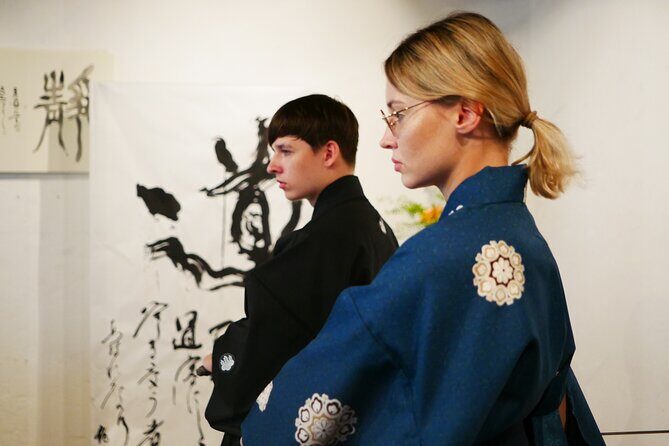
This experience is built around one main setting: an old private house, where everything happens in a single controlled space. That matters. You’re not bouncing between stations or waiting in line with dozens of people—you get to focus on what you came for.
When you arrive, look for the signboard near the meeting place. Follow the arrow, enter through the entrance, and you’ll be guided from there. The vibe is part training hall, part traditional room—tatami-style space is part of the feel, and the house itself is a big part of why the photos look more like Japan than a studio set.
The session runs 90 minutes, which is long enough to learn basics and still feel like you did something real. It’s also structured in a way that works for first-timers, not just experienced martial artists.
You can also read our reviews of more private tours in Tokyo



Kimono Dressing and the Samurai-Style Costume Moment
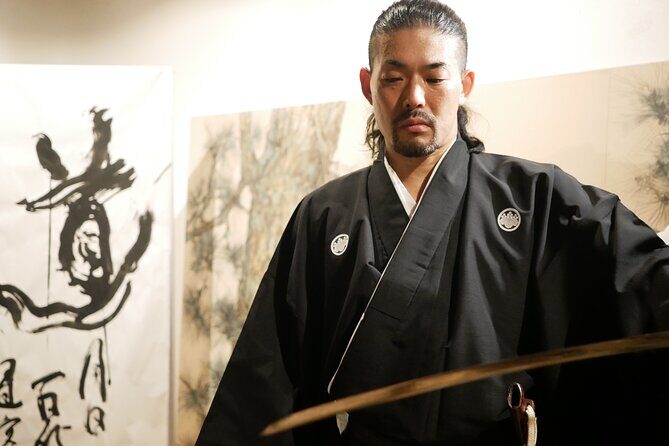
The tour starts with a costume change: kimono dressing. After that, you shift into samurai formal wear. This is one of the most satisfying parts for me, because you’re not wearing a quick rental robe and moving on. You’re guided through it, then you’re actually in costume for the rest of the practice.
You’ll also get the chance to take typical Japanese-style photos in the old house. The point isn’t just glamour shots. Being in the traditional setting while dressed correctly helps the whole experience make sense, because the training is tied to etiquette and posture—not just swinging a sword.
From the host side, Yukari takes photos and helps make the moment feel smooth. If you want a couple of extra takes for different angles, this is the kind of moment where it’s reasonable to ask.
Bushido Etiquette and Sword Basics (Safety First)
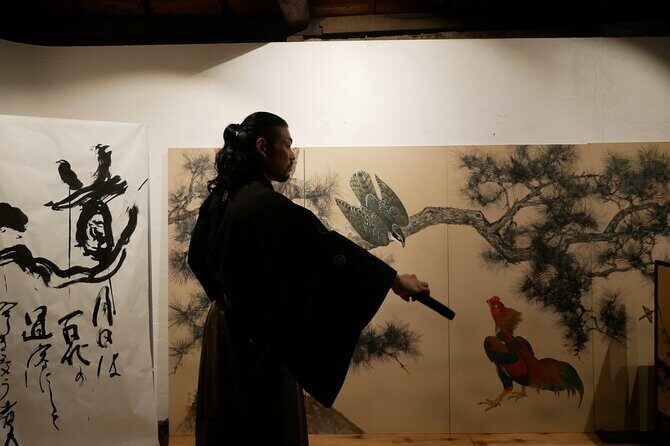
Once you’re dressed, the instructor steps in to teach the core of how you handle the sword—and how you carry yourself. The language support is Japanese and English, and the class is small enough that instructions don’t get lost in the shuffle.
The lesson isn’t presented as secret ninja stuff. It’s structured for beginners. You learn how to hold, swing, and move with the correct kind of body mechanics. You’re also taught etiquette tied to Bushido, so the actions feel connected to a code rather than random choreography.
Safety rules are clear, and that’s a big part of why this can be fun without feeling reckless. They note no one will point the blade at you. They also add an important practical request: if you don’t like the edge of the blade, tell them first. That’s the kind of detail that signals they’re thinking about comfort as well as safety.
Instructor attention is a theme in the experience. People mention being guided patiently and corrected when something’s off. In other words, you’re not left to figure it out on your own while the group moves on.
Real Sword Practice: From Controlled Swings to Sparring
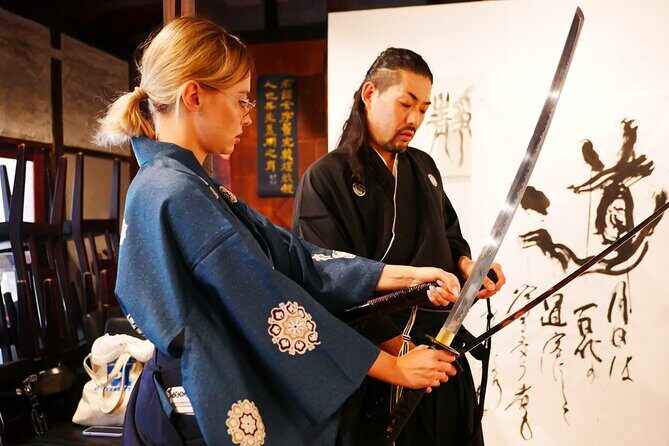
This experience includes a real sword. That sounds intense, and it is—because it’s weight, balance, and grip, not a plastic prop. The training is paced so you can build confidence quickly: posture, handling basics, then more complete movement sequences.
A lot of the thrill comes from the shift from practicing alone to learning the rhythm of a match. Eventually, you fight against a real samurai with a sword. The team says they take safety into consideration, and the overall setup is controlled rather than chaotic.
Here’s what you should mentally prepare for: you’ll be doing physical motions with timing, and you may face a drill that looks like sparring, with the other side responding. Some sessions can also include cutting-style drills depending on the group and your level—at minimum, expect practice swings and a focused training progression that culminates in the confrontation segment.
If you’re coming from a martial arts background like HEMA, fencing, or kendo basics, you’ll likely enjoy the structured steps and the chance to try a traditional approach. If you’re totally new, you’ll still get enough guidance to feel like you’re part of it, not watching someone else.
The Tea Break (Where It Turns Human)
After the training, you get Japanese tea. That might sound like a small detail, but it’s actually a nice reset. Sword practice can be adrenaline-heavy. Tea brings you back to human scale and gives your body a chance to slow down.
You also get a chance to talk with other participants. Even in small groups, this is where the experience changes shape—from performance to shared learning. You’ll often hear what each person found challenging, what they enjoyed most, and what they wished they understood sooner.
Yukari’s role shows up here too: she helps with photos and serves tea, which makes the end feel warm and organized rather than rushed. It’s also a good time to ask questions about what you saw and what you practiced—without feeling like you’re interrupting the training.






Price and Value: Is $322 Worth It?
At $322 per person for 90 minutes, you’re paying for a very specific combo:
- a private-space traditional setting (old house, single controlled room)
- small group size (up to 3) for hands-on coaching
- kimono dressing plus formal samurai outfit change
- real sword handling and a culminating sparring moment
- Japanese tea and photo support
If you compare this to typical Tokyo cultural activities, this is on the higher side. But what you’re buying isn’t just a class—it’s access. You’re allowed to wear the clothing, hold the weapon, and participate in a structured showdown. The instructor correction time also matters. With only a few people in the room, you’re less likely to feel like a background extra.
One practical way to think about value: if you want authentic costume + authentic weapon handling + guided etiquette + end-to-end experience in a single session, the price starts to make more sense. If you mainly want a background photo and light storytelling, you might find cheaper options more comfortable.
Who This Samurai Experience Fits Best
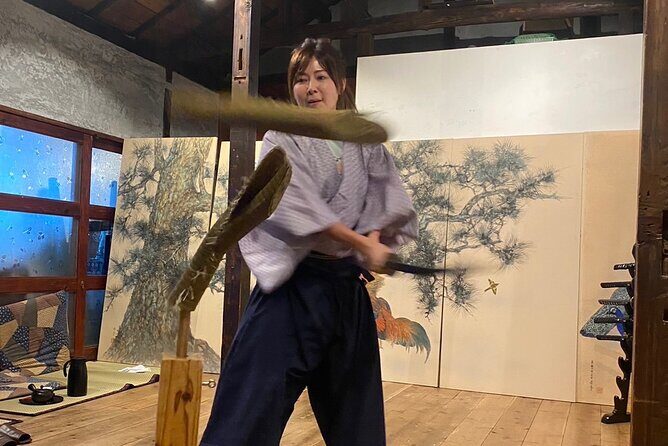
This experience is designed to work for adults and couples, since it’s private, small group, and hands-on. It’s also said to be enjoyable for men and women.
It’s not suitable for:
- pregnant women
- people with mobility impairments
- children under 10 years
And scooters aren’t allowed.
That tells you the training involves enough movement and a specific physical space setup that it won’t be comfortable or safe for everyone. If you’re unsure, you’ll want to evaluate your comfort with standing, moving, and participating in sword drills.
Who will love it most:
- first-timers who want real instruction, not just a photo session
- people who like structured coaching and clear safety rules
- martial arts fans curious about Bushido etiquette from a practical angle
Tips to Get More Out of Your Session
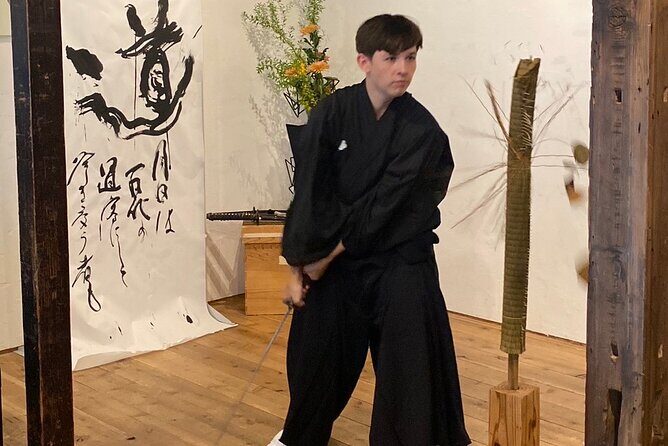
A few small moves can make a big difference with a hands-on sword experience.
First, be honest about comfort with the blade edge. They explicitly ask you to tell them if you don’t like it—so use that.
Second, consider asking about the sword itself. One suggestion from a participant was to request that the instructor show how the sword is put together. If the instructor has time and is comfortable doing it, this can add real context and help you understand what you’re holding.
Third, if you want a particular kind of practice—like focusing more on the sword cutting motion instead of the full sequence—you can ask for extra guidance on that point. The overall tone you’ll likely get is friendly and corrective, so specific requests are worth trying.
Finally, remember you’ll change clothes into samurai formal wear. Wear something easy to handle during a kimono and outfit change, so you’re not stressed at the start.
Should You Book This Samurai Experience in Tokyo?
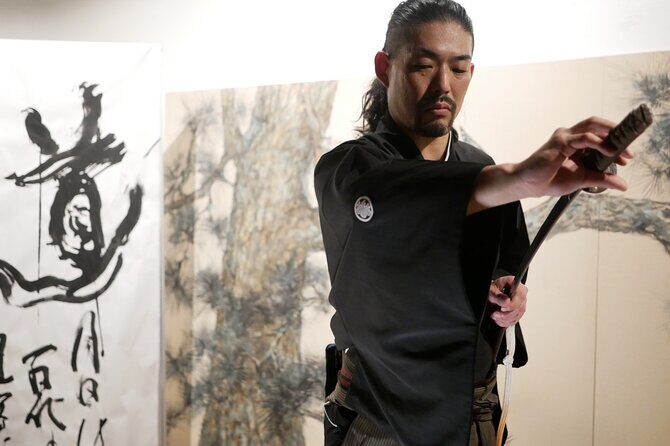
Book it if you want a real, participatory Tokyo experience: kimono dressing, real sword handling, Bushido etiquette, and a safety-conscious sparring moment in an old private house, capped with tea and photos.
Skip it (or consider alternatives) if you’re looking for a relaxed, purely observational cultural show. This experience requires movement and comfort with sword training, and it has clear restrictions for certain visitors.
If you’re the kind of traveler who likes doing one thing well—learning technique, getting corrected, and walking out with a story you can’t get from a museum—this is a strong choice.
FAQ
How long is the Tokyo samurai experience?
The experience lasts 90 minutes.
What’s the price per person?
The price is $322 per person.
Is it a small group?
Yes. It’s limited to 3 participants, so you’ll get more individual attention.
Do you get a kimono and samurai outfit change?
Yes. The experience includes kimono dressing and you change into samurai formal dress.
Is a real sword involved?
Yes. The activity includes a real sword.
What languages does the instructor speak?
The instructor speaks Japanese and English.
Who is it not suitable for?
It’s not suitable for pregnant women, people with mobility impairments, and children under 10 years. Also, scooters aren’t allowed.