REVIEW · HIROSHIMA
Hiroshima Path to Peace Private Walking Tour
Book on Viator →Operated by Ghani Explorer · Bookable on Viator
Peace has a route. This private walking tour along Hiroshima’s Path to Peace takes you from ground zero to the city’s most meaningful memorials, with stories that make each landmark feel personal and clear.
I like how the route mixes the famous stops (Atomic Bomb Dome, Peace Memorial Museum) with quieter moments that hit just as hard, like the Prayer Fountain and the Rest House survivor story. I also like the pacing: you get a longer block for the museum, then you finish in the open-air area with the Gates of Peace framing the memorial view.
One consideration: the content is heavy and reflective. Expect a lot of emotionally intense learning in a short 3-hour walk, and since coffee and tea are not included, plan ahead if you’ll want a break.
In This Review
- Key highlights worth your attention
- A private walking route through Hiroshima’s Path to Peace
- Start at the memorial cenotaph line of sight
- Atomic Bomb Dome and Aioi Bridge: the story before the museum
- Peace Clock Tower and Peace Bell: time and sound as symbols
- Korean Victims Memorial and Children’s Peace Monument
- Rest House survivor story: where the building becomes evidence
- Peace Memorial Hall underground calm and the museum’s human focus
- Prayer Fountain, Gates of Peace, and closing the loop
- Hiroshima culture you’ll notice beyond the memorials
- Price and value: what $55.77 buys you
- Who this tour is best for
- Quick practical tips before you go
- Should you book the Hiroshima Path to Peace Private Walking Tour?
- FAQ
- How long is the Hiroshima Path to Peace private walking tour?
- What are the main stops on the tour?
- Is the Peace Memorial Museum ticket included?
- Where does the tour start and end?
- Is this a private tour?
- What does the tour cost?
- What is the cancellation policy?
Key highlights worth your attention
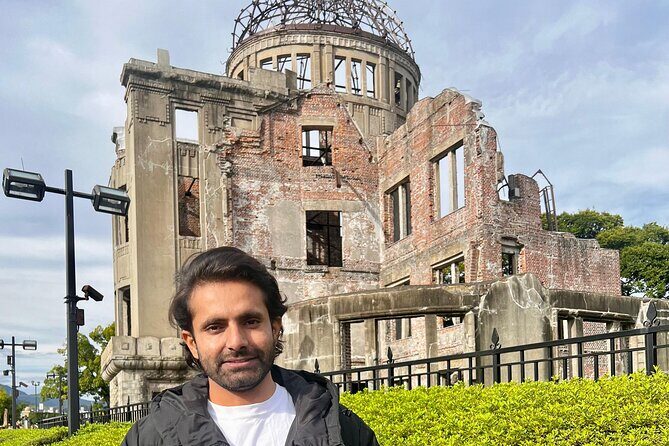
- Atomic Bomb Dome at ground zero: free to visit, unforgettable in its scale and survival after the 1945 blast
- Aioi Bridge and the A-bomb target: learn why the T-shape mattered and see how the city rebuilt
- The 8:15 memory markers: Peace Clock Tower and the Peace Bell add timing and sound to the message
- Children’s Peace Monument and cranes: a young story of paper cranes that still moves people
- Rest House survivor connection: the story centered on Eizo Nomura makes the area feel immediate
- Peace Memorial Museum time: longer museum stop with admission included, plus a reflective flow afterward
A private walking route through Hiroshima’s Path to Peace
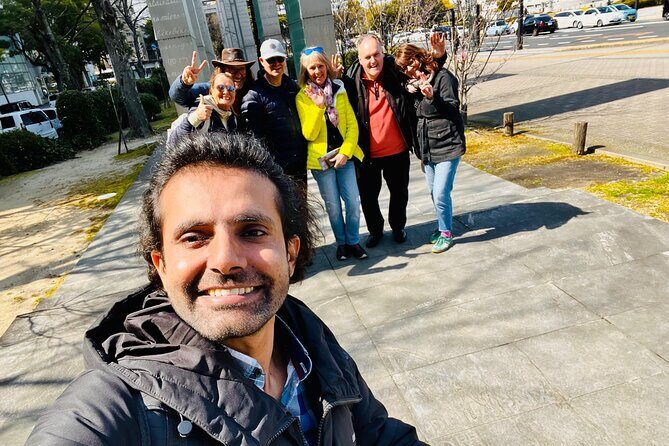
Hiroshima is built on layers: grief, rebuilding, and a stubborn insistence on hope. This tour helps you read those layers while you’re walking, instead of trying to piece it all together alone. It’s private, so you’re not stuck sharing your questions with a crowd, and you can move at a human pace between stops.
You’ll cover about 3 hours of walking through Hiroshima’s Peace Memorial area and adjacent key points. Most admissions on the route are free, which keeps the day feeling light on logistics, not just on your wallet. The one big paid stop—the museum—is included, which is a smart way to avoid that moment of figuring out tickets mid-trip.
The best part is the way a good guide connects the dots. You’re not just looking at structures; you’re learning what they were meant to show, why people place memorials where they do, and how Hiroshima talks about peace in daily, tangible ways.
You can also read our reviews of more walking tours in Hiroshima
Start at the memorial cenotaph line of sight
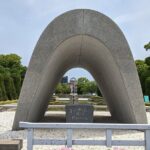
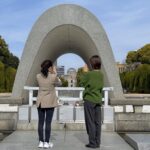
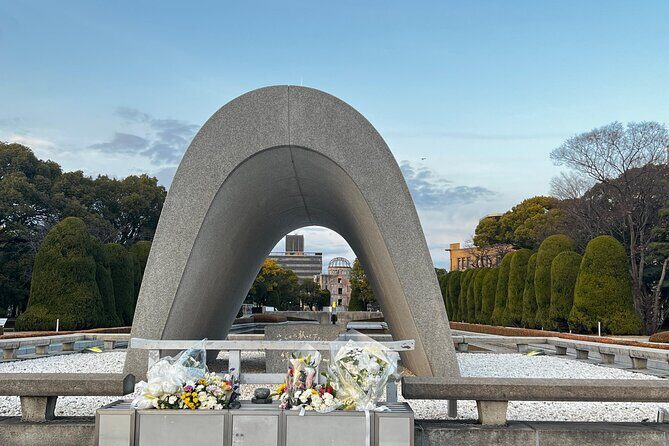
The tour begins at the Cenotaph area, where the setting helps you understand what this space is for. The Peace Memorial complex is designed so your eyes follow the message in a guided path: water, stone, names, and flame all work together.
From here, you build a mental map before things get too overwhelming. That matters. When you’re new to Hiroshima, it’s easy to feel lost in a sea of memorials. Starting where the visual alignment matters gives you bearings fast and keeps the story coherent as you move.
You also get an important reminder early: this isn’t history as museum wallpaper. It’s history as a living message, carried through design choices and repeated symbols.
Atomic Bomb Dome and Aioi Bridge: the story before the museum
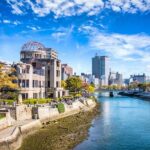
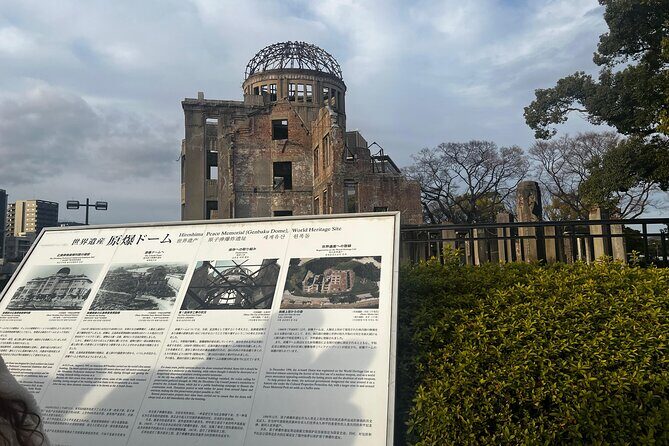
The most iconic start is the Atomic Bomb Dome, Hiroshima’s World Heritage landmark right near ground zero. It’s free to visit, and the impact is immediate even if you already know the basics. The Dome is preserved in a way that shows what survived and what didn’t, which makes it feel less like a photo and more like a preserved moment.
Close by, you look at the Aioi Bridge. The tour’s focus here is the intended target: the bridge’s unique T-shape is part of why it was significant from above. After the war, it was rebuilt, and the bridge now functions as a symbol of recovery. That’s a key theme you’ll keep seeing across the route: destruction acknowledged, but the city’s response is always part of the message.
If you only had time for one area in Hiroshima, the Peace Memorial Park zone is it. This tour makes that zone make sense—first through the visible landmarks, then through the stories and memorial symbols that those landmarks connect to.
Peace Clock Tower and Peace Bell: time and sound as symbols
Next, you reach the area’s “memory devices” in a way that feels clever and unsettling at the same time.
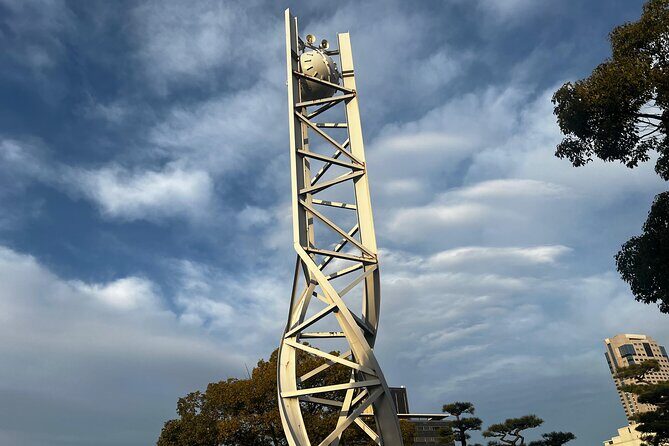
The Peace Clock Tower connects to the exact moment the bomb struck: at 8:15 AM, it chimes to remind the world of the time. It’s not just a clock; it’s a daily prompt that keeps the message from fading into general remembrance.
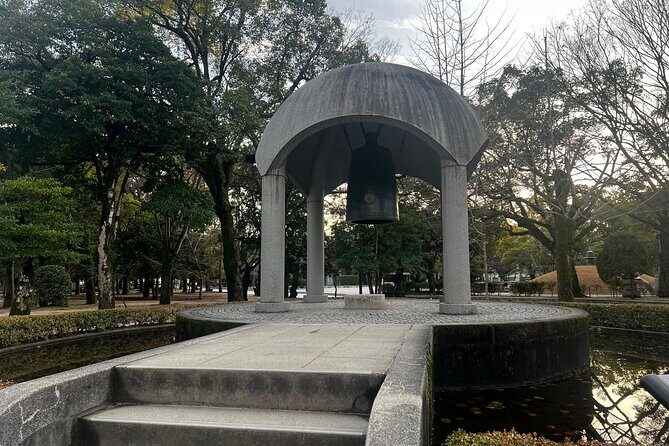
Then comes the Peace Bell. You’re invited to ring it, and the point isn’t performance. It’s about creating a sound that symbolizes a world without war. Even if you’re not usually sentimental, the physical act—striking a bell in a memorial space—makes peace feel less like an idea and more like a commitment.
These stops are short, but they work because they change how you experience the memorial area. Instead of only reading plaques, you hear and time the message.
Korean Victims Memorial and Children’s Peace Monument
Two memorials in this route address specific groups, which is important. General remembrance can be comforting, but it can also blur real people into one big crowd. These stops pull the stories back into focus.
You’ll visit the Monument to Korean Victims and Survivors, honoring over 20,000 Koreans who lost their lives in Hiroshima. The monument is turtle-shaped, and there’s an eternal flame as part of the symbolism. The form matters because it’s not just text—it’s a designed object intended to last in your memory.
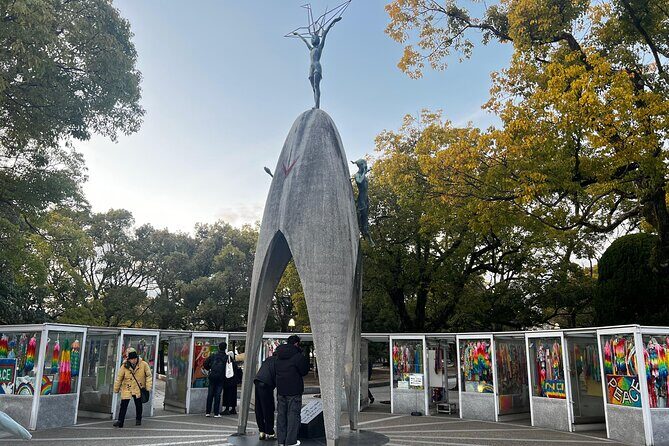
Then you see the Children’s Peace Monument, connected to Sadako Sasaki and the tradition of folding paper cranes while dealing with leukemia after the bombing. The tour highlights that thousands of cranes from around the world now add color and ongoing presence to the memorial.
This is where the tour becomes more than sightseeing. It shows you how Hiroshima keeps peace activism human. Cranes are small, simple, handmade—and that’s exactly why they connect across cultures.
You can also read our reviews of more private tours in Hiroshima



Rest House survivor story: where the building becomes evidence
One of the most compelling parts of this tour is the Rest House of Hiroshima Peace Park. It’s described as a hidden survivor story very close to ground zero, centered on a man named Eizo Nomura, who survived because he was in the basement at the time.
This stop works because it shrinks the distance between you and the event. You’re standing near the kind of place that would otherwise feel like just another building. The guide’s explanation turns it into a kind of living evidence—what people did, where they were, and how survival shaped later remembrance.
Even if you’ve read about Hiroshima before, a survivor-focused moment like this often makes everything feel more immediate. It’s not about sensational details; it’s about anchoring the story in a real location.
Peace Memorial Hall underground calm and the museum’s human focus
You’ll spend the most time at the Hiroshima National Peace Memorial Hall for the Atomic Bomb Victims. It has a striking underground design that creates a quiet, contemplative atmosphere. The shape of the space supports the tone: circular hall design around a memorial concept (including a Hall of Remembrance area). In practical terms, this gives you a break from sunlight and walking while you absorb what the memorial space is trying to say.
From there, you move into the Hiroshima Peace Memorial Museum, and this is the longer stop on the route—about 1 hour, with admission included. Museums in memorial zones can be tough, but this one is framed around the human story of August 6, 1945, using powerful exhibits that include survivors’ belongings and moving testimonies.
What I like about adding museum time after the earlier symbolic stops is that it changes your information layer. You start with “what you can see”—Dome, bridges, bells, gates—then you get “what you can’t fully see” until you learn the human accounts. The museum helps turn a layout of landmarks into lived experience.
If you’re the type who gets overwhelmed easily, slow down here. Take breaks inside the exhibit flow. You don’t need to rush to get the point.
Prayer Fountain, Gates of Peace, and closing the loop
After the museum, the route moves back toward the open-air memorial symbols.
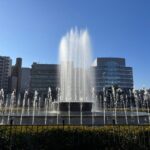
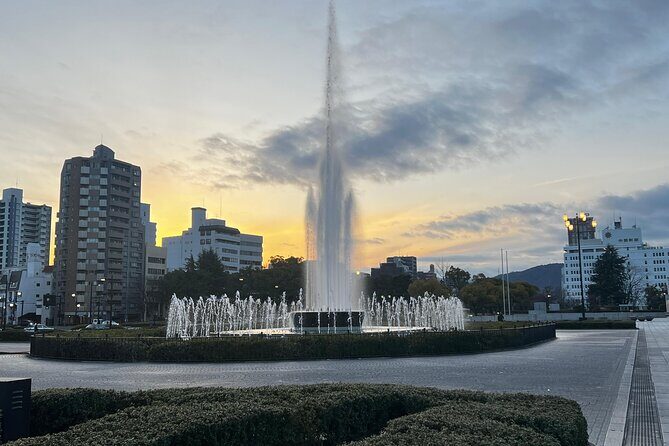
You’ll pause at the Prayer Fountain, dedicated to the memory of atomic bomb victims who longed for water in their final moments. It’s a serene water feature with gentle streams, and the symbolism of water becomes one more reason this day stays grounded in everyday needs, not just slogans.
Finally, you walk through the Gates of Peace: ten tall glass arches inscribed with the word Peace in 49 different languages. They’re aligned straight toward the Cenotaph and the Atomic Bomb Dome, which closes the loop you started early. It’s a visual “send-off” to the message: the world should keep moving toward peace, and Hiroshima wants to be part of that effort.
This ending also has a practical benefit. When you leave, you know what you saw and why. The gates help you remember the geometry of the memorial path, not just the list of sites.
Hiroshima culture you’ll notice beyond the memorials
A great peace tour also teaches you what Hiroshima does now, not only what happened then. This experience includes cultural pointers that help you understand how the city’s rebuilding spirit shows up in daily life.
You’ll hear about the tradition of paper cranes, and you’ll also get a sense of how rebuilding becomes a continuing message, not just a postwar chapter. That fits well with the memorial theme: peace is not a one-time event; it’s an ongoing practice.
And since your day will likely include hungry-moments between serious stops, the tour wraps with recommendations for food. You’ll get tips on okonomiyaki—Hiroshima’s beloved savory pancake style—and also on fresh local oysters. These suggestions matter because they keep your energy up and help you eat in ways that feel connected to the city, not just convenient.
Price and value: what $55.77 buys you
At $55.77 per person, this tour isn’t a cheap “walk and read a sign” experience. But it does include smart value items.
Here’s where the value comes from, based on what’s included:
- Private guide-led sequencing through a complex memorial landscape (faster understanding, fewer head-scratching moments)
- Museum admission included, which is a real cost you would otherwise need to manage yourself
- A day built around meaning, not just location-hopping
- Cultural and food recommendations tied to the experience
Also, it’s described as a mobile-ticket tour, which can simplify the day so you spend more time walking and less time searching for papers.
The one tradeoff is that you’re paying for interpretation. If you already know the material deeply and want complete independence, a self-guided plan might feel cheaper. But if you want the story explained in a human way while you’re standing in the actual places, the price starts to make sense quickly.
Who this tour is best for
This tour is a strong fit if you’re:
- A history lover who wants the meaning behind the landmarks, not just dates
- A peace-minded traveler who wants a focused route through the memorial message
- Traveling with someone you want to share a serious, respectful experience with
- The kind of person who likes your walking tours guided, with room for questions
It’s also a good match if you’re not sure how to prioritize. Hiroshima has many memorial elements, and a set route helps you avoid missing the core pieces.
Quick practical tips before you go
A few things will make your day smoother:
- Wear comfortable shoes and expect a lot of standing and walking in memorial spaces.
- Plan for emotional weight. If you need breaks, take them. The route is paced with several short stops plus a longer museum block.
- Bring water if you run thirsty easily. Coffee and tea aren’t included.
- If you can, mentally treat the museum and the bell/clock moments as “chapters,” not tasks to finish.
These aren’t travel hacks. They’re just how to get the most from a memorial day without rushing.
Should you book the Hiroshima Path to Peace Private Walking Tour?
If you want Hiroshima’s Peace Memorial zone to feel understandable and personal, this is a very good booking. The combination of the Dome, Aioi Bridge, clock and bell, the memorial monuments, and a full museum block creates a route that holds together as a story.
I’d especially recommend it if you appreciate guides who can connect symbols to meaning. One guide name that stands out in the experience details is Sheraz, who is highlighted for deep Hiroshima A-bomb history knowledge and the ability to share facts, even about other countries. That kind of cross-context explaining is exactly what helps make a memorial tour feel human instead of scripted.
Book it if you’re ready for a thoughtful walk. If you want light and casual sightseeing, you might find the subject matter too heavy for your mood. But if you’re in the right headspace, the route gives you something lasting: you leave not only seeing Hiroshima, but understanding how the city keeps peace in view.
FAQ
How long is the Hiroshima Path to Peace private walking tour?
The tour lasts about 3 hours.
What are the main stops on the tour?
The route includes the Atomic Bomb Dome, Aioi Bridge, Peace Clock Tower, Peace Bell, the Monument to Korean Victims and Survivors, Children’s Peace Monument, Rest House of Hiroshima Peace Park, Hiroshima National Peace Memorial Hall for the Atomic Bomb Victims, Peace Memorial Museum, the Prayer Fountain, and the Gates of Peace.
Is the Peace Memorial Museum ticket included?
Yes. Admission to the Peace Memorial Museum is included.
Where does the tour start and end?
The meeting point is at the Cenotaph erected by volunteers of former executives and employees of Hiroshima Prefecture Chiho Lumber Co., Ltd., 1-chōme-10-1 Ōtemachi, Naka Ward, Hiroshima. The tour ends at Gates of Peace, 4-15 Nakajimachō, Naka Ward, Hiroshima.
Is this a private tour?
Yes. It’s a private tour/activity, so only your group participates.
What does the tour cost?
The price is $55.77 per person.
What is the cancellation policy?
You can cancel for a full refund up to 24 hours before the experience’s start time. Free cancellation is available, and changes made less than 24 hours before start are not accepted.