REVIEW · TAKAYAMA
Takayama: Hida Folk Village Guided Tour with Bus Transfer
Book on GetYourGuide →Operated by DeepExperience, Inc. · Bookable on GetYourGuide
Turn a short bus ride into a time machine. You’ll step into the Hida Folk Village open-air museum, where relocated Edo-period homes show how rural people lived—and how their houses were engineered for brutal snowfall. Two things I really like: the clear explanations from an English-speaking guide, and the chance to walk among real structures (not just pictures) including gassho-zukuri houses.
The one catch is time. With about 80 minutes on the guided walk, you’ll move at a comfortable pace, but you may still wish you had more time to linger in every house and corner. The practical upside: you don’t have to worry about getting there and back on your own.
Expect a structured visit that blends architecture, everyday objects, and even seasonal culture, all while you stay warm and oriented thanks to the bus transfer. One guide name you may hear mentioned is Mihoko—she’s praised for making the experience click fast, with friendly, story-based explanations that connect Takayama and Hida to Japan beyond the museum fence.
In This Review
- Key highlights at a glance
- Stepping Into the Hida Folk Village open-air museum
- Gassho-zukuri roofs and snow-ready design you can spot instantly
- Homes, tools, and rural daily life: what the guide actually brings
- The short bus transfer that saves you from logistics stress
- How the 3-hour pace feels in real life
- Price and value: why $103 can work (or not)
- Practical tips: footwear, warmth, and how to photograph politely
- Who should book this tour—and who might skip it
- Should you book the Takayama Hida Folk Village guided tour?
- FAQ
- Where is the meeting point for the tour?
- How long is the tour, and how much time is spent at Hida Folk Village?
- Is the tour guided in English?
- What should I wear or bring?
- Is food included?
- Is the tour accessible for wheelchair users or mobility impairments?
- Is photography allowed?
Key highlights at a glance
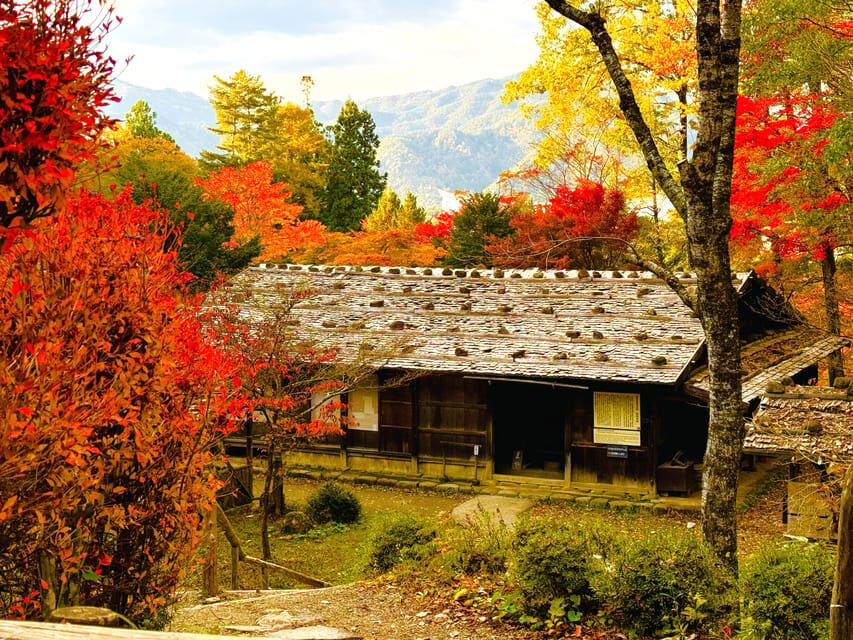
- Gassho-zukuri houses built for heavy snow: steep, thatched roofs are part of the story you can see up close
- Edo-era homes and village structures moved to one place, so you can compare styles easily
- A guided walkthrough focused on daily life, including tools and household items
- Thatched-roof architecture tied to Hida wisdom, not just aesthetics
- Round-trip bus transfer from Takayama Station, keeping your morning or afternoon simple
- Practical tips from the ground, like shoe-removal inside houses and comfort-first footwear
Stepping Into the Hida Folk Village open-air museum
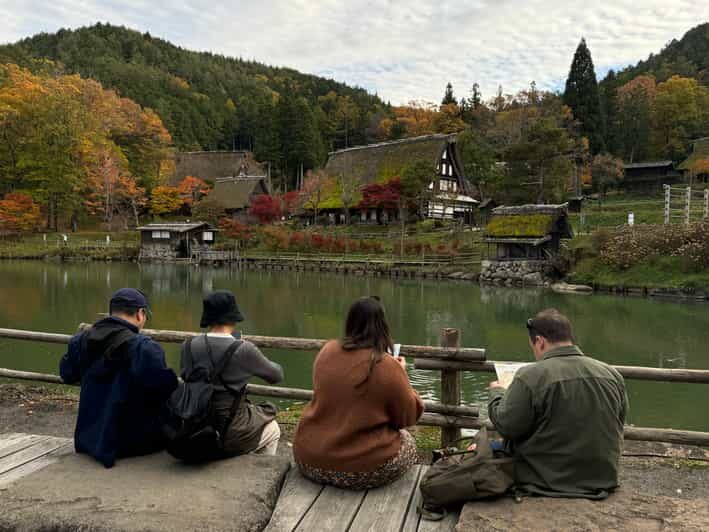
Hida Folk Village is the kind of place that makes time feel different. One moment you’re in modern Takayama; the next, you’re walking through a carefully preserved village layout where buildings were relocated and saved so you can study them without guessing. Instead of treating it like a single landmark, the museum lets you roam between residences and structures and see how a community functioned.
What I like most is how much you can learn just by paying attention. The guide helps you notice details—construction choices, room layout, and how people made do with the region’s climate. If your goal is understanding how rural communities lived, this works better than a quick stop.
Also, the setting matters. An open-air museum is never fully “hands off.” You’re outdoors through a lot of the visit, which makes it feel physical and real. Just plan on dressing for the weather, because you’re not tucked inside a climate-controlled building the whole time.
You can also read our reviews of more guided tours in Takayama
Gassho-zukuri roofs and snow-ready design you can spot instantly
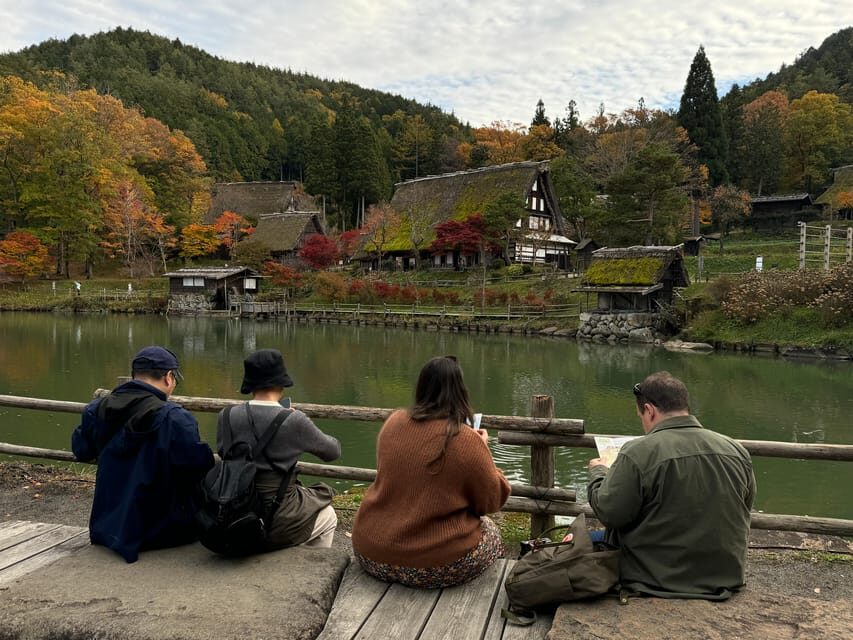
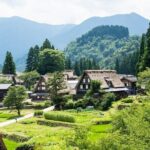
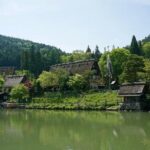
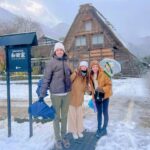
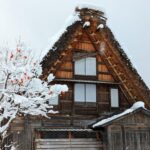
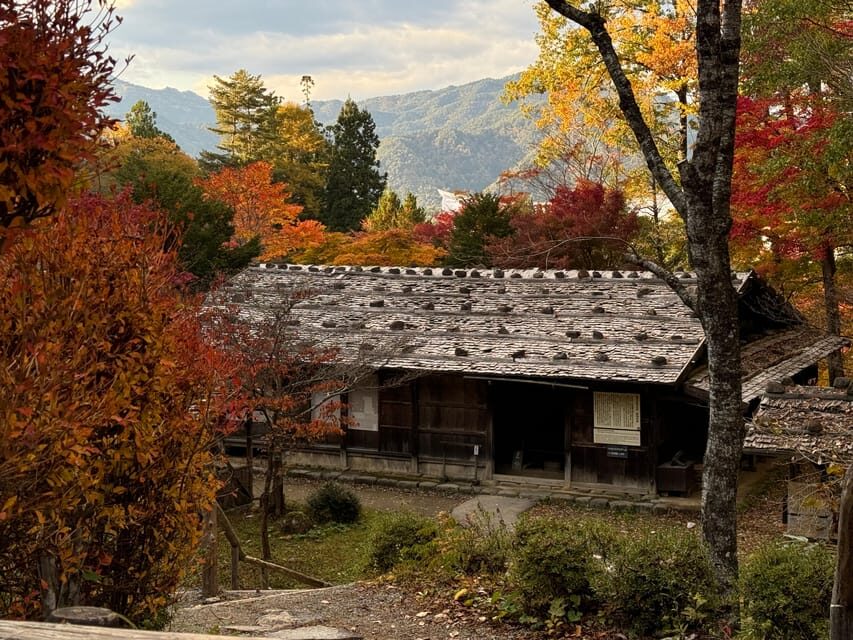
If you’ve seen photos of gassho-zukuri houses—steep roofs that look almost like praying hands—you’ll recognize them here right away. The museum is especially focused on these snow-adapted structures, and that’s the point: Hida’s winters aren’t gentle, so the buildings had to be.
During the guided portion, you’ll get the logic behind the design. The steeply angled, thatched roofs help shed heavy snow efficiently, which is one of those practical details that turns architecture into engineering. It’s not just that the houses are pretty; it’s that they were built to survive.
This is also where the tour earns its keep. Without a guide, it’s easy to admire the roofs and move on. With a guide, you’re more likely to connect the house shape to rural life, seasonal routines, and how people planned for their environment.
Homes, tools, and rural daily life: what the guide actually brings
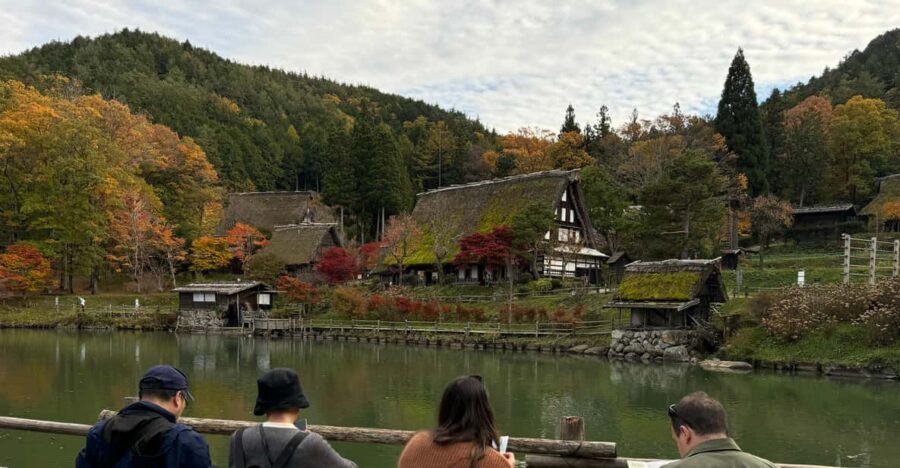
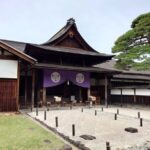
The tour isn’t only about exterior views. You’ll spend most of your time on a guided walk through the village’s buildings, including residences and other preserved structures from the Edo period through later time periods. That variety matters because it helps you see how the village might have changed over time, rather than freezing everything in one snapshot.
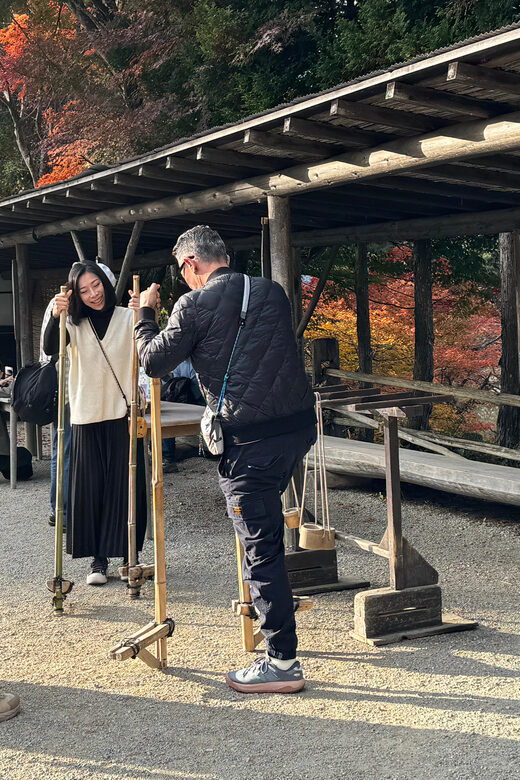
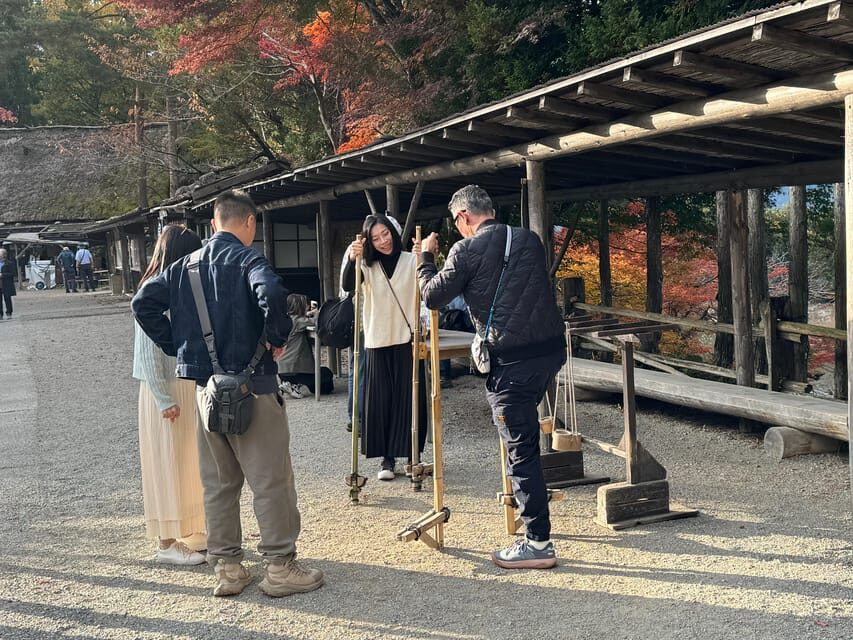
Inside the houses and rooms, the focus shifts to everyday life. You’ll encounter agricultural tools and household items, which is where the experience becomes more than architecture sightseeing. Tools and domestic objects show you what work looked like, what rooms were used for, and what people valued enough to keep and maintain.
A couple of practical notes come up from real-world experience. Plan for some interior shoe rules: you’ll likely remove shoes when entering certain buildings, so slip-on and slip-off footwear can make life easier. Also, photography is allowed, but be respectful of cultural spaces—stay mindful, and don’t turn the inside of a home into a photo studio.
The guide also tends to connect the museum to broader context. One English-speaking guide is specifically noted for explaining customs of old Japan, including how farmers built their homes and even how people might offer a prayer at a temple. Even if your questions run different, the best part is that the guide doesn’t just recite dates—they connect ideas to how people lived.
The short bus transfer that saves you from logistics stress
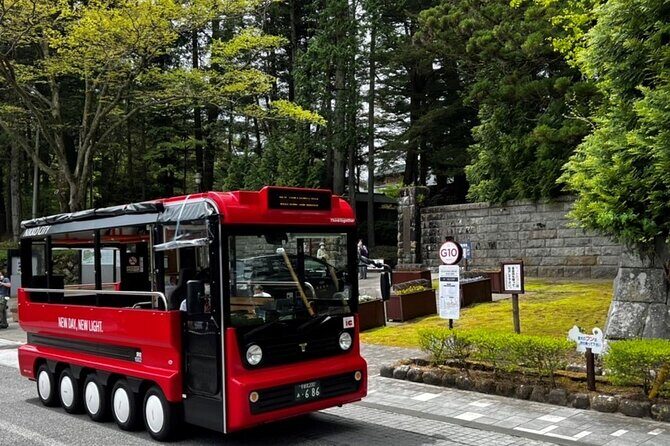
This tour is built around simplicity. You meet your guide at the front of the Takayama Information Center at the East Exit of JR Takayama Station. The guide will be holding a yellow sign with the DeepExperience logo, so you can spot them quickly without playing station detective.
The transfer itself is brief—about 10 minutes each way by bus. That short ride is more important than it sounds. When a rural site is involved, it’s easy to lose time figuring out routes and schedules. Here, the transport is handled, which keeps the tour moving and gives you more usable time inside the village rather than spending it on transit.
Because the group is guided and the timing is tight, you’ll want to arrive about 15 minutes early. That buffer is not for show—it prevents the tour start from turning into a scramble.
How the 3-hour pace feels in real life
The total duration is 3 hours, with roughly 80 minutes for the guided visit in the village. That pacing is a sweet spot for many people, especially if you’re also doing other Takayama sights.
Here’s the reality check: 80 minutes is enough to get a strong overview and hit the key buildings, but it’s not enough to be a slow, camera-first wanderer. If you love lingering, you may wish there was extra time to revisit your favorite house or spend more time with the tools and household displays.
On the other hand, the structured time helps you avoid the common open-air museum problem: meandering without a clear focus. The guide steers you toward the most meaningful elements—like how gassho-zukuri roofs relate to heavy snowfall—so you leave with understanding, not just walking photos.
The tour runs in all weather conditions, so you’re outside through much of the visit. That can be great when the weather is pleasant, and it just means you’ll need good layers when it’s cold.
A few more Takayama tours and experiences worth a look
Price and value: why $103 can work (or not)
At about $103 per person, this tour isn’t a budget impulse buy. But it’s also not priced like a private driver for half a day. You’re paying for three things: round-trip transportation from Takayama Station, admission to the Hida Folk Village, and a live English guide.
The value calculation gets easier when you compare what you avoid. You’re not spending time planning transit, buying tickets separately, or trying to piece together context on your own at a site where details matter. In places like this, a good guide can turn 20 percent of the experience into 80 percent of the understanding.
That said, if you’re the type who wants total freedom to wander for hours at your own pace, the time window might feel limiting. In that case, the cost may not feel worth it.
For most people—especially first-timers to Hida—the balance usually makes sense: you get a guided overview plus the practical bus transfer that makes the trip painless.
Practical tips: footwear, warmth, and how to photograph politely
You’ll do a moderate amount of walking, mostly outdoors. So think comfort first, not fashion. Comfortable shoes are a must, and warm clothing is strongly advised because the village is open-air and the tour runs in all weather.
If you want a simple footwear strategy, follow the logic people mention from inside experience: choose shoes you can slip on and off quickly, since you may need to remove shoes when entering some buildings. It keeps the visit smooth instead of awkward.
Bring:
- Comfortable shoes (with easy slip-on/slip-off if possible)
- Warm clothing
- Water
- A camera, if you want photos
And remember:
- Smoking isn’t allowed.
- Photography is allowed, but be respectful around cultural sites and inside buildings.
If you’re traveling in cooler months, this tour is a strong match because the gassho-zukuri focus makes extra sense when you’re actually thinking about snow and cold.
Who should book this tour—and who might skip it
This is a great fit if you want an efficient, guided taste of rural Hida culture without turning your day into logistics. You’ll likely enjoy it if:
- You like guided explanations and want the meaning behind what you’re seeing
- You’re interested in architecture, especially snow-adapted building design
- You want context around Edo-period rural life, not just a photo stop
- You prefer a structured route with transportation handled
It’s less ideal if:
- You need wheelchair access or have mobility impairments. This tour isn’t suitable for wheelchair users and may not work for some mobility needs.
- You hate time limits. The guided visit is about 80 minutes, and the tour structure is designed to finish on schedule.
If you’re the sole planner in your group and you’d rather not wrestle with bus times to reach an open-air site, the included round-trip transfer is a big convenience.
Should you book the Takayama Hida Folk Village guided tour?
Book it if you want a guided, no-stress way to understand why Hida’s homes look the way they do—especially the gassho-zukuri roofs and the snow-ready engineering behind them. The English guide adds real value by connecting architecture to daily life, tools, and regional customs.
Skip it or consider alternatives if you’re determined to spend hours wandering freely at your own pace. The 3-hour format is friendly and efficient, but it’s not designed for slow photography marathons.
For most first-time visitors to Takayama looking for one meaningful rural stop, this is a strong bet: you get transport, admission, and a guided walkthrough that turns the village from scenery into understanding.
FAQ
Where is the meeting point for the tour?
Meet your guide in front of the Takayama Information Center located at the East Exit of JR Takayama Station. The guide will be holding a yellow sign with the DeepExperience logo.
How long is the tour, and how much time is spent at Hida Folk Village?
The total duration is about 3 hours. The guided tour inside Hida Folk Village lasts about 80 minutes, with short bus transfers before and after.
Is the tour guided in English?
Yes. The live tour guide speaks English.
What should I wear or bring?
Wear comfortable walking shoes and bring warm clothing, a camera, and water. You should also plan for a moderate amount of walking outdoors.
Is food included?
No. Food and drinks are not included.
Is the tour accessible for wheelchair users or mobility impairments?
No. The tour is not suitable for people with mobility impairments or wheelchair users.
Is photography allowed?
Photography is allowed, but you should be respectful of the cultural sites.